Case Study — Global sleepwear & loungewear brand · Ongoing
Supplying a Global Sleepwear Brand at Volume
An ongoing production programme for a global sleepwear and loungewear brand — over 10,000 pieces per month across pajama sets, nightgowns, robes and lounge sets.

Founded in 2015, selling internationally with its main market in North America.
- Client
- Ekouaer
- Product
- Sleepwear & loungewear — pajama sets, nightgowns, robes, lounge sets
- Volume
- 10,000+ pieces per month
- Techniques
- Repeat production against sealed samples, Monthly rolling schedule, Multi-style, multi-colourway programme
- Customization
- Brand labels, Care and size labels, Retail-ready packing
The client is a sleepwear and loungewear brand founded in 2015, selling internationally with North America as its primary market. We supply it on an ongoing basis, at over 10,000 pieces per month.
This case study is here for one reason: monthly volume is a different manufacturing problem from a first order, and brands evaluating a supplier are usually trying to work out whether that supplier can do the second thing as well as the first.
What changes at this volume
A single production run is a project. A recurring monthly programme is a system, and three things stop being optional.
Consistency has to be measured against a fixed standard
The failure mode in repeat production is drift. Each run is checked against the run before it, each one is nearly right, and after a year the product has moved somewhere nobody decided to take it.
Every style here is produced against its retained sealed sample, not against the last shipment. The reference does not move, so the product cannot drift away from it. The same principle is described in general terms on quality control.
Scheduling has to be rolling, not reactive
Several styles run concurrently, in multiple colourways. Fabric has to be in position before it is needed, trims have to be ordered against a forecast rather than an order, and line capacity has to be reserved rather than requested.
This is the practical difference between a supplier who can quote a volume and a supplier who can hold one.
The records are the asset
Approved patterns, graded measurement charts, trim specifications and sealed samples are retained per style. That is what allows a reorder to skip development entirely and start at fabric — and it is what makes a style produced this month match one produced six months ago.
What we do not claim here
Two things are deliberately absent from this page.
We are not stating that we are this brand’s only supplier — a brand of this size works with several factories, and claiming otherwise would be untrue. And we are not publishing defect rates, on-time percentages or lead times, because those are figures the customer owns, not marketing copy we get to write.
What is stated is what is verified: the category, the volume, and how the programme is run.
What this means if you are evaluating us
If you are placing a first order, the relevant question is not whether we can handle 10,000 pieces a month. It is whether the way we work on a small programme is the same way we work on a large one.
It is. The sealed sample, the retained pattern, the measurement checks against a fixed standard — these are not a premium tier reserved for large accounts. They are how bulk production runs here, and the reason a programme can grow without being rebuilt.
Published
Development
Challenge, solution, result
Challenge
A brand shipping at this volume cannot treat each order as a new development cycle. The requirement is that a repeat produced this month is indistinguishable from the same style produced six months ago, across several styles running at once.
Solution
Every style runs against a retained sealed sample rather than against the previous shipment, so variation cannot accumulate. Approved patterns, graded measurements and trim specs are held as the standard, and production is scheduled as a rolling monthly programme instead of separate one-off orders.
Result
An ongoing supply relationship at over 10,000 pieces per month across sleepwear and loungewear categories.
Production
From the order
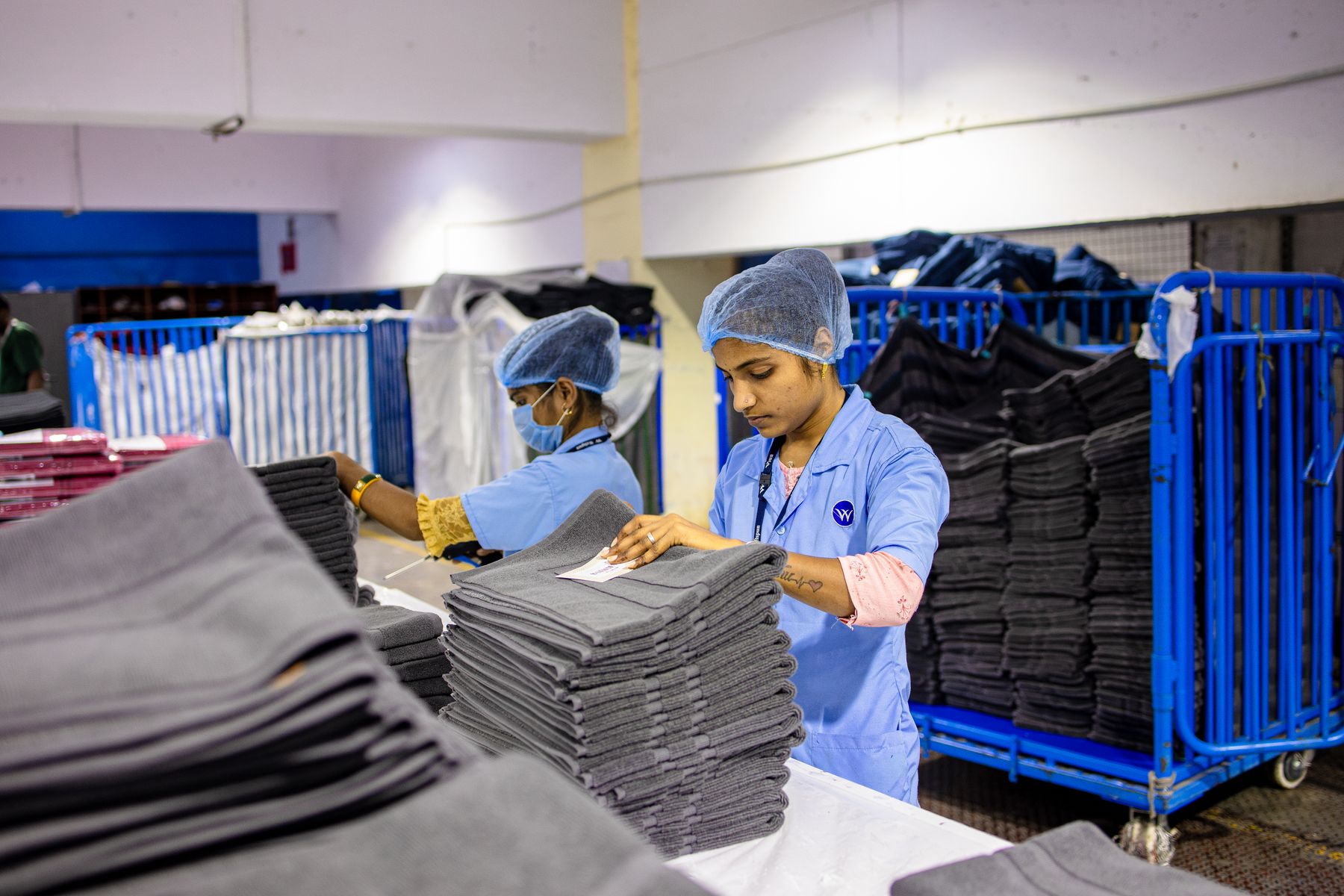
Monthly volume, folded and stacked 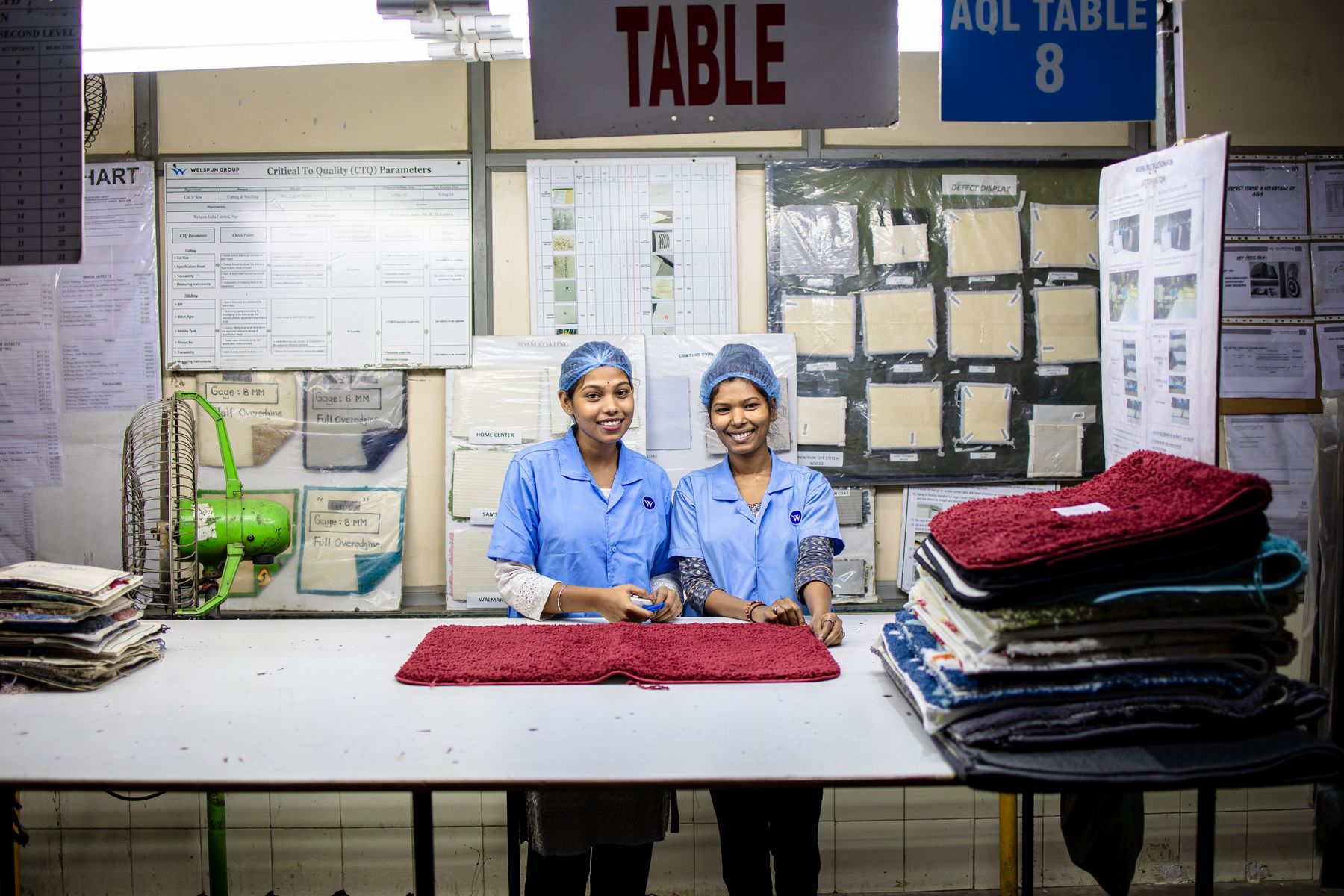
Checked against the retained sealed sample 
Packed retail-ready
Related Pajamas
Product category
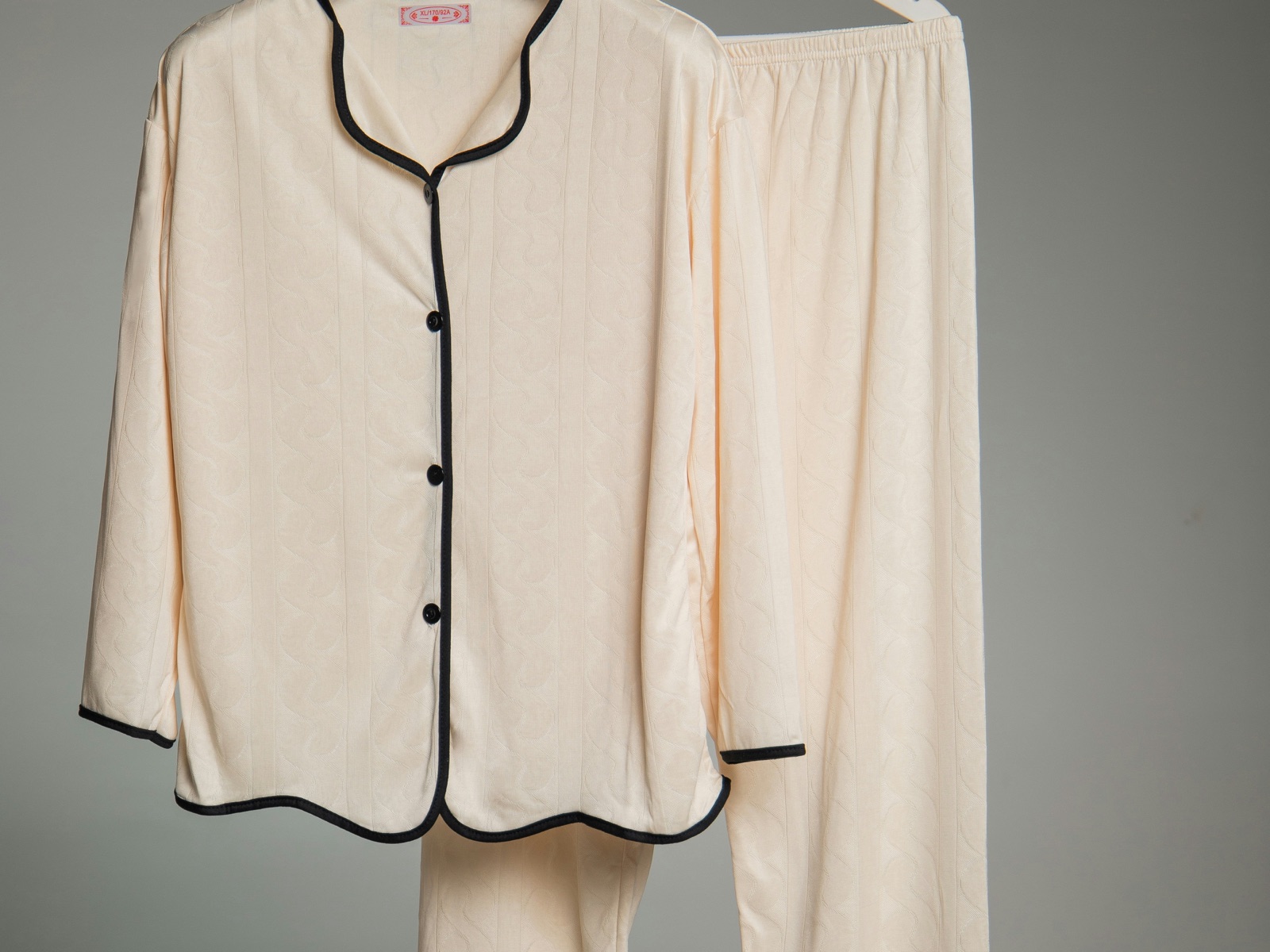
Pajama Sets
Button-up, t-shirt and cami sets in cotton, modal, satin and more.
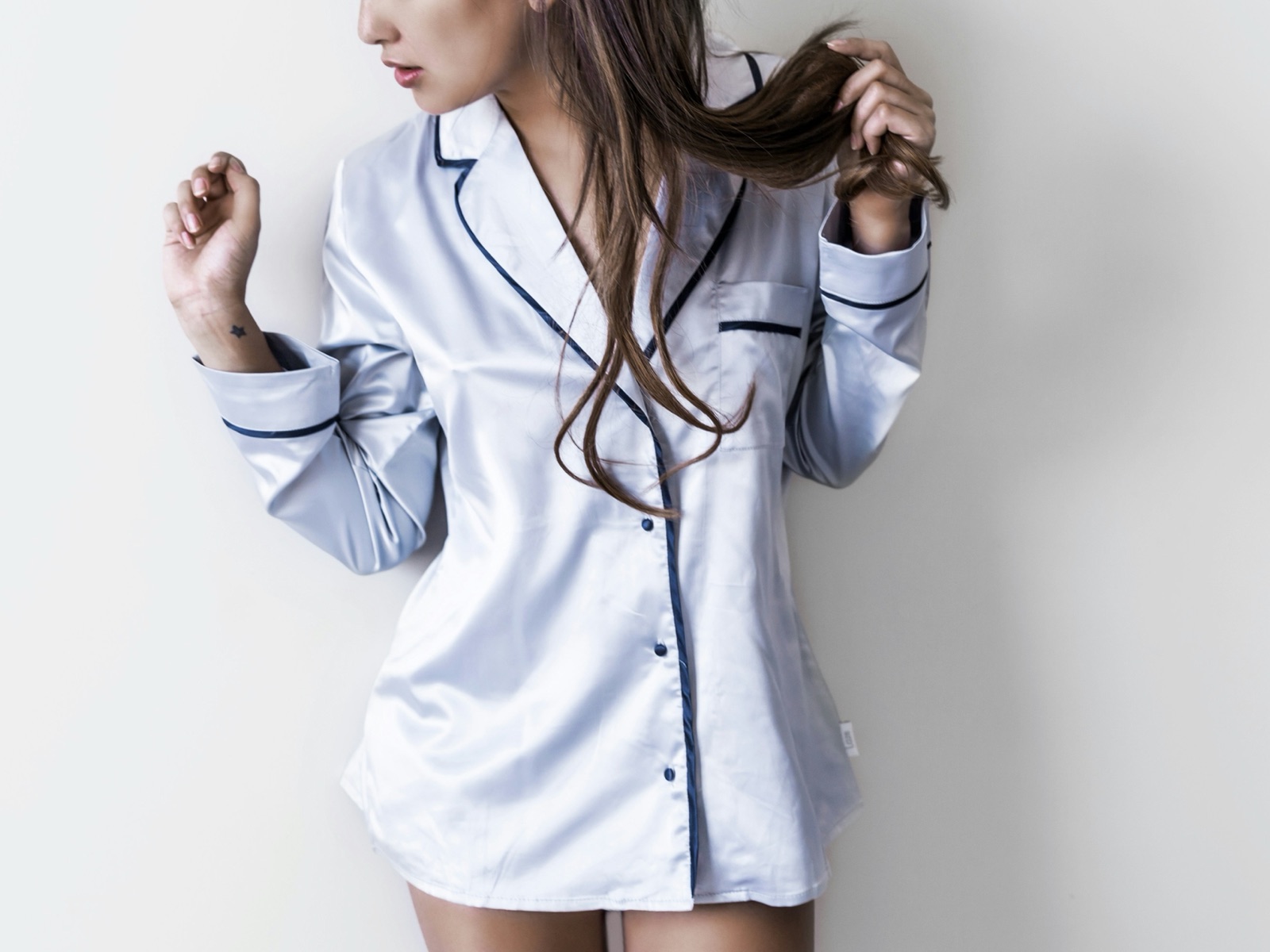
Women's Pajamas
Sets, nightgowns and sleep shirts developed to your patterns and grading.

Nightwear
Nightgowns, sleep shirts and chemises in soft, breathable fabrics.
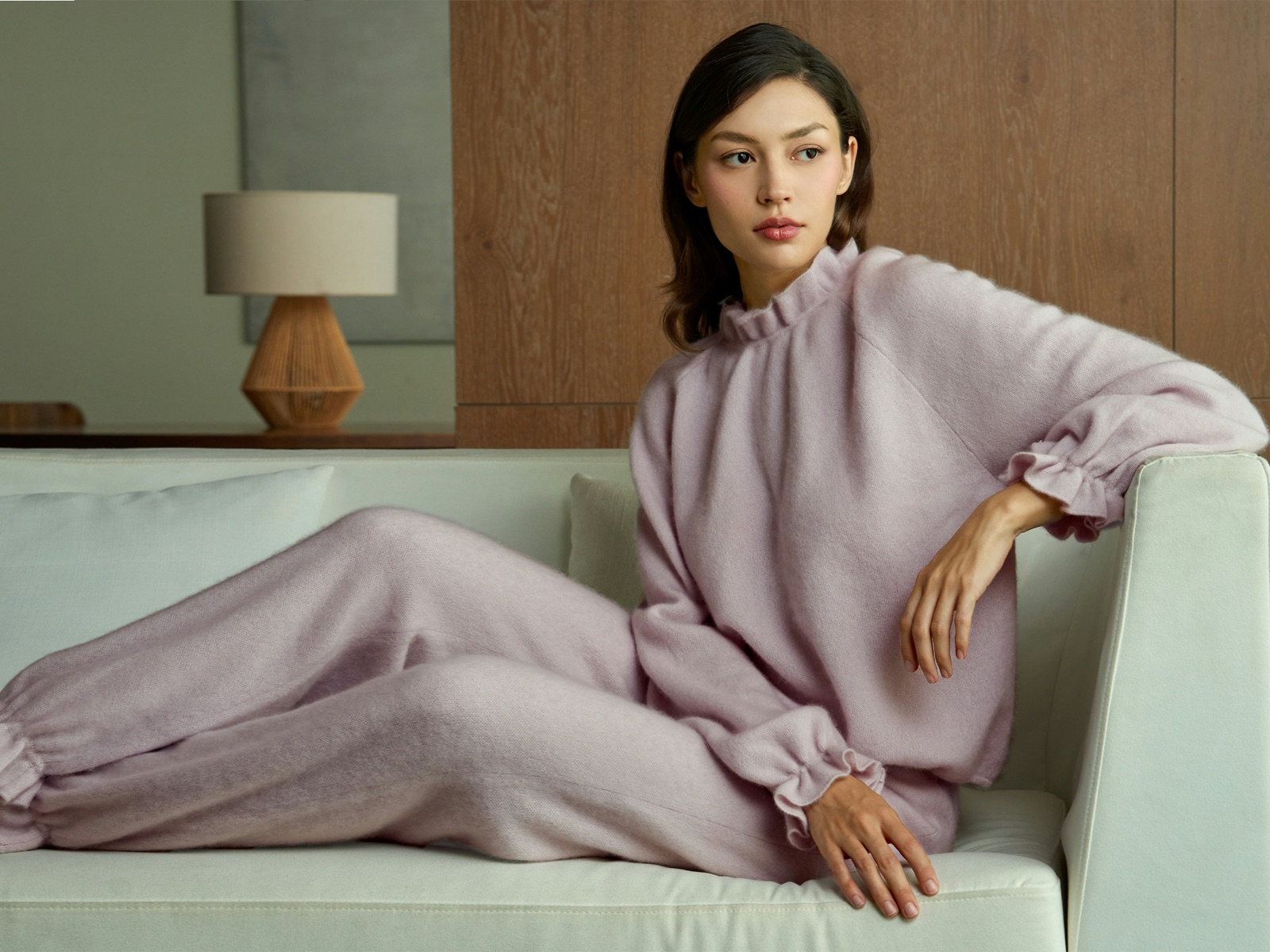
Loungewear
Lounge sets, joggers and knit separates for stay-at-home comfort.
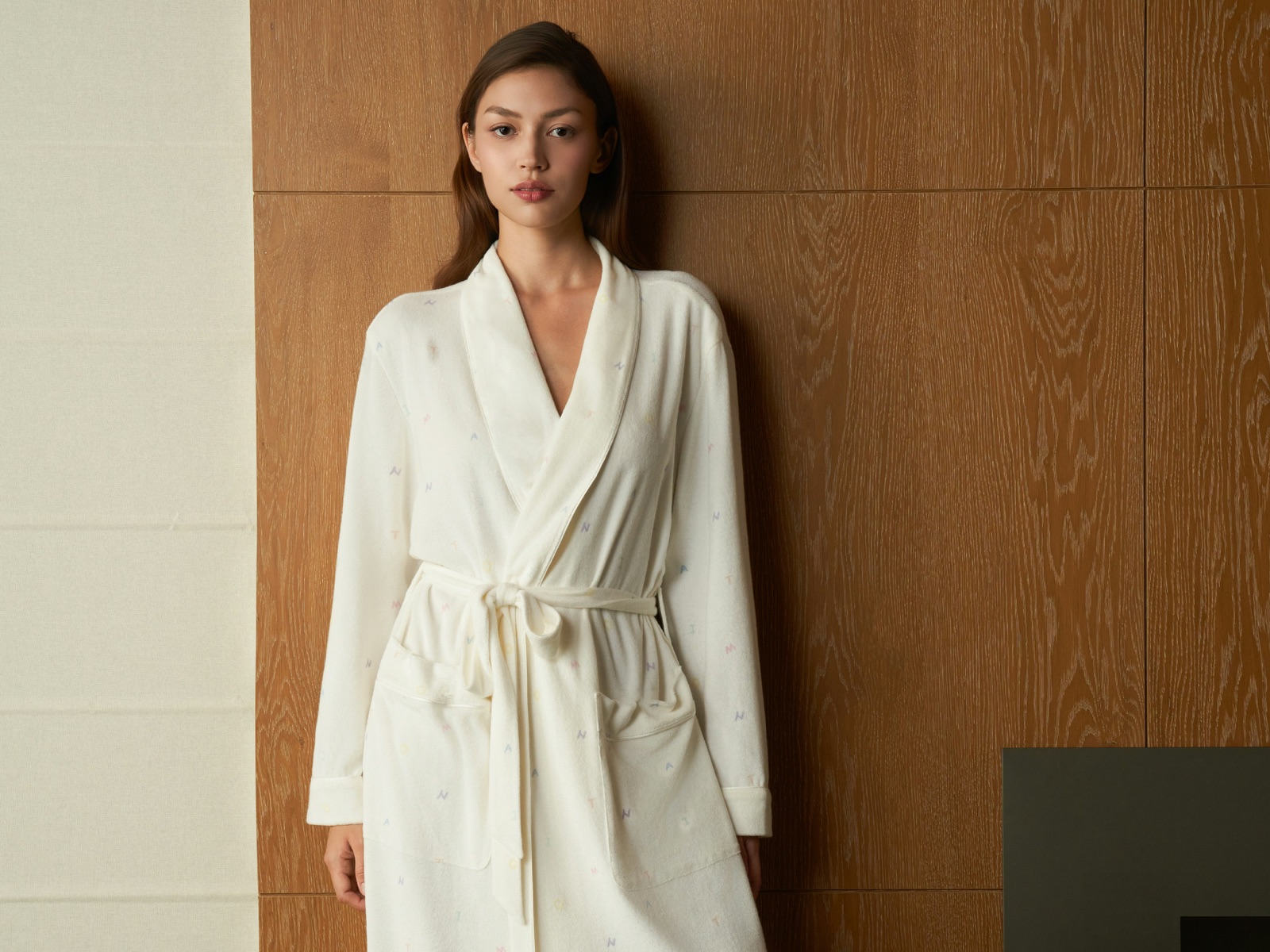
Robes
Kimono, shawl-collar and waffle robes with embroidery and custom trims.
Related Fabrics
Fabric used
Cotton
The sleepwear default — breathable, easy to print, easy for customers to care for.
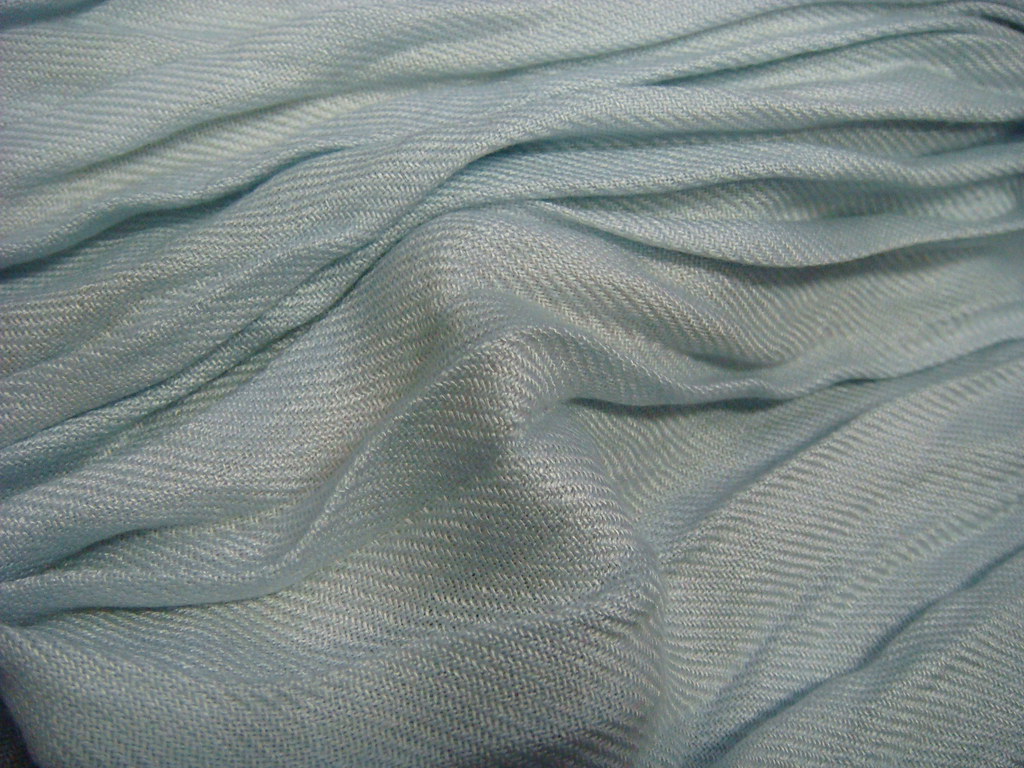
Modal
Silky cellulosic knit with fluid drape and deep colour — the premium-feel comfort option.
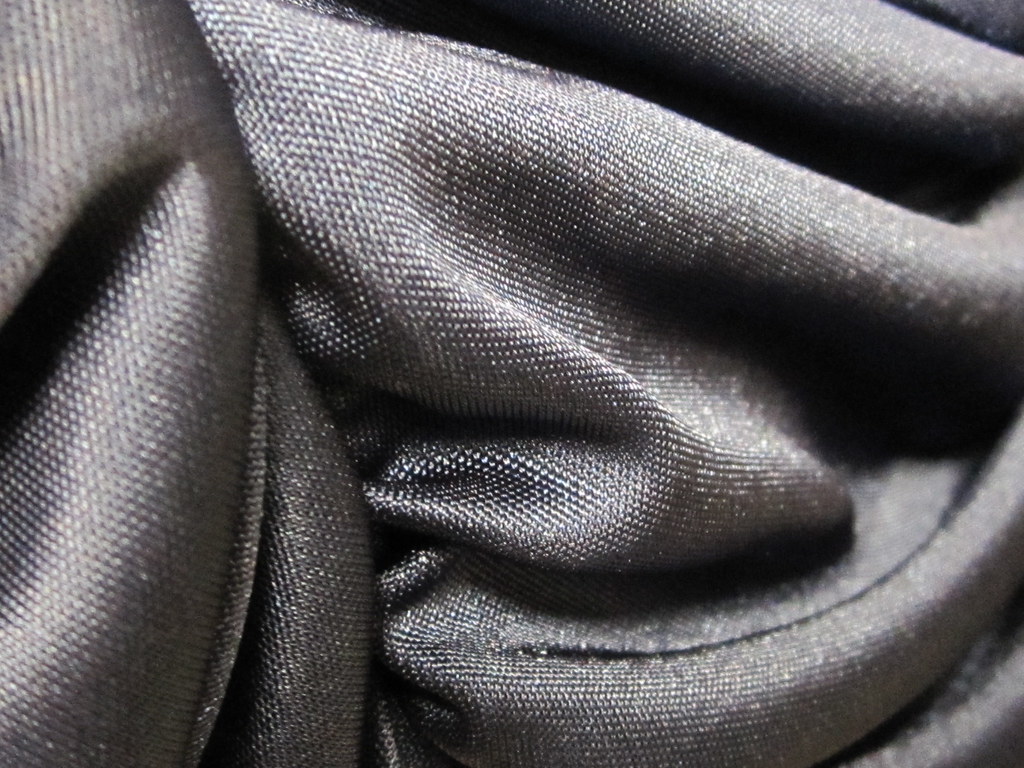
Satin
Lustrous weave for premium and gift-led sleepwear — beautiful, and the least forgiving to sew.
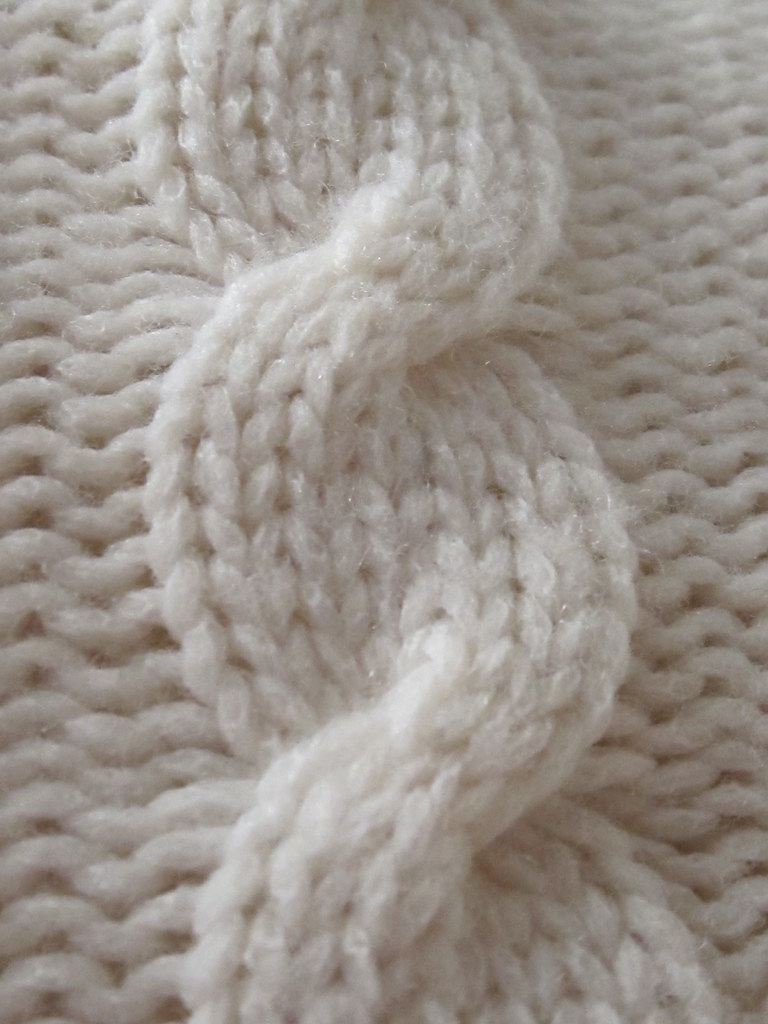
Jersey
The T-shirt knit of sleepwear — relaxed, stretchy and easy to wear.
Related Manufacturing
Capabilities involved
Bulk Production
Bulk pajama production: cutting, sewing, printing, embroidery, finishing and packing, run against your sealed sample from order to shipment.
Quality Control
Pajama quality control: fabric inspection before cutting, in-line sewing checks, measurement checks against the sealed sample and final inspection before packing.
Private Label Pajamas
Private label pajama manufacturing: sleepwear produced under your own brand, from sampling through retail-ready finishing, with the patterns and specs kept for repeat orders.
Labels & Packaging
Custom pajama labels and packaging: woven main labels, size and care labels, hang tags, polybags and gift boxes for private label sleepwear.
Ready to Develop Your Pajama Collection?
Send your tech pack, reference images or product requirements — we will get back with a manufacturing plan and quotation.