Custom Pajama Manufacturing
Custom Robe Manufacturer
Robes are a gifting and hospitality product as much as a sleepwear product. We produce lightweight satin kimonos through to heavy waffle and flannel lounge robes, finished with your labels, embroidery and packaging.
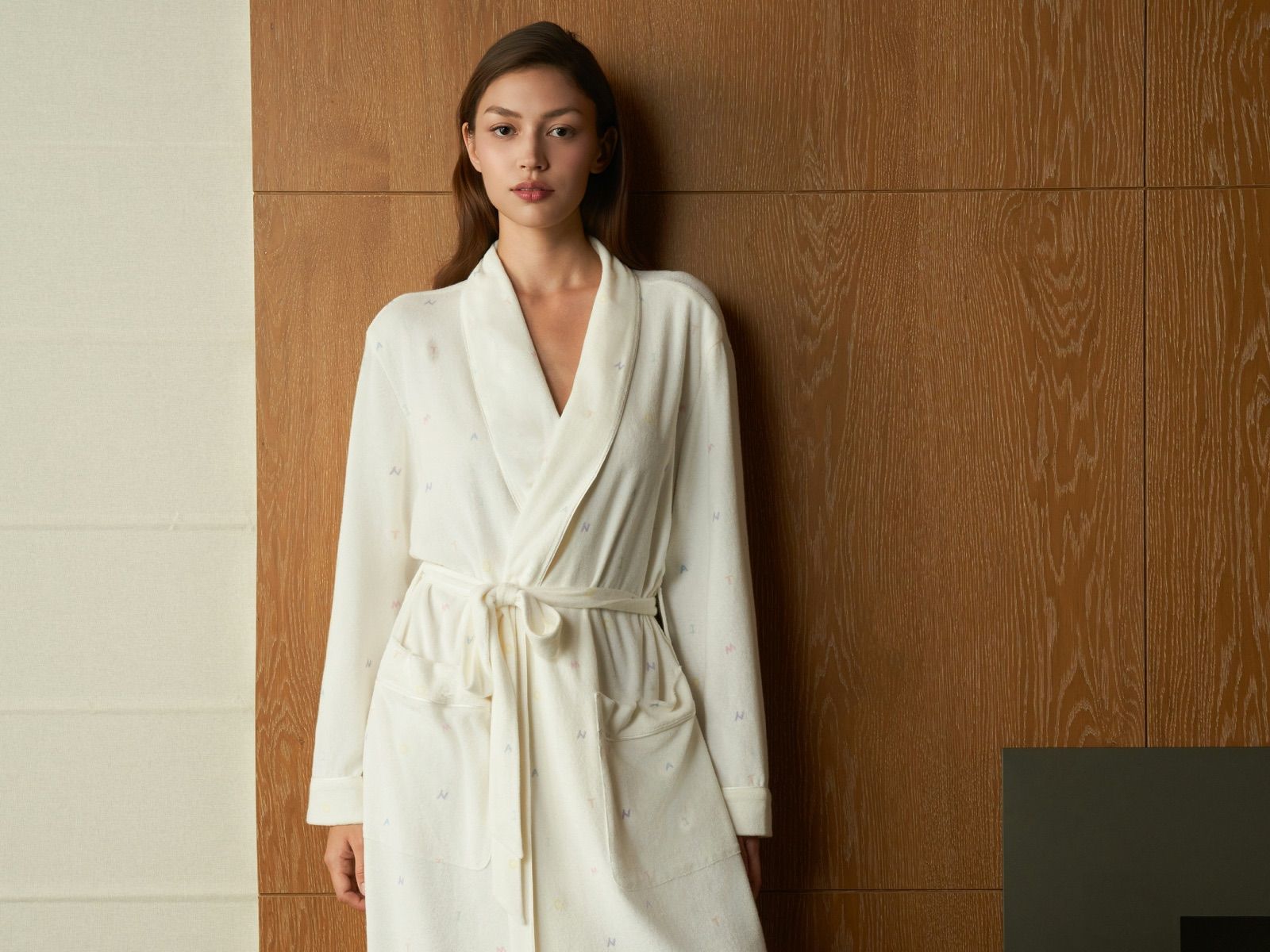
Robes sell for different reasons than pajamas
A pajama set is bought for the buyer’s own comfort. A robe is very often bought as a gift, as bridal-party wear, or for a hotel or spa. That changes what the product has to do: it has to look good in packaging, it has to accommodate personalisation, and it frequently ships in multi-unit sets rather than as single retail units.
If your robe programme is gift-led, packaging and embroidery are not afterthoughts — they are half the product.
Personalisation is an operations question
Monogrammed robes are commercially attractive and operationally different from a standard order. Each unit carries unique artwork, which means:
- Names must arrive in a clean, verified list — misspellings are unrecoverable once stitched
- Embroidery placement is fixed and approved before any units are stitched
- Units cannot be substituted between orders, so the QC failure cost per unit is higher
- Packing has to keep each unit matched to its name
We will ask for a signed-off name list and an approved stitch-out before starting. That is not bureaucracy; it is the only way personalisation does not turn into rework.
Fabric changes the entire product
- Satin — the gifting default. Photographs beautifully, drapes, and demands careful seam work because pucker shows on every long straight edge.
- Waffle — light, textured, quick-drying, and the expected fabric for spa and hospitality use.
- Flannel and heavy cotton — the warm lounging robe. Substantial hem weight, and the most forgiving to construct.
- Modal terry and jersey — soft and heavy, good for a premium lounge robe, needs a well-controlled hem to avoid rippling.
What to settle before sampling
- Length, measured from the high point of the shoulder — “midi” means different things to different brands
- One-size or graded, and if graded, what changes across sizes
- Belt attachment: loops, in-seam, or free
- Whether the robe is sold standalone, matched to a set, or as a boxed gift
In Production
How this product is made
Reference photography for the production details discussed on this page. Request current factory evidence for your specific program during quotation.
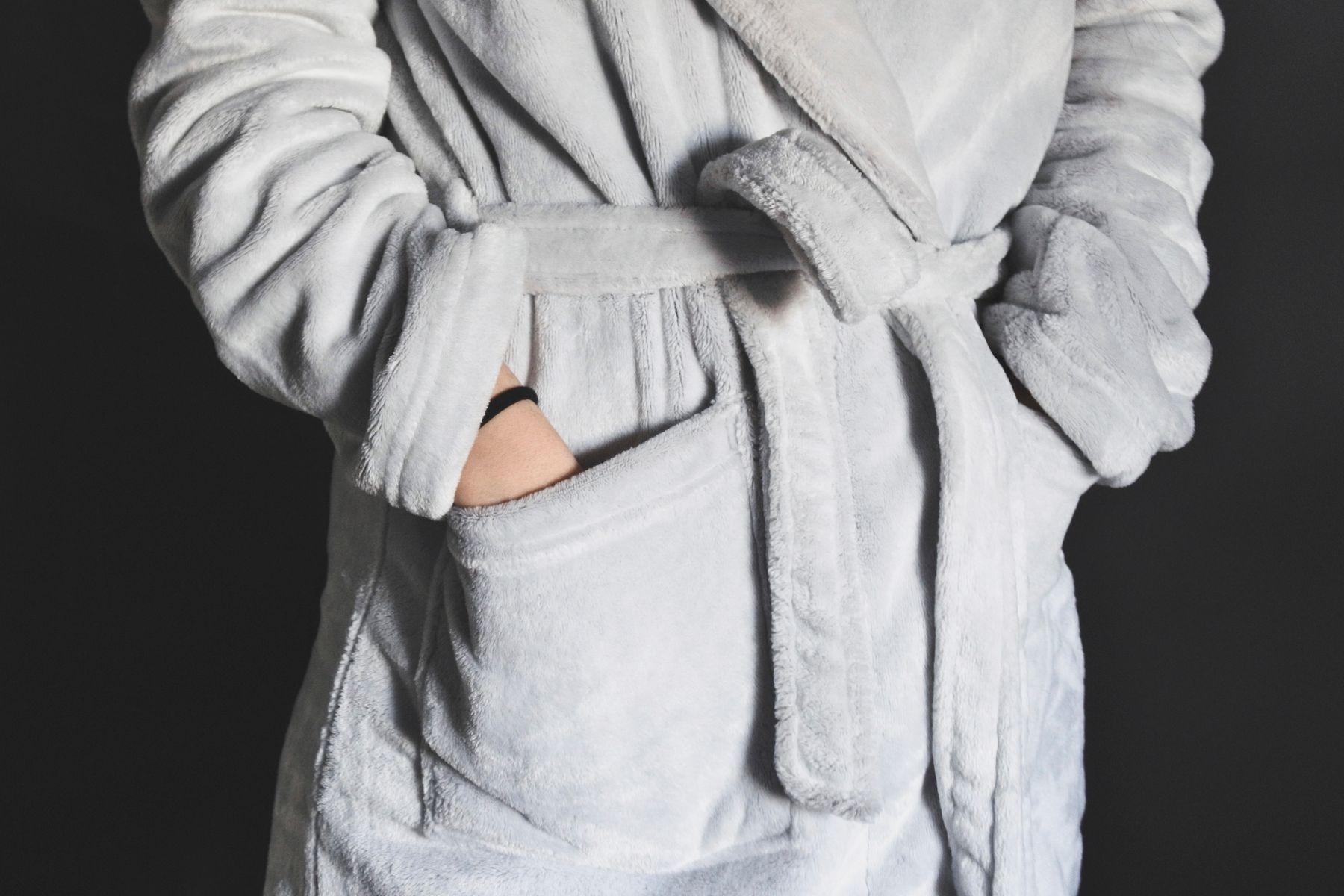
Belt and pocket construction 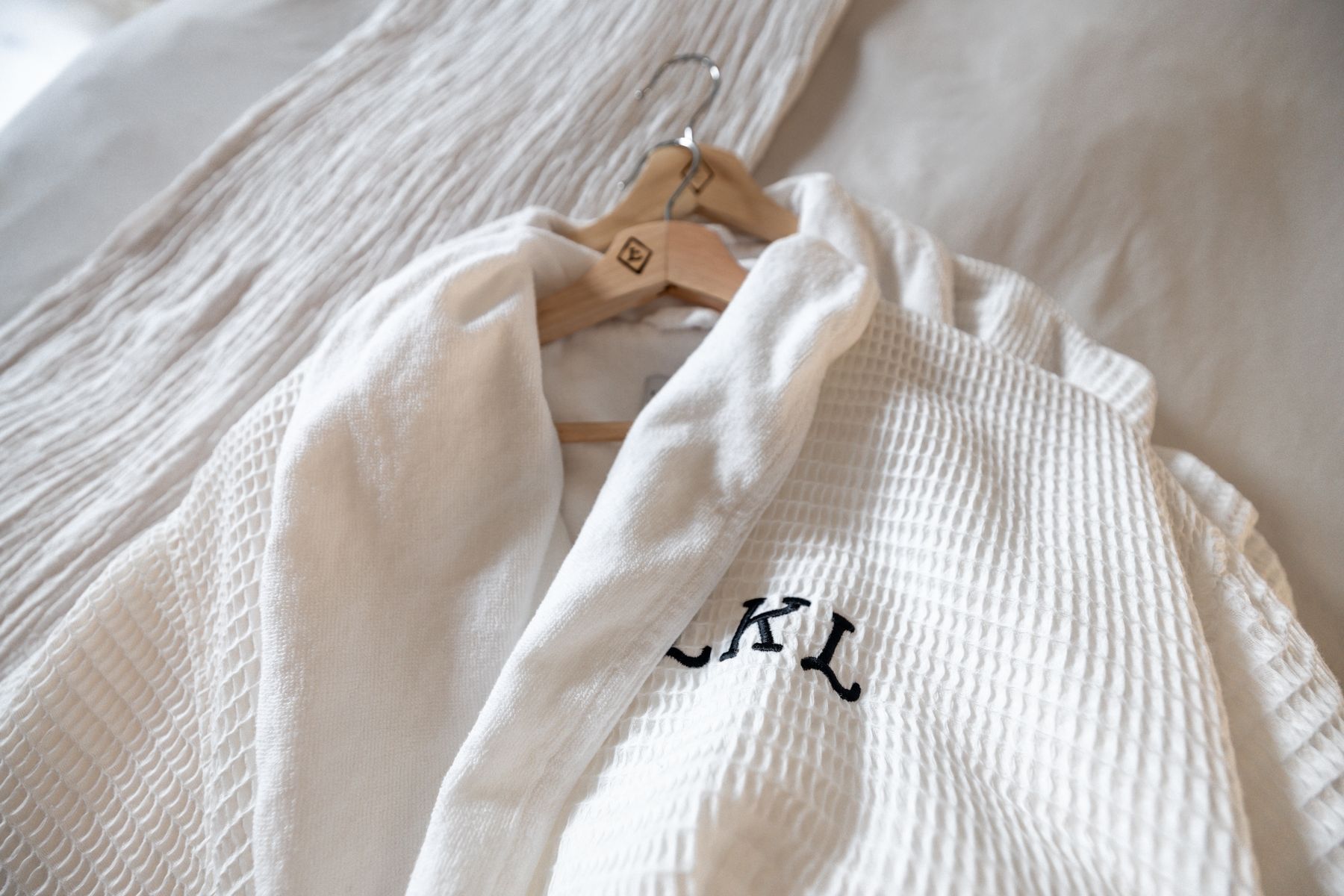
Waffle and towelling, with monogramming 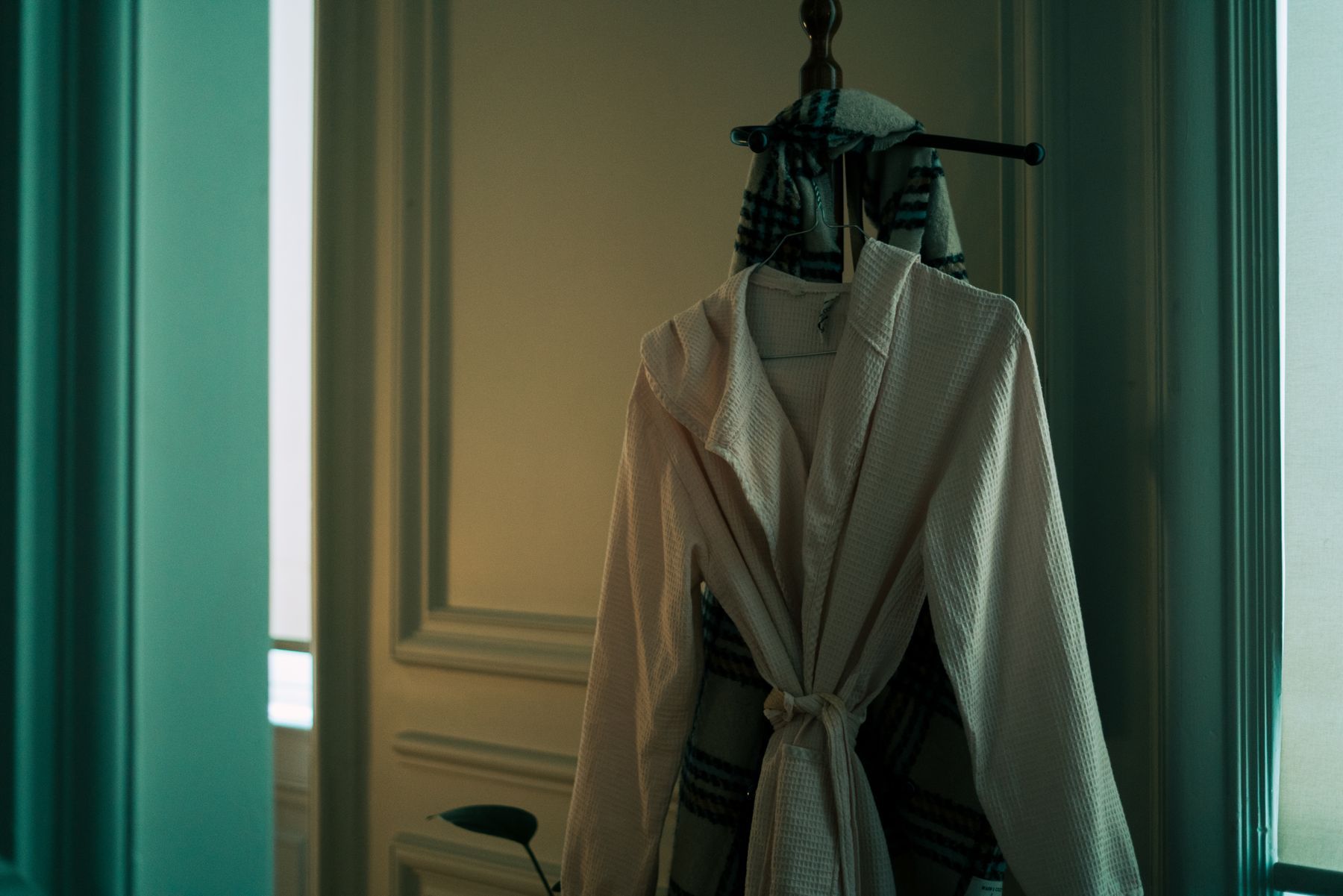
Hotel and gift programmes
Available Styles
Robes we develop
Kimono robes
Straight cut, wide sleeve, self-tie belt. Usually satin or lightweight viscose. The gifting workhorse.
Shawl-collar robes
Rolled collar running the full length of the front. The most construction-heavy robe and the most premium-reading.
Waffle robes
Textured cotton weave, light and quick-drying. The standard for spa and hospitality use.
Belted midi robes
Shorter length with a defined waist, often matched to a pajama set as a three-piece.
Bridal and gift robes
Satin kimonos with embroidery or monogramming, sold in presentation packaging, frequently in multi-unit sets.
Construction
Details worth specifying
Confirm these on the sample. Each one changes how the finished garment reads.
- Collar type — shawl, kimono band or notch — which drives most of the cost difference
- Belt width, length and whether belt loops are included
- Pocket construction: patch, welt or in-seam
- Cuff finish, particularly on wide kimono sleeves
- Hem weight and finish, which determines how the robe hangs
Related Fabrics
Fabric options for robes
Fabric decides how the product feels, drapes and survives washing. Compare the realistic options before sampling.
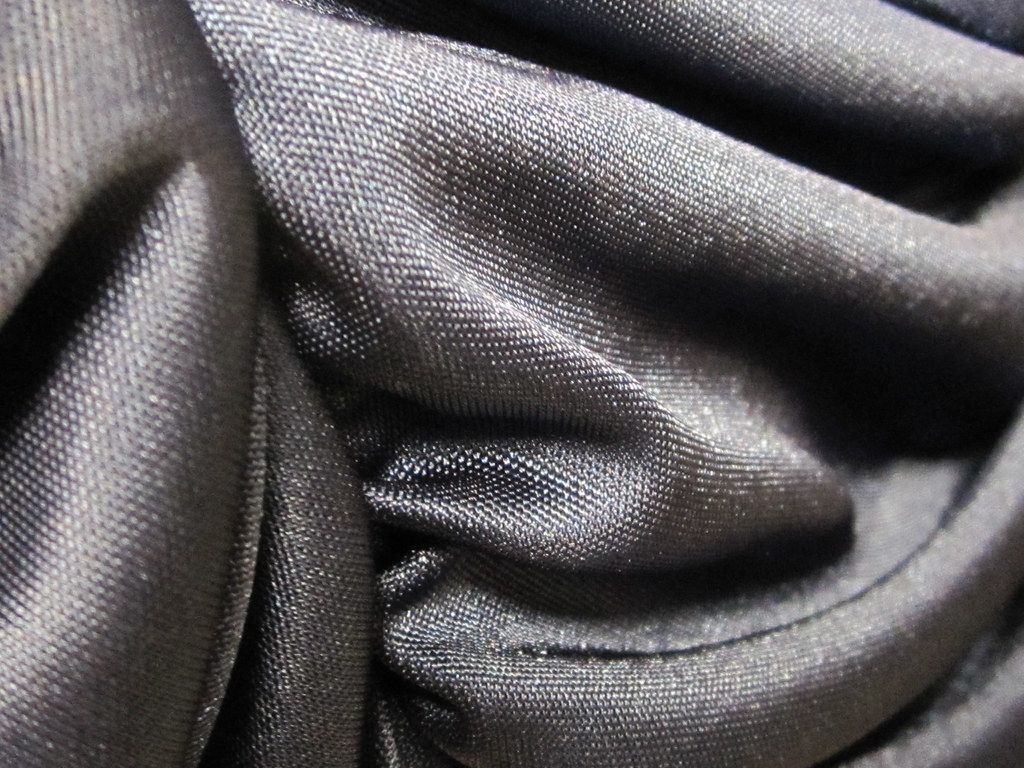
Satin
Lustrous weave for premium and gift-led sleepwear — beautiful, and the least forgiving to sew.
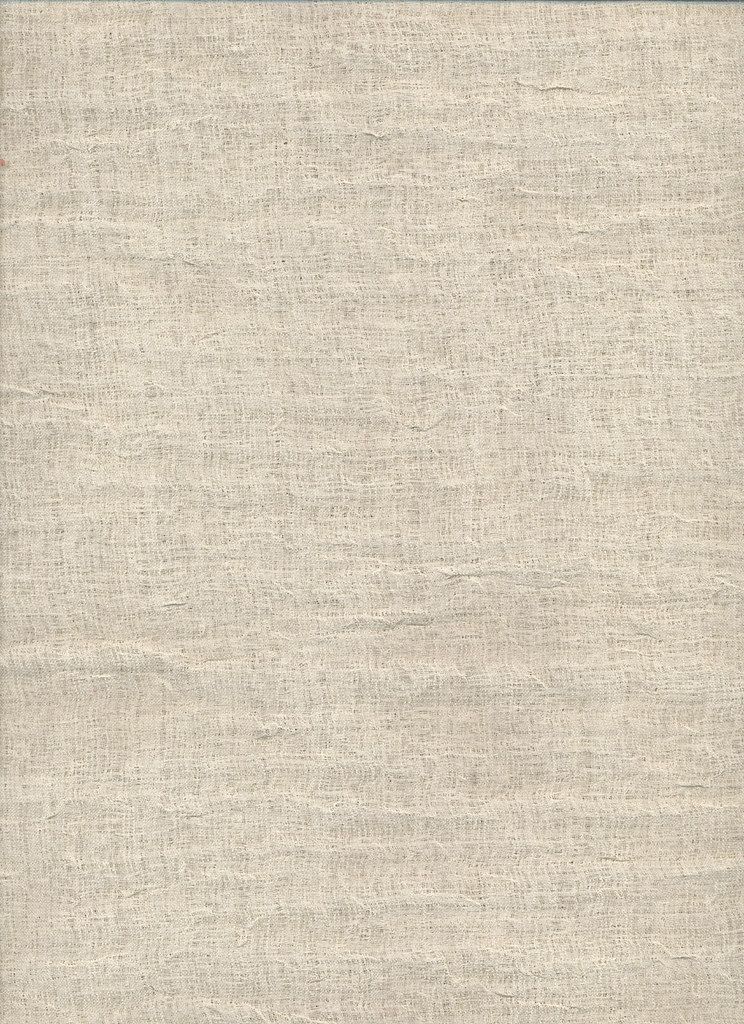
Cotton
The sleepwear default — breathable, easy to print, easy for customers to care for.
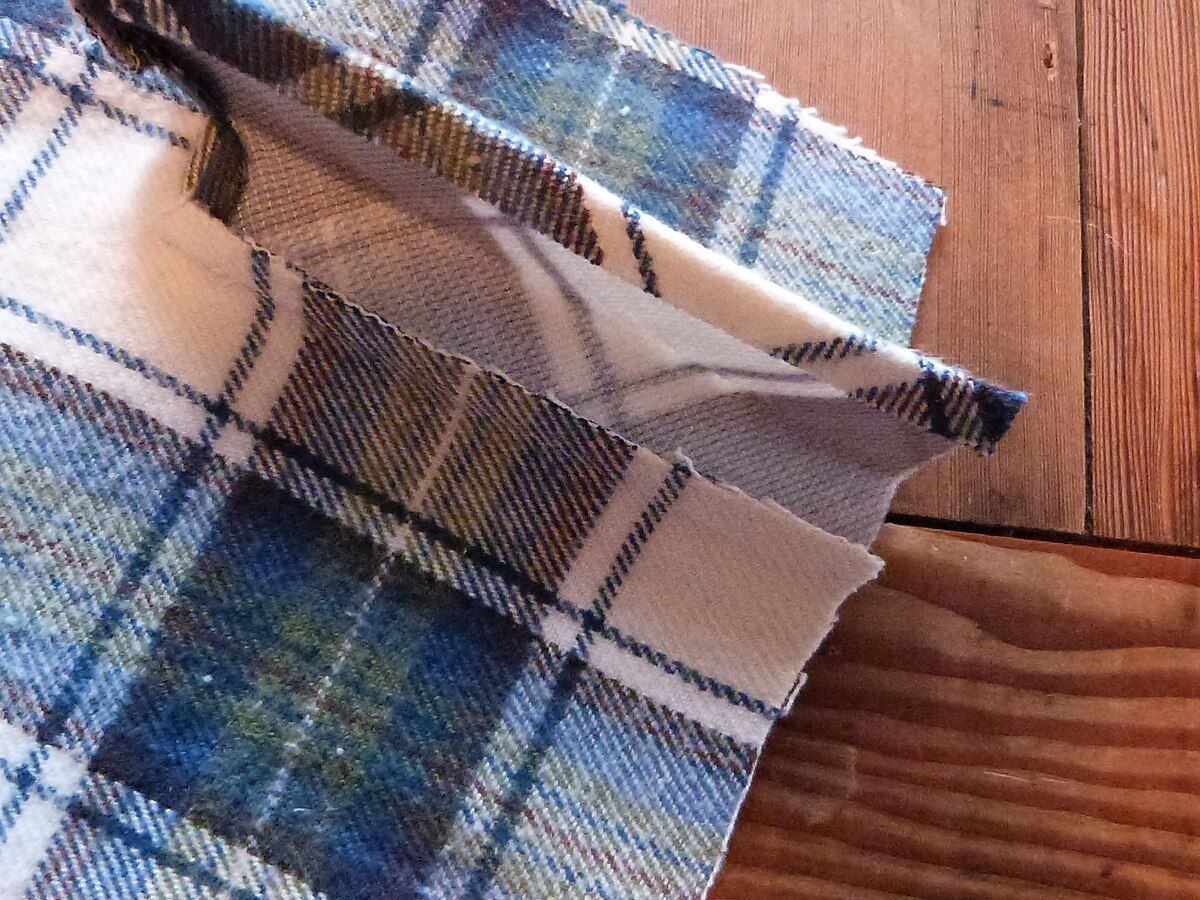
Flannel
Brushed warmth for winter sets — where brushing quality decides everything.
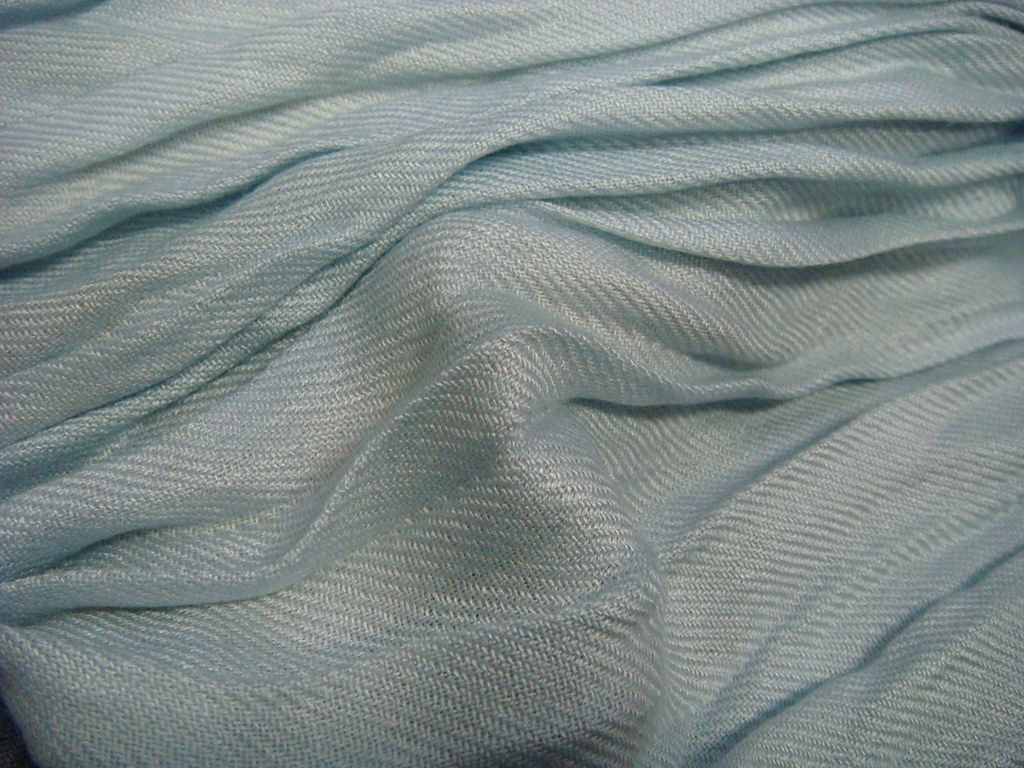
Modal
Silky cellulosic knit with fluid drape and deep colour — the premium-feel comfort option.
Customization
What you can change
- Embroidery and monogramming, including per-unit personalised names
- Custom fabric, colour and print
- Contrast piping and binding
- Custom lengths and sizing, including one-size and graded options
- Belt and loop configuration
Private Label
Retail-ready under your brand
- Woven main label at the neck or inside the collar
- Care and size labels to your placement spec
- Hang tags and gift-set inserts
- Boxed, ribbon-tied or bagged presentation packaging
Sampling
From brief to sealed sample
- Robe samples are judged on drape and hang, so a full-length sample is essential
- Embroidery is approved as a separate stitch-out before it goes on the garment
- Belt and collar construction confirmed on the first sample
- Washed sample checked for hem behaviour and belt shrinkage
- Approved sample sealed for bulk reference
Quality Control
What gets checked
- Embroidery placement and stitch quality checks on every unit where personalised
- Collar roll and belt symmetry checks in line
- Length and sleeve measurement checks against the size chart
- Packaging and insert checks for gift-set orders
Minimum Order Quantity
MOQ depends on the style, fabric and customization involved — a stock-fabric knit set and a custom-dyed woven set are not the same commitment. We quote it per project rather than publishing one number that would be wrong for most enquiries.
Manufacturing Process
How a robes order runs
The stages your order passes through, in order. Each one has its own page.
01
Printing & Embroidery
Printing and embroidery for sleepwear: fabric printing, placement prints, embroidery and monogramming, with strike-offs and stitch-outs approved before bulk.
Learn more →
02
Private Label Pajamas
Private label pajama manufacturing: sleepwear produced under your own brand, from sampling through retail-ready finishing, with the patterns and specs kept for repeat orders.
Learn more →
03
Labels & Packaging
Custom pajama labels and packaging: woven main labels, size and care labels, hang tags, polybags and gift boxes for private label sleepwear.
Learn more →
04
Sample Development
Pajama sample development from tech pack or reference garment: pattern making, fabric swatches, fit samples, revision rounds and a sealed production standard.
Learn more →
FAQ
Robes — common questions
What is your pajama MOQ?
MOQ starts from 100 pcs per design in stock fabrics (cotton, modal, satin, jersey, flannel, viscose). Custom-dyed, custom-printed or custom-woven fabrics raise the minimum because the mill minimum applies; we confirm the exact figure for your style in the quotation.
How much does a pajama sample cost?
Sample cost depends on the style, fabric and customization (printing, embroidery, special trims). We confirm the exact sample fee per project before sampling starts — share your design through the quote form for a precise figure.
How long does sampling take?
A first sample usually takes about 7–10 days once the design is confirmed. Complex styles, sourced fabrics and extra revision rounds add time; we confirm the sampling timeline with each sample order and keep you updated through development.
Can I use my own pajama design?
Yes. Send a tech pack, reference sample or reference photos and we handle pattern development, grading and sampling to your design. Your designs stay confidential to your project.
Will my fit sample be washed before I approve it?
Yes — we launder fit samples before sending them. Cotton shrinks, knits relax and viscose can distort, so a sample approved unwashed is not the garment your customer receives. Approving fit on a washed sample removes the most common cause of bulk fit complaints.
Can you source custom fabrics?
Yes. Beyond stock cotton, modal, satin, jersey, flannel and viscose options, we source custom blends, custom-dyed colors and custom prints. Custom-developed fabrics carry higher minimums, which we confirm during quoting.
Can you match Pantone colors?
Yes. For custom-dyed fabrics we produce lab dips against your Pantone reference for approval before bulk dyeing, so the production color matches the approved standard.
Can you make custom labels and packaging?
Yes — woven or printed main labels, size and care labels, hang tags, polybags and custom boxes, produced to your artwork and confirmed together with your pajama sample.
Who owns the pattern developed for my product?
Ask us and we will put it in writing before development starts. Pattern ownership is a commercial term rather than a fixed rule, and it is better agreed at the outset than assumed. Your designs, tech packs and reference materials stay confidential to your project either way.
Ready to develop your robes?
Send your tech pack, reference garment or product requirements — we will come back with a manufacturing plan and quotation.
Related Reading
Guides on this topic
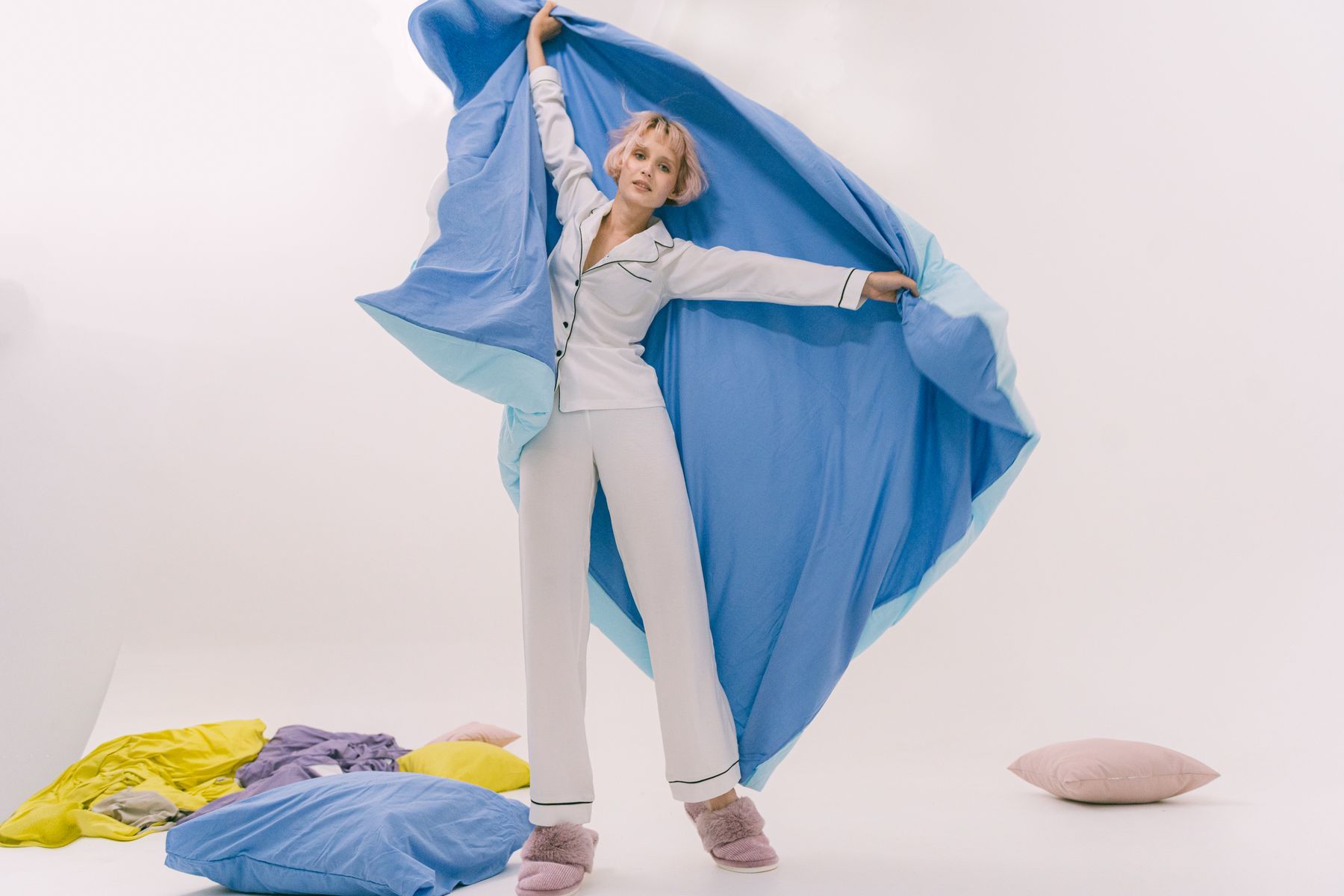
Starting a Pajama Brand
How to Start a Pajama Brand
What actually happens between having an idea for a sleepwear brand and receiving your first bulk order — the decisions, the sequence, and where new brands lose time.
Private Label
Woven vs Printed Labels for Sleepwear
Woven, printed and heat-transfer labels compared on feel, durability, artwork limits and cost — plus why sleepwear has different label rules than the rest of apparel.
Buyer Guides
Pajama MOQ Explained
Why sleepwear factories have minimum order quantities, what actually sets the number, the difference between style and colourway minimums, and how to launch on a small first order.