Starting a Pajama Brand
How to Start a Pajama Brand
What actually happens between having an idea for a sleepwear brand and receiving your first bulk order — the decisions, the sequence, and where new brands lose time.
By PajamaWorks Team, Sleepwear production team, Dongguan Hualingniao Apparel ·
Most guides to starting a sleepwear brand are written from the marketing side. This one is written from the factory side: what a manufacturer needs from you, in what order, and which decisions cost the most when they are made late.
Nothing here is specific to working with us. It applies to any sleepwear production partner.
Decide what the product actually is
Before anything else, you need a one-sentence answer to: what is the product, in what fabric, at roughly what price position?
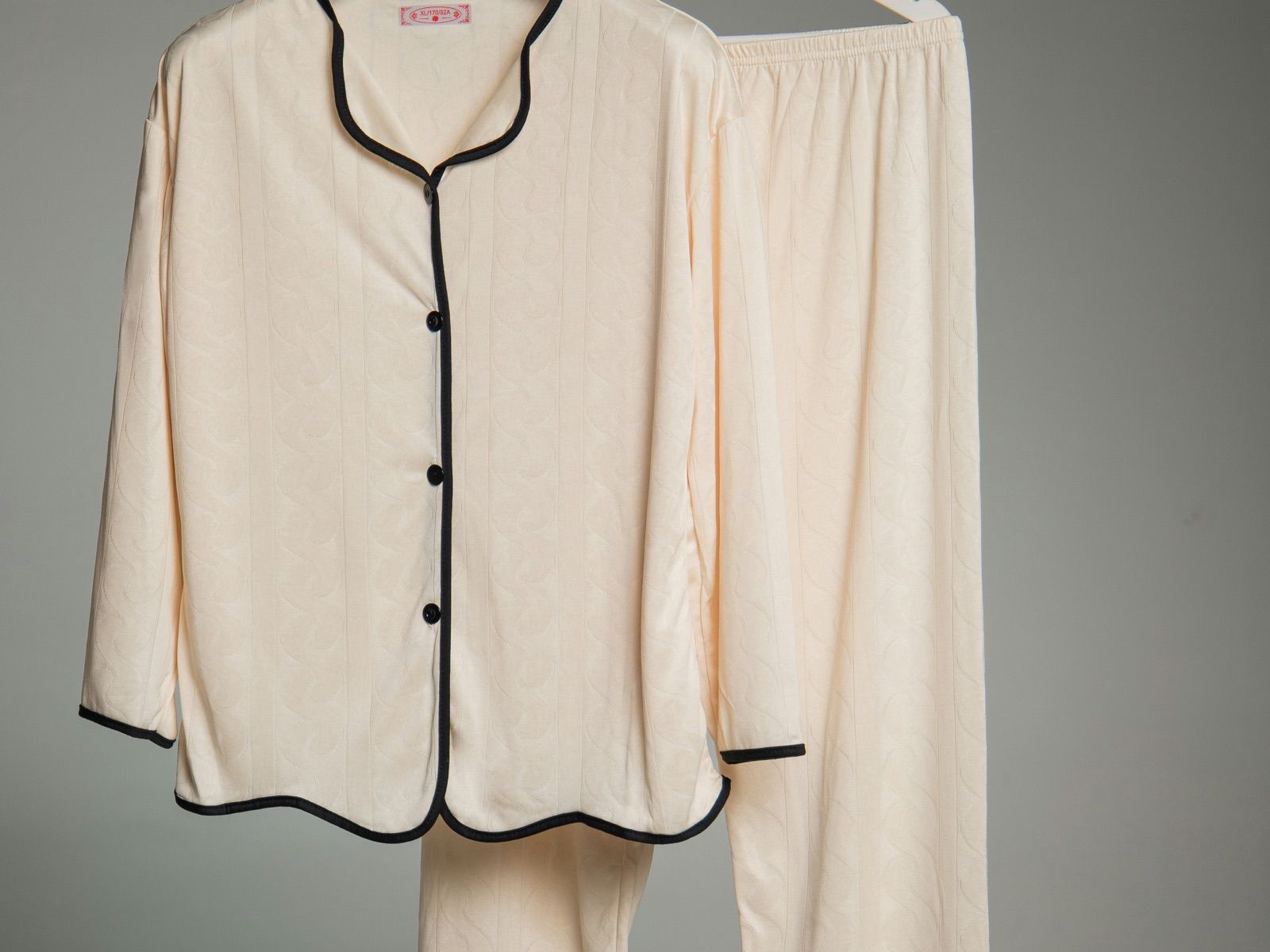
“Comfortable pajamas for women” is not enough to start development. “A button-up two-piece set in modal jersey, positioned above high-street but below luxury” is. The second version tells a manufacturer what to source, what construction to propose and which trims are appropriate.
If you cannot answer it yet, the fastest way to get there is to buy three or four garments you admire and identify what you like about each one. A reference garment communicates more accurately than a mood board.
Understand the two ways to develop a product
There are only two real starting points.
From a reference garment. You send a physical product you want something similar to. The factory measures it, patterns from it, and proposes fabric. This is faster, cheaper and lower-risk — and it is how most first collections actually begin.
From a tech pack. You supply technical drawings, measurements, construction callouts, fabric specification and trim details. This gives you exact control and requires you to already know what you want.
Neither is more professional than the other. A clear reference garment beats a vague tech pack every time.
Choose fabric before you finalise the pattern
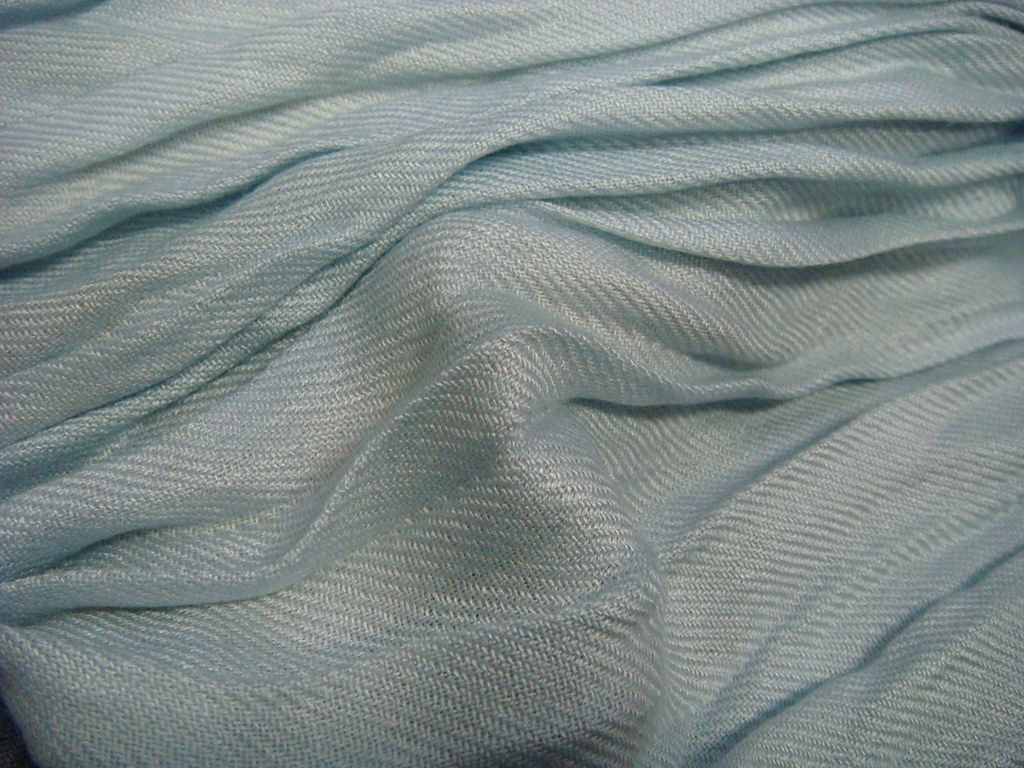
New brands often lock a design and then look for fabric. That order causes rework, because the same pattern behaves differently in different fabrics — a woven cotton holds the shape you cut, while a modal or viscose falls onto the body and reveals it.
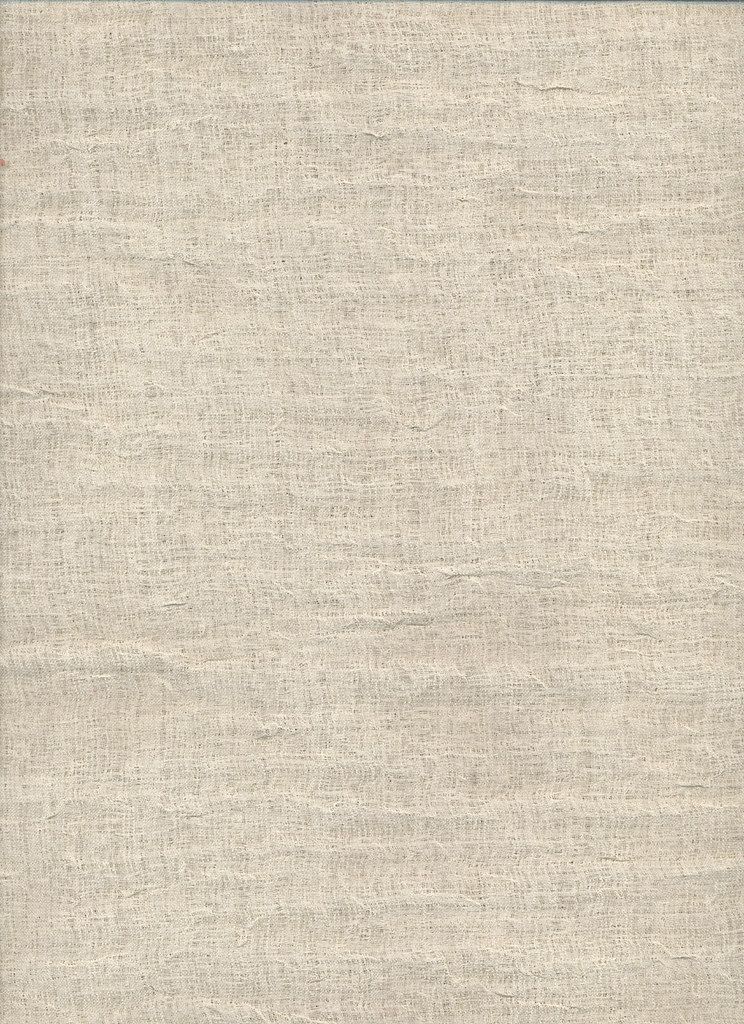
Narrow to two or three candidates, get physical swatches, and handle them. Photos do not transmit hand feel, weight or opacity, which are exactly the properties that decide whether a sleepwear product feels right.
Budget for sampling, and expect more than one round
A first sample is almost never the final product, and this is normal rather than a sign that something went wrong. Typical sequence:
- Fabric swatches approved
- First sample — confirms construction, fit and trims
- Fit comments returned with measurements, not adjectives
- Second sample — usually the approval candidate
- Size set if a new size chart is being introduced
- Sealed sample kept as the bulk reference
Two to three rounds is a reasonable planning assumption. The way to keep it at two is to give measurement-based comments (“lengthen sleeve 2 cm”, not “sleeve feels short”) and to change one variable at a time.
Always approve fit on a washed sample
This is the single most valuable habit a new brand can adopt. Cotton shrinks, knits relax and shorten, viscose can distort. A sample that fits perfectly fresh off the machine may be a different garment after three washes — and your customer only ever sees the washed version.
Ask for the sample to be laundered before you approve fit. It costs a few days and prevents the most common category of bulk complaint.
Sort out your size chart early
Your size chart is a commercial decision, not a technical detail. It determines returns, reviews and repurchase. Decide:
- Which market you are sizing for, since the same label means different bodies in different regions
- What your base size is
- What tolerances you accept
- Whether extended sizes are in the first order or a later one
If you have no chart, a manufacturer can propose one — but review it against your target customer rather than accepting it as a default.
Plan labels and packaging alongside the garment
Private label work is not a final step. Woven labels, care labels and hang tags have their own artwork approval and their own production time, and they need to be built into the sample so bulk matches what you approved.
Get moving early on:
- Woven main label artwork and placement
- Care and composition labelling required by your market — this is a legal requirement, not a design choice
- Hang tag design and attachment method
- Packaging: polybag, box, or presentation set
What to ask a potential manufacturer
Useful questions, in rough order of usefulness:
- What do you need from me to start — reference garment, tech pack, or both?
- What is the minimum order quantity for this product, in this fabric?
- How many sampling rounds are included, and what does an extra round cost?
- Will you send a washed sample for fit approval?
- What quality checks happen during production, and what do I receive as evidence?
- Who owns the pattern you develop?
A manufacturer that answers these specifically is telling you something useful. One that answers “we provide the best quality service” is telling you something too.
The realistic sequence
Define product & price position
        ↓
Reference garment or tech pack
        ↓
Fabric swatches approved
        ↓
First sample → fit comments → second sample
        ↓
Washed sample → fit approved → sample sealed
        ↓
Labels, care labels, packaging approved
        ↓
Bulk production with in-line checks
        ↓
Final inspection → shipment
The stages that most often stretch are fabric selection and sampling, and both stretch for the same reason: decisions made without a physical sample in hand. Get things into your hands early and the rest moves quickly.