Manufacturing
Pajama Fabric Sourcing
Fabric sourcing for pajama production: cotton, modal, satin, jersey, flannel and viscose, plus custom dyeing with lab dips and print strike-offs.
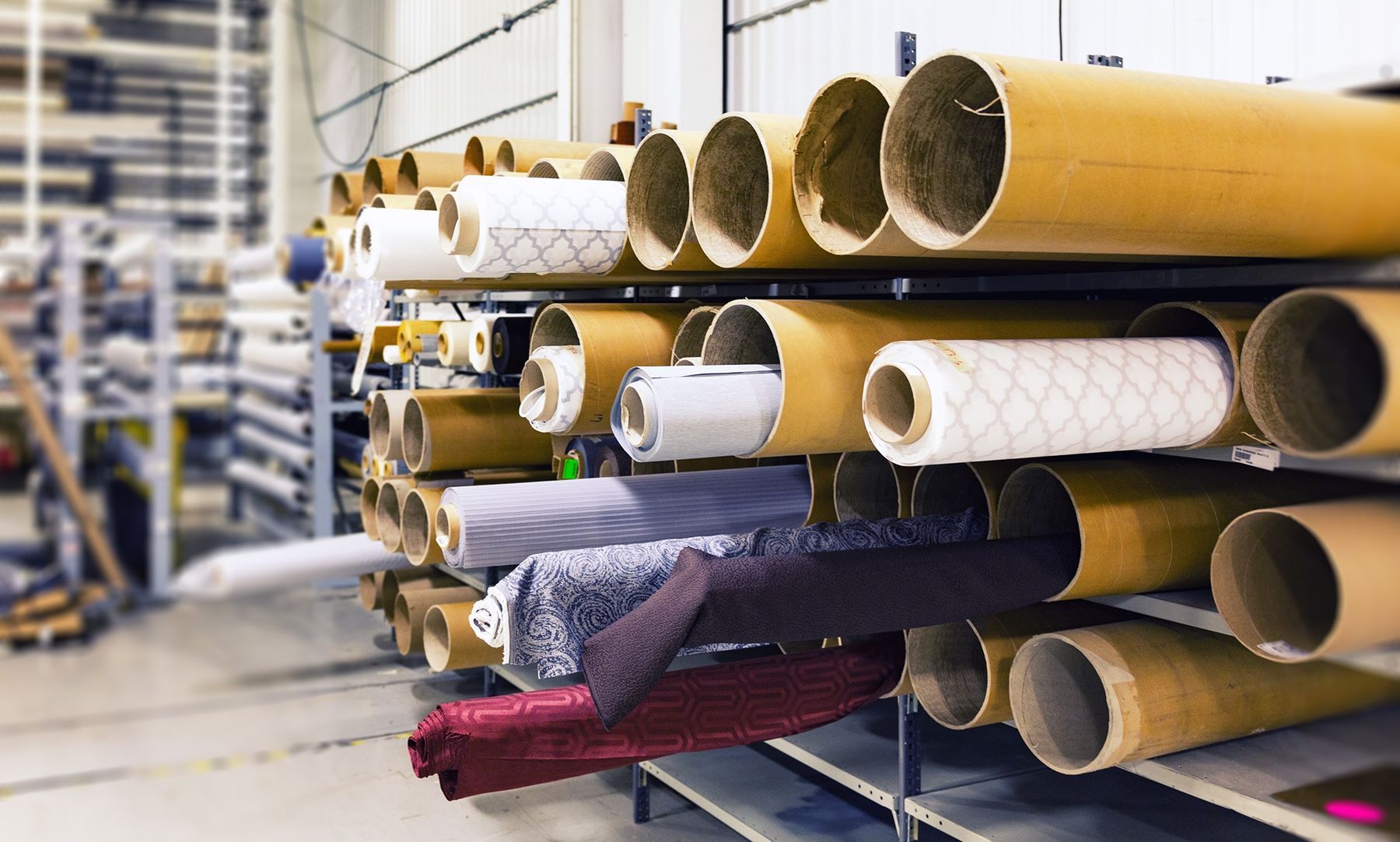
- Stock and custom-sourced sleepwear fabrics
- Lab dips for colour approval before bulk dyeing
- Print strike-offs on the actual fabric before bulk printing
The fabric decides how a pajama feels, how it drapes, how it prints and how it survives washing. It is also the decision most often made from a photograph, which is why it is the decision most often revisited.
We source sleepwear fabrics — cotton, modal, satin, jersey, flannel, viscose and blends of them — matched to the product you are building and the price you need to hit. The characteristics of each are covered in the fabric guide.
“Cotton” is not a fabric specification
Cotton poplin, cotton flannel and cotton jersey are one word on a brief and three different products in the hand. The same is true of modal, which can mean a modal-dominant knit or a blend with a small modal percentage — marketed identically, feeling nothing alike.
What can actually be sourced against is: fibre blend, construction, weight. Part of this service is turning a descriptive brief into that specification, and then confirming it in writing so the fabric in your second order matches the fabric in your first.
Lab dips and strike-offs
Two physical approvals sit between a colour idea and bulk fabric:
- A lab dip is a small piece of your actual fabric dyed in your target colour. Colours read differently on different fibres, so this is approved by eye against a physical reference, under consistent lighting.
- A strike-off is your artwork printed on your actual fabric. A print proof on paper, or on a different cloth, will mislead you — satin reflects, jersey stretches, cotton reads matte.
Both add days to development and remove the most expensive category of surprise.
Availability before sampling
We confirm that a fabric is obtainable in your bulk quantity before we sample in it. Developing a beautiful sample in a fabric that cannot be bought at volume is a wasted round, and it happens more often than it should.
When Buyers Need This
Situations this service answers
If none of these describe your project, this probably is not the step you need — tell us what you are actually trying to solve.
- You know the product you want but not the fabric that delivers it
- You need a specific colour matched across a coordinated range
- Your artwork needs to be printed and you need to see it on the real fabric first
- An existing fabric has become unavailable and needs an equivalent
Our Process
How this step runs
- 01
Requirement translated into a fabric brief
We turn "soft, drapey, mid-price" into a shortlist with defined blend, construction and weight — the properties that can actually be sourced against.
- 02
Swatches sent physically
You receive candidate swatches to handle. Opacity, weight and hand feel do not survive a photograph.
- 03
Lab dips for custom colour
Small dyed samples of the actual fabric in your target colour, approved physically before any bulk dyeing starts.
- 04
Strike-offs for print
Your artwork printed on the actual fabric, in the actual colourway, so registration and colour are approved on the real substrate.
- 05
Availability and quantity confirmed
Before sampling proceeds we confirm the fabric can be supplied in your bulk quantity — sampling in a fabric that cannot be bought at volume wastes a round.
- 06
Inspection on arrival
Bulk fabric is inspected for weight, width, shade consistency and visible faults before it reaches the cutting table.
What We Need From You
Inputs required
The faster these arrive, the fewer rounds development takes.
- Target hand feel, drape and price position
- Colour references — Pantone numbers or a physical swatch
- Print artwork at production resolution, with repeat information
- Approximate bulk quantity, since it affects what can be sourced
- Any fibre composition requirements for your market
Options
Choices available
- Stock fabrics for shorter development
- Custom-dyed fabric in your colour
- Custom-printed fabric from your artwork
- Yarn-dyed checks and stripes developed for woven sets
- Blend and GSM adjusted to hit a price or hand-feel target
Limitations
What this cannot do
Constraints stated up front are cheaper for both of us than constraints discovered in production.
- Colour matching is approved against a physical lab dip, not a screen — some Pantone references cannot be hit exactly on every fibre
- Custom dyeing and printing carry their own minimum quantities, usually higher than the garment minimum
- Natural fibres vary between lots; shade banding is managed, not eliminated
- We will say when a requested fabric is not suitable for the construction rather than sourcing it anyway
Quality
How it gets verified
- Fabric inspected for weight, width and visible faults before cutting
- Shade consistency checked across rolls, and cutting planned to keep a garment within one shade
- Shrinkage verified on a washed sample before the pattern is finalised
- Bulk fabric compared against the approved swatch, not against a description
In Production
What this looks like
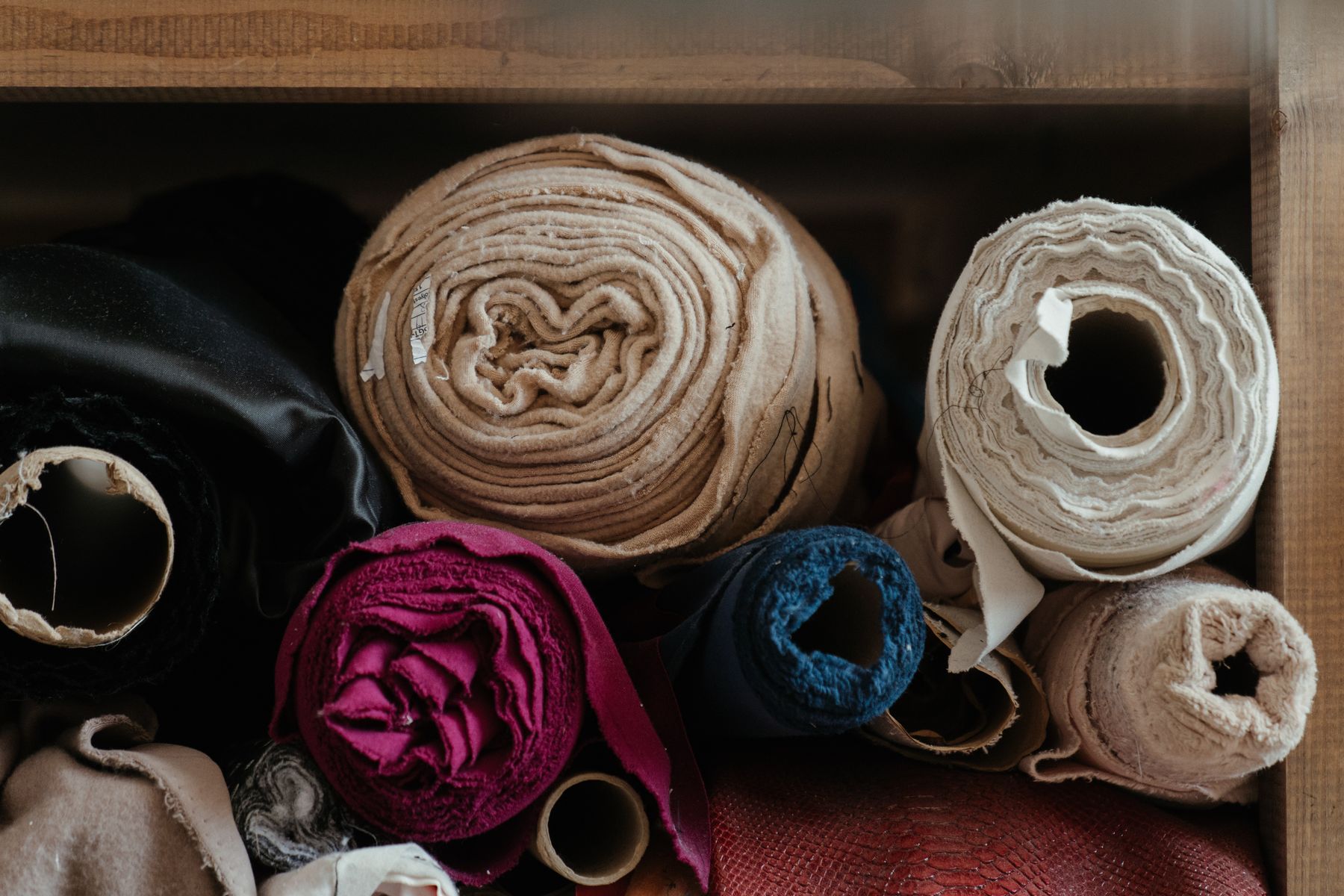
Stock fabric held on the roll 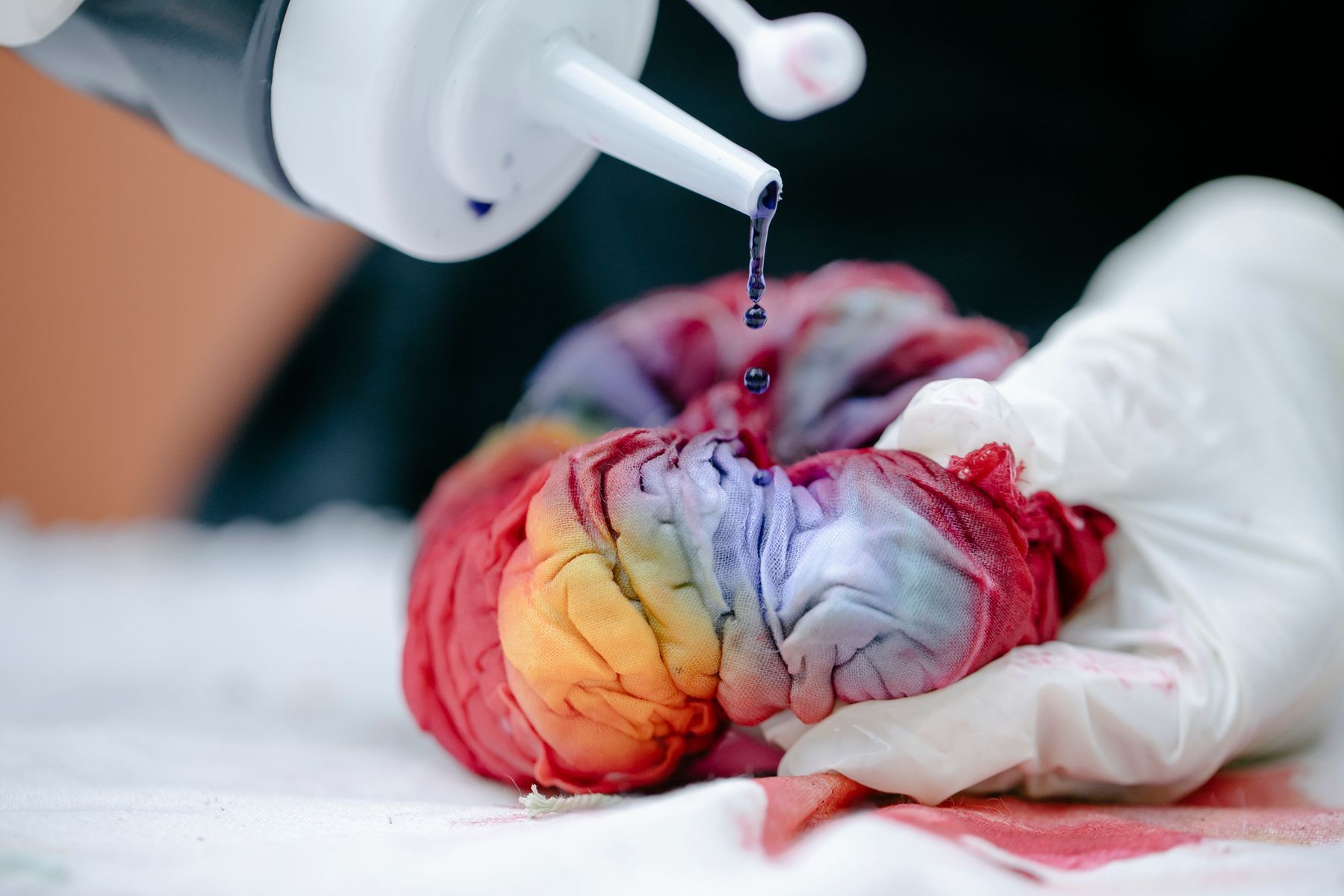
Colour approved before bulk dyeing 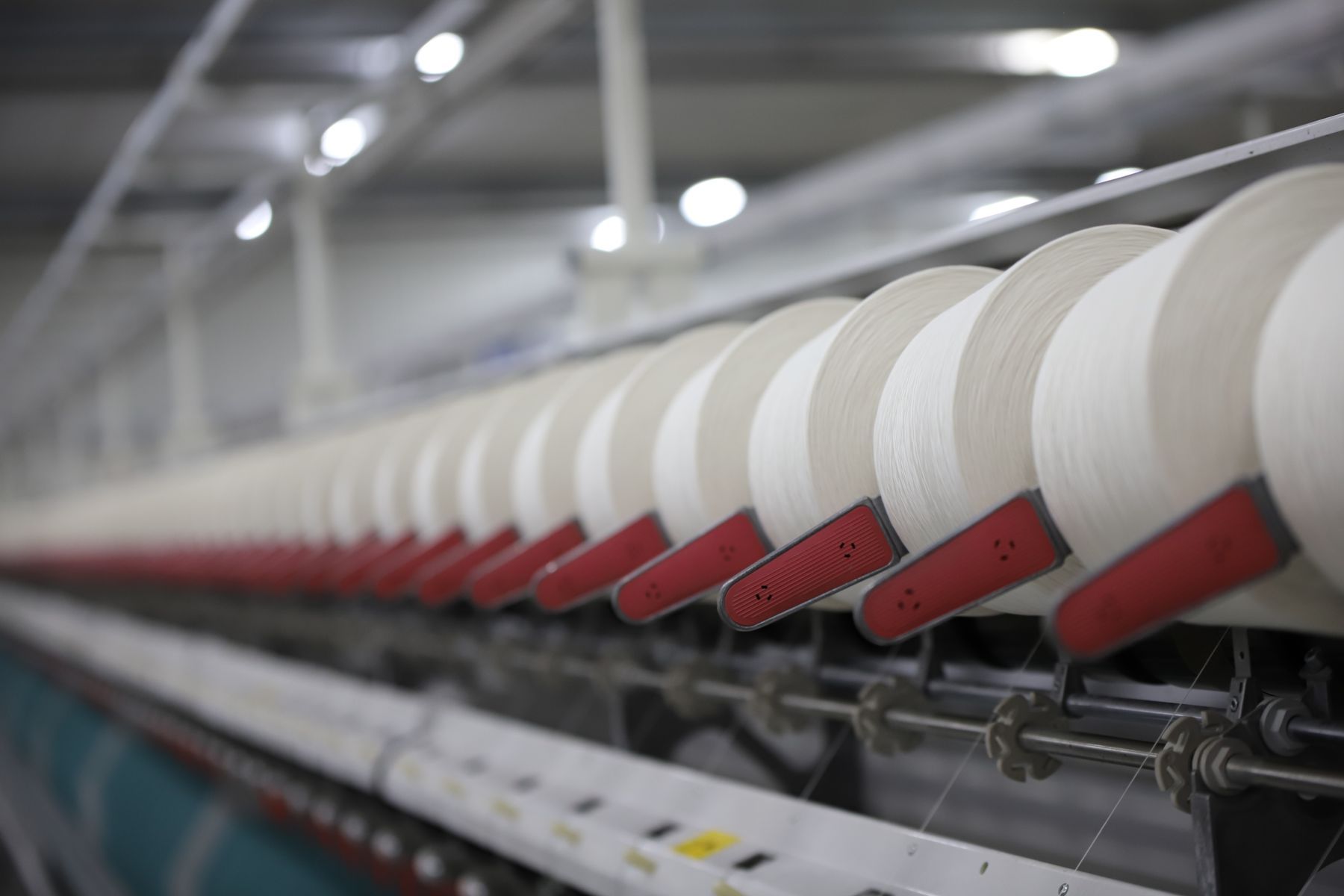
Knitting to your specification
Step 4 of 10
Where this sits in production
Every order runs through the same sequence. Each step has its own page, its own approval, and its own way of going wrong.
- 01Private Label Pajamas
- 02OEM / ODM Pajama Manufacturing
- 03Sample Development
- 04Fabric Sourcing
- 05Pattern Making & Fit
- 06Size Grading
- 07Printing & Embroidery
- 08Labels & Packaging
- 09Bulk Production
- 10Quality Control
← Before this
Sample Development
Pajama sample development from tech pack or reference garment: pattern making, fabric swatches, fit samples, revision rounds and a sealed production standard.
After this →
Pattern Making & Fit
Pajama pattern development: patterns built from your size chart, block or reference garment, then revised against measured fit comments before bulk.
Related Pajamas
Products this applies to
FAQ
Fabric Sourcing — common questions
How much does a pajama sample cost?
Sample cost depends on the style, fabric and customization (printing, embroidery, special trims). We confirm the exact sample fee per project before sampling starts — share your design through the quote form for a precise figure.
How long does sampling take?
A first sample usually takes about 7–10 days once the design is confirmed. Complex styles, sourced fabrics and extra revision rounds add time; we confirm the sampling timeline with each sample order and keep you updated through development.
Can I use my own pajama design?
Yes. Send a tech pack, reference sample or reference photos and we handle pattern development, grading and sampling to your design. Your designs stay confidential to your project.
Will my fit sample be washed before I approve it?
Yes — we launder fit samples before sending them. Cotton shrinks, knits relax and viscose can distort, so a sample approved unwashed is not the garment your customer receives. Approving fit on a washed sample removes the most common cause of bulk fit complaints.
Can you source custom fabrics?
Yes. Beyond stock cotton, modal, satin, jersey, flannel and viscose options, we source custom blends, custom-dyed colors and custom prints. Custom-developed fabrics carry higher minimums, which we confirm during quoting.
Can you match Pantone colors?
Yes. For custom-dyed fabrics we produce lab dips against your Pantone reference for approval before bulk dyeing, so the production color matches the approved standard.
Need fabric sourcing for your project?
Send your product requirements and we will come back with a plan for this step and a quotation for the whole order.
Related Reading
Guides on this topic
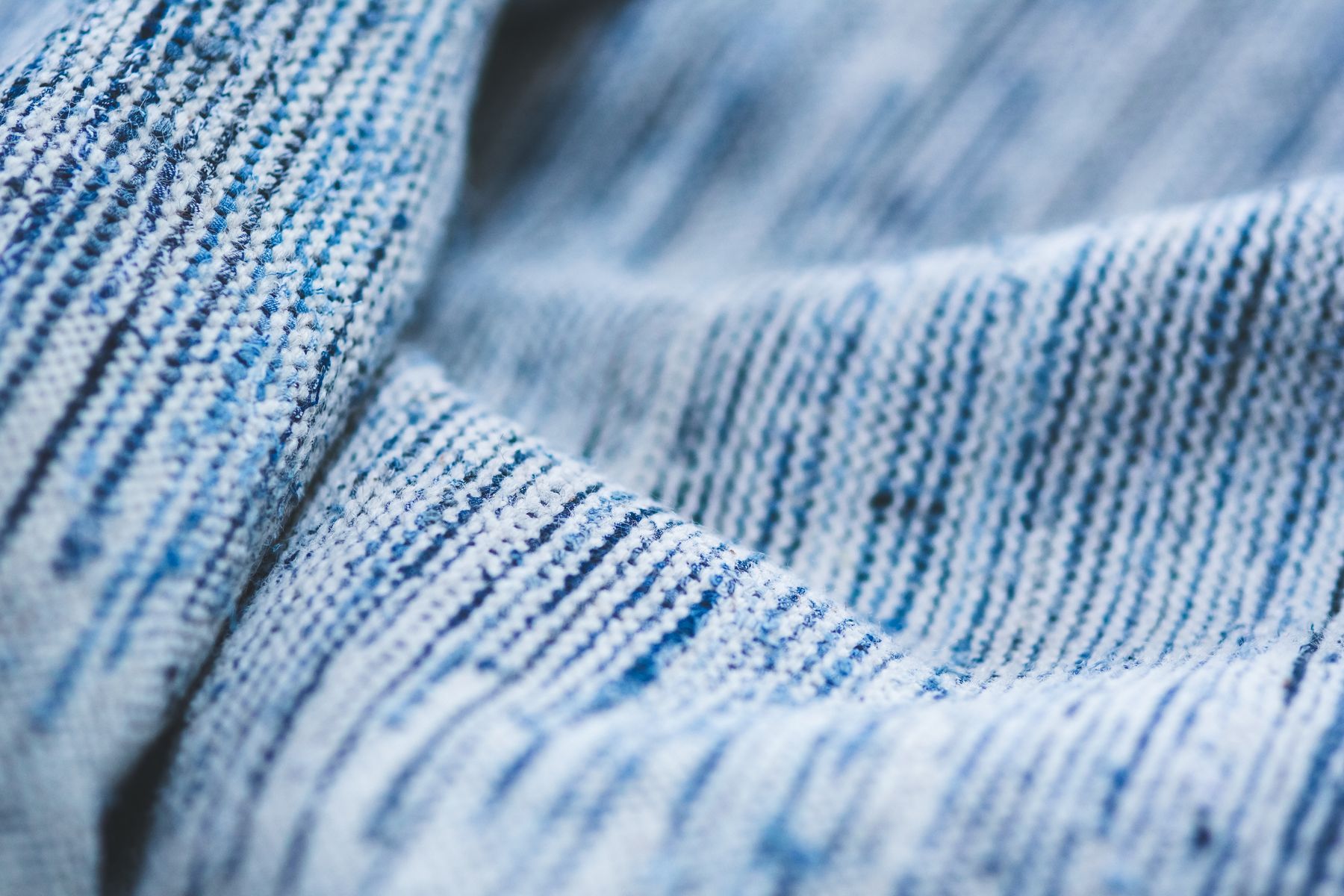
Fabrics
Cotton vs Modal Pajamas — Which Fabric for Which Style
A practical comparison of cotton and modal for sleepwear: hand feel, drape, shrinkage, printing, cost and which pajama styles each fabric actually suits.
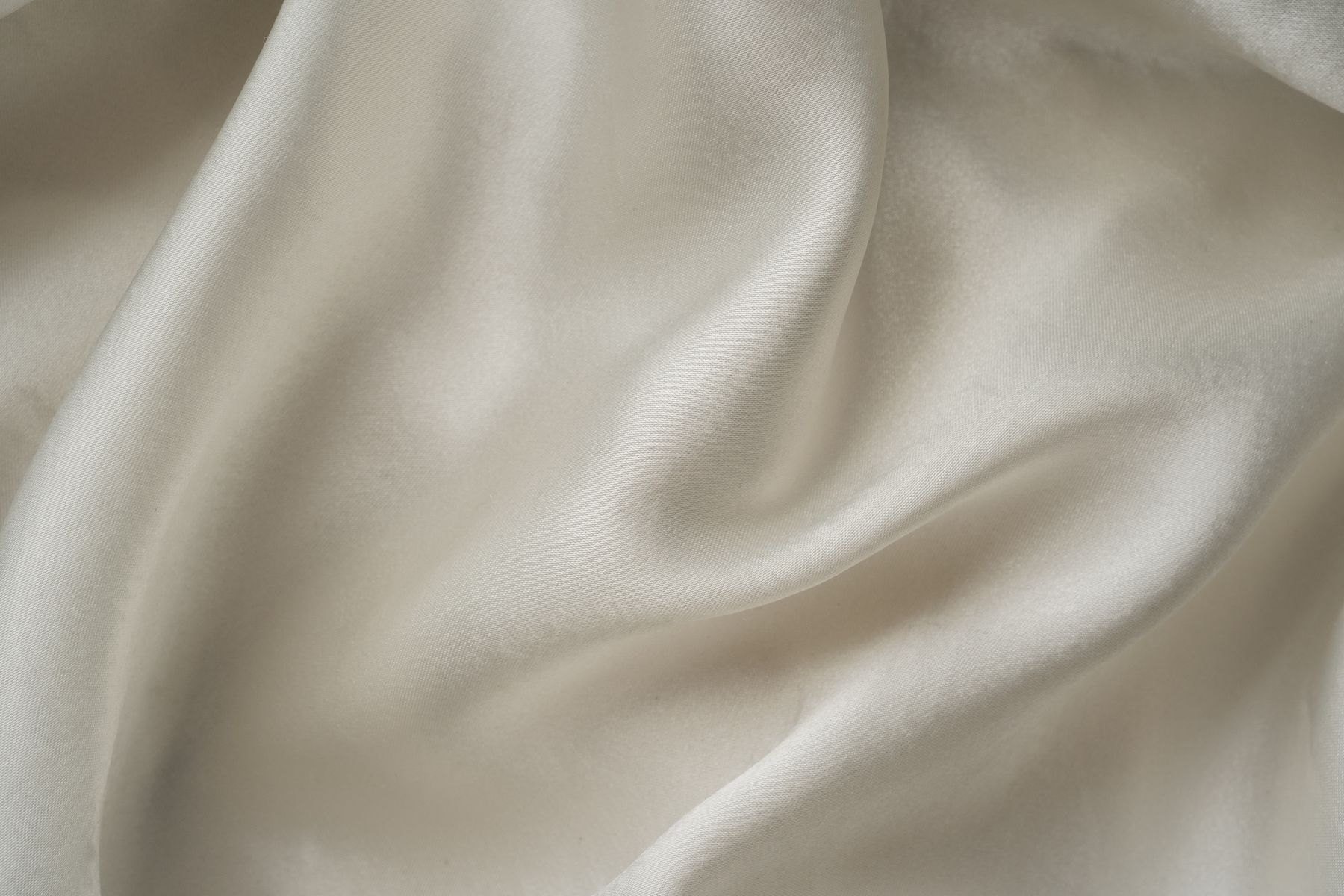
Fabrics
Modal vs Viscose for Pajamas
Modal and viscose are close relatives that behave differently in production. How they compare on strength, shrinkage, colour, printing and cost, and which sleepwear styles each one suits.
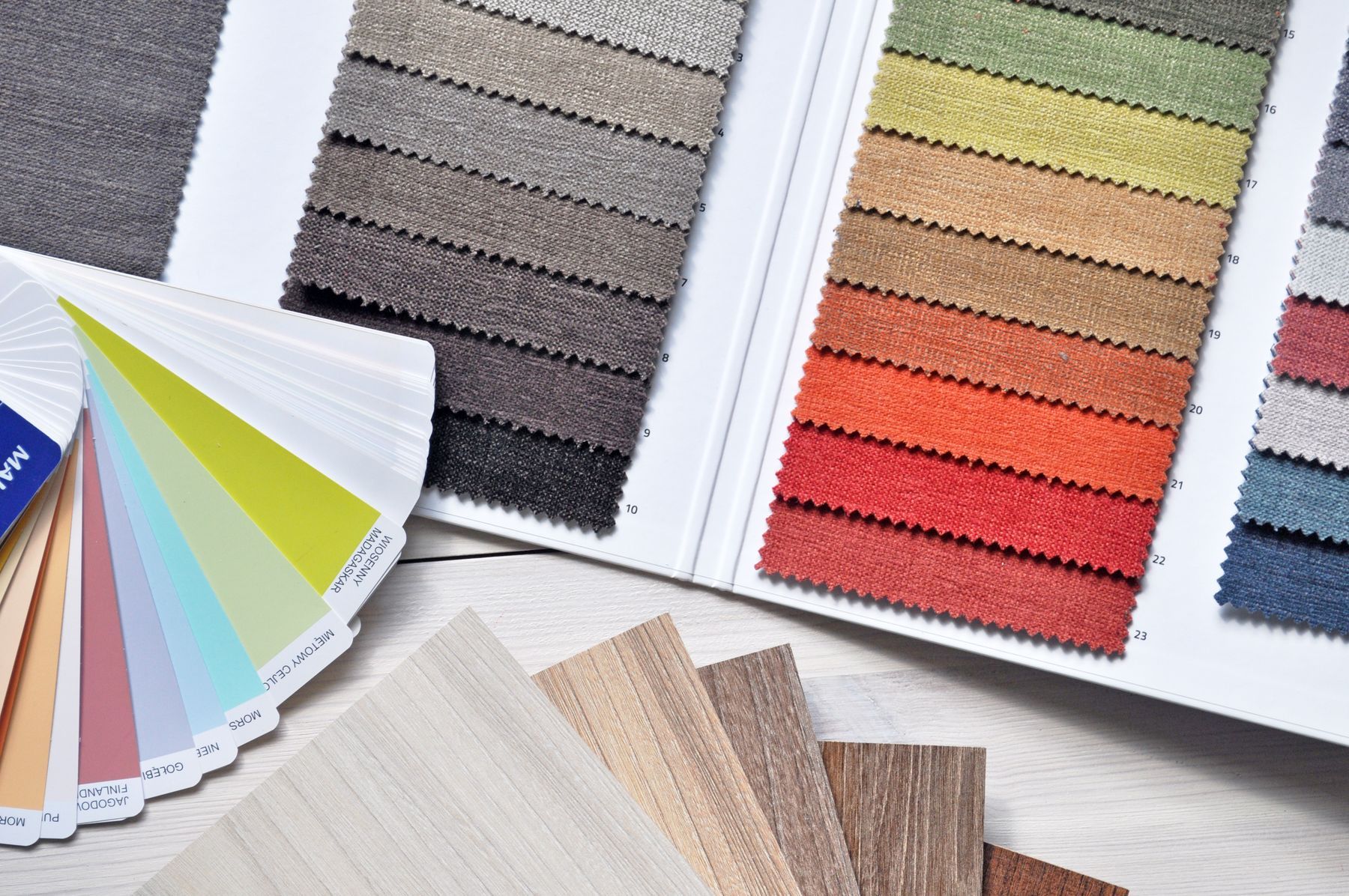
Fabrics
Choosing Pajama Fabric Weight
What GSM actually tells you, why the same weight feels different in a woven and a knit, how weight changes opacity, drape and cost, and how to specify it so a factory quotes what you meant.
Buyer Guides
Pajama MOQ Explained
Why sleepwear factories have minimum order quantities, what actually sets the number, the difference between style and colourway minimums, and how to launch on a small first order.