Fabrics
Modal vs Viscose for Pajamas
Modal and viscose are close relatives that behave differently in production. How they compare on strength, shrinkage, colour, printing and cost, and which sleepwear styles each one suits.
By PajamaWorks Team, Sleepwear production team, Dongguan Hualingniao Apparel ·
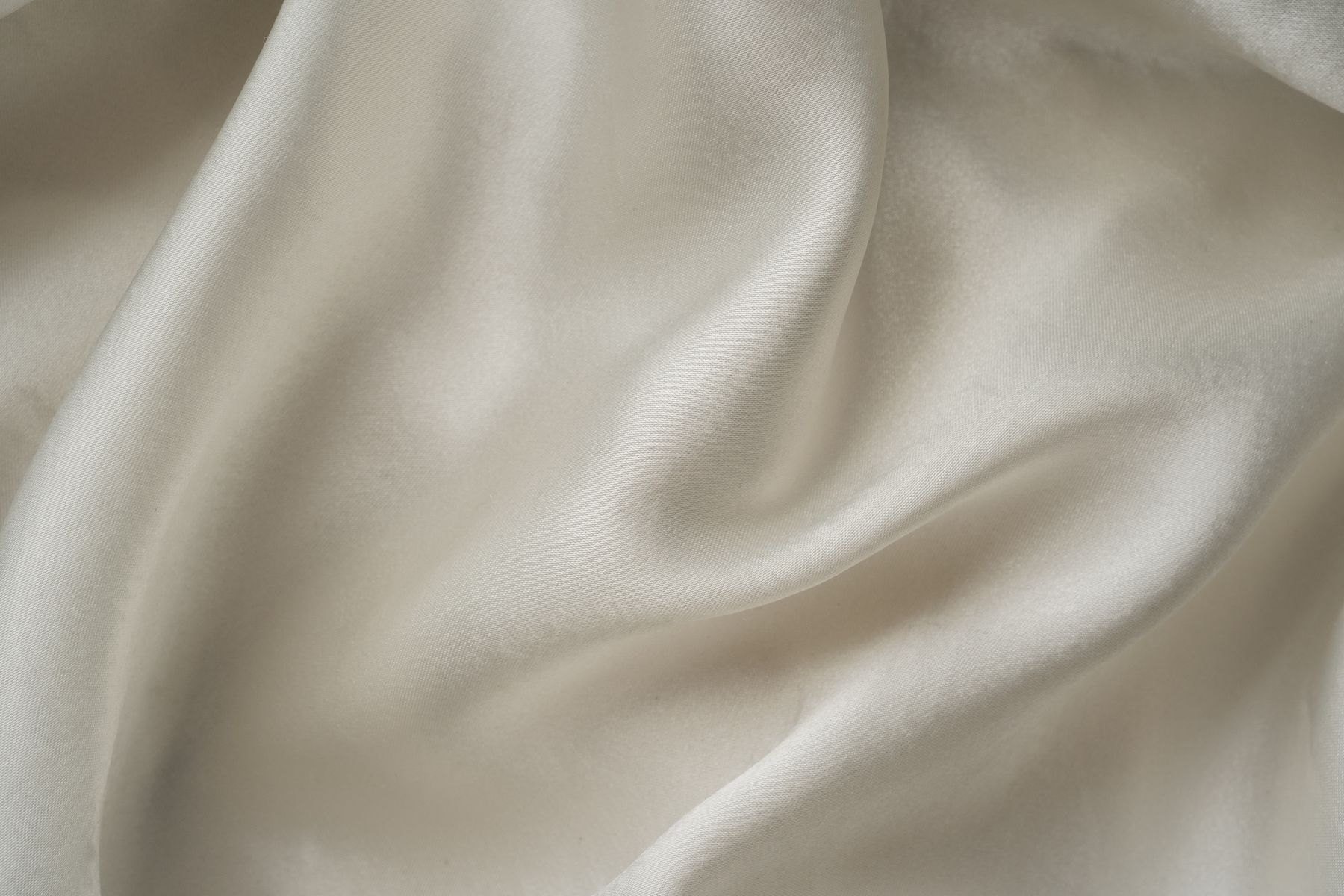
Modal and viscose are frequently treated as the same fabric with two names. They are not. Both are regenerated cellulose — wood pulp turned into fibre — but modal is made by a modified process that produces a stronger fibre, and that single difference shows up everywhere in production.
If you are choosing between them for a sleepwear range, this is what actually separates them.
The short version
Viscose gives you the best print at the lowest price. Modal gives you the better garment over time.
Side by side
| Modal | Viscose | |
|---|---|---|
| Fibre family | Regenerated cellulose | Regenerated cellulose |
| Strength when wet | Notably better | Weaker — the fabric’s main limitation |
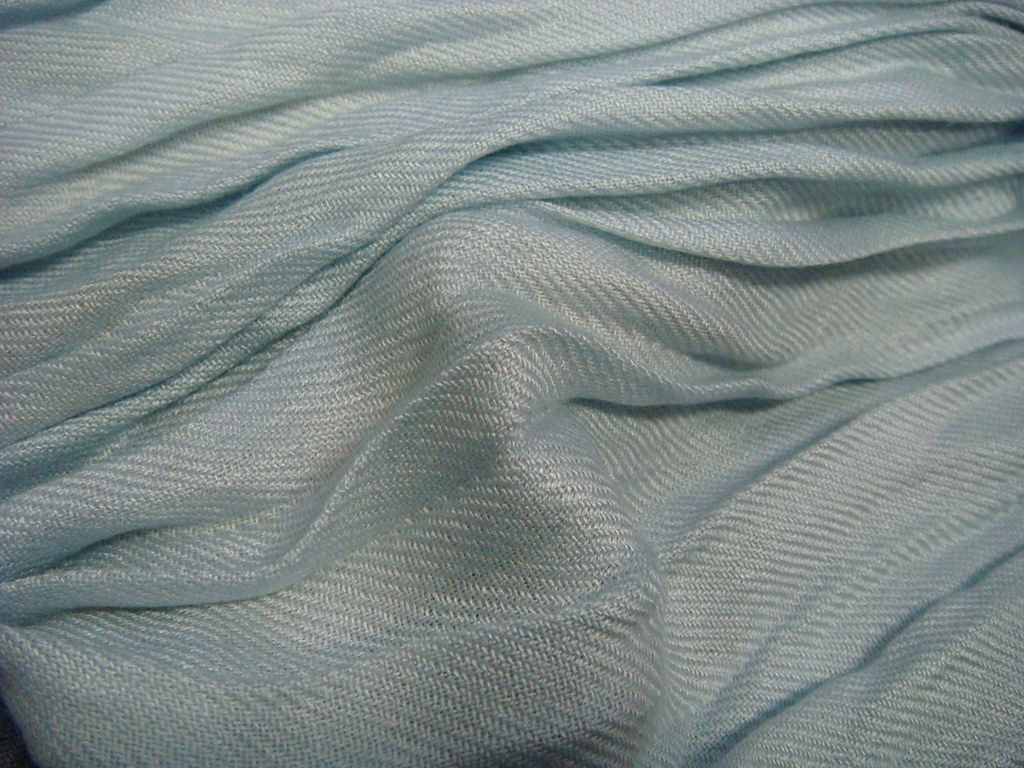
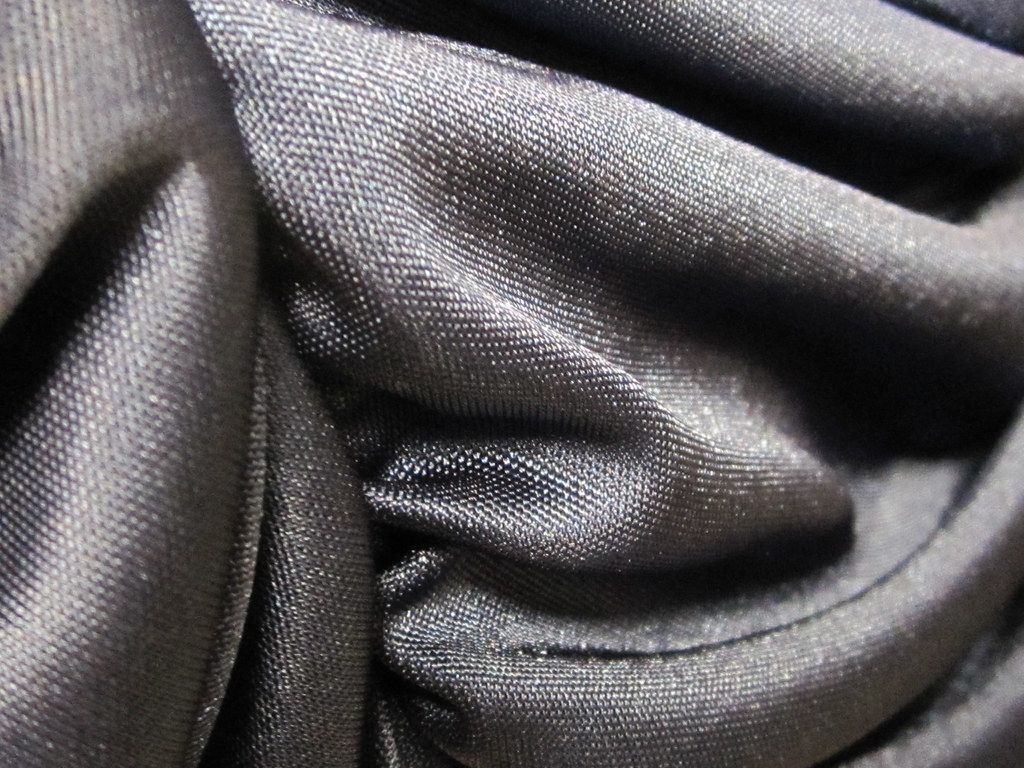
| Hand feel | Silky, cool, very smooth | Soft, fluid, slightly less slick |
| Drape | Fluid | Very fluid, often more so |
| Colour depth | Excellent and stable | Excellent, slightly less wash-stable |
| Shrinkage | Lower, mostly length relaxation | Higher, needs more allowance |
| Pilling resistance | Better | Moderate |
| Print result | Very good | Excellent — prints look their best here |
| Relative cost | Higher | Lower |
Where the difference actually bites: wet strength
This is the practical heart of it. Viscose loses a meaningful amount of its strength when wet, which affects two things a buyer cares about:
- Washing. Wet viscose is more vulnerable to distortion, and repeated washing takes more out of the garment than it does out of modal.
- Production. Wet processing and finishing have to be handled more gently, which is one of the reasons modal is easier to run consistently.
For a nightgown worn a few times a season, this may not matter. For a lounge set someone lives in and washes weekly, it does.
Shrinkage and stability
Both fabrics relax rather than shrink in the way cotton does — the garment comes back shorter and slightly wider rather than uniformly smaller. Viscose does more of it.
The handling is the same for both, and non-negotiable: approve fit on a washed sample. A viscose garment approved dry and shipped without a wash test is one of the most reliable ways to generate returns. There is more on this in why pajamas shrink after washing.
Printing
If your range is print-led, viscose deserves serious consideration. Prints on viscose come out with a saturation and a slight sheen that is hard to match at the same price, and the fluid drape flatters a large-scale print.
Modal prints well too, and holds up better afterwards. Where placement precision matters — a positioned motif rather than an all-over — the extra stability helps.
Either way, approve a strike-off on the actual fabric before bulk. See printing and embroidery.
Opacity
Both can be more sheer than expected in pale colours at low weights. This is a recurring complaint in sleepwear and it is entirely preventable: check opacity on a body form, in the real colourway, at the real weight. Do not judge it from a flat swatch on a table.
Blends change the answer
Neither fibre is usually used alone in commercial sleepwear:
- Modal with cotton — adds structure and cuts cost while keeping most of the softness. Very common in lounge sets.
- Modal or viscose with elastane — adds recovery for fitted styles, at the cost of a more demanding sew.
- Viscose with polyester — cheaper and more durable, at the cost of some breathability.
Ask for the blend ratio in writing. “Modal” and “viscose” on a spec sheet can each describe a fabric that is mostly something else.
Which to choose
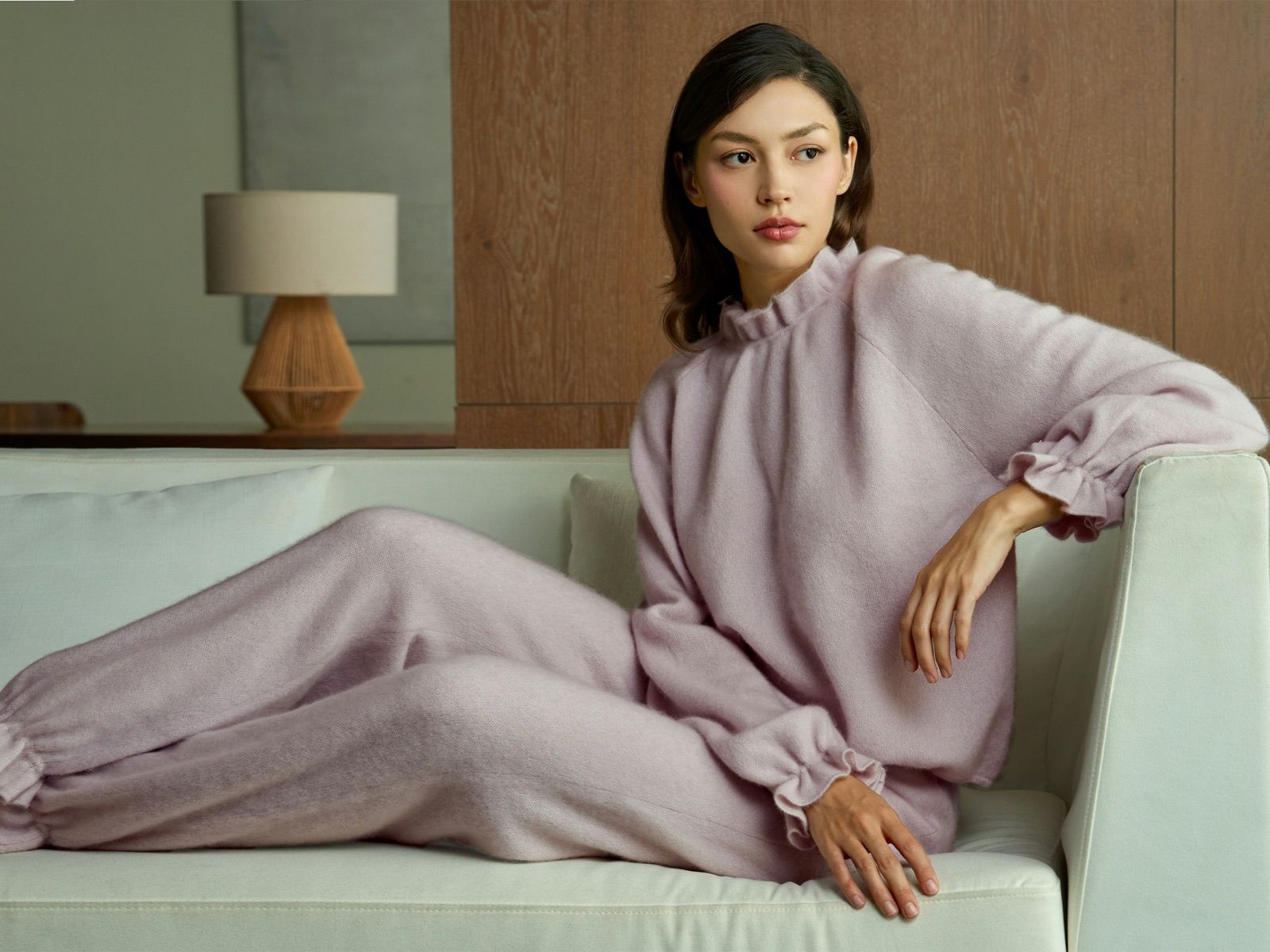
Choose modal for lounge sets and pajamas that will be worn constantly and washed often, and where the selling point is how the fabric feels after six months rather than on day one.
Choose viscose when the print is the product, when the price point is tight, or for lighter-use pieces like a nightgown or a kimono robe.
Choose a blend for most commercial ranges — which is what most brands end up doing once they have handled all three.
Read the full material notes on modal and viscose, or request swatches and decide with the fabric in your hands. Photographs cannot transmit weight, drape or opacity.