Fabric Guide
Viscose Pajamas — Fabric Guide for Sleepwear Brands
Fluid, breathable drape at an accessible price — with wet handling as the caveat.
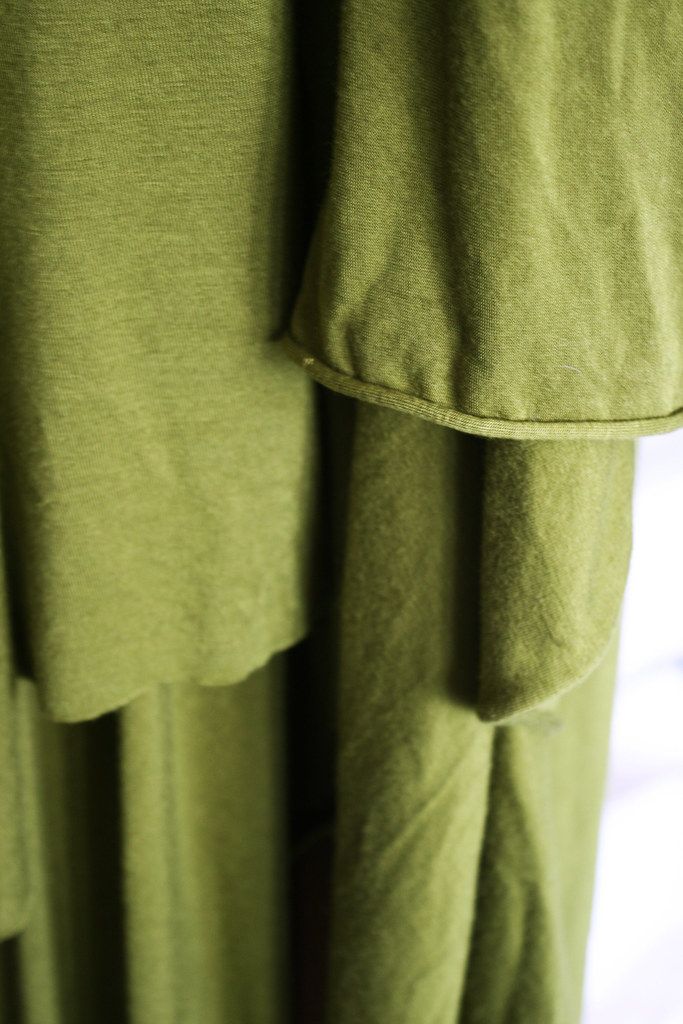
What it is
Viscose is the original regenerated cellulose fibre — wood pulp turned into a fibre through a chemical process. Modal is a later, stronger member of the same family; viscose is the accessible one.
For sleepwear it shows up most often as a light printed woven: nightgowns, sleep shirts and summer sets where drape and print quality are doing the selling.
Where it fits commercially
Viscose is how you get a fluid, expensive-looking printed nightwear piece at a price cotton cannot match and modal will not reach. If your range depends on prints, viscose is often the fabric that makes the artwork look the way the designer intended.
The counterweight is durability. Viscose is weaker wet than cotton, so care labelling and construction quality carry more of the burden. A viscose piece that is well made and correctly labelled ages fine; one that is cut too lean and labelled carelessly generates complaints.
Viscose or modal?
They feel similar in the shop and behave differently over a year of washing. Modal costs more and holds up better; viscose prints better and costs less. Ranges frequently use viscose for printed seasonal pieces and modal for the core, repeat-purchase comfort styles.
What to confirm before bulk
- Dimensional change after laundering, measured on a washed sample
- Seam slippage at shoulder, armhole and waistband
- Print strike-off on the real fabric, in the real colourway
- Care instructions that match how the fabric actually behaves
Properties
How it behaves
- Fibre type
- Regenerated cellulose (rayon), often blended with polyester or elastane
- Construction
- Woven for nightgowns and printed sets; knitted for softer lounge pieces
- Weight
- Usually light. Woven viscose can be beautifully fluid at low weight but reveals every construction shortcut, so check seams on the sample.
- Hand feel
- Cool, smooth and slightly fluid. Close to modal at first touch, though it wears less robustly.
- Stretch
- None when woven. Knitted viscose stretches; elastane is added where recovery is needed.
- Drape
- Excellent — arguably the best drape per unit of cost on this list. It falls and moves rather than holding a shape.
- Breathability
- High. Absorbs moisture well, which is why it works for warm-climate nightwear.
Key Characteristics
The short version
- Fluid drape and cool touch at accessible cost
- Highly breathable and moisture-absorbent
- Outstanding print clarity and colour brightness
- Lower wet strength — laundering behaviour must be verified
Suitable pajama styles
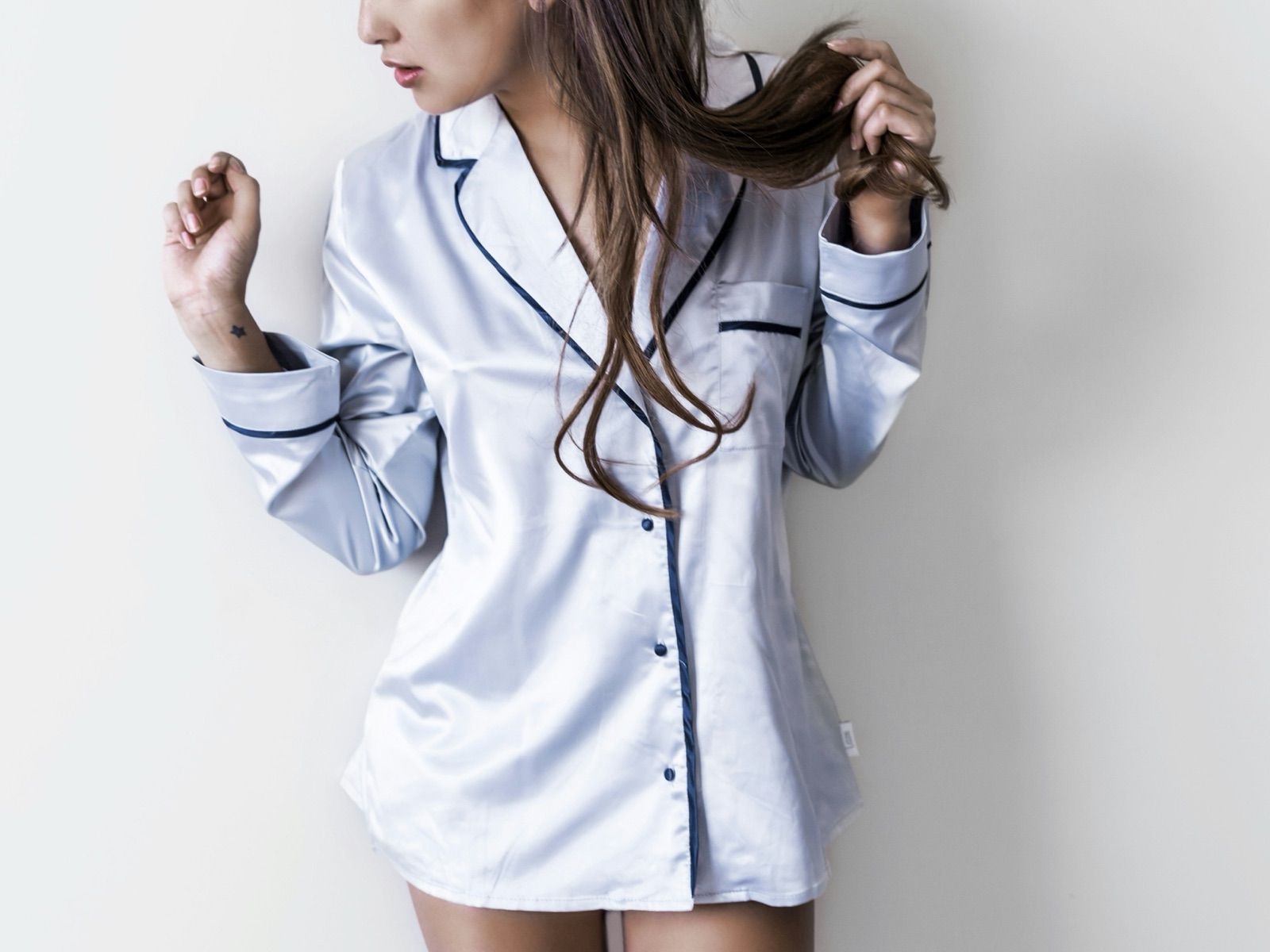
- Printed nightgowns and sleep shirts
- Women's summer pajama sets
- Lightweight lounge pieces
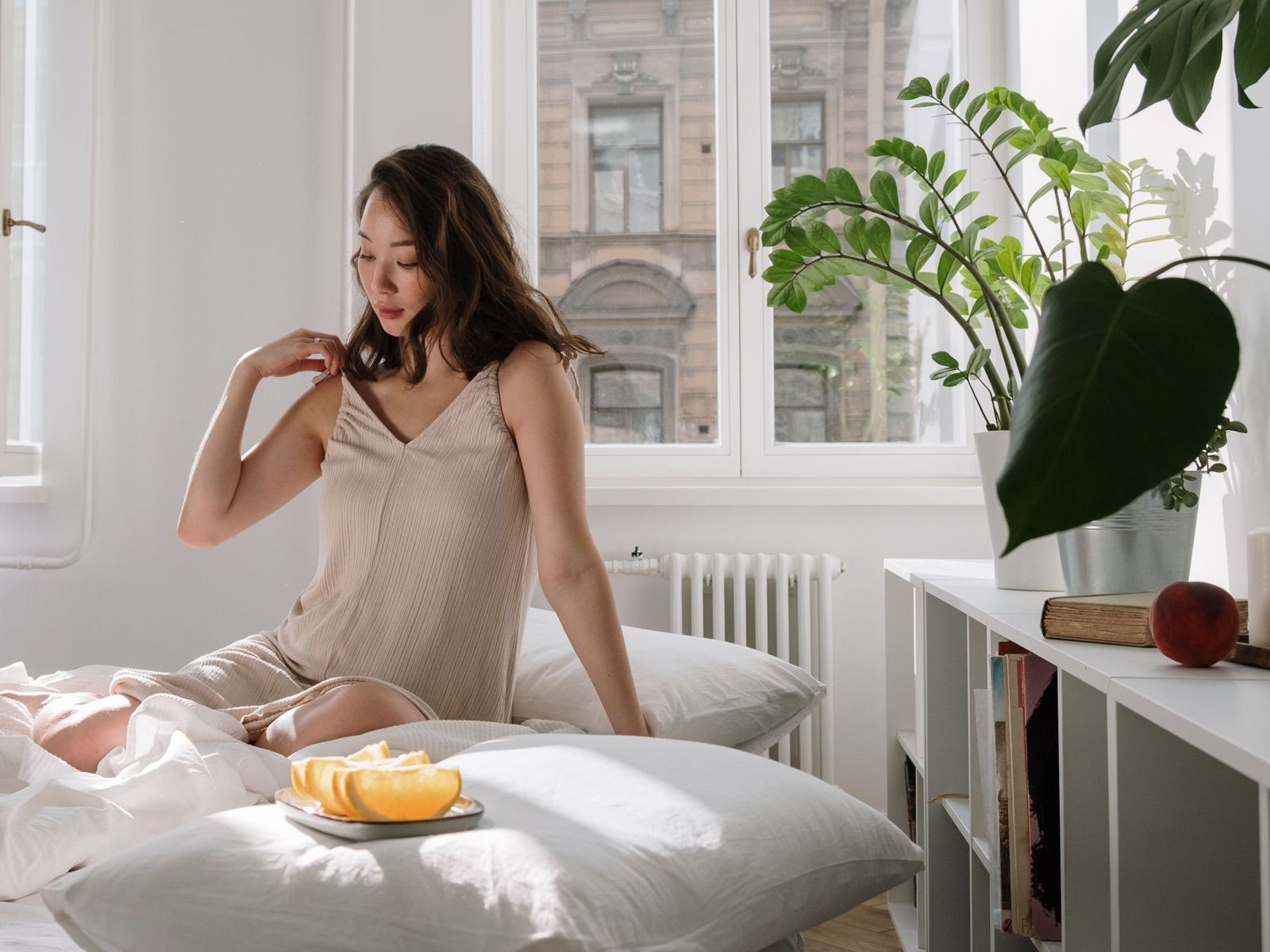
- Camis and shorts sets
Production Notes
What to plan for
The practical consequences of choosing this fabric — the things that decide whether a bulk order goes smoothly.
- Shrinkage considerations
- Viscose loses strength when wet and can shrink or distort in laundering more than cotton. Pre-shrinking, correct finishing and clear care labelling all matter here.
- Printing & dyeing
- Takes prints exceptionally well, with bright saturated colour and clean detail — this is the main reason it dominates printed nightwear.
- Sampling considerations
- Wash the sample and inspect for distortion, seam slippage and dimensional change before approving. Viscose flatters on a fresh sample more than most fabrics.
- Production considerations
- Cuts and sews like a light woven — slippery, prone to seam slippage at stress points. Seam type and stitch density at the shoulder, armhole and waistband are what keep a bulk order from failing after a few washes.
Related Pajamas
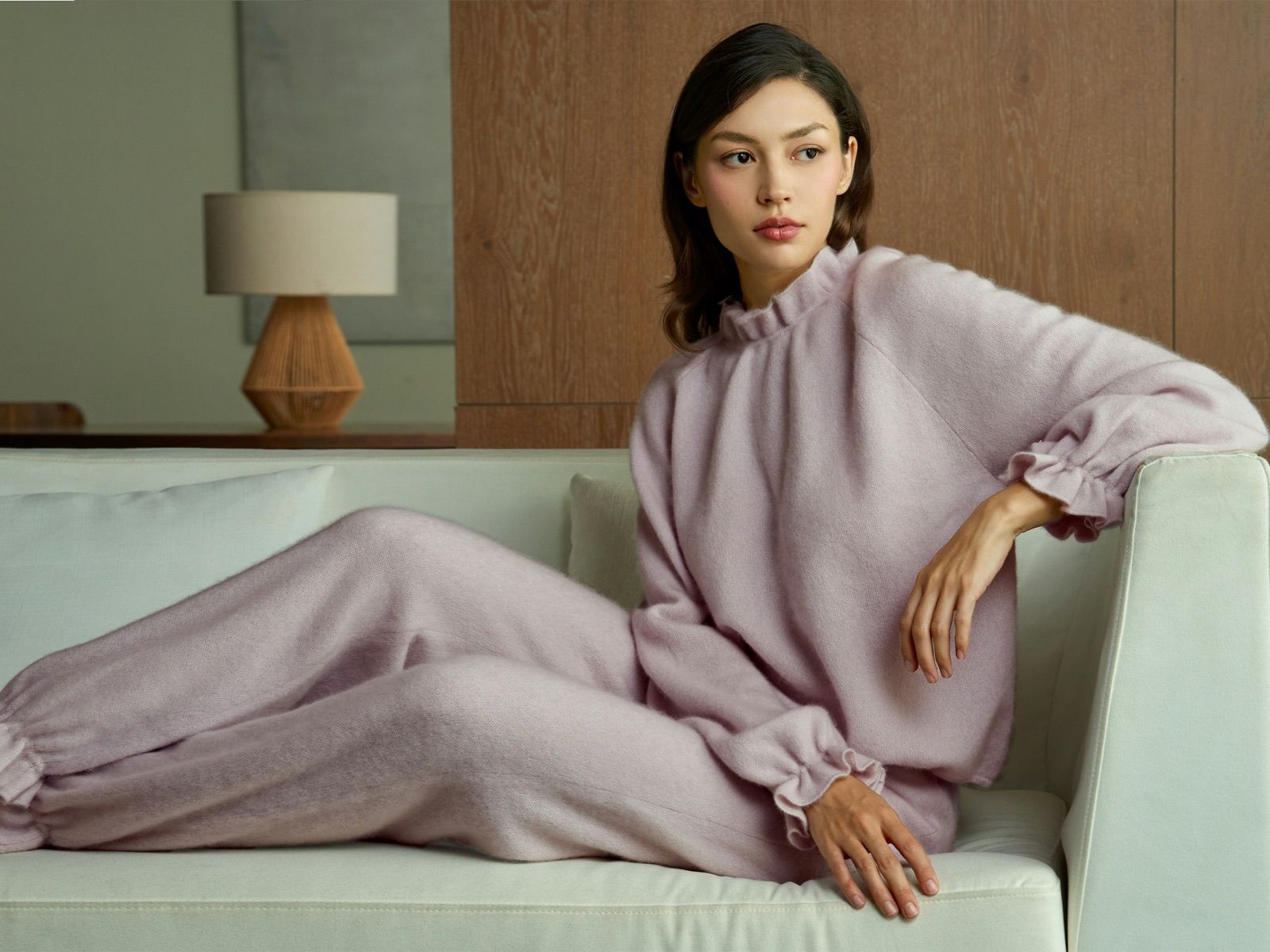
Pajama styles made in viscose
Where this fabric earns its place in a sleepwear range.
Related Manufacturing
Manufacturing steps this affects
Fabric Sourcing
Fabric sourcing for pajama production: cotton, modal, satin, jersey, flannel and viscose, plus custom dyeing with lab dips and print strike-offs.
Sample Development
Pajama sample development from tech pack or reference garment: pattern making, fabric swatches, fit samples, revision rounds and a sealed production standard.
Quality Control
Pajama quality control: fabric inspection before cutting, in-line sewing checks, measurement checks against the sealed sample and final inspection before packing.
FAQ
Fabric questions we get asked
How much does a pajama sample cost?
Sample cost depends on the style, fabric and customization (printing, embroidery, special trims). We confirm the exact sample fee per project before sampling starts — share your design through the quote form for a precise figure.
How long does sampling take?
A first sample usually takes about 7–10 days once the design is confirmed. Complex styles, sourced fabrics and extra revision rounds add time; we confirm the sampling timeline with each sample order and keep you updated through development.
Can I use my own pajama design?
Yes. Send a tech pack, reference sample or reference photos and we handle pattern development, grading and sampling to your design. Your designs stay confidential to your project.
Will my fit sample be washed before I approve it?
Yes — we launder fit samples before sending them. Cotton shrinks, knits relax and viscose can distort, so a sample approved unwashed is not the garment your customer receives. Approving fit on a washed sample removes the most common cause of bulk fit complaints.
Can you source custom fabrics?
Yes. Beyond stock cotton, modal, satin, jersey, flannel and viscose options, we source custom blends, custom-dyed colors and custom prints. Custom-developed fabrics carry higher minimums, which we confirm during quoting.
Can you match Pantone colors?
Yes. For custom-dyed fabrics we produce lab dips against your Pantone reference for approval before bulk dyeing, so the production color matches the approved standard.
Sample viscose before you commit
Tell us the product you are building and we will send swatches, propose a construction and quote it.
Related Reading
Guides on this topic
Fabrics
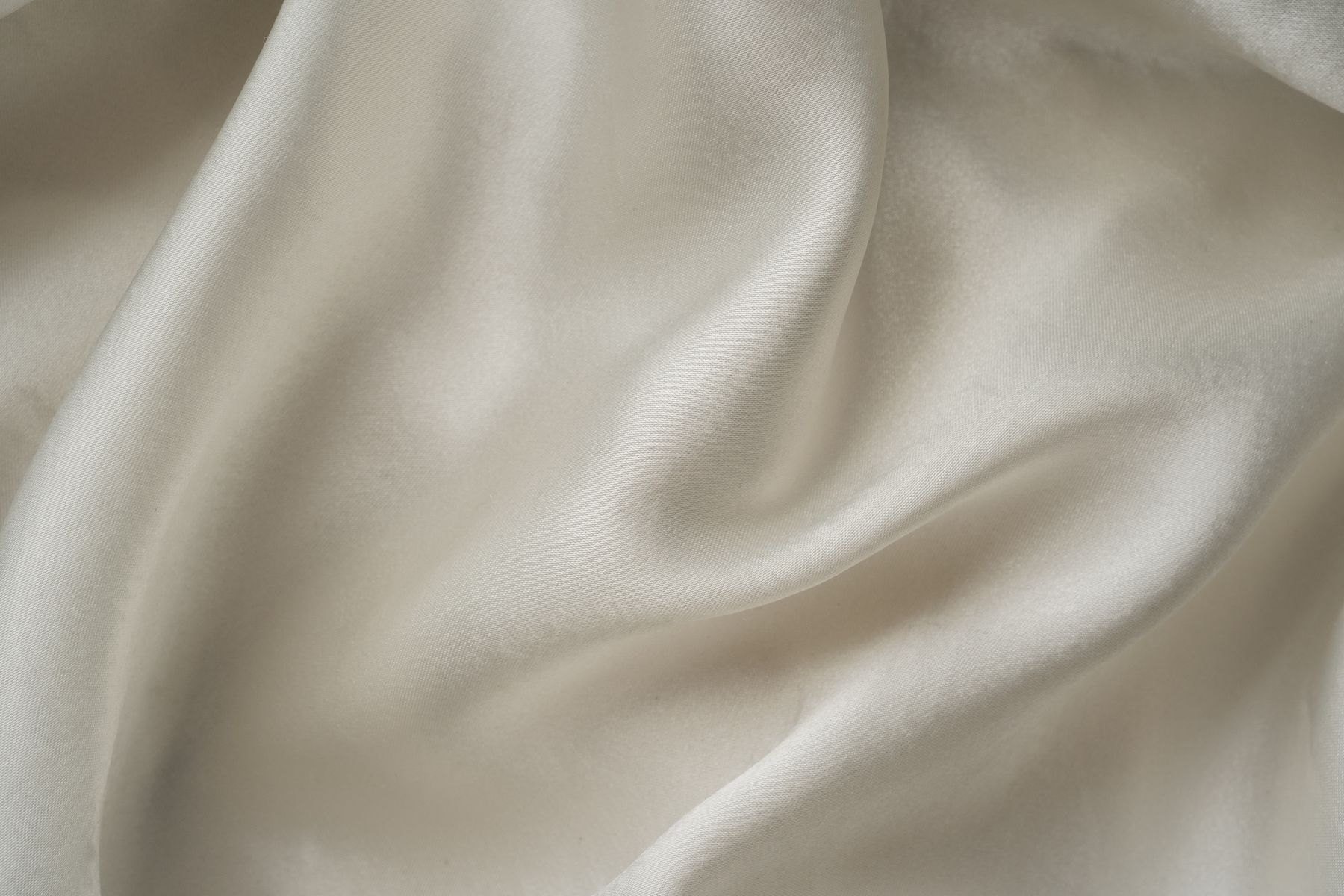
Modal vs Viscose for Pajamas
Modal and viscose are close relatives that behave differently in production. How they compare on strength, shrinkage, colour, printing and cost, and which sleepwear styles each one suits.
Fabrics
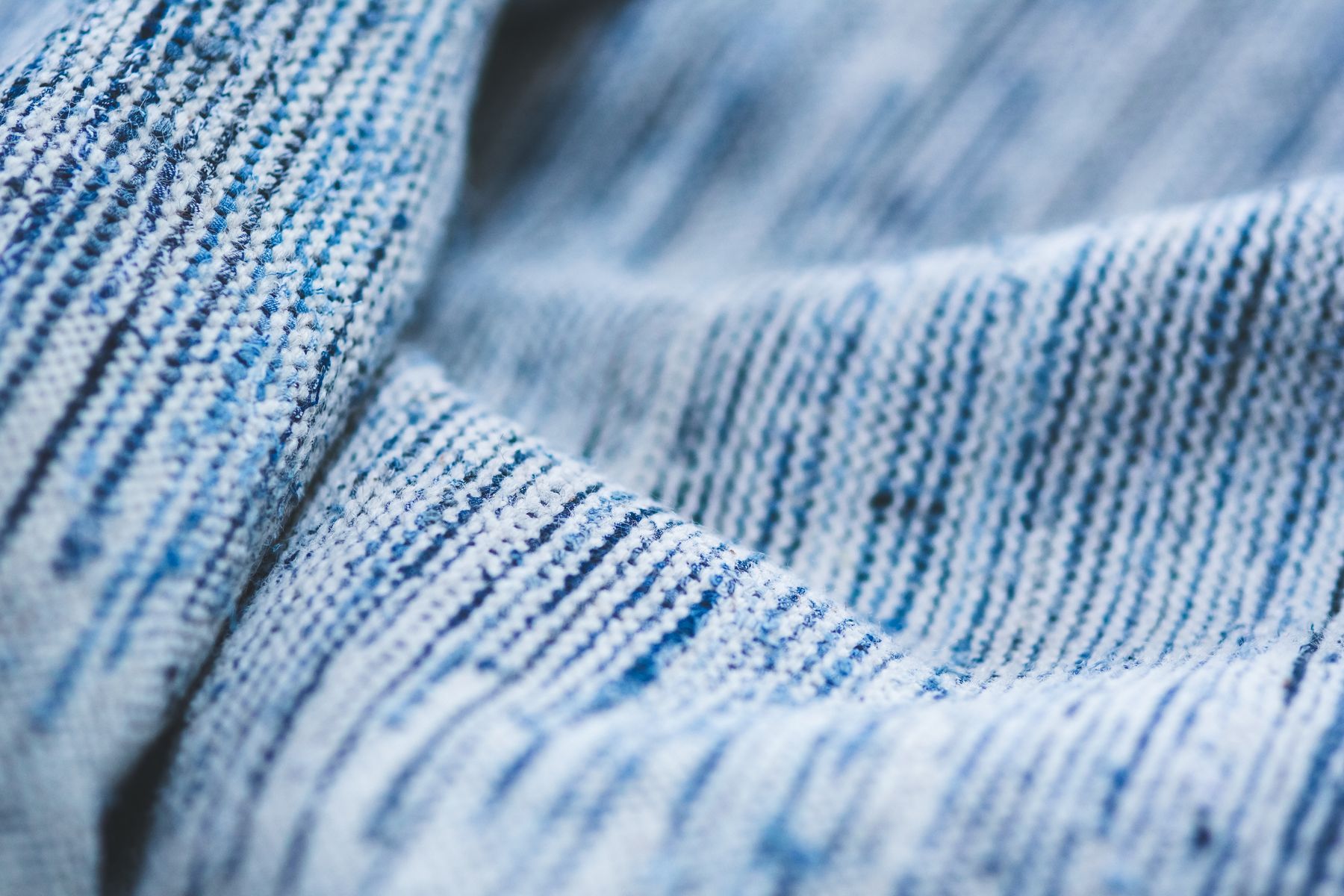
Cotton vs Modal Pajamas — Which Fabric for Which Style
A practical comparison of cotton and modal for sleepwear: hand feel, drape, shrinkage, printing, cost and which pajama styles each fabric actually suits.
Quality Control
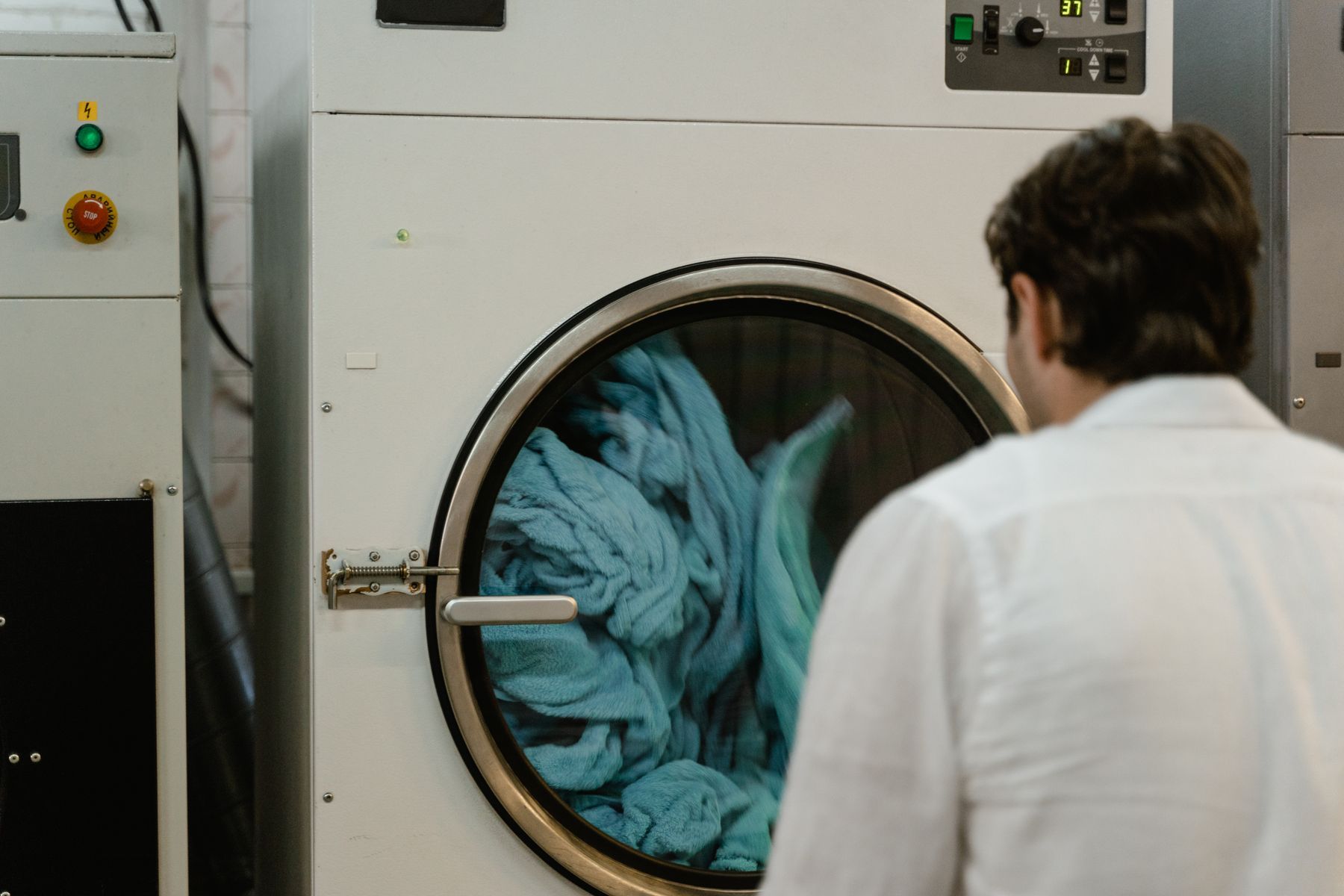
Why Pajamas Shrink After Washing
The four different things people call shrinkage, why knits and wovens behave differently, and the one approval habit that prevents most sizing complaints in sleepwear.