Fabric Guide
Modal Pajamas — Fabric Guide for Sleepwear Brands
Silky cellulosic knit with fluid drape and deep colour — the premium-feel comfort option.
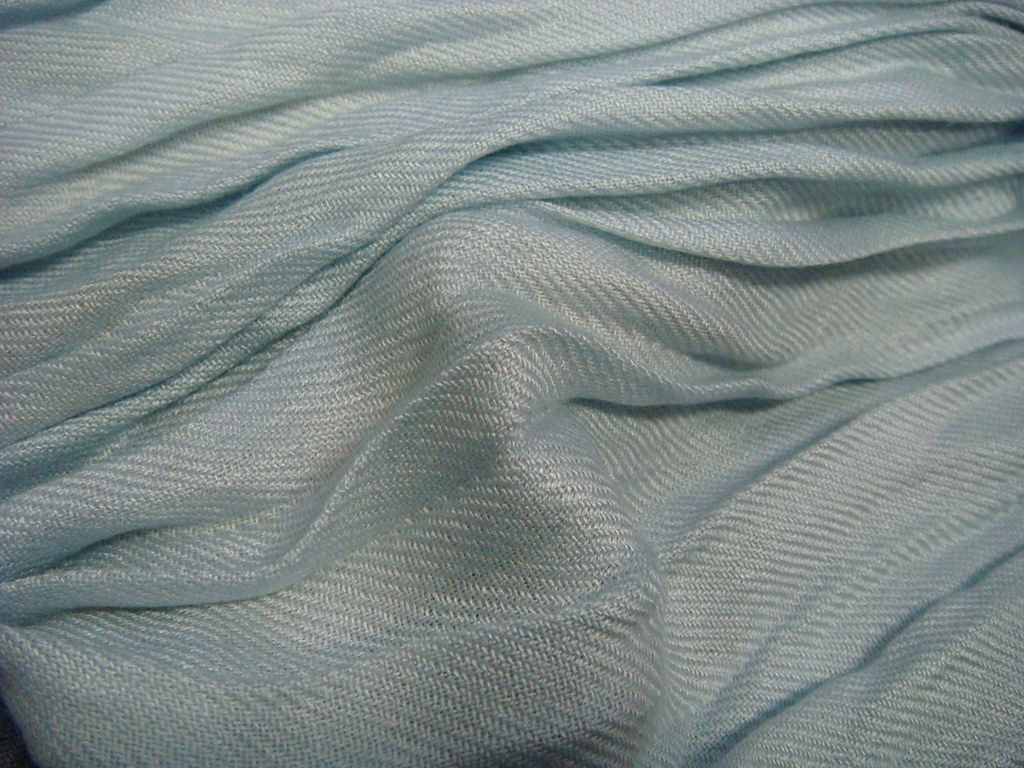
What it is
Modal is a regenerated cellulose fibre — wood pulp chemically processed into a fibre and then spun into yarn. It belongs to the same family as viscose, but is engineered for higher wet strength, which is why it survives repeated laundering better than a standard viscose.
For sleepwear it is almost always used as a knit. Modal jersey is what gives premium loungewear its characteristic weight, cool touch and fluid fall.
Where it fits commercially
Modal is how you make a collection feel more expensive without moving to silk. It photographs well on the body rather than folded, and it sells the comfort story directly through touch — which is an advantage in retail and a challenge online, where you have to describe it convincingly.
The trade-offs are real: it is more expensive than cotton jersey, it needs more care in cutting and sewing, and it will not give you the crisp structure of a classic woven pyjama.
Modal vs cotton, in one line
Cotton feels like a good shirt. Modal feels like something you do not want to take off. Most ranges carry both, and split them by silhouette rather than by season.
What to confirm before bulk
- Opacity of the actual colour at the actual GSM, on a body form
- Washed length and width shrinkage on a relaxed sample
- Seam and hem construction — the wrong stitch on a soft knit ripples after washing
- Whether the blend is modal-dominant or mostly cotton, because the two are marketed identically and feel nothing alike
Properties
How it behaves
- Fibre type
- Regenerated cellulose (a rayon family fibre), usually blended with cotton or with a few percent elastane
- Construction
- Almost always knitted for sleepwear — single jersey, interlock or rib
- Weight
- Specified by GSM. Lighter constructions drape beautifully but can be semi-opaque; check opacity on the sample in the actual colour, because pale shades reveal it and dark shades hide it.
- Hand feel
- Very soft, smooth and cool to the touch. This is the fibre buyers usually mean when they ask for "that expensive sleepwear feel".
- Stretch
- Comfortable mechanical stretch from the knit structure; elastane is added when recovery matters, such as fitted cami tops.
- Drape
- Fluid and close to the body. Falls rather than holds — which is exactly why it suits nightgowns and lounge sets, and why it will not give you a crisp tailored pyjama collar.
- Breathability
- Good, with a cool initial touch. Handles moisture well, which suits warm sleepers.
Key Characteristics
The short version
- Exceptionally soft, smooth hand feel
- Fluid drape that follows the body
- Holds colour depth through repeated washing
- Needs relaxation and washed-sample checks before bulk
Suitable pajama styles
- Women's lounge and pajama sets
- Nightgowns and sleep shirts
- Cami and short sets
- Lightweight lounge separates
Production Notes
What to plan for
The practical consequences of choosing this fabric — the things that decide whether a bulk order goes smoothly.
- Shrinkage considerations
- Knits relax and shrink in length. Control comes from correct relaxation before cutting and a washed-sample check — skipping that is the single most common cause of a bulk length complaint.
- Printing & dyeing
- Holds colour deeply and keeps it well through washing. Fine-line prints can distort slightly on a stretchy knit; if registration matters, review a printed strike-off on the actual fabric.
- Sampling considerations
- Judge modal on a washed, relaxed sample. An unwashed knit sample flatters the fit and hides the length change you will see in bulk.
- Production considerations
- Cutting and sewing a slippery, stretchy knit is slower than cutting a stable woven, and seam type matters — coverstitch and overlock choices affect both the look and how the garment survives washing.
Related Pajamas
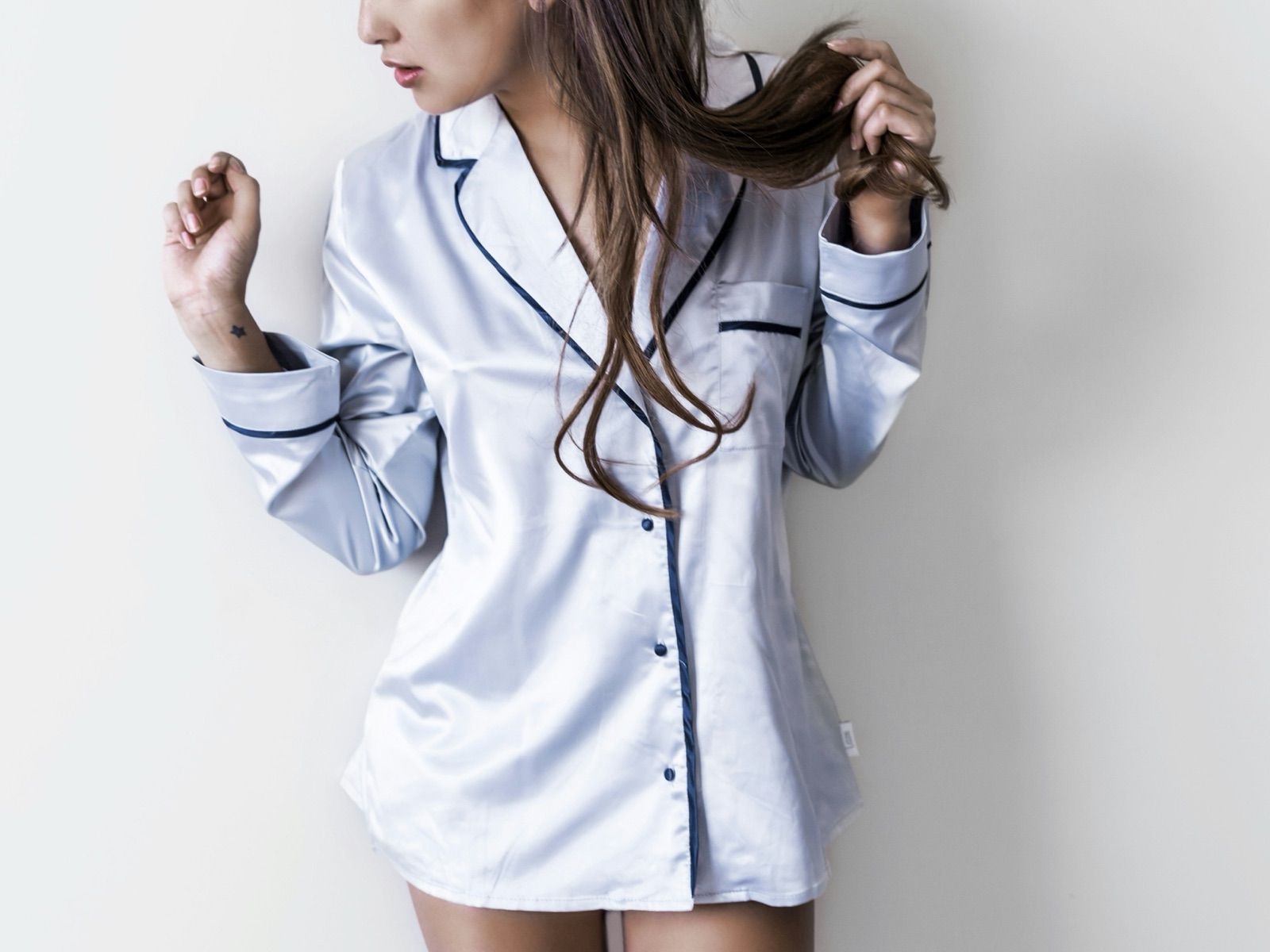
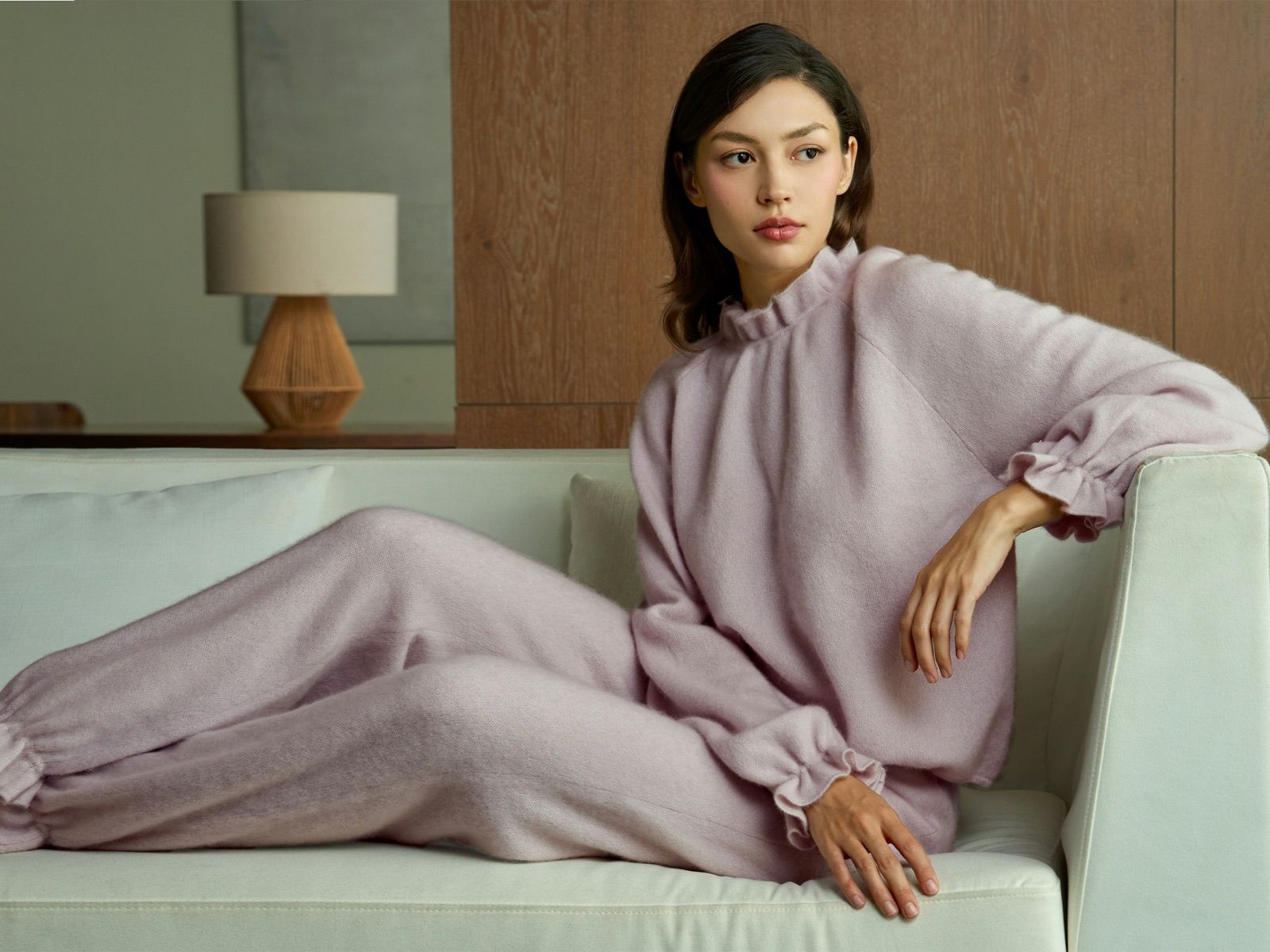
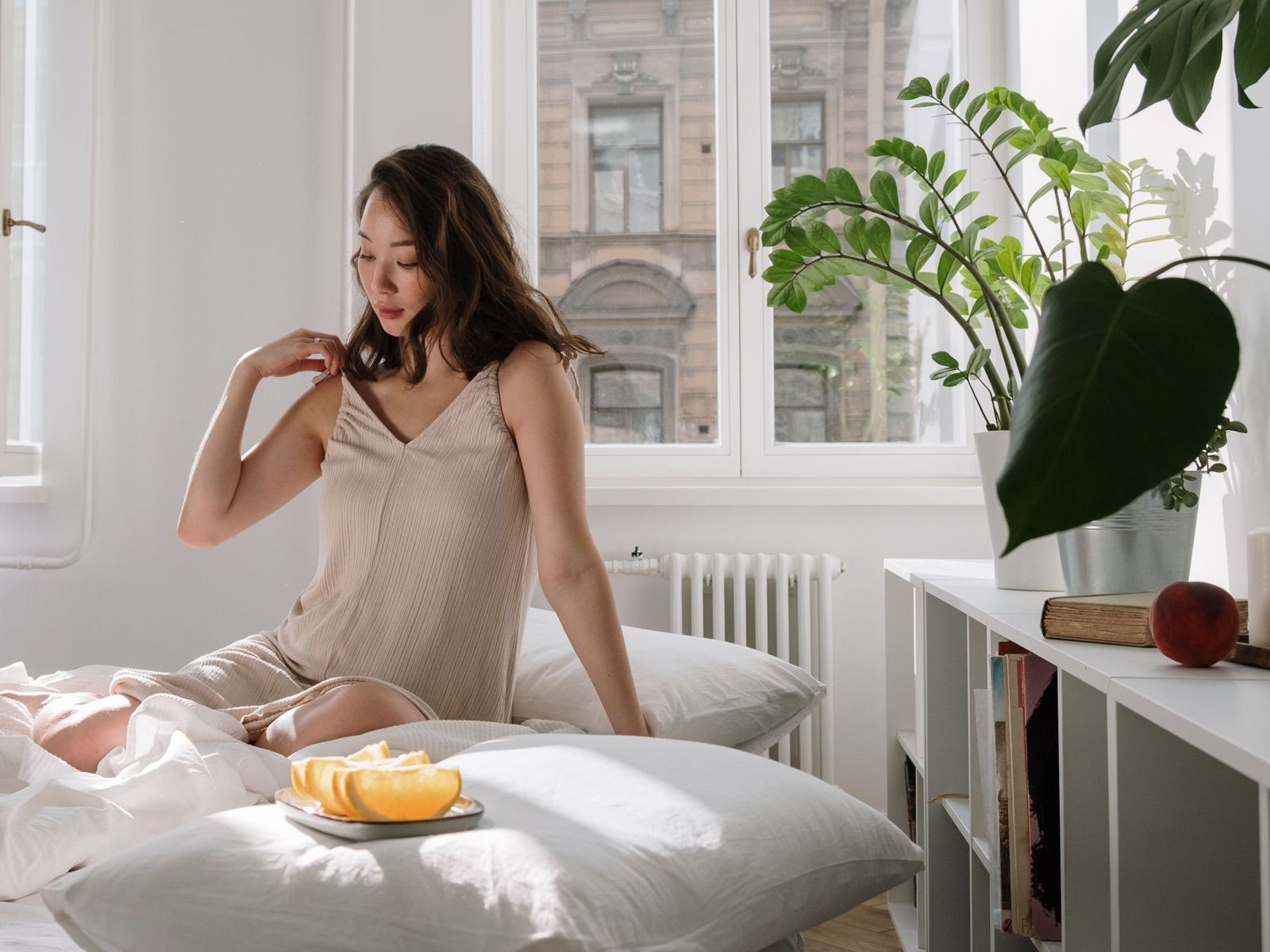
Pajama styles made in modal
Where this fabric earns its place in a sleepwear range.
Related Manufacturing
Manufacturing steps this affects
Fabric Sourcing
Fabric sourcing for pajama production: cotton, modal, satin, jersey, flannel and viscose, plus custom dyeing with lab dips and print strike-offs.
Sample Development
Pajama sample development from tech pack or reference garment: pattern making, fabric swatches, fit samples, revision rounds and a sealed production standard.
Quality Control
Pajama quality control: fabric inspection before cutting, in-line sewing checks, measurement checks against the sealed sample and final inspection before packing.
FAQ
Fabric questions we get asked
How much does a pajama sample cost?
Sample cost depends on the style, fabric and customization (printing, embroidery, special trims). We confirm the exact sample fee per project before sampling starts — share your design through the quote form for a precise figure.
How long does sampling take?
A first sample usually takes about 7–10 days once the design is confirmed. Complex styles, sourced fabrics and extra revision rounds add time; we confirm the sampling timeline with each sample order and keep you updated through development.
Can I use my own pajama design?
Yes. Send a tech pack, reference sample or reference photos and we handle pattern development, grading and sampling to your design. Your designs stay confidential to your project.
Will my fit sample be washed before I approve it?
Yes — we launder fit samples before sending them. Cotton shrinks, knits relax and viscose can distort, so a sample approved unwashed is not the garment your customer receives. Approving fit on a washed sample removes the most common cause of bulk fit complaints.
Can you source custom fabrics?
Yes. Beyond stock cotton, modal, satin, jersey, flannel and viscose options, we source custom blends, custom-dyed colors and custom prints. Custom-developed fabrics carry higher minimums, which we confirm during quoting.
Can you match Pantone colors?
Yes. For custom-dyed fabrics we produce lab dips against your Pantone reference for approval before bulk dyeing, so the production color matches the approved standard.
Sample modal before you commit
Tell us the product you are building and we will send swatches, propose a construction and quote it.
Related Reading
Guides on this topic
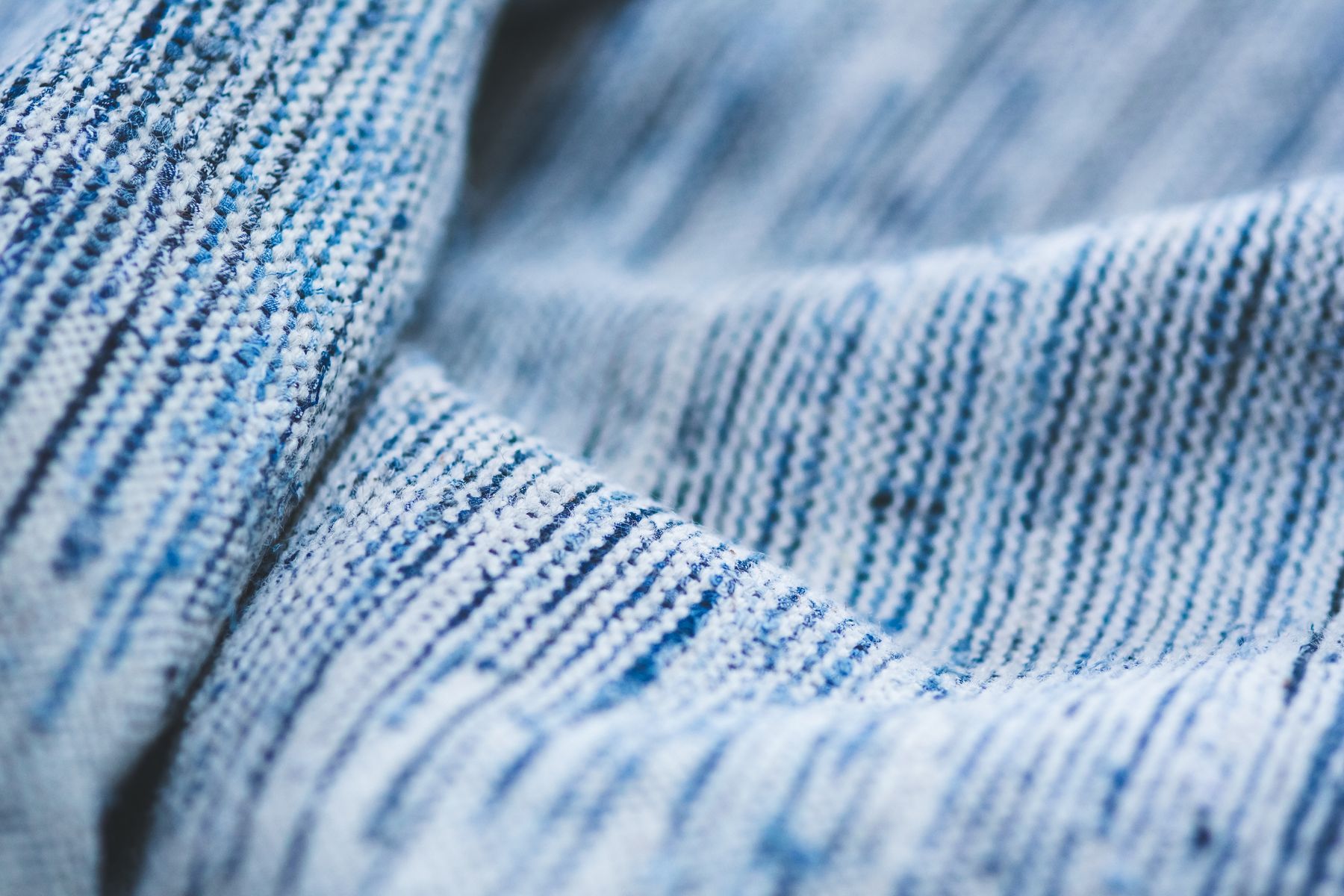
Fabrics
Cotton vs Modal Pajamas — Which Fabric for Which Style
A practical comparison of cotton and modal for sleepwear: hand feel, drape, shrinkage, printing, cost and which pajama styles each fabric actually suits.
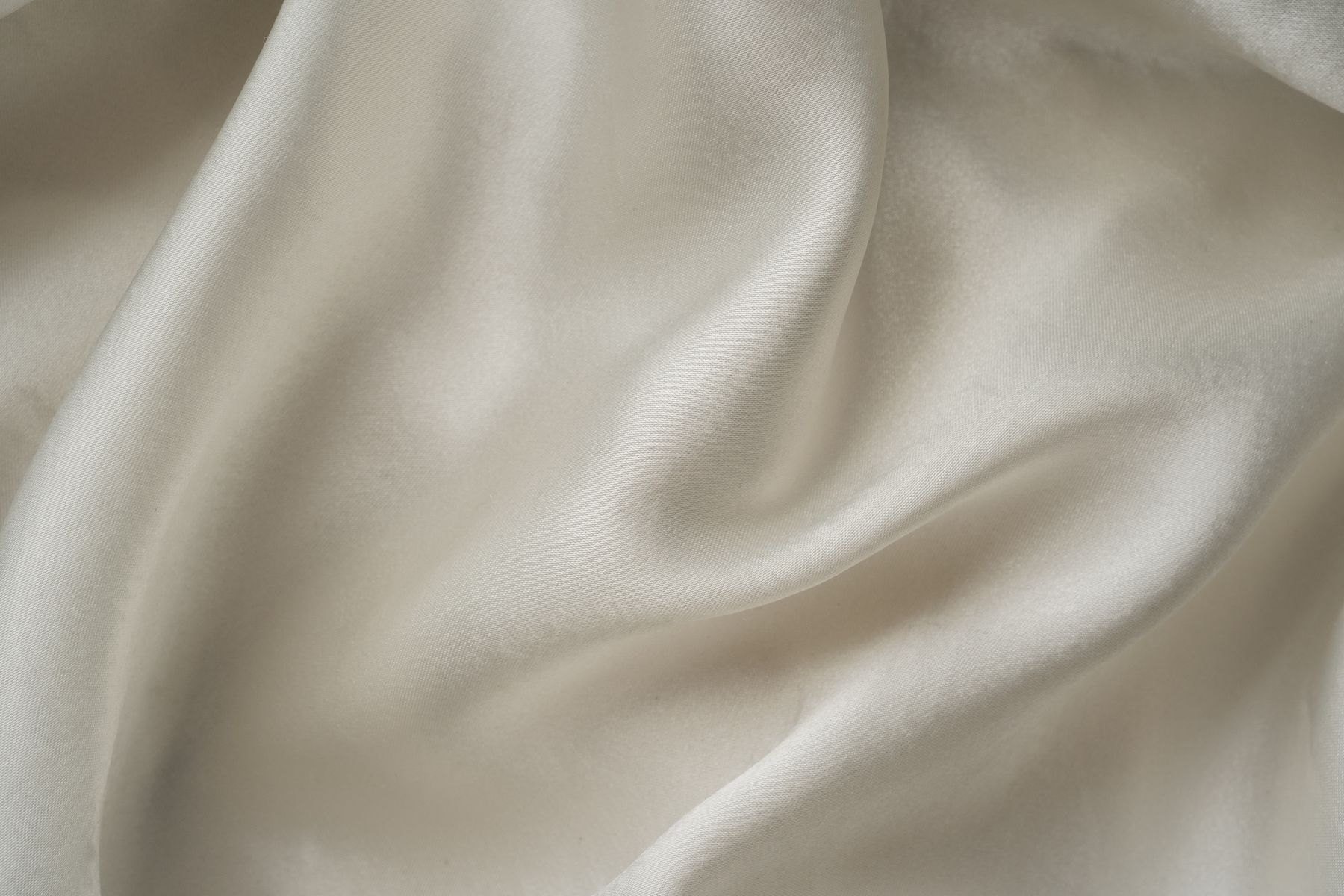
Fabrics
Modal vs Viscose for Pajamas
Modal and viscose are close relatives that behave differently in production. How they compare on strength, shrinkage, colour, printing and cost, and which sleepwear styles each one suits.
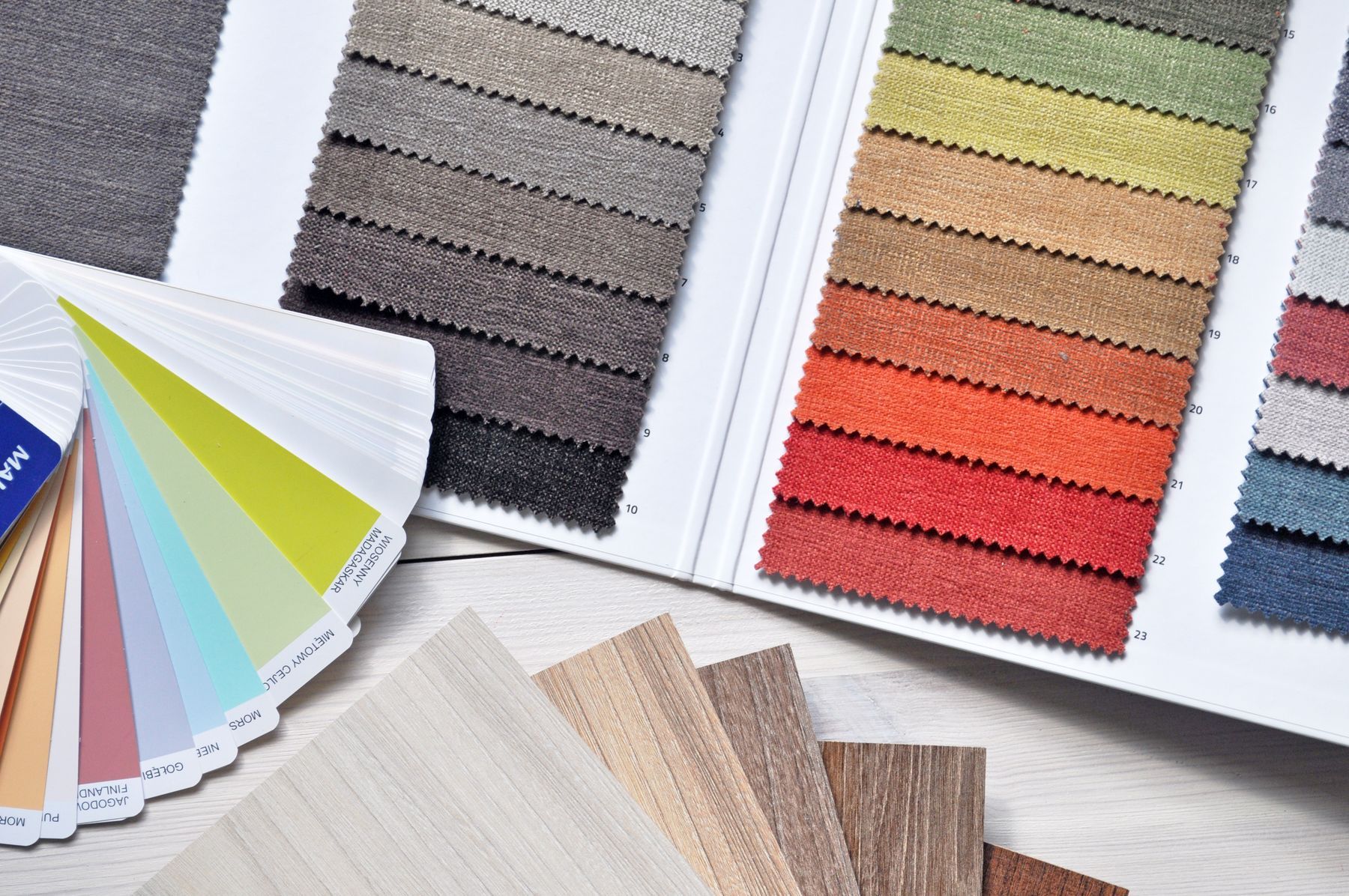
Fabrics
Choosing Pajama Fabric Weight
What GSM actually tells you, why the same weight feels different in a woven and a knit, how weight changes opacity, drape and cost, and how to specify it so a factory quotes what you meant.