PajamaWorks

Fabric Guide

Choose the Right Fabric for Your Pajamas

Fabric is the biggest decision in sleepwear — it sets the silhouette, the price and half the customer's impression. Compare the realistic options, then sample the finalists.

You are not really choosing a fabric — you are choosing a silhouette, and the fabric follows. A woven cotton holds the shape you cut. Modal and viscose fall onto the body. Satin does both, and shows every seam while it does it.

Each page below covers the same ground: what the fabric is, how it feels and drapes, how it shrinks and prints, which pajama styles it suits, and what to confirm before committing to bulk. General textile behaviour, written for a production decision rather than for a textbook.

Fabrics

Six fabrics that cover most sleepwear ranges

Cotton and jersey for structure and everyday wear; modal and viscose for drape; satin for occasion pieces; flannel for winter.

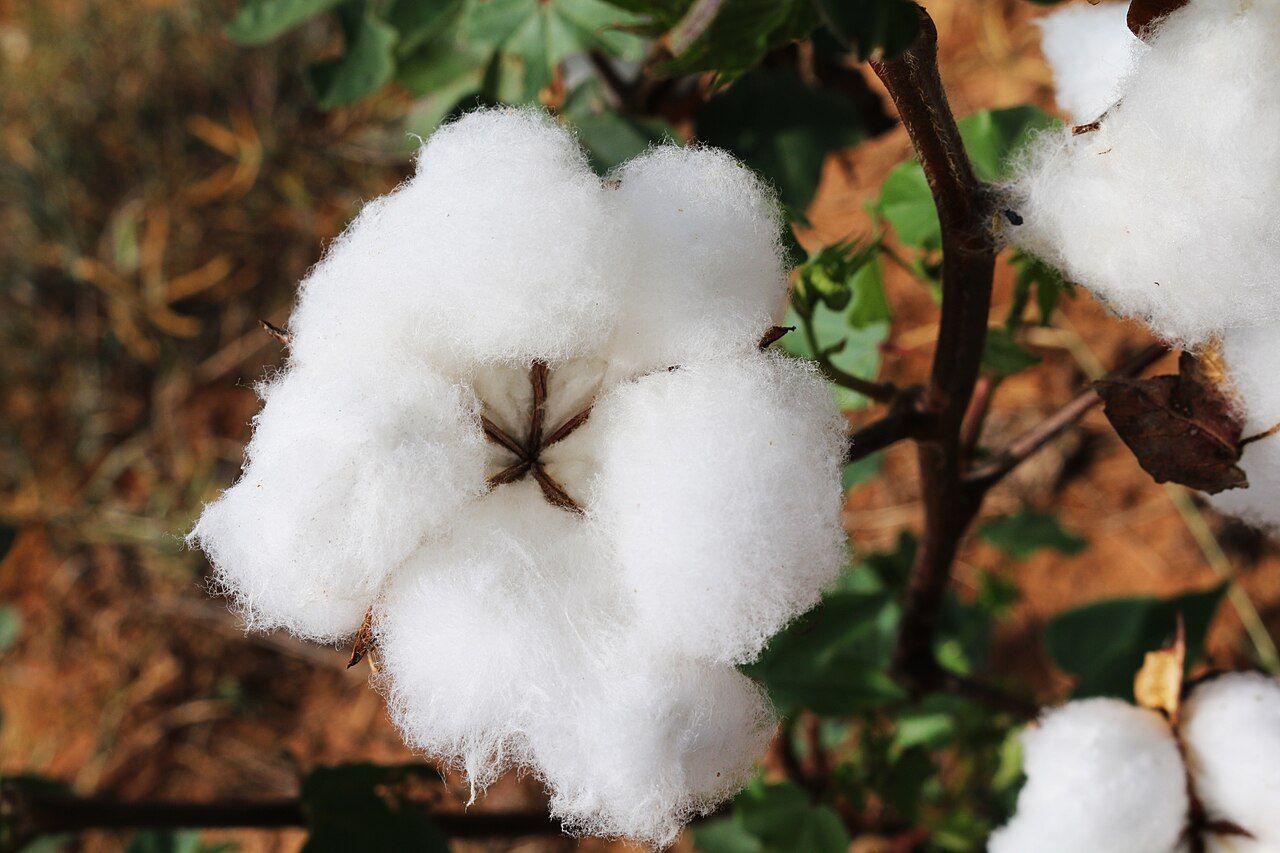
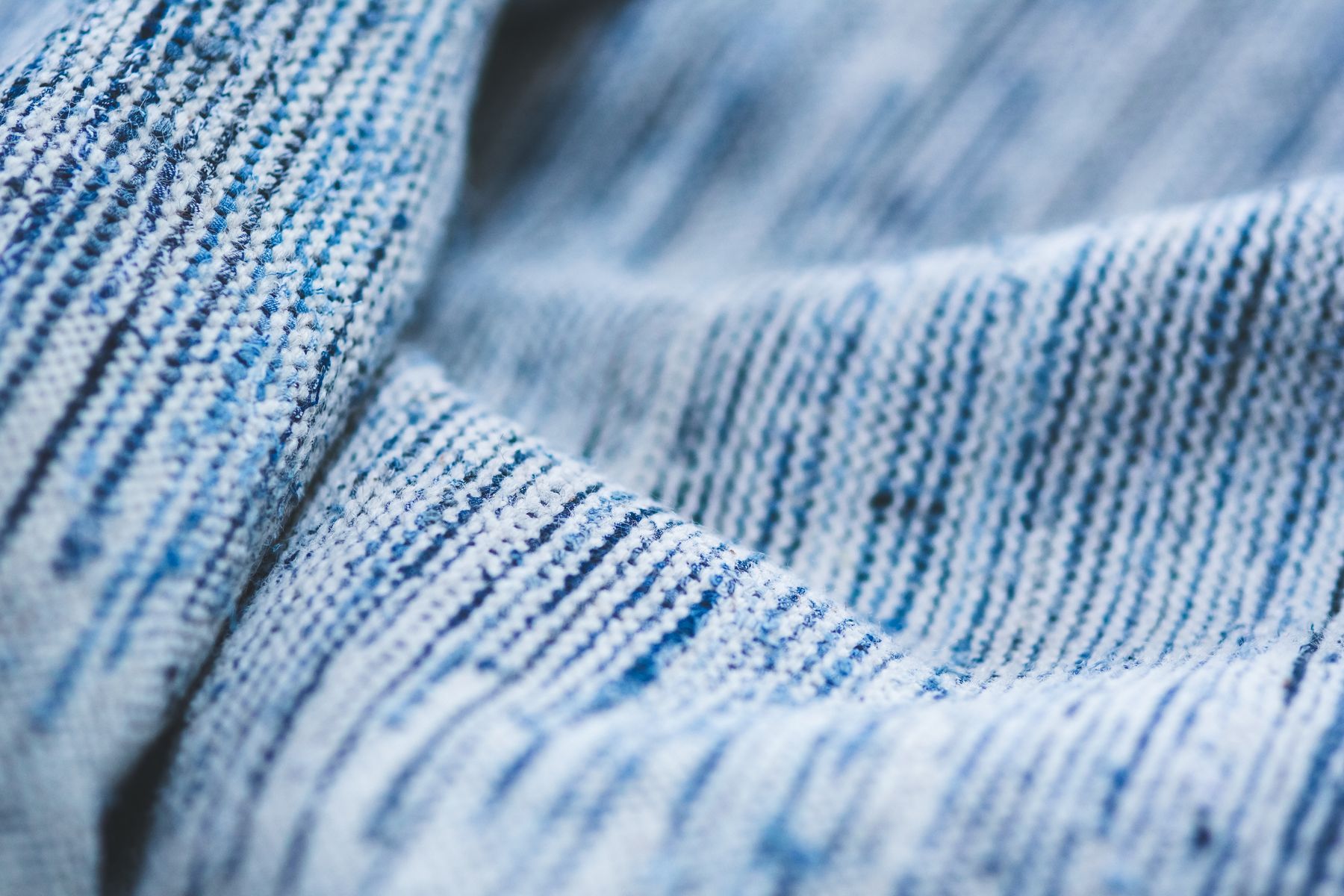
Cotton fabric texture close-up

01

Cotton

The sleepwear default — breathable, easy to print, easy for customers to care for.

  • Breathable natural fiber that absorbs moisture
  • Soft, dry hand feel that improves with washing
  • Excellent print and dye compatibility
  • Shrinkage must be controlled before cutting

Suited forClassic button-up pajama sets · Men's woven pajamas · Nightgowns and sleep shirts · Waffle and terry robes
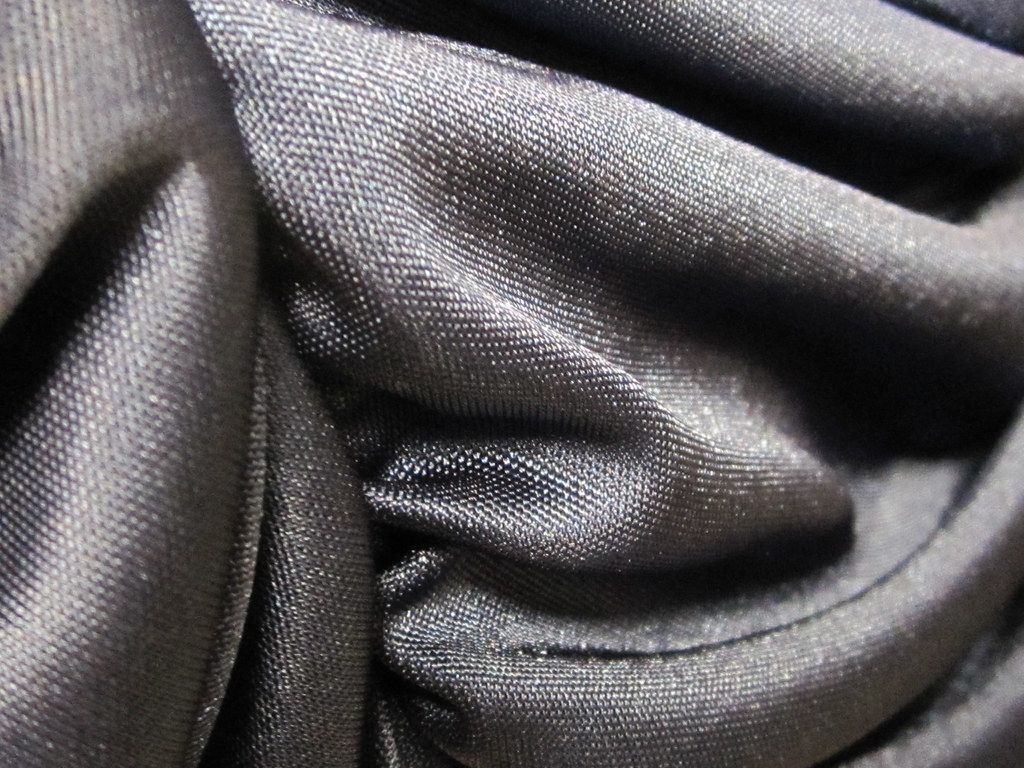
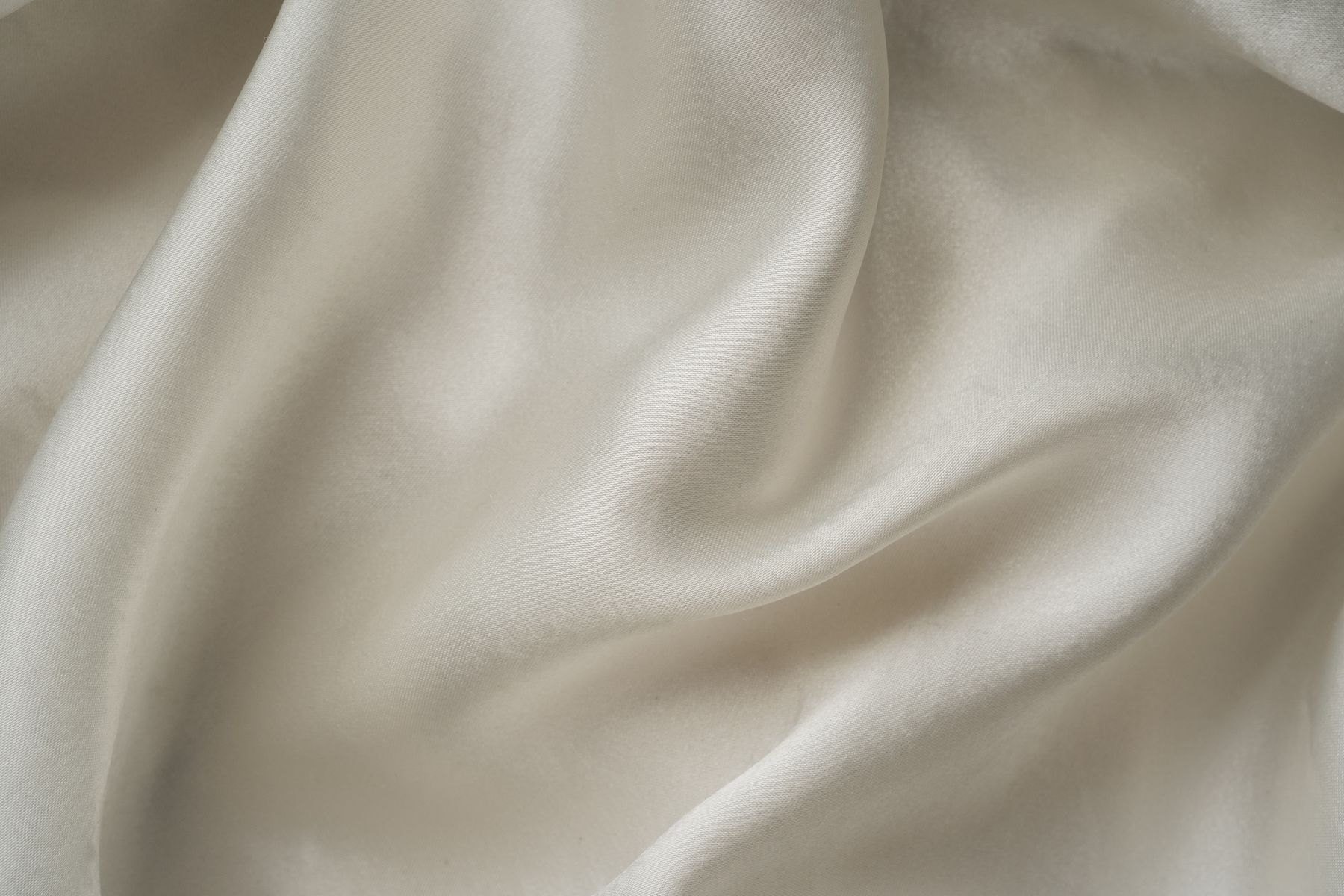
Satin fabric with characteristic sheen

03

Satin

Lustrous weave for premium and gift-led sleepwear — beautiful, and the least forgiving to sew.

  • Glossy face with a matte reverse
  • Fluid, light-catching drape
  • No natural stretch — fit comes from the pattern
  • Unforgiving to sew; seam quality is the whole game

Suited forWomen's pajama sets and cami sets · Kimono and belted robes · Chemises and slip nightwear · Gift and bridal sets

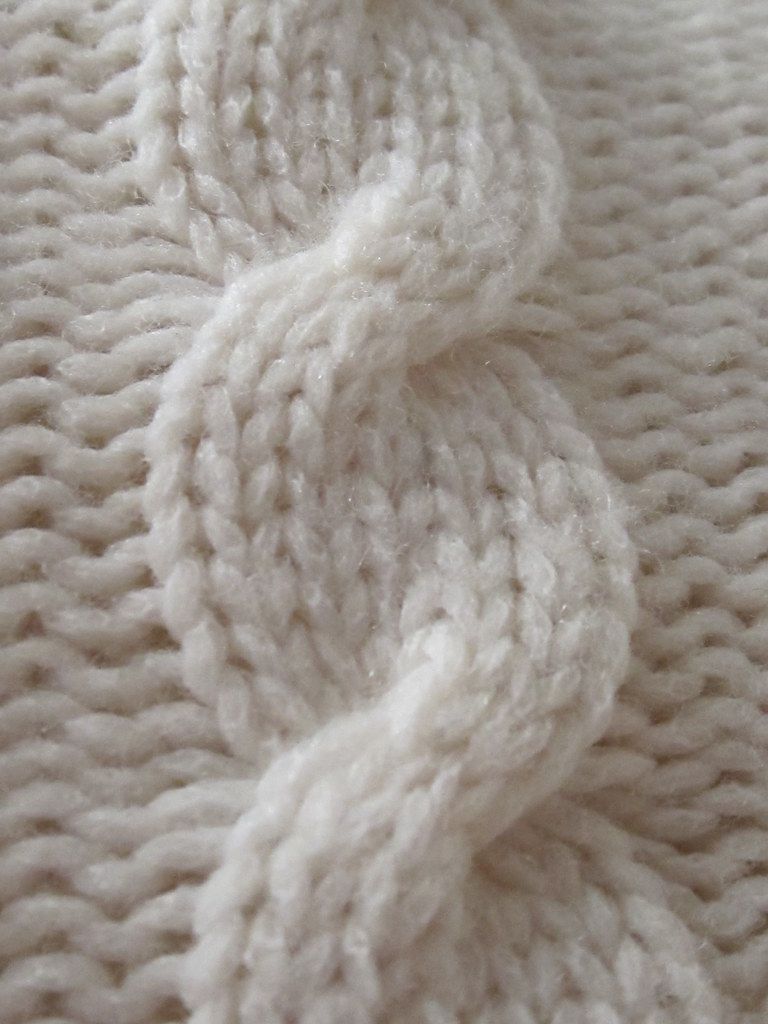
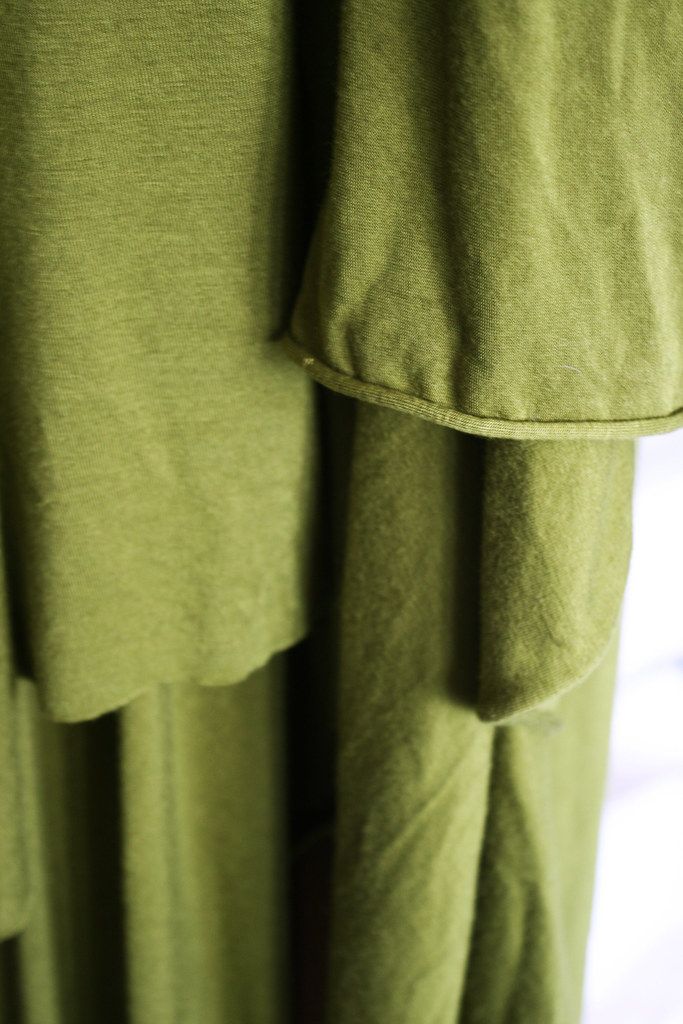
Cotton jersey knit texture detail

04

Jersey

The T-shirt knit of sleepwear — relaxed, stretchy and easy to wear.

  • Natural mechanical stretch from the knit structure
  • Soft, casual and immediately familiar to customers
  • Easy care, high everyday wearability
  • Needs relaxation, washed-sample checks and correct hemming

Suited forT-shirt pajama sets · Sleep pants and shorts · Lounge separates and sleep tees · Everyday nightwear

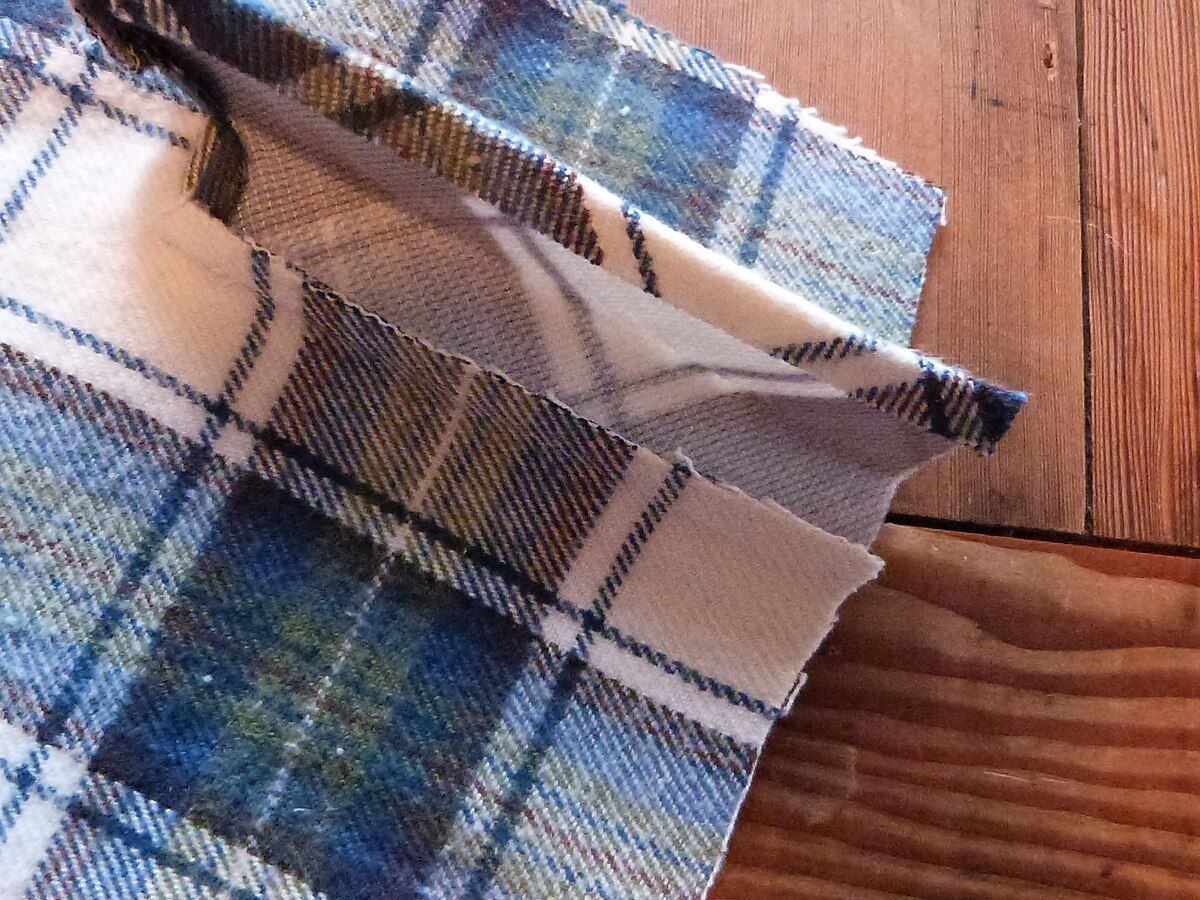
Brushed flannel fabric in a check pattern

05

Flannel

Brushed warmth for winter sets — where brushing quality decides everything.

  • Brushed nap that traps air for warmth
  • Yarn-dyed checks with colour through the full fabric
  • Higher shrinkage than unbrushed cotton wovens
  • Pattern matching increases consumption and cutting time

Suited forWinter pajama sets · Men's classic woven pajamas · Sleep pants · Lounge robes

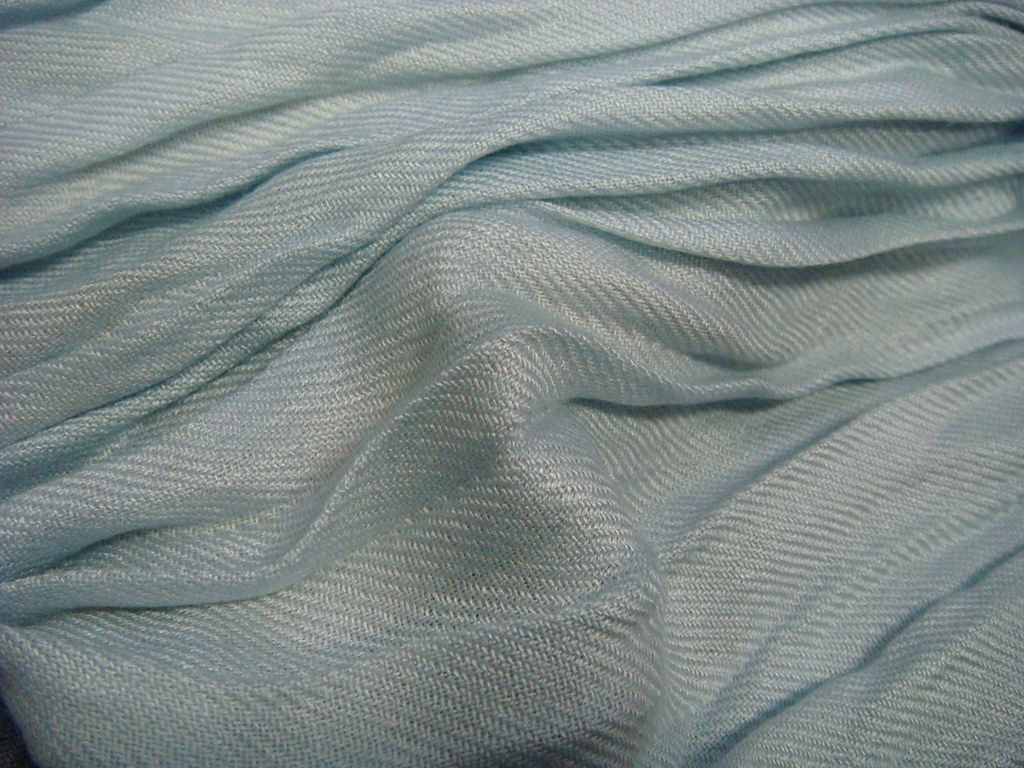
Viscose fabric with flowing drape

06

Viscose

Fluid, breathable drape at an accessible price — with wet handling as the caveat.

  • Fluid drape and cool touch at accessible cost
  • Highly breathable and moisture-absorbent
  • Outstanding print clarity and colour brightness
  • Lower wet strength — laundering behaviour must be verified

Suited forPrinted nightgowns and sleep shirts · Women's summer pajama sets · Lightweight lounge pieces · Camis and shorts sets

Before You Decide

Five checks that prevent most fabric problems

  • Handle physical swatches — photographs do not transmit hand feel, weight or opacity
  • Confirm blend ratio and weight in writing, not just the fabric name
  • Check opacity in your lightest colourway, on a body form
  • Approve fit on a laundered sample so shrinkage is inside the decision
  • If you are printing, approve a strike-off on the actual fabric

Fabric names are not specifications

"Cotton" covers poplin, flannel and jersey — one word on a brief, three different products in the hand. "Modal" can mean a modal-dominant knit or a blend with a few percent modal, marketed identically and feeling nothing alike.

What can actually be sourced against is fibre blend, construction and weight. Part of our job is turning a descriptive brief into that specification — and writing it down, so your second order matches your first.

FAQ

Fabric questions we get asked

How much does a pajama sample cost?

Sample cost depends on the style, fabric and customization (printing, embroidery, special trims). We confirm the exact sample fee per project before sampling starts — share your design through the quote form for a precise figure.

How long does sampling take?

Sampling time depends on style complexity, fabric availability and the number of revision rounds. We confirm a sampling timeline with each sample order and keep you updated through development.

Can I use my own pajama design?

Yes. Send a tech pack, reference sample or reference photos and we handle pattern development, grading and sampling to your design. Your designs stay confidential to your project.

Will my fit sample be washed before I approve it?

Yes — we launder fit samples before sending them. Cotton shrinks, knits relax and viscose can distort, so a sample approved unwashed is not the garment your customer receives. Approving fit on a washed sample removes the most common cause of bulk fit complaints.

Can you source custom fabrics?

Yes. Beyond stock cotton, modal, satin, jersey, flannel and viscose options, we source custom blends, custom-dyed colors and custom prints. Custom-developed fabrics carry higher minimums, which we confirm during quoting.

Can you match Pantone colors?

Yes. For custom-dyed fabrics we produce lab dips against your Pantone reference for approval before bulk dyeing, so the production color matches the approved standard.

Not sure which fabric fits your product?

Tell us what you are building and the price you need to hit. We will propose two or three candidates and send physical swatches.