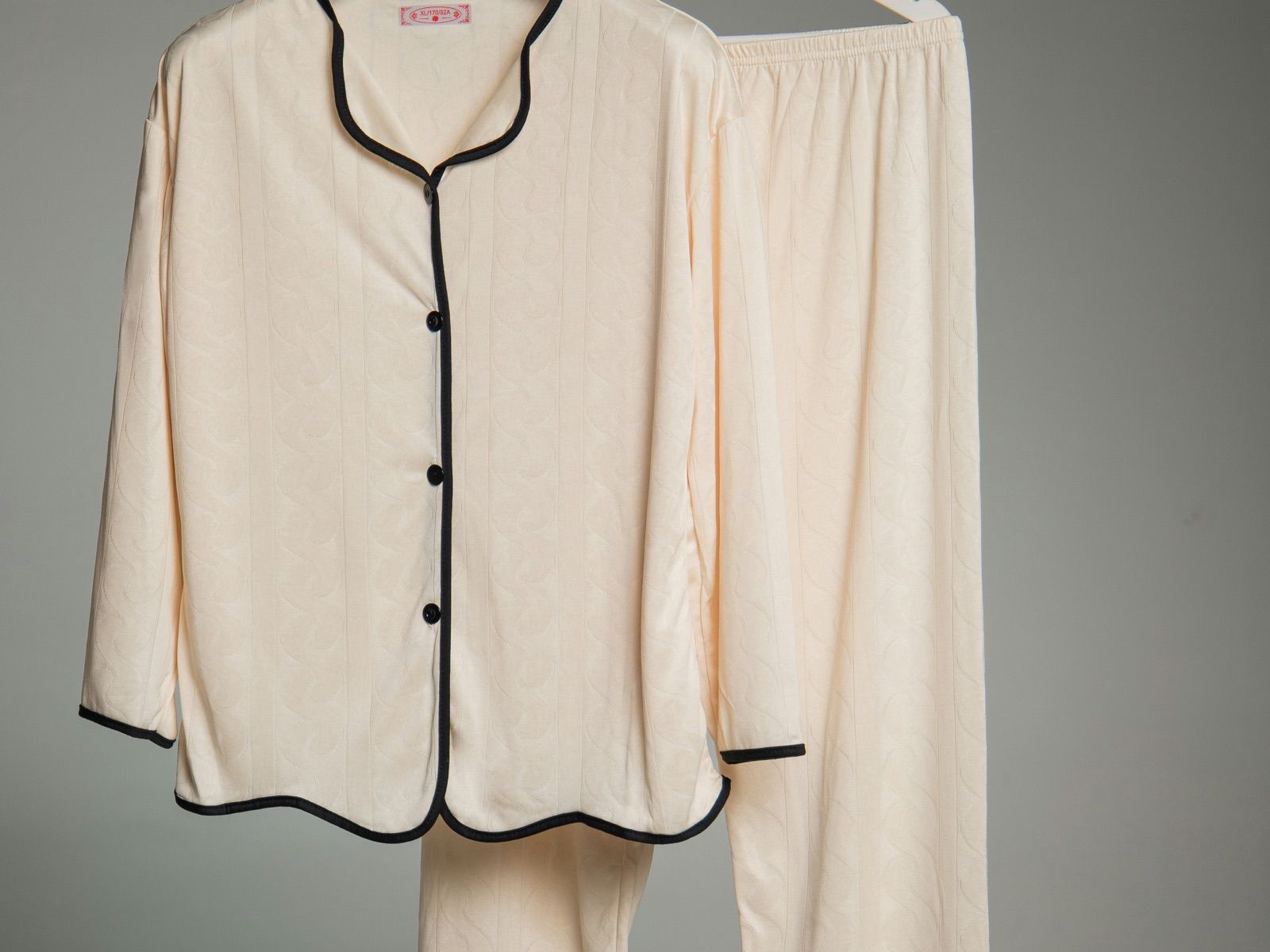
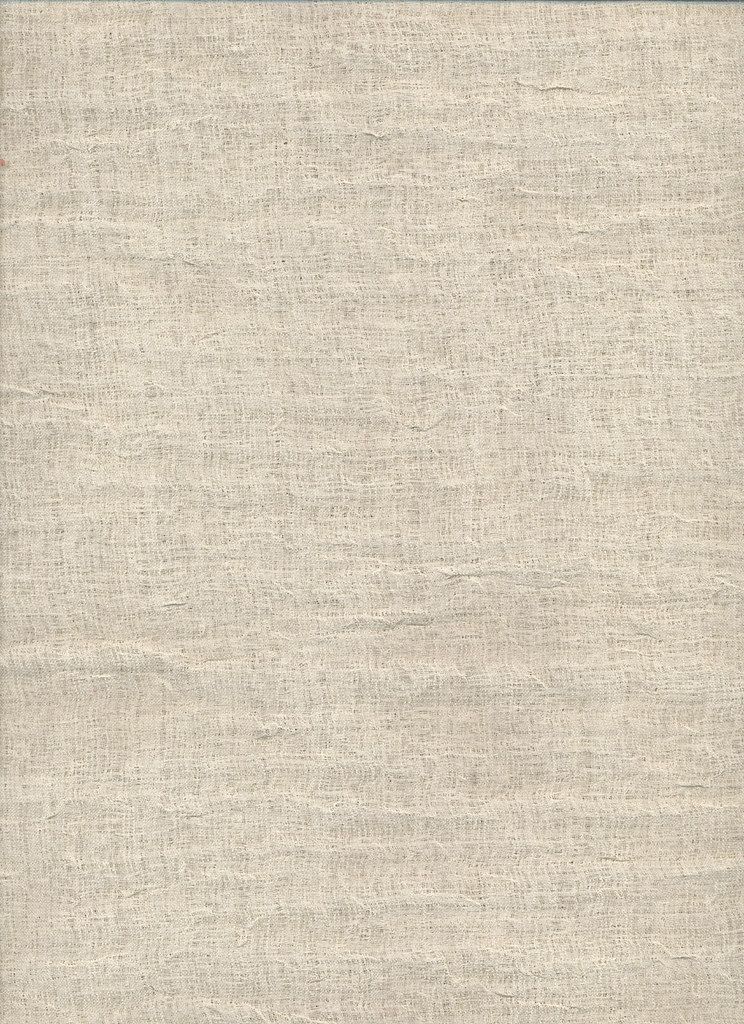
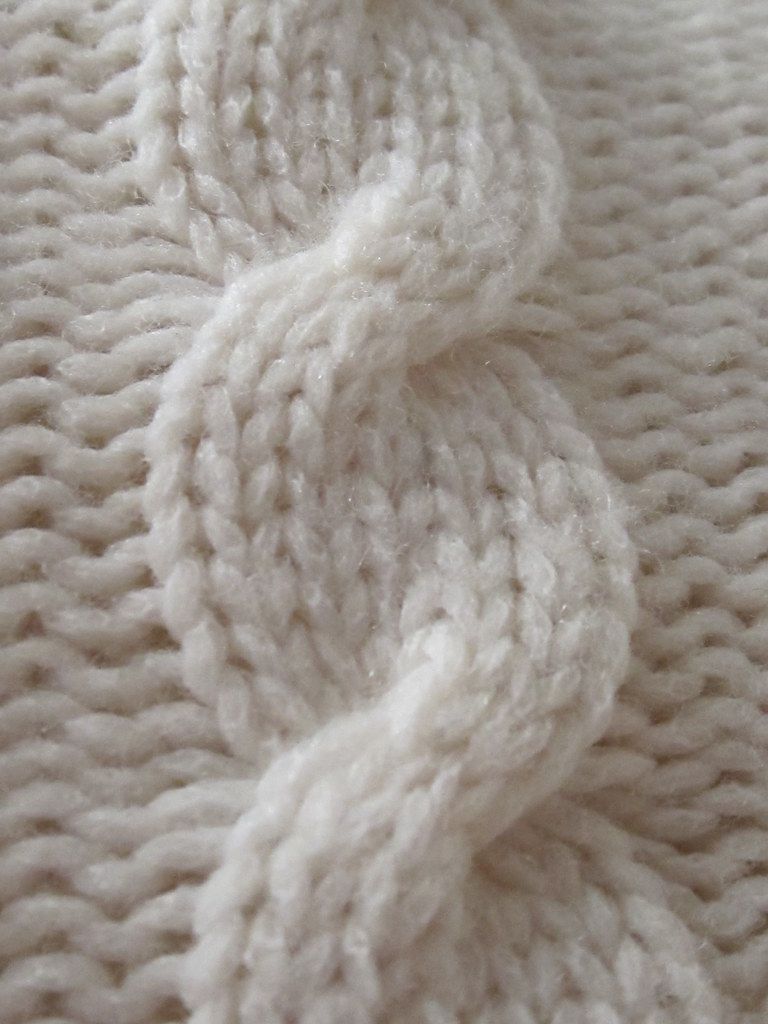
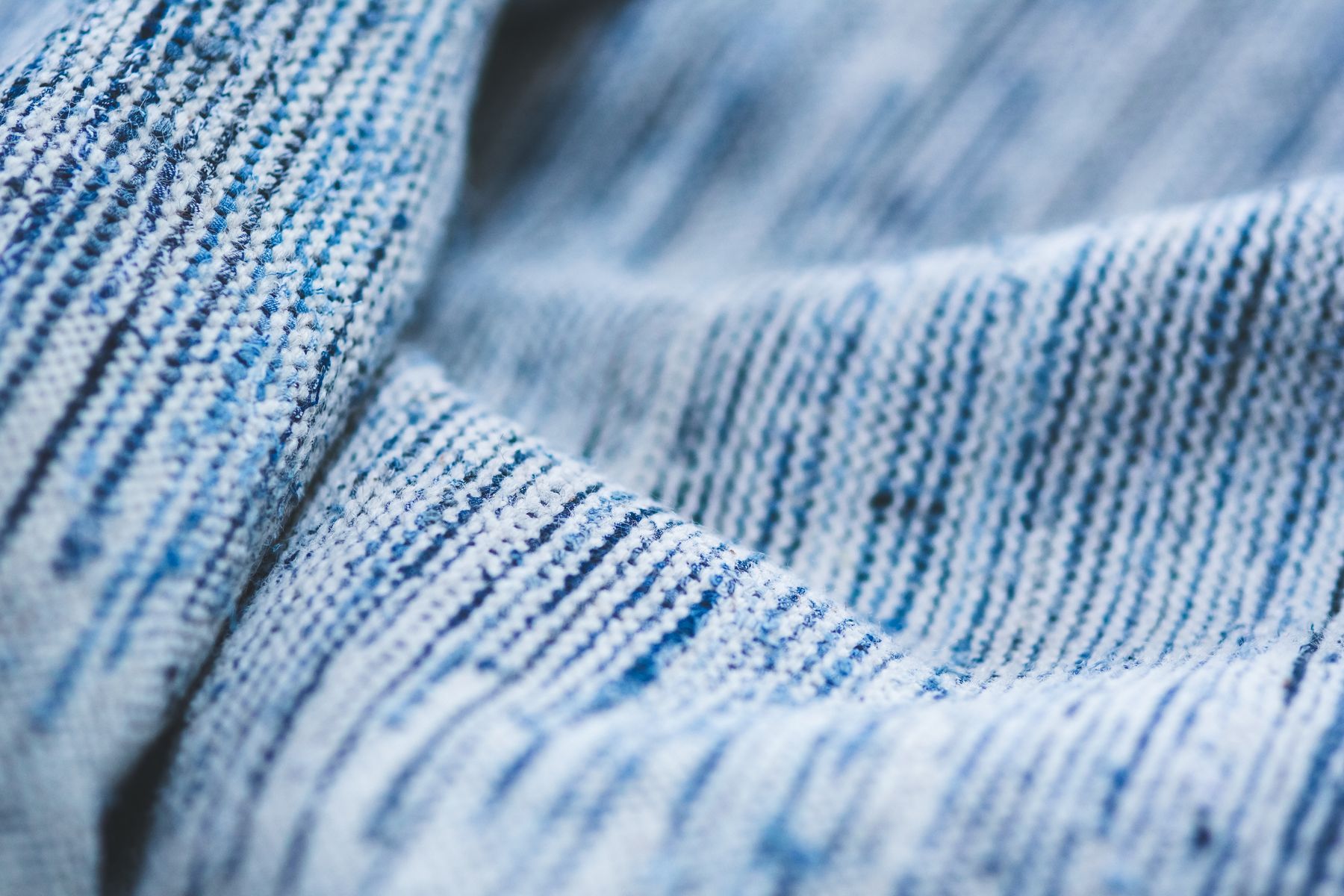
Fabrics
Pima Cotton vs Organic Cotton for Pajamas
Pima describes the fiber and organic describes the farming, so they are not alternatives. What each one changes in a pajama fabric, what each label legally requires, and how to specify either one to a factory.
By PajamaWorks Team, Sleepwear production team, Dongguan Hualingniao Apparel ·
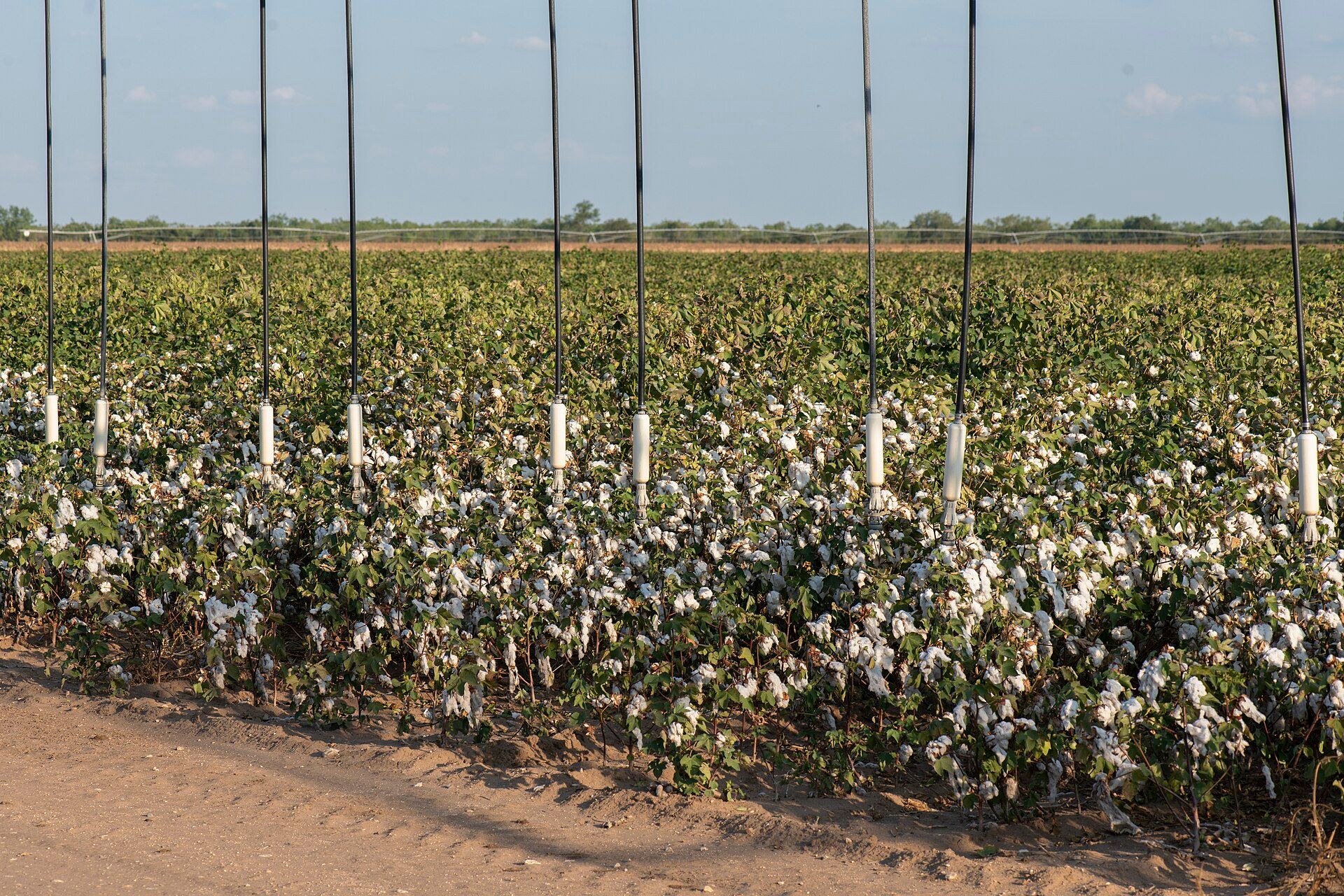
Pima cotton and organic cotton are not alternatives. Pima describes the fiber: an extra-long staple cotton that spins into finer, smoother, stronger yarn. Organic describes how the cotton was farmed and whether that can be documented. A pajama fabric can be either, both or neither, so the useful question for a brand is which claim your customer will pay for and which one you can prove.
For a brand, one claim changes the fabric, the other changes the paperwork, and both are regulated on the label.
Two labels that answer different questions
| Pima cotton | Organic cotton | |
|---|---|---|
| What the word describes | The fiber: extra-long staple cotton | The farming, and the chain of custody after the farm |
| What it changes in the garment | Yarn fineness, smoothness, strength, pilling | Nothing you can feel. Staple length can be anything |
| How it is proved | Supplier declaration and yarn specification; licensed trademarks such as Supima | Certificates: farm, facility and transaction |
| Main commercial cost | Higher fiber and yarn price | Certified supply, documentation and often a higher minimum |
| Can they be combined | Yes. Organic Pima exists, in limited supply |
“Organic” tells you nothing about how soft a pajama feels, and “Pima” tells you nothing about how the cotton was grown.
What Pima changes in a pajama fabric
Cotton fibers vary in length, and length is the property that matters most to a spinner. Longer fibers overlap more along the yarn, so the yarn can be spun finer with less twist and still hold together, and fewer fiber ends stick out of the surface. Supima, the trademark used for extra-long staple cotton grown in the USA, attributes its strength, softness and color retention to that staple length.
In sleepwear that shows up in two places:
- Surface. Fewer protruding ends means a smoother hand and less pilling. Pilling resistance can be tested, for example with the ASTM D3512 random tumble method, so ask for a result rather than accepting the fiber name as the evidence.
- Fine, light fabrics. A finer yarn makes a lighter jersey or poplin without the fabric turning weak or sheer. Our guide to pajama fabric weight and GSM explains why weight and yarn count have to be read together.
What Pima does not change is cotton’s basic behavior. It still shrinks, and it still needs the pre-shrinking and washed-sample checks described in why pajamas shrink after washing. The yarn also matters as much as the fiber: a combed, compact-spun yarn from good upland cotton can outperform a carded yarn from a fiber sold as Pima.
What organic changes, and what it does not
Organic is a claim about agriculture. According to Textile Exchange, raw cotton can only be sold as organic if the farm is certified to its government-controlled organic standard. Once the cotton leaves the farm, voluntary chain-of-custody standards take over, chiefly the Organic Content Standard (OCS) and the Global Organic Textile Standard (GOTS). OCS tracks the organic content through the supply chain. GOTS also sets requirements for how the textile is processed.
For a brand, three points follow:
- It is a documentation claim. Each facility that handles the fiber holds a scope certificate, and each change of ownership is covered by a transaction certificate stating the volume sold. If the certificates do not reach the company that ships your goods, the claim does not reach your hang tag.
- It does not change hand feel. Organic cotton can be any staple length, so the fabric still has to be specified by yarn, construction, weight and finish, exactly as for conventional cotton.
- It narrows the supply. Certified yarn and fabric come from fewer mills, which usually affects price, minimums and lead time. See how fabric minimums work in our fabric sourcing service.
In the United States, the USDA allows a label to state that specific fibers are organic, with the percentage, when those fibers are certified organic, and it accepts GOTS-certified textiles being sold as organic. It does not allow a label to state or imply that the finished product is USDA organic unless the product itself is certified to the USDA regulations.
What each word requires on the label
Both words are regulated once they appear on the garment.
Pima. The U.S. Federal Trade Commission permits a premium cotton name in the fiber disclosure only when it is truthful. A label can say “100% Pima Cotton” only if all of the cotton is Pima. If half of it is, and you use the word at all, the label has to say so, for example “100% Cotton (50% Pima)”. That makes blended “Pima” yarn a labeling problem, not just a quality one, so get the Pima content in writing from the mill.
Organic. The claim has to match the certificate. A garment made from certified organic fabric in an uncertified factory is not the same claim as a certified finished product, and the wording on the hang tag should follow what the documents actually cover.
How to choose for a pajama range
- Choose Pima when the product promise is hand feel and longevity: premium knit sets, fine poplin, anything sold on softness after many washes.
- Choose organic when the customer is buying the sourcing story, as in baby-adjacent gifting, natural-living retailers, and markets where retail buyers ask for certificates. Children’s sleepwear carries its own flammability rules, which are a separate decision.
- Choose both only when the price point can carry two premiums and the supply is confirmed before you design the range around it.
- Choose neither more often than marketing suggests. A well-specified combed cotton, in the right construction and weight, is the right answer for most mid-priced sleepwear. Our cotton fabric guide covers the constructions, and cotton vs modal covers the other common upgrade path.
What to give the factory
- The claim you intend to print on the label and hang tag, word for word.
- For Pima: the required Pima percentage, the yarn count, and whether the yarn is combed or compact spun.
- For organic: which standard the claim rests on, and which documents you need with the shipment.
- Fabric construction and target weight, with the test methods you expect results for.
- The care process, so shrinkage is measured on a washed sample during sample development.
- Quantity per style and color, because certified and long-staple fabrics are where mill minimums bite first.
Questions brands ask
What are the disadvantages of Pima cotton? Cost and supply. The yarn is more expensive, fewer mills stock it in sleepwear constructions, and the name is often applied to blends, which creates a labeling risk. It still shrinks and creases like any cotton.
Is Pima cotton better than 100% cotton? Pima cotton is 100% cotton. It is a longer-staple type, so at the same construction it generally gives a smoother, stronger, less pill-prone fabric than shorter-staple cotton. Yarn quality and finishing can narrow or reverse that gap.
Is Pima cotton chemical free? No cotton is chemical free, and the term has no standard meaning. Pima says nothing about farming or processing. If that is the claim you want to make, it rests on organic certification or on a tested standard for harmful substances, not on the fiber type.
Is organic cotton better than cotton? Not in the fabric. Organic cotton is not inherently softer or more durable, because staple length and yarn quality decide that. What it offers is a documented farming claim, which has value only if your customer wants it and your paperwork supports it.
Next step
Decide the label claim before the fabric, then send us the claim, the target construction and weight, and the quantity per style and color. We will tell you what is available for your quantity, and which documents can come with it, before sampling starts. Browse the pajama set program for the styles we develop, or request a quote with your fabric brief.