Custom Pajama Manufacturing
Custom Nightwear Manufacturer
Single-piece nightwear lives or dies on fabric and length. We develop nightgowns, sleep shirts, chemises and maternity styles — print-led or plain — from first pattern through graded bulk production.

One piece, nowhere to hide
A two-piece set distributes attention across a top and a bottom. A nightgown is one panel of fabric doing everything — so the fabric choice, the neckline and the hem carry the entire quality impression. There are fewer components to get wrong and much less room to compensate.
In practice this makes nightwear cheaper to assemble and more sensitive to fabric selection than any other category here.
Length is a specification, not a description
“Midi” and “long” mean nothing across brands. Specify length as a measurement from the high point of the shoulder, per size, and state whether that measurement is before or after washing. Length is also the measurement most affected by shrinkage in knits and viscose — which is why we ask for fit approval on a washed sample.
Print-led ranges need an extra approval loop
Nightwear is the most print-dependent category in sleepwear. If your programme is print-led, plan for:
- Artwork supplied at production resolution with repeat information
- A strike-off printed on the actual fabric, not a proof on paper or cotton
- Colour approval against that strike-off, in the lighting condition you care about
- Placement rules for engineered prints — where the repeat falls on the body
Viscose and modal both take print exceptionally well, which is why they dominate this category. The same artwork on cotton reads flatter and more matte.
Maternity is its own pattern
Maternity nightwear is not a standard nightgown one size up. Bust and body room, nursing access and length behave differently, and the styles are usually developed as a separate pattern from the outset. If it is part of the plan, say so before the base pattern is locked.
What to confirm before bulk
- Length per size, measured on a washed sample
- Print strike-off approved on the real fabric
- Opacity in the lightest colourway, checked on a body form
- Neckline and strap construction on the sealed sample
In Production
How this product is made
Reference photography for the production details discussed on this page. Request current factory evidence for your specific program during quotation.
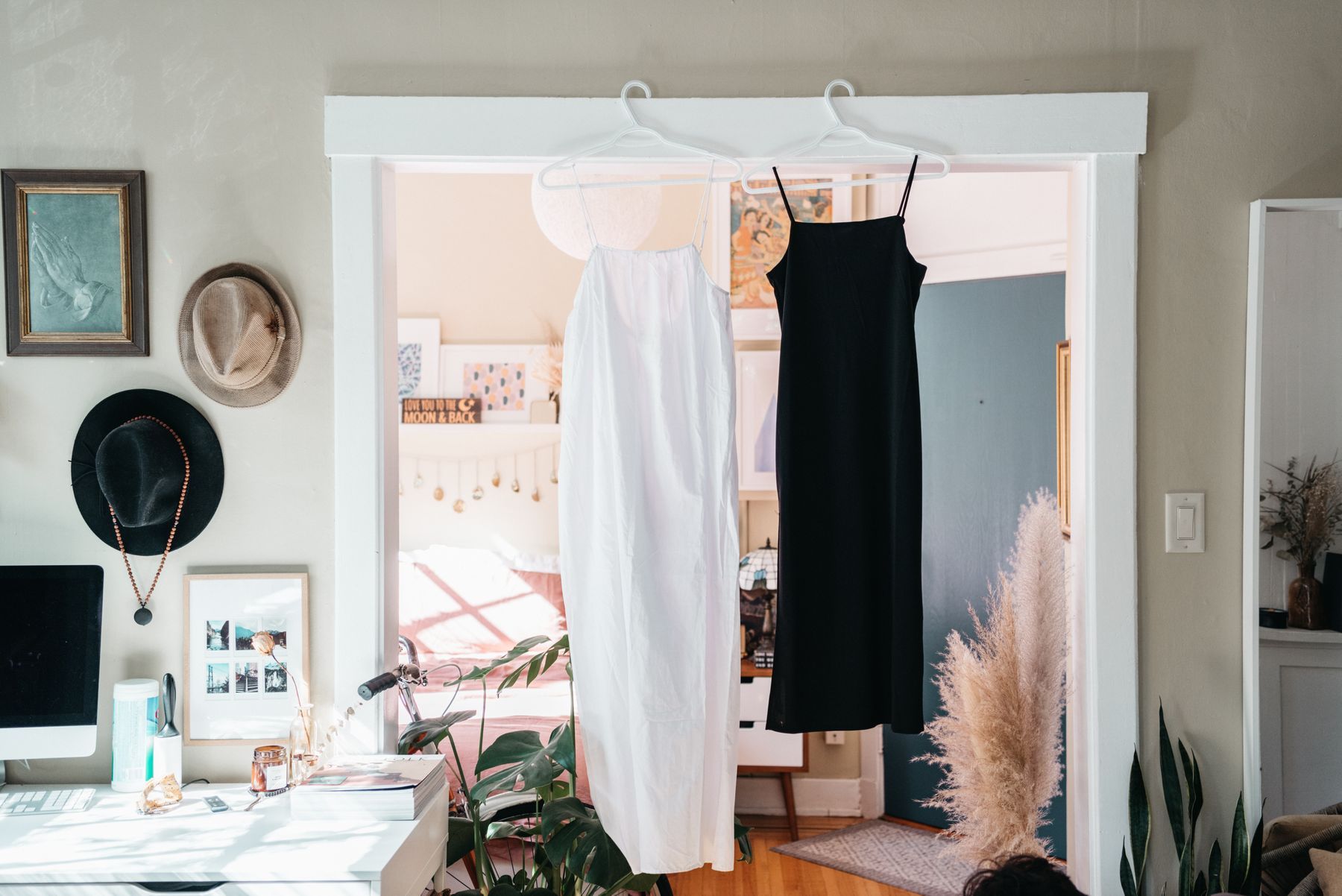
Nightgowns and long styles 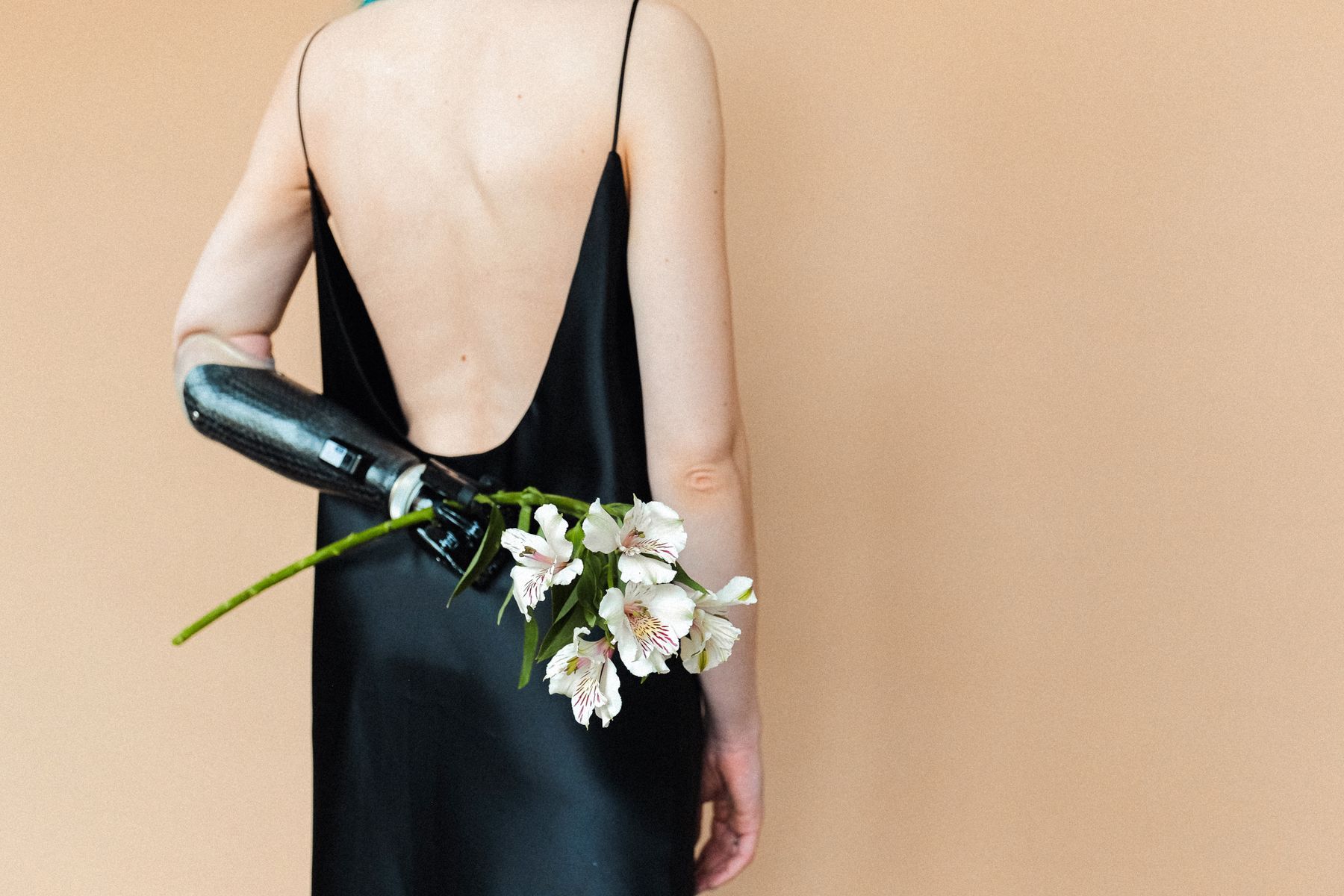
Strap and bias detail 
Slips and lightweight styles
Available Styles
Nightwear we develop
Nightgowns
Knee to ankle length, usually woven viscose or knit modal. Length and hem weight decide how it hangs.
Sleep shirts
Shirt-styled with a placket and collar, cut long. Reads as a shirt, worn as nightwear.
Chemises
Short, strap-supported, often satin or modal. Strap and bust construction are the fit-critical points.
Sleepshirt dresses
Longer jersey styles that cross into loungewear and are worn outside the bedroom.
Maternity nightwear
Adjusted through the bust and body with nursing access where required. A distinct pattern, not a graded-up standard style.
Construction
Details worth specifying
Confirm these on the sample. Each one changes how the finished garment reads.
- Neckline finish — the single most visible construction detail on a one-piece garment
- Strap width, adjustability and anchoring on chemise styles
- Bust shaping: darts, shirring, princess seam or unstructured
- Hem weight and finish, which decides whether the garment hangs or clings
- Side seam and slit placement on longer lengths
Related Fabrics
Fabric options for nightwear
Fabric decides how the product feels, drapes and survives washing. Compare the realistic options before sampling.
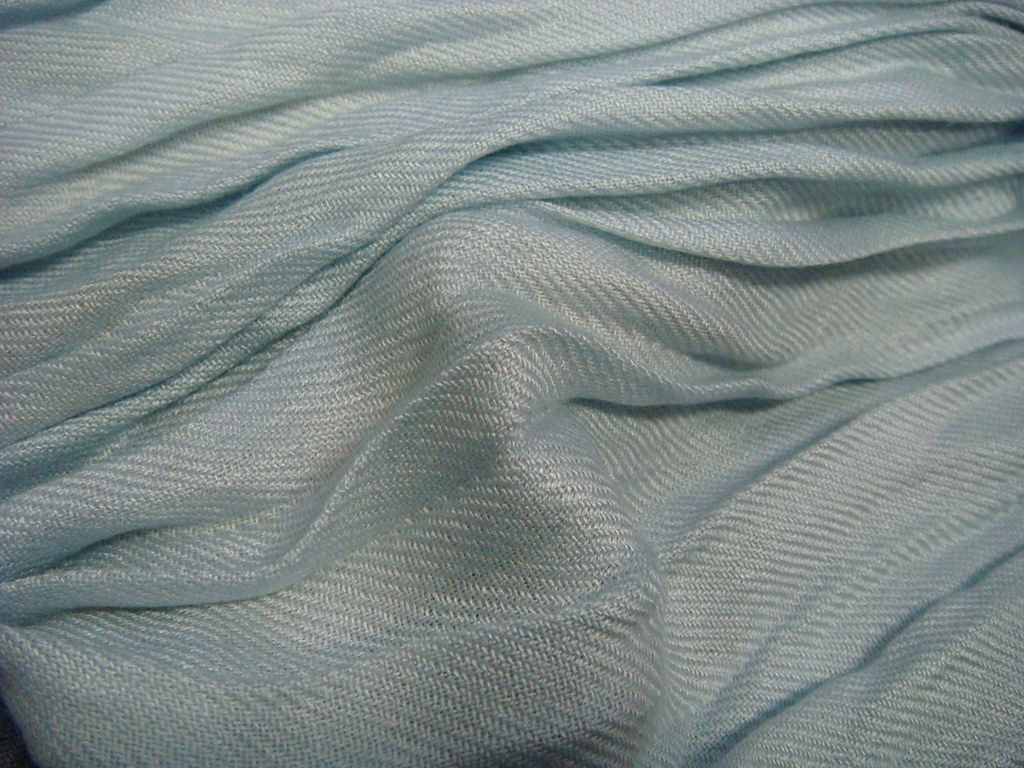
Modal
Silky cellulosic knit with fluid drape and deep colour — the premium-feel comfort option.
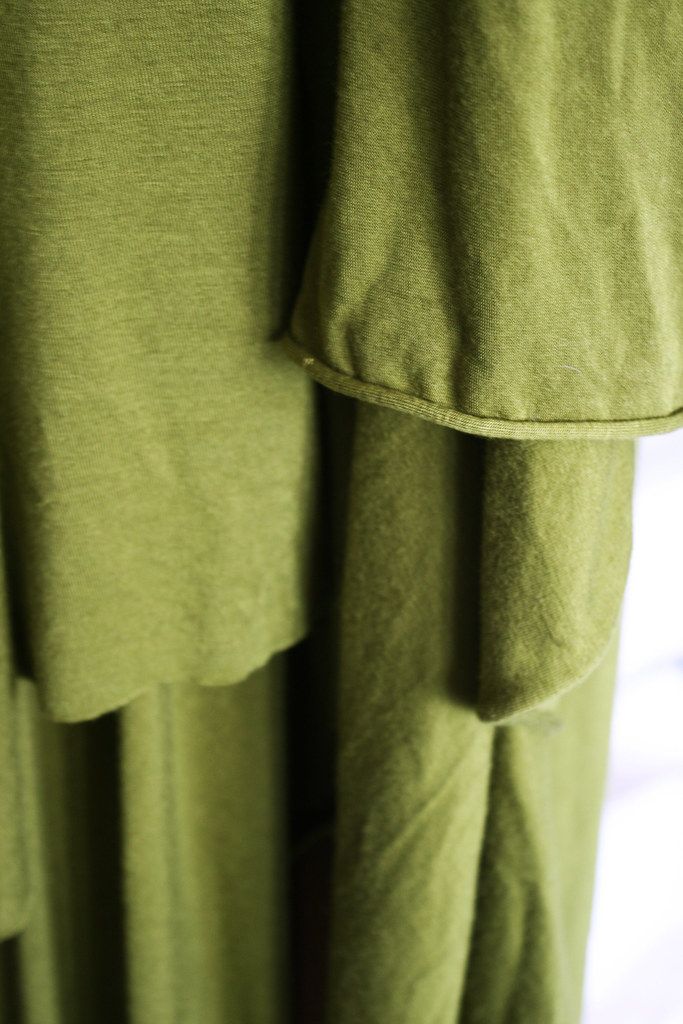
Viscose
Fluid, breathable drape at an accessible price — with wet handling as the caveat.
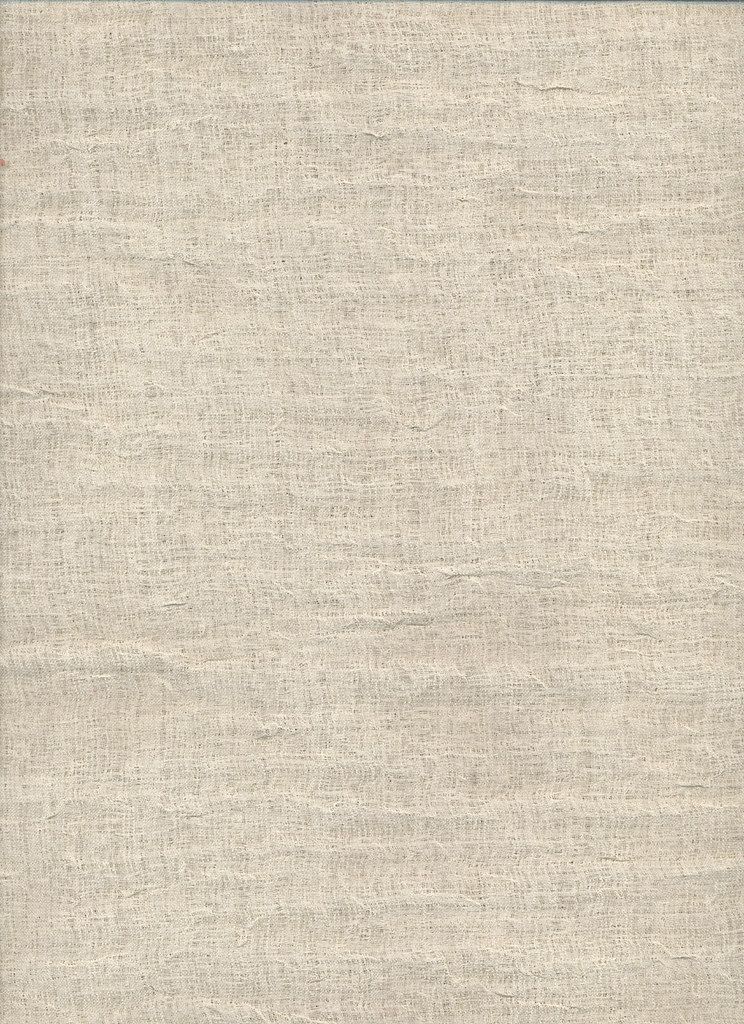
Cotton
The sleepwear default — breathable, easy to print, easy for customers to care for.
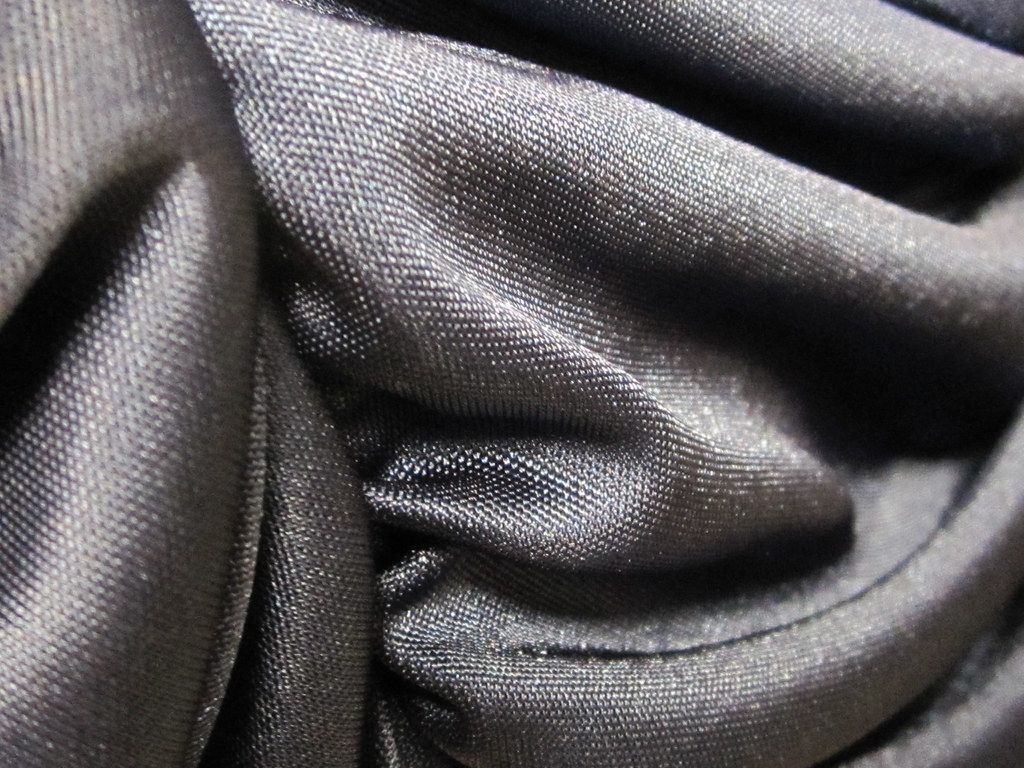
Satin
Lustrous weave for premium and gift-led sleepwear — beautiful, and the least forgiving to sew.
Customization
What you can change
- Print artwork development and colourway matching
- Custom lengths across the size range
- Lace, binding and trim selection
- Nursing access for maternity styles
- Custom size chart and grading
Private Label
Retail-ready under your brand
- Woven main label, or printed/heat-transfer label where a neck label would irritate
- Care and composition labels to your market's requirements
- Hang tags and swing tickets
- Polybag or gift packaging
Sampling
From brief to sealed sample
- Fabric and print strike-off approved before the garment sample
- Full-length fit sample — a shortened sample tells you nothing about hang
- Washed sample checked for length change and hem distortion
- Size set where the length grade is new
- Approved sample sealed for bulk reference
Quality Control
What gets checked
- Print registration and colour matched to the approved strike-off
- Neckline and strap construction checks in line
- Length measurement per size against the approved chart
- Final random inspection before packing
Minimum Order Quantity
MOQ depends on the style, fabric and customization involved — a stock-fabric knit set and a custom-dyed woven set are not the same commitment. We quote it per project rather than publishing one number that would be wrong for most enquiries.
Manufacturing Process
How a nightwear order runs
The stages your order passes through, in order. Each one has its own page.
01
Printing & Embroidery
Printing and embroidery for sleepwear: fabric printing, placement prints, embroidery and monogramming, with strike-offs and stitch-outs approved before bulk.
Learn more →
02
Fabric Sourcing
Fabric sourcing for pajama production: cotton, modal, satin, jersey, flannel and viscose, plus custom dyeing with lab dips and print strike-offs.
Learn more →
03
Sample Development
Pajama sample development from tech pack or reference garment: pattern making, fabric swatches, fit samples, revision rounds and a sealed production standard.
Learn more →
04
Quality Control
Pajama quality control: fabric inspection before cutting, in-line sewing checks, measurement checks against the sealed sample and final inspection before packing.
Learn more →
FAQ
Nightwear — common questions
What is your pajama MOQ?
MOQ starts from 100 pcs per design in stock fabrics (cotton, modal, satin, jersey, flannel, viscose). Custom-dyed, custom-printed or custom-woven fabrics raise the minimum because the mill minimum applies; we confirm the exact figure for your style in the quotation.
How much does a pajama sample cost?
Sample cost depends on the style, fabric and customization (printing, embroidery, special trims). We confirm the exact sample fee per project before sampling starts — share your design through the quote form for a precise figure.
How long does sampling take?
A first sample usually takes about 7–10 days once the design is confirmed. Complex styles, sourced fabrics and extra revision rounds add time; we confirm the sampling timeline with each sample order and keep you updated through development.
Can I use my own pajama design?
Yes. Send a tech pack, reference sample or reference photos and we handle pattern development, grading and sampling to your design. Your designs stay confidential to your project.
Will my fit sample be washed before I approve it?
Yes — we launder fit samples before sending them. Cotton shrinks, knits relax and viscose can distort, so a sample approved unwashed is not the garment your customer receives. Approving fit on a washed sample removes the most common cause of bulk fit complaints.
Can you source custom fabrics?
Yes. Beyond stock cotton, modal, satin, jersey, flannel and viscose options, we source custom blends, custom-dyed colors and custom prints. Custom-developed fabrics carry higher minimums, which we confirm during quoting.
Can you match Pantone colors?
Yes. For custom-dyed fabrics we produce lab dips against your Pantone reference for approval before bulk dyeing, so the production color matches the approved standard.
Who owns the pattern developed for my product?
Ask us and we will put it in writing before development starts. Pattern ownership is a commercial term rather than a fixed rule, and it is better agreed at the outset than assumed. Your designs, tech packs and reference materials stay confidential to your project either way.
Ready to develop your nightwear?
Send your tech pack, reference garment or product requirements — we will come back with a manufacturing plan and quotation.
Related Reading
Guides on this topic
Fabrics
Cotton vs Modal Pajamas — Which Fabric for Which Style
A practical comparison of cotton and modal for sleepwear: hand feel, drape, shrinkage, printing, cost and which pajama styles each fabric actually suits.
Fabrics
Modal vs Viscose for Pajamas
Modal and viscose are close relatives that behave differently in production. How they compare on strength, shrinkage, colour, printing and cost, and which sleepwear styles each one suits.
Manufacturing
How Pajama Sampling Works
What happens between sending a reference garment and approving a production sample — the sample types, what each one is for, and how to write fit comments that actually work.