Manufacturing
How Pajama Sampling Works
What happens between sending a reference garment and approving a production sample — the sample types, what each one is for, and how to write fit comments that actually work.
By PajamaWorks Team, Sleepwear production team, Dongguan Hualingniao Apparel ·
Sampling is where a sleepwear order is actually decided. Everything after it — bulk production, quality control, shipment — is an exercise in reproducing the sample. Which means that anything wrong in the sample gets reproduced too, at scale.
Here is what the stages are, what each one is actually for, and how to make the process take two rounds instead of five.
The sample types, and what each one answers
Different factories use slightly different names, but the sequence answers the same questions in the same order.
Fabric swatches
Question answered: is this the right material?
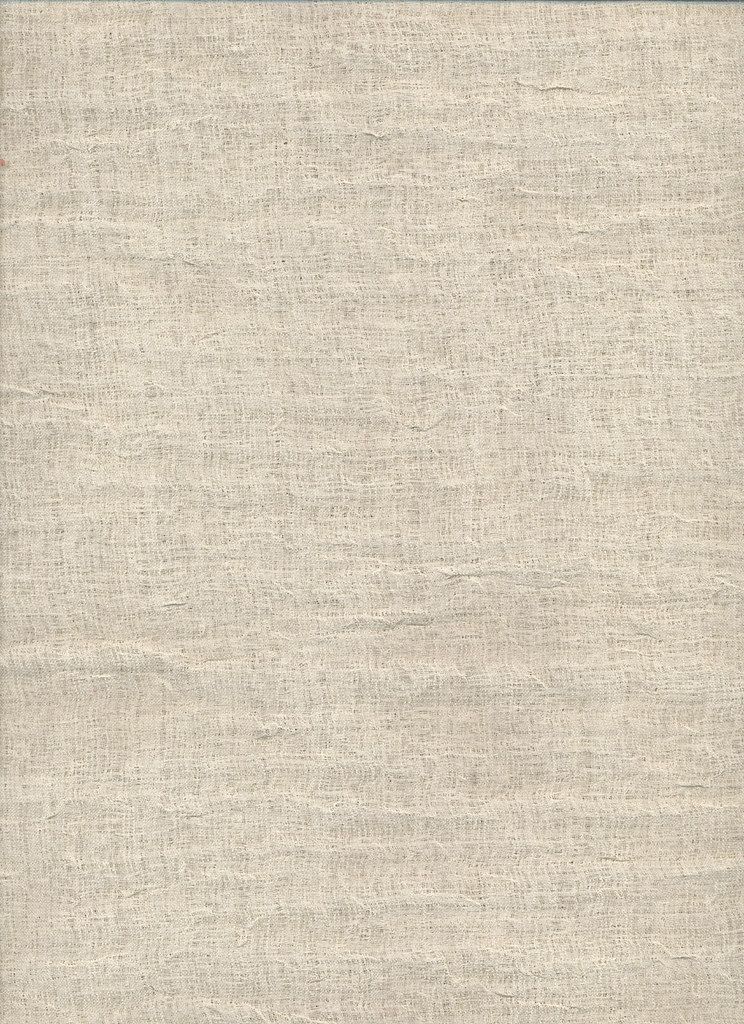
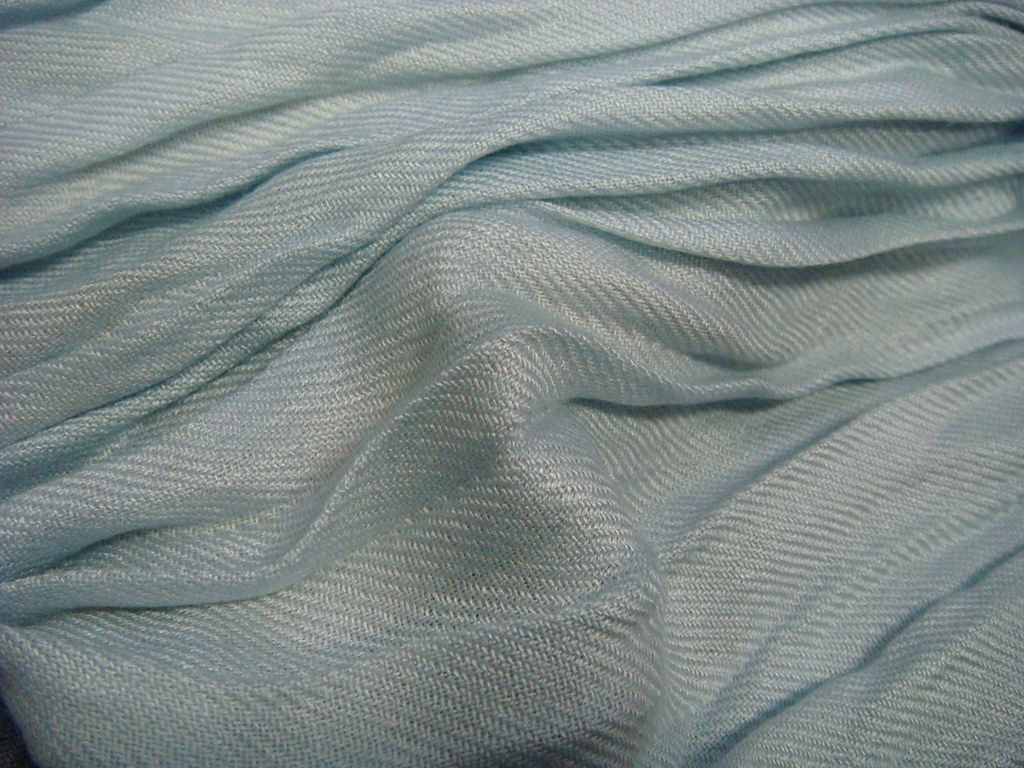
Physical swatches of the candidate fabrics, in the actual construction and weight. Handle them. Check opacity by holding them over skin. If a fabric will be printed, this is also when a strike-off — a test print on the actual fabric — should be produced.
Approving fabric from a photograph is the most common avoidable mistake in sleepwear development.
Proto / first sample
Question answered: is this the right garment?
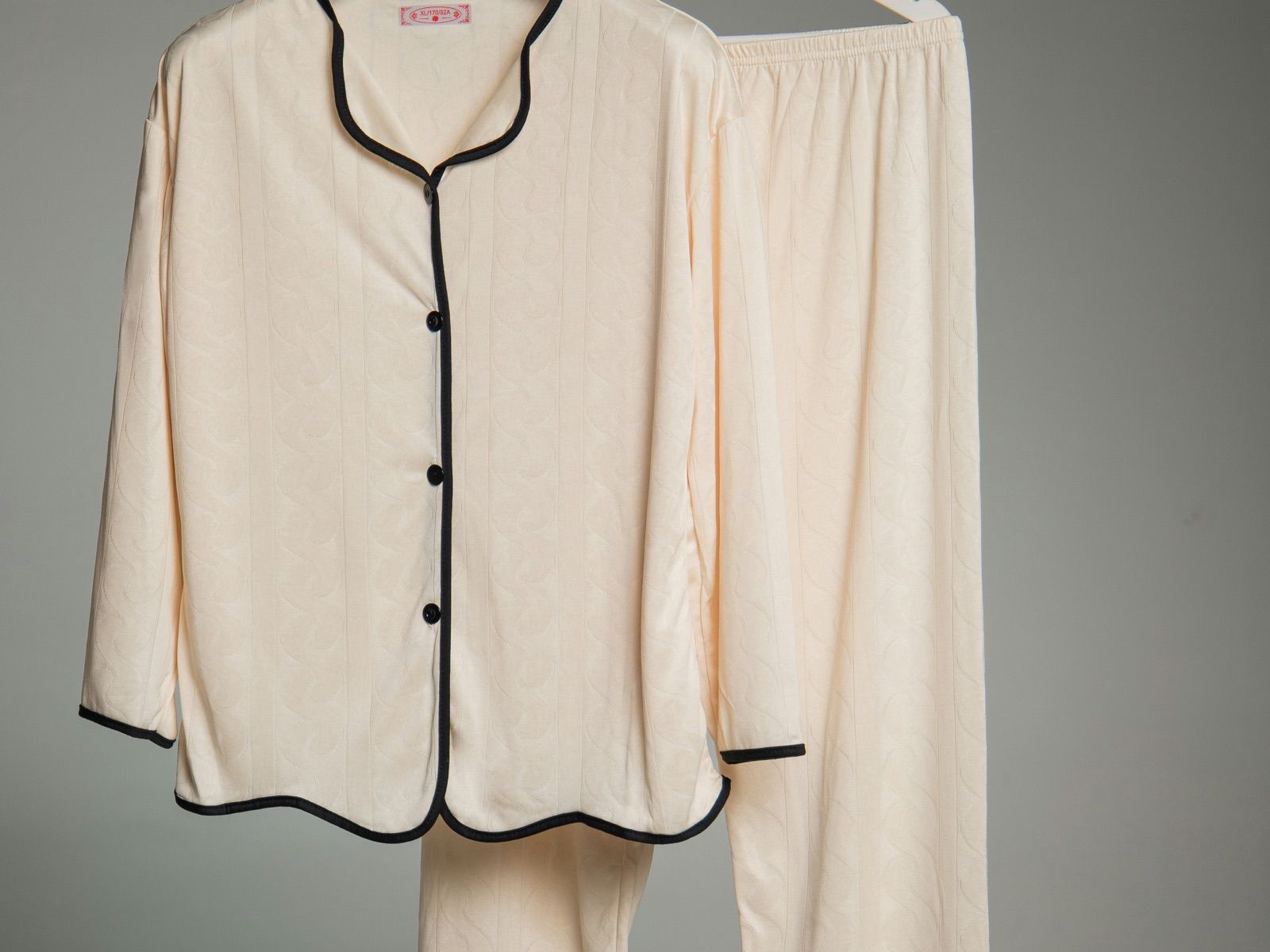
The first physical version of the style. It confirms construction, proportions and trim choices. It is often made in an available substitute fabric of similar weight, because its job is to prove the design rather than the material.
Expect to comment on it. That is what it exists for.
Fit sample
Question answered: does it fit the body you are designing for?
Made in the correct fabric, in your base size, to your size chart. This is the sample your fit comments act on.
Ask for it washed. Cotton shrinks, knits relax, viscose can distort — and your customer only ever wears the washed version. Approving fit on an unwashed sample is approving a garment nobody will receive.
Size set
Question answered: does the grade work across the range?
One garment in several sizes, used when the size chart or grading is new. Grading is not uniform scaling — bust, shoulder, hip and length move at different rates, and a grade that looks correct on paper can produce a poor XL.
Skip this only when you are reusing a grade that has already been proven in production.
Pre-production / sealed sample
Question answered: is this exactly what bulk will look like?
The final approved sample, made in the correct fabric with the correct trims, labels and packaging. Once approved it is sealed — kept as the physical reference that bulk production is checked against.
This is the sample that matters commercially. It is the definition of what you ordered.
How to write fit comments that work
The difference between a two-round and a five-round development is almost always the quality of the comments.
Use measurements, not adjectives.
- ✗ “The sleeve feels a bit short”
- ✓ “Lengthen sleeve 2 cm from the shoulder point”
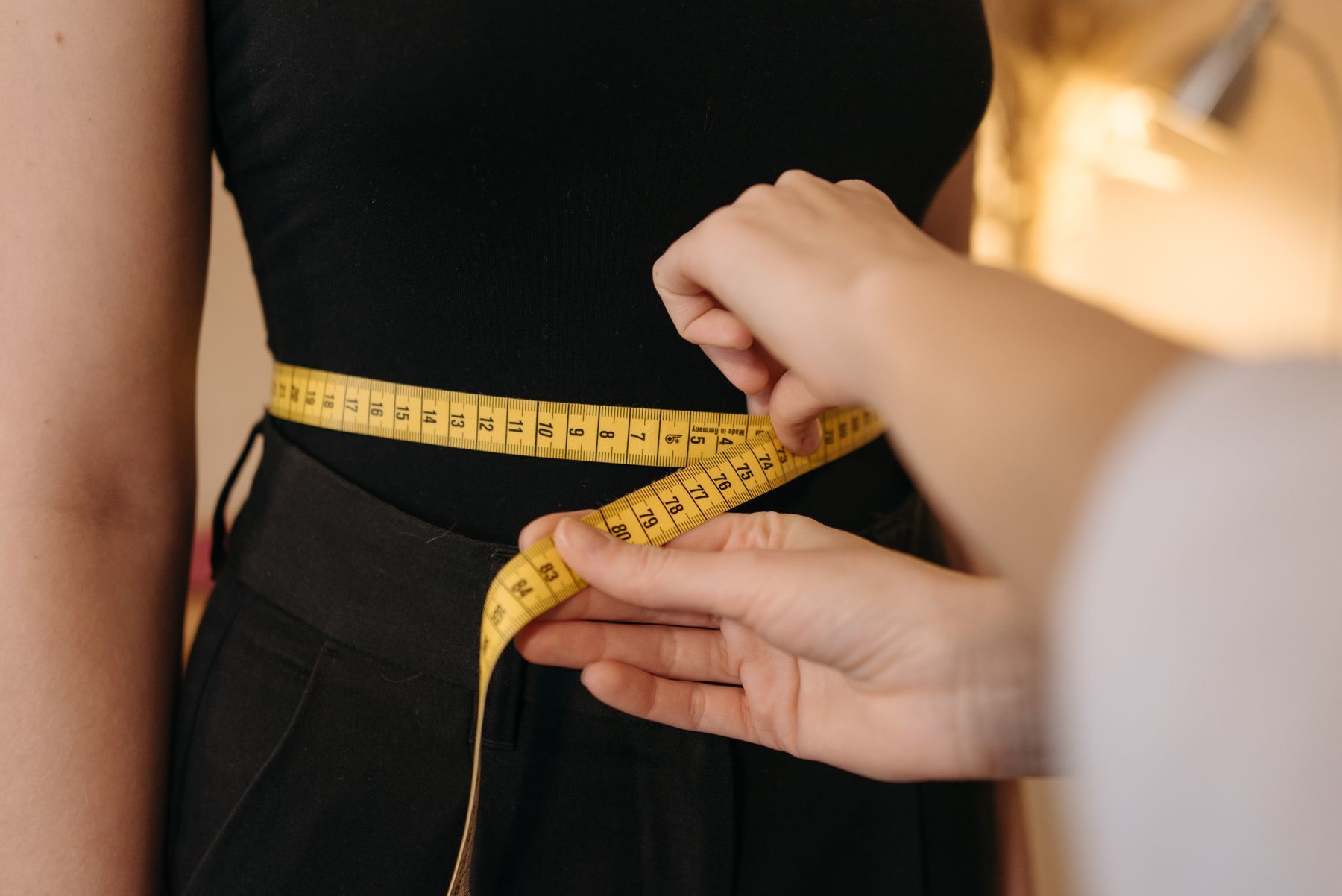
Say where you measured from. “Length 95 cm” is ambiguous; “length 95 cm from the high point of the shoulder” is not.
Change one variable at a time. If you adjust the fit and the fabric and the collar style in the same round, and the next sample is wrong, you cannot tell which change caused it.
Separate fit comments from construction comments. They are acted on by different people — the pattern maker and the production team — and mixing them in one paragraph causes items to be missed.
Photograph the sample on a body, with the problem visible. A photo plus a measurement resolves ambiguity faster than either alone.
What actually costs time
In our experience the stages that stretch are rarely the sewing. They are:
- Fabric decisions made without physical swatches, then reversed
- Vague comments that produce a sample which is different but not better
- Multiple simultaneous changes, which make each round uninterpretable
- Labels and packaging left until the end, which then hold up an otherwise finished sample
- Approving an unwashed sample, and discovering shrinkage after bulk
None of these are technical problems. All of them are sequencing problems.
A realistic sequence
Reference garment or tech pack
        ↓
Fabric swatches + print strike-off approved
        ↓
First sample → comments → fit sample (washed)
        ↓
Fit approved  →  size set (if grading is new)
        ↓
Labels, care labels, packaging approved
        ↓
Pre-production sample → sealed
        ↓
Bulk production checked against the sealed sample
Questions worth asking your manufacturer
- How many sampling rounds are included, and what does an additional round cost?
- Will the fit sample be washed before I approve it?
- Will you send a strike-off on the actual fabric if my product is printed?
- What happens to the sealed sample, and can I have a duplicate?
- Who owns the pattern developed during sampling?
The answers tell you as much about how an order will run as any capability list.