Manufacturing
Pajama Printing & Embroidery
Printing and embroidery for sleepwear: fabric printing, placement prints, embroidery and monogramming, with strike-offs and stitch-outs approved before bulk.
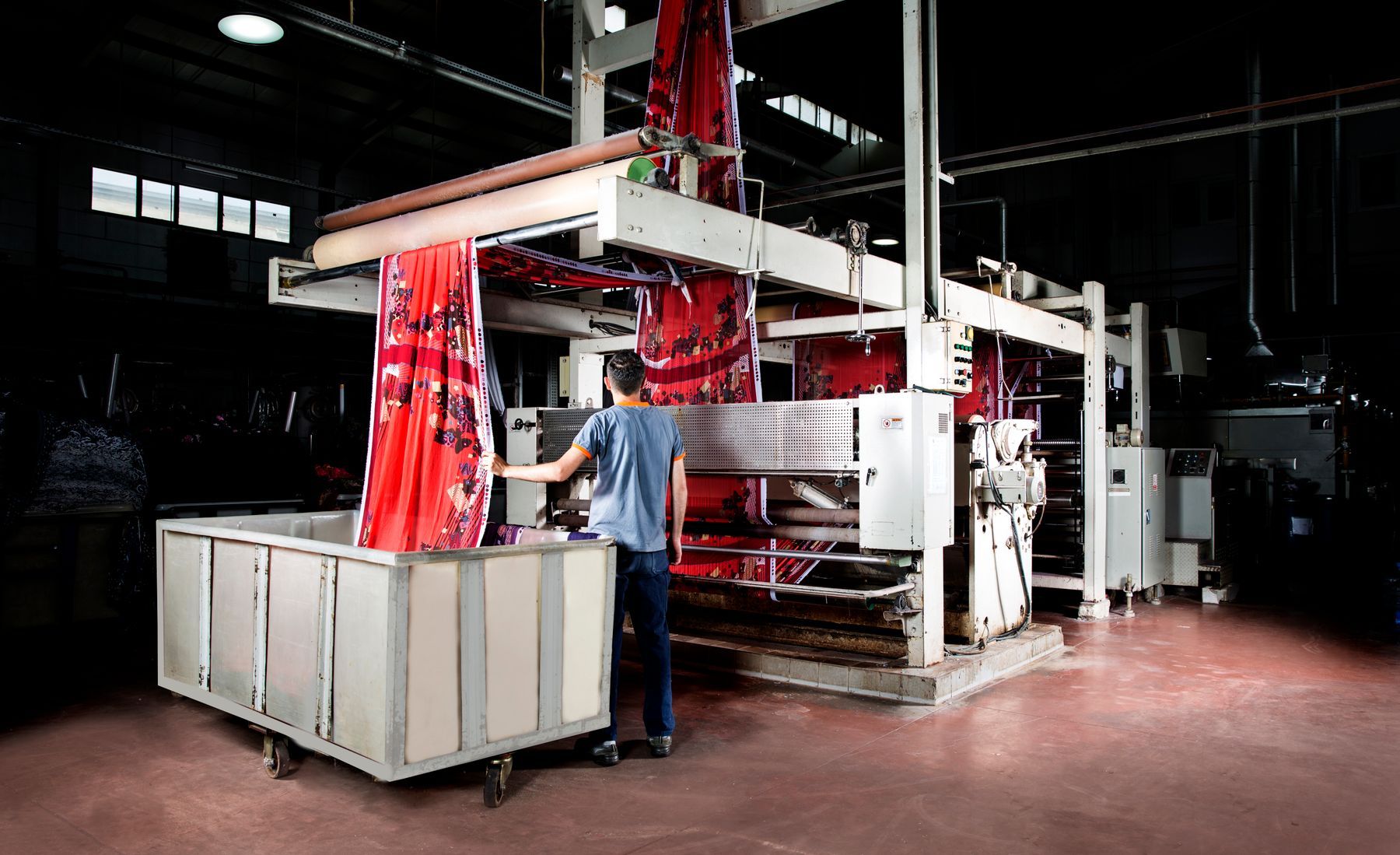
- Print strike-offs produced on the actual fabric before bulk printing
- Embroidery approved as a stitch-out before it goes onto a garment
- Per-unit personalisation supported with a verified name list
Print and embroidery are where a sleepwear range gets its character, and where approval discipline matters most — because both are decided visually and both look different on fabric than on a screen.
Approve on the real fabric, always
A print proof on paper tells you almost nothing. The same artwork reads matte on cotton, glossy on satin, and slightly distorted on a stretchy knit. Colour shifts with the fibre; fine lines move with the fabric.
So the rule is simple: strike-off on the actual fabric, in the actual colourway, before bulk printing. The same applies to embroidery, where a stitch-out on the real fabric shows how the design behaves on that surface.
This costs days and prevents the most expensive category of rework.
Print or embroider — they suit different artwork
Printing handles gradients, photographic detail, dense colour and large coverage. It is the right technique for all-over patterns and detailed graphics.
Embroidery carries a premium, tactile impression and survives washing extremely well. It handles logos, monograms and simple line marks. It does not handle gradients, and small text below a certain size becomes illegible thread.
Where artwork needs both, they are often split: printed body fabric with an embroidered chest logo.
One artwork across several garment sizes
A print repeat does not shrink with the garment. Artwork designed for an adult back panel reads much larger on a toddler front, so a matched family range needs a written scaling rule per size break, one shared ground colour, and a strike-off on every substrate in the range rather than one approval covering all of them.
Our guide to developing matching family and couple pajamas sets out what to specify before artwork is released.
Licensed and third-party artwork
If the artwork is a licensed character, a sports mark or anyone else’s brand, we need documentation that permission exists before the job is quoted — and the licensor will normally want to approve the strike-off and the pre-production sample itself, which adds an approver to every round rather than an extra step at the end. Style guides also carry binding rules on colour values, minimum sizes and permitted alterations, so they have to reach us with the artwork rather than after it.
We implement the approvals you and your licensor agree; we do not assess whether your rights are sufficient, and we will not run third-party artwork without that documentation. Our guide to licensed character artwork for pajamas sets out what the agreement has to cover and what belongs in the artwork pack.
Personalisation is an operations problem
Monogrammed robes are commercially attractive and operationally different. Each unit carries unique artwork, which means:
- The name list has to be verified and signed off — a misspelling is unrecoverable
- Placement is fixed and approved before any unit is stitched
- Units cannot be swapped between orders
- Packing has to keep each unit matched to its name
We will ask for a signed name list and an approved stitch-out before starting. That is the only version of personalisation that does not become rework.
When Buyers Need This
Situations this service answers
If none of these describe your project, this probably is not the step you need — tell us what you are actually trying to solve.
- Your range is print-led and the artwork has to look exactly right
- You want a logo or monogram on a pocket, chest or cuff
- You are producing personalised gift or bridal robes
- You need a placement print positioned precisely on the body
Our Process
How this step runs
- 01
Artwork reviewed
We check resolution, repeat, colour separation and whether the design is achievable in the chosen technique on the chosen fabric.
- 02
Technique selected
Fabric print, placement print or embroidery — each behaves differently and suits different artwork.
- 03
Strike-off or stitch-out produced
A physical test on the actual fabric. Colour, registration and hand feel are approved from this, never from a screen or a paper proof.
- 04
Placement confirmed on the garment
Approved artwork is positioned on the pre-production sample so bulk reproduces the exact placement you sealed.
- 05
Bulk application with in-line checks
Registration, colour and placement are checked during the run rather than only at final inspection.
What We Need From You
Inputs required
The faster these arrive, the fewer rounds development takes.
- Vector or high-resolution artwork with repeat information for fabric prints
- Colour references — Pantone numbers or a physical swatch
- Placement measurements, or a marked reference garment
- For personalisation, a verified and signed-off name list
Options
Choices available
- All-over fabric printing (reactive, digital or sublimation depending on fibre)
- Placement and engineered prints positioned on the body
- Flat, 3D and appliqué embroidery
- Monogramming and per-unit personalisation
- Woven jacquard as an alternative to printing on wovens
Limitations
What this cannot do
Constraints stated up front are cheaper for both of us than constraints discovered in production.
- Fine gradients and very small text do not survive embroidery — they need to be simplified or printed
- Registration on stretchy knits is less precise than on stable wovens
- Pigment printing is cheaper but sits on the surface and can stiffen the hand feel
- Personalised units cannot be substituted; a misspelling in your name list is unrecoverable once stitched
- Exact Pantone matching is approximate and is approved against a physical strike-off
Quality
How it gets verified
- Colour compared against the approved strike-off under consistent lighting
- Placement measured rather than judged by eye, especially on engineered prints
- Embroidery backing and stitch density checked so the reverse does not irritate against skin
- Personalised orders checked unit by unit against the signed name list
In Production
What this looks like
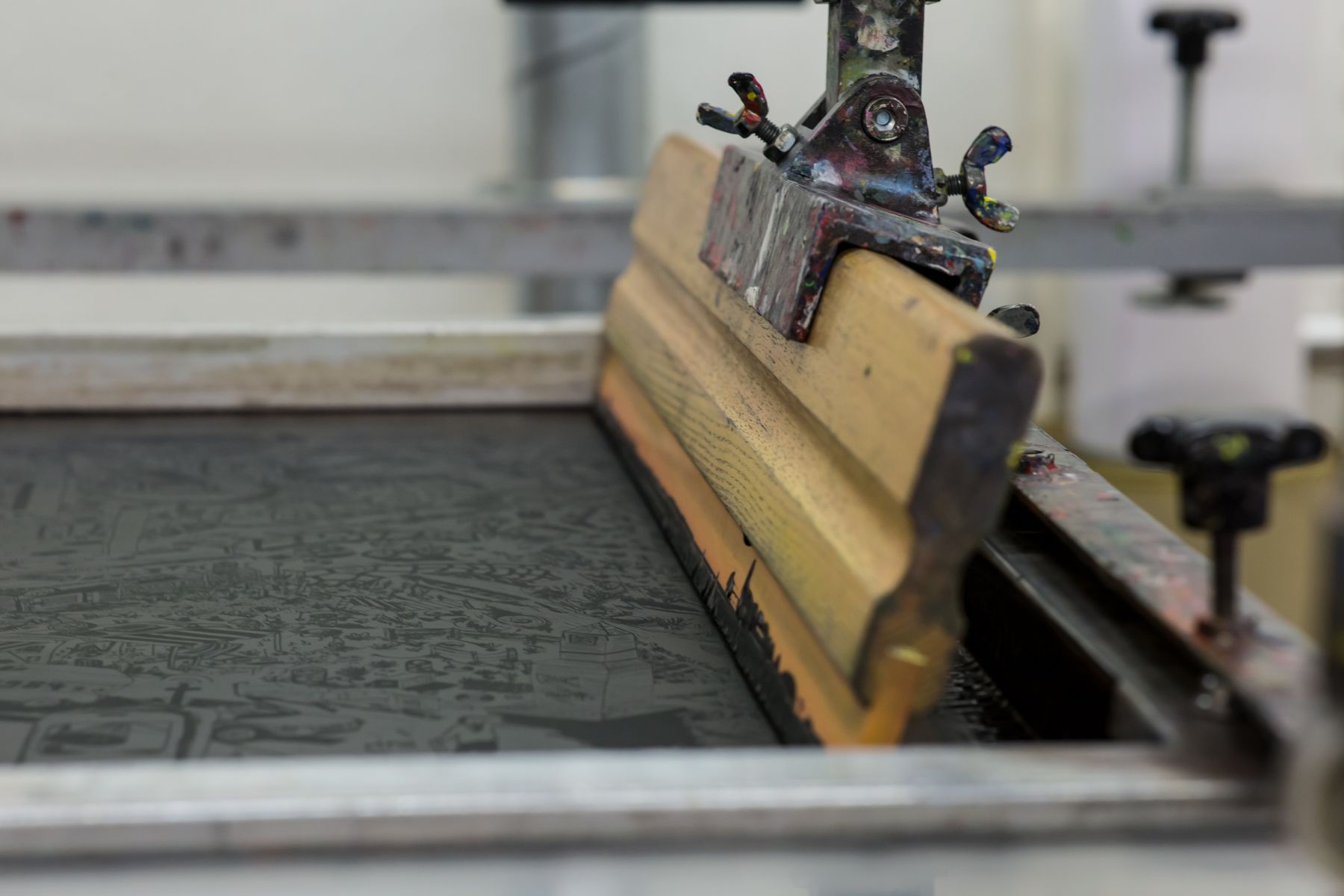
Print screens set up for a strike-off 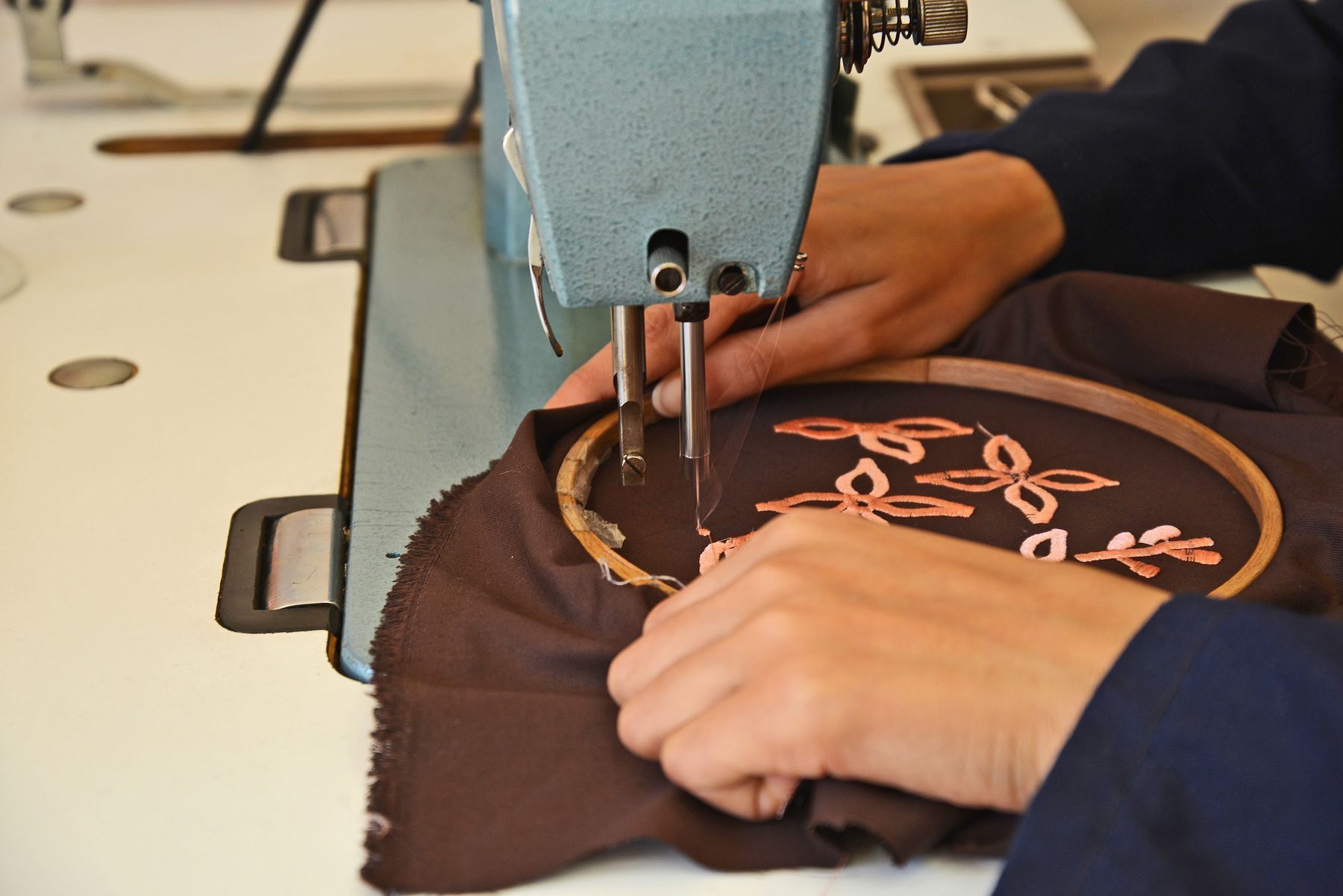
Embroidery approved as a stitch-out
Step 7 of 10
Where this sits in production
Every order runs through the same sequence. Each step has its own page, its own approval, and its own way of going wrong.
- 01Private Label Pajamas
- 02OEM / ODM Pajama Manufacturing
- 03Sample Development
- 04Fabric Sourcing
- 05Pattern Making & Fit
- 06Size Grading
- 07Printing & Embroidery
- 08Labels & Packaging
- 09Bulk Production
- 10Quality Control
← Before this
Size Grading
Size grading for sleepwear: turning an approved base-size pattern into a full size range that fits, with size sets and measurement checks before bulk.
After this →
Labels & Packaging
Custom pajama labels and packaging: woven main labels, size and care labels, hang tags, polybags and gift boxes for private label sleepwear.
Related Pajamas
Products this applies to
FAQ
Printing & Embroidery — common questions
How much does a pajama sample cost?
Sample cost depends on the style, fabric and customization (printing, embroidery, special trims). We confirm the exact sample fee per project before sampling starts — share your design through the quote form for a precise figure.
How long does sampling take?
A first sample usually takes about 7–10 days once the design is confirmed. Complex styles, sourced fabrics and extra revision rounds add time; we confirm the sampling timeline with each sample order and keep you updated through development.
Can I use my own pajama design?
Yes. Send a tech pack, reference sample or reference photos and we handle pattern development, grading and sampling to your design. Your designs stay confidential to your project.
Will my fit sample be washed before I approve it?
Yes — we launder fit samples before sending them. Cotton shrinks, knits relax and viscose can distort, so a sample approved unwashed is not the garment your customer receives. Approving fit on a washed sample removes the most common cause of bulk fit complaints.
Can you source custom fabrics?
Yes. Beyond stock cotton, modal, satin, jersey, flannel and viscose options, we source custom blends, custom-dyed colors and custom prints. Custom-developed fabrics carry higher minimums, which we confirm during quoting.
Can you match Pantone colors?
Yes. For custom-dyed fabrics we produce lab dips against your Pantone reference for approval before bulk dyeing, so the production color matches the approved standard.
Who owns the pattern developed for my product?
Ask us and we will put it in writing before development starts. Pattern ownership is a commercial term rather than a fixed rule, and it is better agreed at the outset than assumed. Your designs, tech packs and reference materials stay confidential to your project either way.
Need printing & embroidery for your project?
Send your product requirements and we will come back with a plan for this step and a quotation for the whole order.
Related Reading
Guides on this topic
Fabrics
Modal vs Viscose for Pajamas
Modal and viscose are close relatives that behave differently in production. How they compare on strength, shrinkage, colour, printing and cost, and which sleepwear styles each one suits.
Buyer Guides
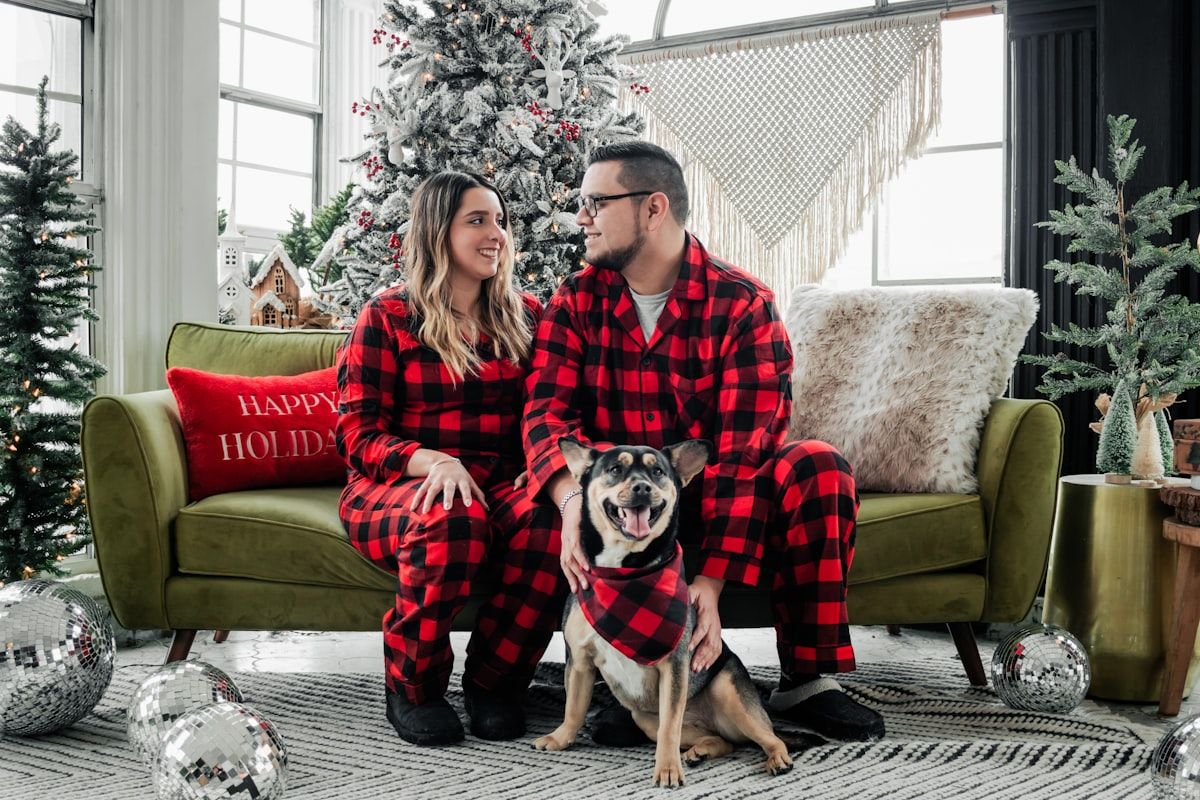
How to Develop Matching Family and Couple Pajamas
How to specify a matching family and couple pajama range: the level of matching, one shared artwork, separate adult and children's size systems, a split compliance route and a realistic variant count.
Buyer Guides
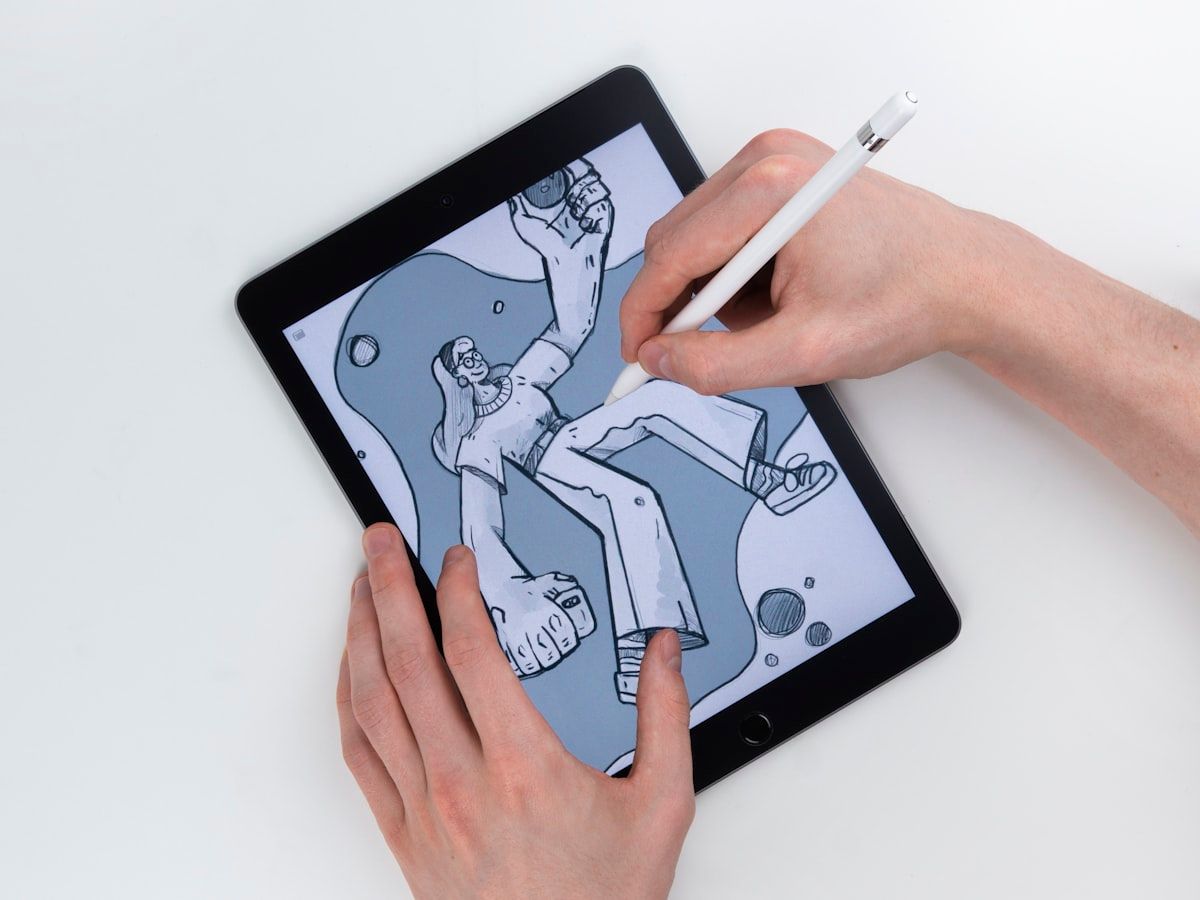
Licensed Character Artwork for Pajamas: What Brands Need Before Production
What a factory needs before it can print a licensed character on pajamas: written permission that names sleepwear, a complete artwork package, and the licensor approval points that gate every sample.
Starting a Pajama Brand
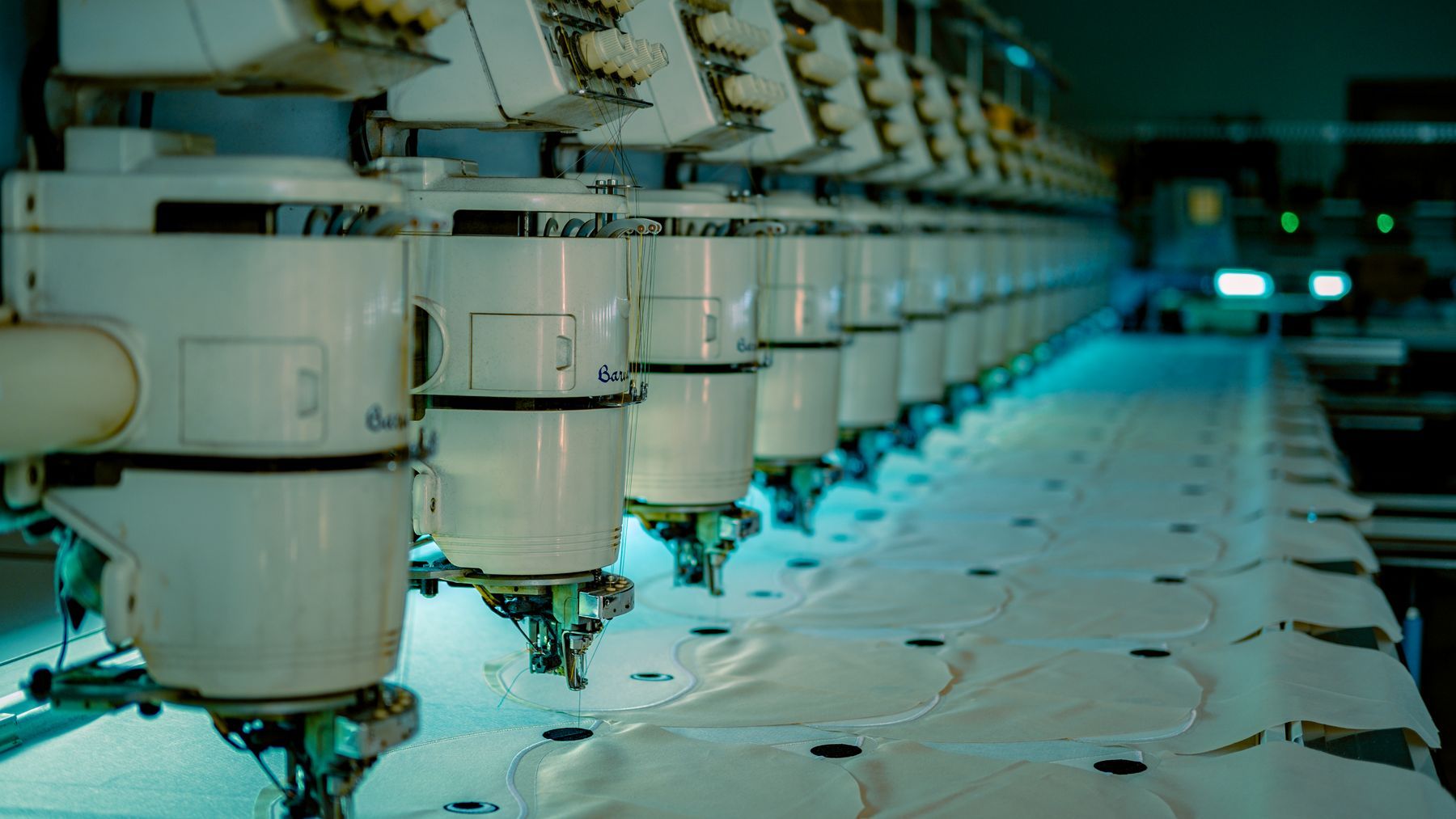
What Pajama Manufacturing Actually Costs
The four things a pajama quotation is really made of, why two factories quote differently for the same tech pack, and the decisions that move your unit cost the most.
Manufacturing
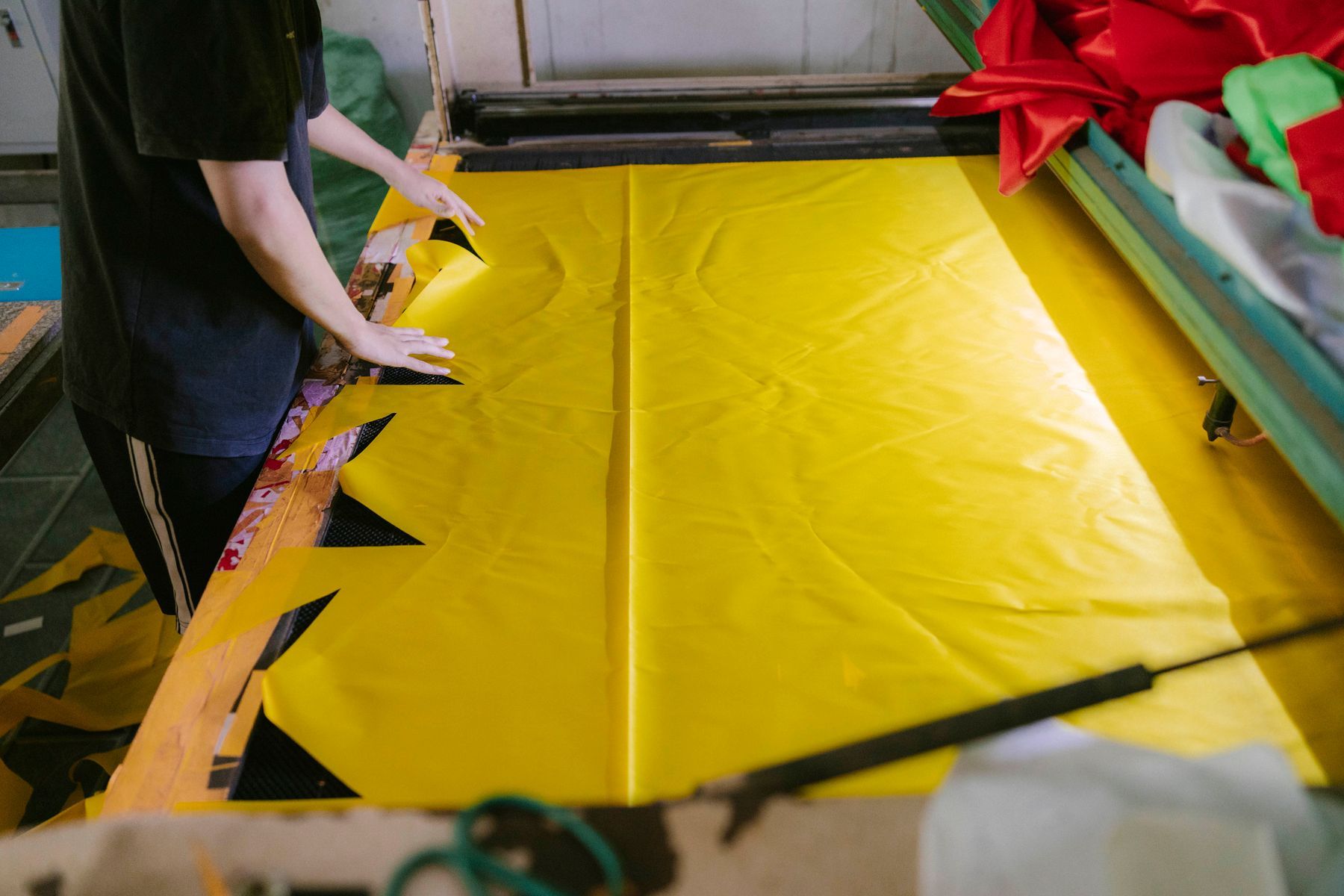
How Pajamas Are Manufactured
The full route from approved design to packed carton — fabric, cutting, sewing, decoration, finishing and inspection — and which stage decides what about the finished garment.