Fabric Guide
Satin Pajamas — Fabric Guide for Sleepwear Brands
Lustrous weave for premium and gift-led sleepwear — beautiful, and the least forgiving to sew.
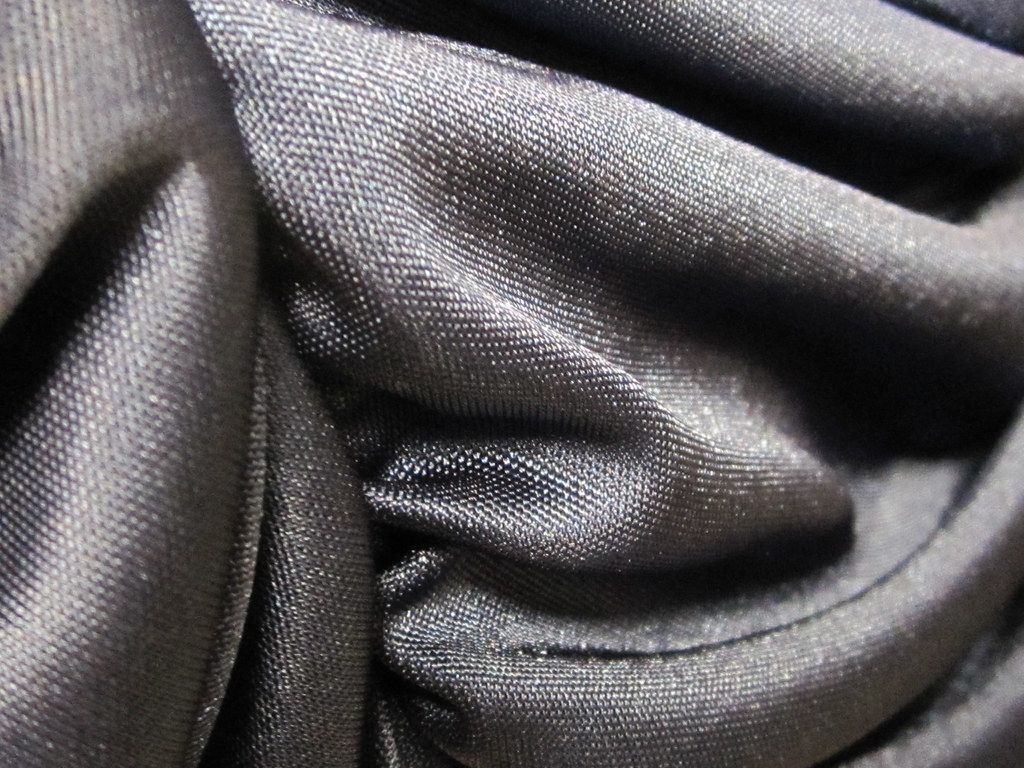
What it is
Satin describes a weave, not a fibre. Long yarn floats on the face of the fabric reflect light in one direction, which is where the sheen comes from. That same structure is why the surface snags and why a cut edge frays quickly.
Most commercial sleepwear satin is polyester. Silk satin exists and is a different product entirely — different price, different care instructions, different customer.
Where it fits commercially
Satin does two jobs in a sleepwear range: it carries the premium/gifting story, and it photographs better than anything else on this list. A satin robe or cami set is what ends up in the campaign image.
The honest counterweight is comfort. Polyester satin does not breathe like cotton or modal, and a customer who buys it expecting all-night summer comfort will be disappointed. Position it as an occasion and gifting product and it performs; position it as an everyday sleeper and you will get returns.
Why satin quality is really seam quality
Two satin robes cut from the same roll can look like different price points depending on how they were sewn. Watch for:
- Seam pucker along long straight seams, especially side seams and belts
- Needle holes where a stitch was unpicked — on satin these do not close
- Fraying at unfinished internal edges after washing
- Uneven sheen where panels were cut in different directions
All four are decided at sampling and then held with in-line checks during bulk.
What to confirm before bulk
- A washed sample, checked for pucker and edge fray
- A printed strike-off on the real satin, not on a cotton proof
- The exact fabric reference — not “an equivalent satin”
- Cutting direction rules, so panels do not read as two different colours
Properties
How it behaves
- Fibre type
- Most commonly polyester; also available in silk or a cellulosic blend at a very different price point
- Construction
- Satin is a weave structure, not a fibre — long floating yarns on the face produce the sheen
- Weight
- Sold by momme or GSM depending on fibre. Heavier satins hang better and hide seam marks; very light satins are cheaper but show every construction flaw.
- Hand feel
- Smooth, cool and slippery on the face, with a matte reverse. Polyester satin feels cooler to the touch initially but is less breathable in wear than a cellulosic.
- Stretch
- None, unless elastane is woven in. Fit has to come from the pattern, not from the fabric.
- Drape
- Fluid and reflective — it reveals the body line and catches light along every curve, which is what sells it.
- Breathability
- Lower than cotton or modal in polyester form. Worth stating honestly in your product copy rather than letting the customer discover it.
Key Characteristics
The short version
- Glossy face with a matte reverse
- Fluid, light-catching drape
- No natural stretch — fit comes from the pattern
- Unforgiving to sew; seam quality is the whole game
Suitable pajama styles
- Women's pajama sets and cami sets
- Kimono and belted robes
- Chemises and slip nightwear
- Gift and bridal sets
Production Notes
What to plan for
The practical consequences of choosing this fabric — the things that decide whether a bulk order goes smoothly.
- Shrinkage considerations
- Polyester satin is dimensionally stable; silk and cellulosic satins move more and need a washed-sample check.
- Printing & dyeing
- Takes digital and sublimation printing with strong, glossy colour. Because the surface reflects light, colour reads differently on satin than on the same print on cotton — always approve a strike-off on the real fabric.
- Sampling considerations
- Sample the exact satin you will buy. Substituting a similar-looking satin at bulk changes the sheen, the drape and the seam behaviour all at once.
- Production considerations
- The hardest of these fabrics to sew well. It slips under the foot, frays at cut edges, and shows needle damage and seam pucker permanently. Needle size, stitch density, edge finishing and pressing all have to be set on the sample and then held in bulk.
Related Pajamas
Pajama styles made in satin
Where this fabric earns its place in a sleepwear range.



Related Manufacturing
Manufacturing steps this affects
Sample Development
Pajama sample development from tech pack or reference garment: pattern making, fabric swatches, fit samples, revision rounds and a sealed production standard.
Quality Control
Pajama quality control: fabric inspection before cutting, in-line sewing checks, measurement checks against the sealed sample and final inspection before packing.
Fabric Sourcing
Fabric sourcing for pajama production: cotton, modal, satin, jersey, flannel and viscose, plus custom dyeing with lab dips and print strike-offs.
FAQ
Fabric questions we get asked
How much does a pajama sample cost?
Sample cost depends on the style, fabric and customization (printing, embroidery, special trims). We confirm the exact sample fee per project before sampling starts — share your design through the quote form for a precise figure.
How long does sampling take?
A first sample usually takes about 7–10 days once the design is confirmed. Complex styles, sourced fabrics and extra revision rounds add time; we confirm the sampling timeline with each sample order and keep you updated through development.
Can I use my own pajama design?
Yes. Send a tech pack, reference sample or reference photos and we handle pattern development, grading and sampling to your design. Your designs stay confidential to your project.
Will my fit sample be washed before I approve it?
Yes — we launder fit samples before sending them. Cotton shrinks, knits relax and viscose can distort, so a sample approved unwashed is not the garment your customer receives. Approving fit on a washed sample removes the most common cause of bulk fit complaints.
Can you source custom fabrics?
Yes. Beyond stock cotton, modal, satin, jersey, flannel and viscose options, we source custom blends, custom-dyed colors and custom prints. Custom-developed fabrics carry higher minimums, which we confirm during quoting.
Can you match Pantone colors?
Yes. For custom-dyed fabrics we produce lab dips against your Pantone reference for approval before bulk dyeing, so the production color matches the approved standard.
Sample satin before you commit
Tell us the product you are building and we will send swatches, propose a construction and quote it.
Related Reading
Guides on this topic
Fabrics
Modal vs Viscose for Pajamas
Modal and viscose are close relatives that behave differently in production. How they compare on strength, shrinkage, colour, printing and cost, and which sleepwear styles each one suits.
Fabrics
Choosing Pajama Fabric Weight
What GSM actually tells you, why the same weight feels different in a woven and a knit, how weight changes opacity, drape and cost, and how to specify it so a factory quotes what you meant.