Fabric Guide
Flannel Pajamas — Fabric Guide for Sleepwear Brands
Brushed warmth for winter sets — where brushing quality decides everything.
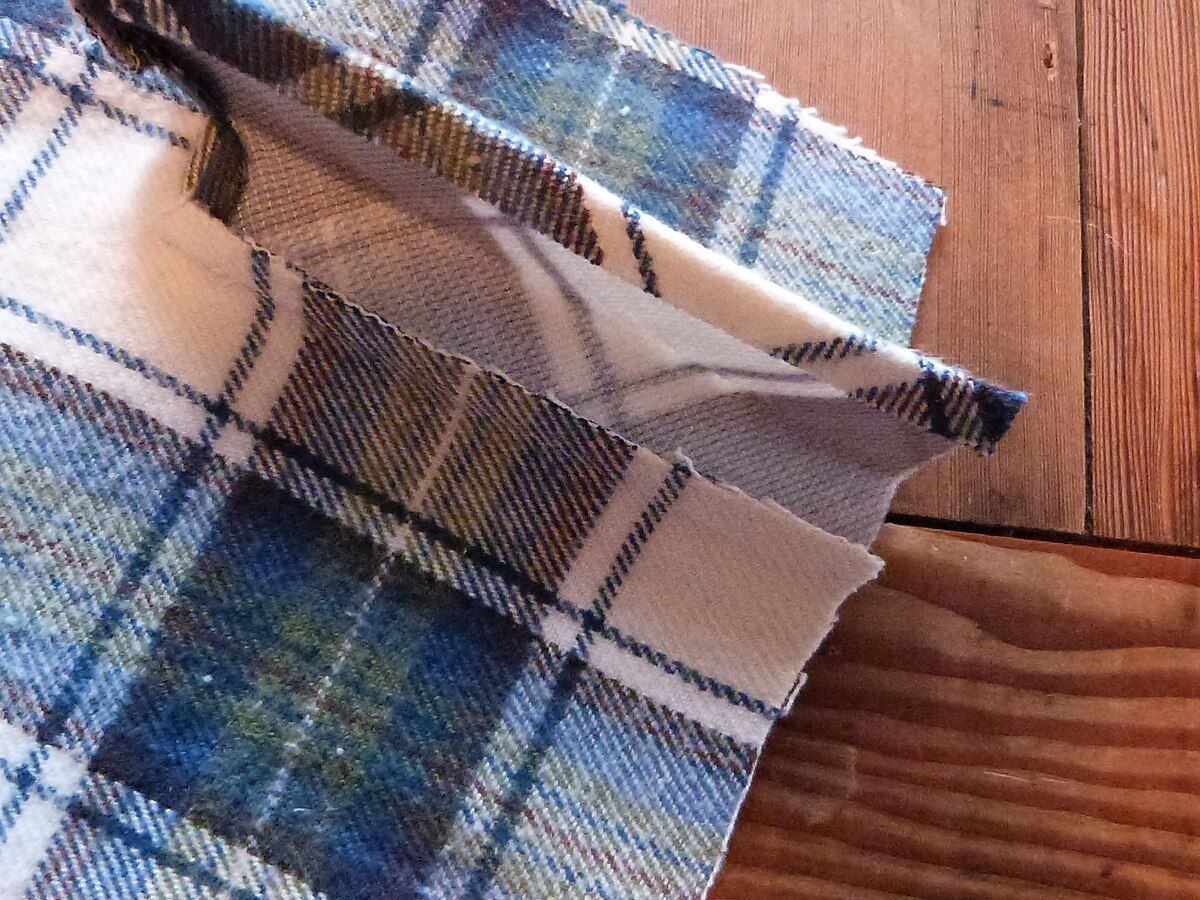
What it is
Flannel is a woven cotton that has been mechanically brushed to raise a soft nap on the surface. The nap traps air, which is what makes it warm — the fibre itself is the same cotton used in a summer poplin.
That brushing step is where flannel quality lives. Two flannels with identical composition and weight on paper can feel like different products depending on how well they were brushed and finished.
Where it fits commercially
Flannel is a seasonal anchor. It carries the winter and gifting part of a sleepwear range, it has an established visual language (checks, plaids, piped classic sets), and customers accept a higher price for it than for a plain jersey set.
Its constraint is the calendar. A flannel programme has to be sampled and placed early enough to land in autumn, and yarn-dyed check development takes longer than choosing a solid.
Pilling and linting — ask about this early
A brushed surface sheds fibre. Some linting in the first washes is normal; persistent pilling after a few weeks of wear is a finishing quality problem. The difference is not visible on the roll. Ask for a washed-and-worn assessment during sampling, and agree what an acceptable result looks like before bulk.
What to confirm before bulk
- Washed shrinkage after multiple wash cycles, not one
- Pilling and linting behaviour on a laundered sample
- Whether the check is yarn-dyed or printed — and what your product copy claims
- Pattern matching rules for seams, pockets and plackets, agreed in writing
Properties
How it behaves
- Fibre type
- Usually 100% cotton; polyester-blend flannels exist at lower cost with a different hand
- Construction
- Woven — plain or twill — then mechanically brushed on one or both faces to raise a soft nap
- Weight
- Heavier than a shirting poplin. Weight and brushing depth together decide how warm it feels; a heavy, lightly brushed flannel can feel colder than a lighter, well-brushed one.
- Hand feel
- Soft, fuzzy and warm to the touch. Quality is felt immediately — a cheap flannel feels thin and slightly scratchy under the nap.
- Stretch
- None. It is a woven fabric; ease has to be built into the pattern.
- Drape
- Structured and substantial. Suits classic pyjama shapes, not fluid ones.
- Breathability
- Good for a cotton woven, but the raised nap traps air deliberately — that is the point of the fabric.
Key Characteristics
The short version
- Brushed nap that traps air for warmth
- Yarn-dyed checks with colour through the full fabric
- Higher shrinkage than unbrushed cotton wovens
- Pattern matching increases consumption and cutting time
Suitable pajama styles
- Winter pajama sets
- Men's classic woven pajamas
- Sleep pants
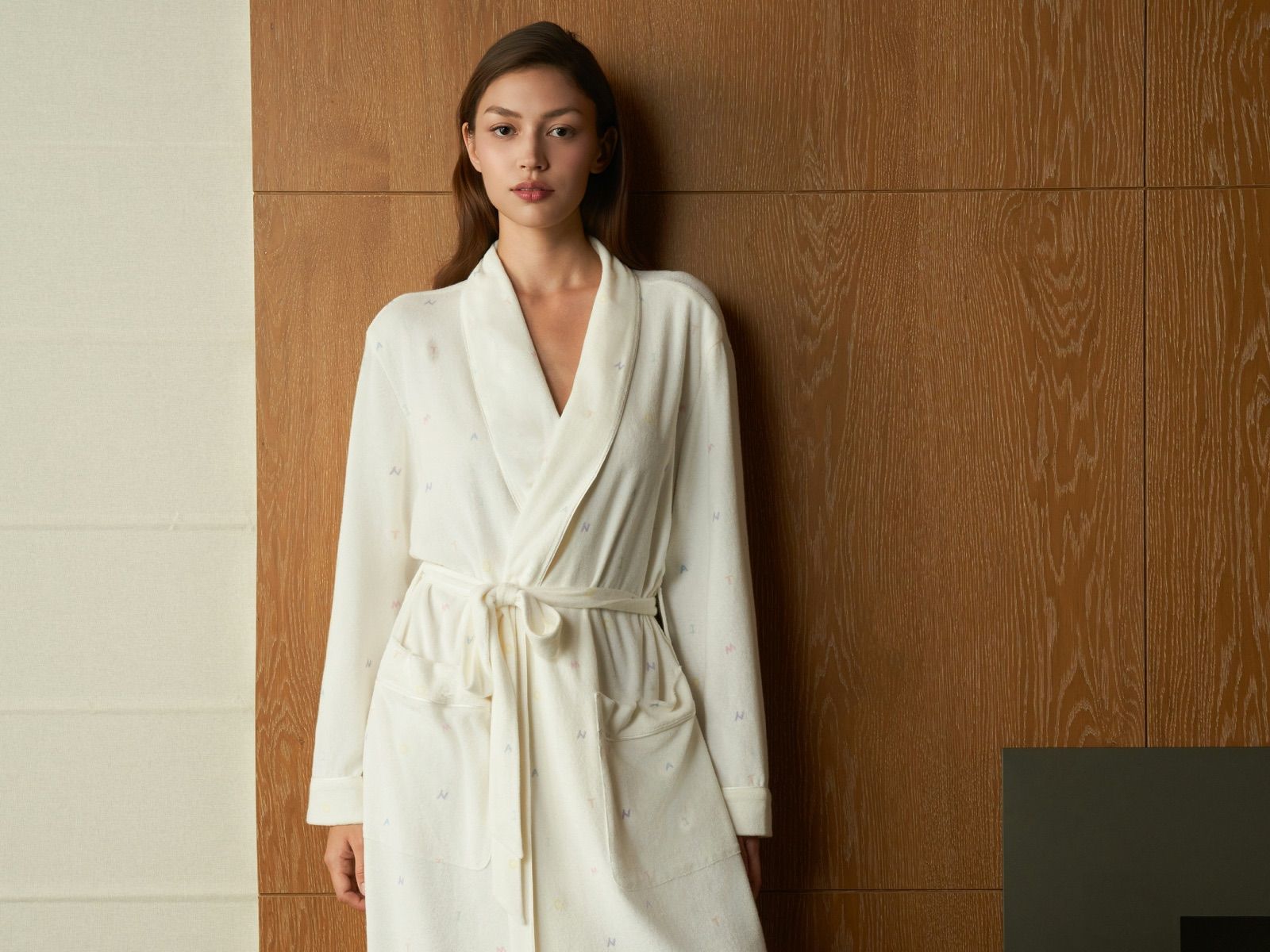
- Lounge robes
Production Notes
What to plan for
The practical consequences of choosing this fabric — the things that decide whether a bulk order goes smoothly.
- Shrinkage considerations
- Brushed cotton shrinks more than an unbrushed equivalent because the construction is looser. Pre-shrinking and a washed-sample check are not optional here.
- Printing & dyeing
- Traditionally yarn-dyed rather than printed — the check is woven in, so the colour goes right through. Printed flannel is cheaper but the pattern sits on the surface and looks flatter, especially after brushing.
- Sampling considerations
- Wash the sample two or three times before approving. Brushing quality, pilling tendency and shrinkage all reveal themselves through laundering, not on the roll.
- Production considerations
- Yarn-dyed checks and stripes must be matched across seams, pockets and plackets. This raises fabric consumption and cutting time — factor it in before comparing a check quote against a solid quote.
Related Pajamas
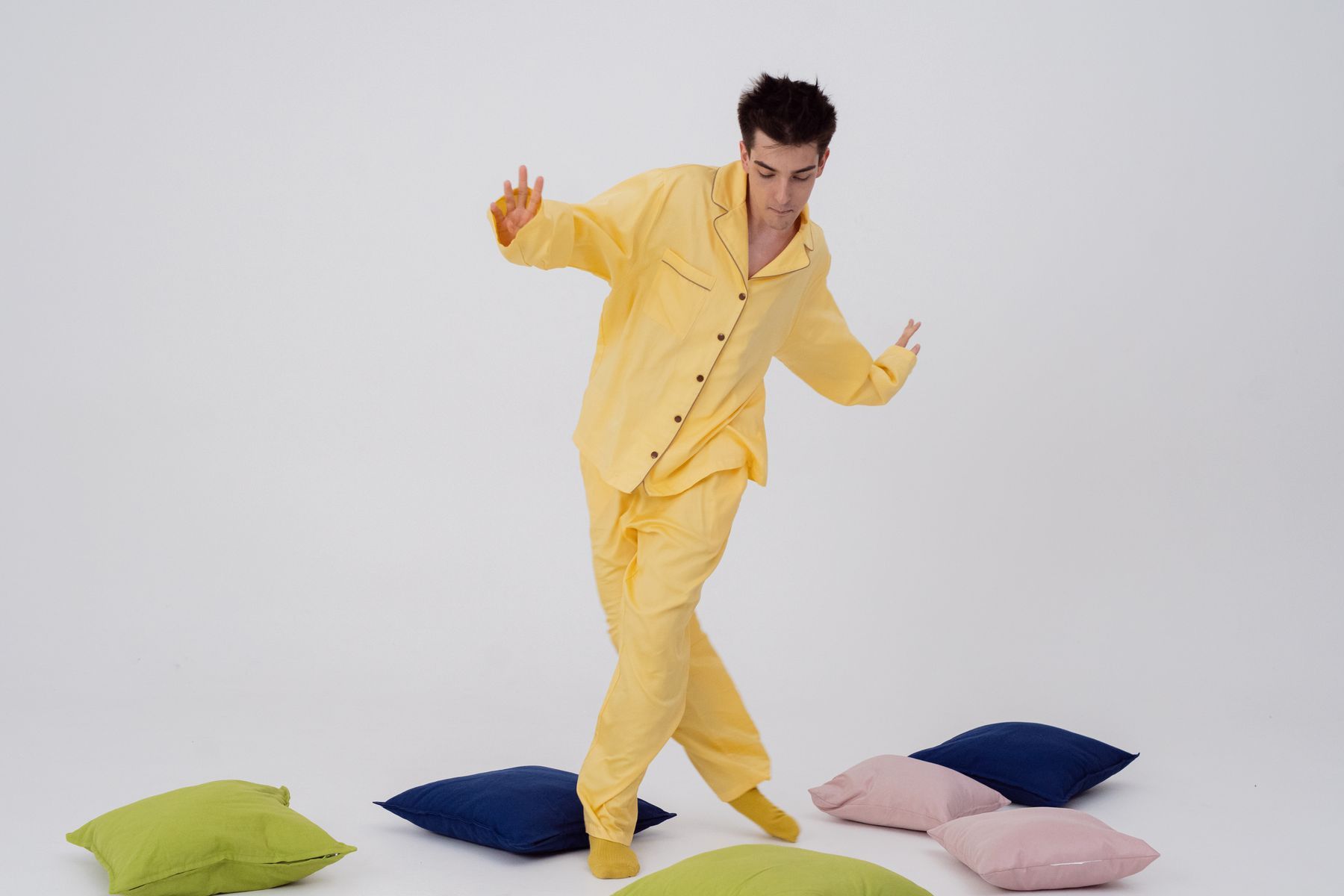
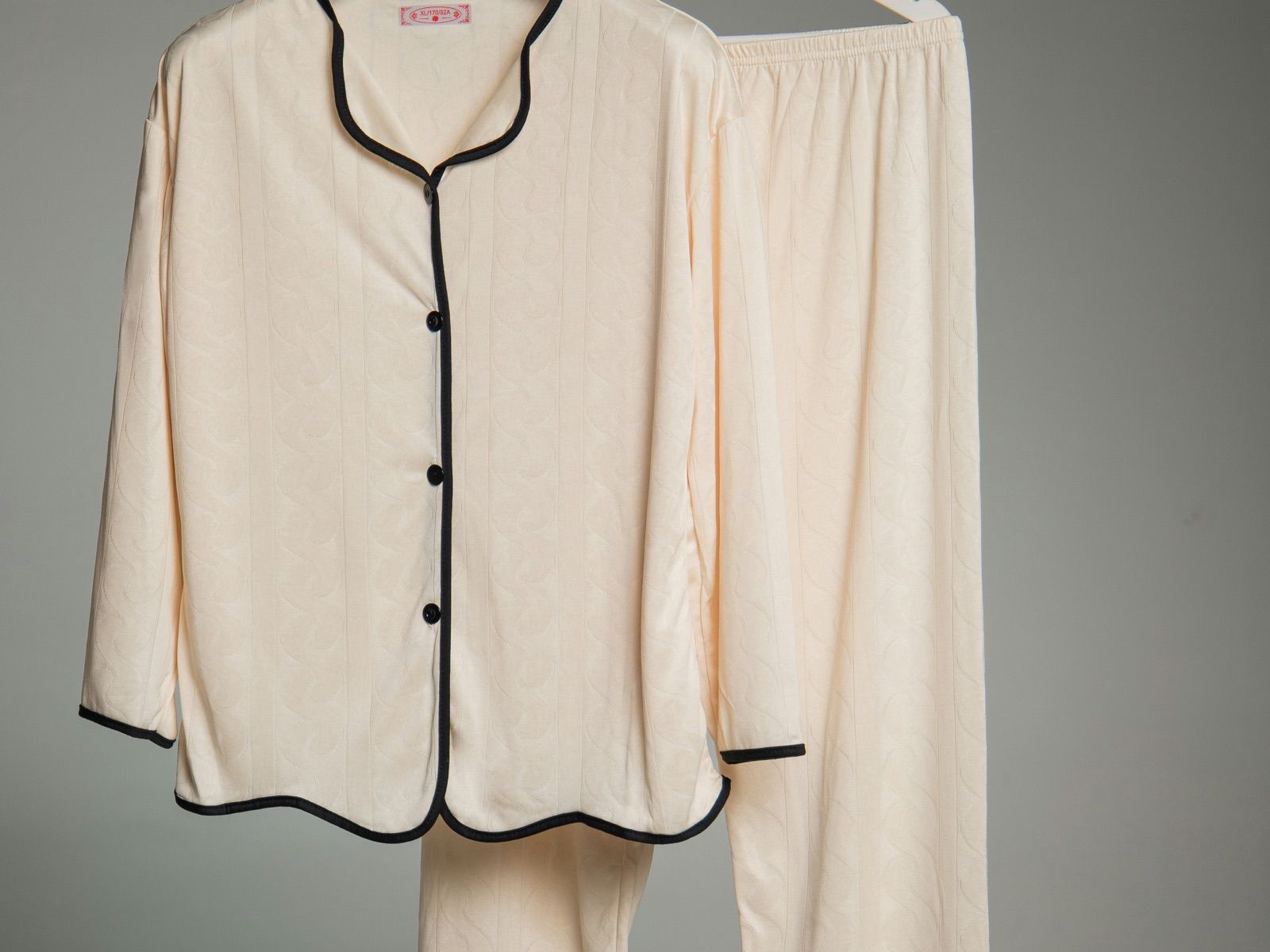
Pajama styles made in flannel
Where this fabric earns its place in a sleepwear range.
Related Manufacturing
Manufacturing steps this affects
Fabric Sourcing
Fabric sourcing for pajama production: cotton, modal, satin, jersey, flannel and viscose, plus custom dyeing with lab dips and print strike-offs.
Pattern Making & Fit
Pajama pattern development: patterns built from your size chart, block or reference garment, then revised against measured fit comments before bulk.
Quality Control
Pajama quality control: fabric inspection before cutting, in-line sewing checks, measurement checks against the sealed sample and final inspection before packing.
FAQ
Fabric questions we get asked
How much does a pajama sample cost?
Sample cost depends on the style, fabric and customization (printing, embroidery, special trims). We confirm the exact sample fee per project before sampling starts — share your design through the quote form for a precise figure.
How long does sampling take?
A first sample usually takes about 7–10 days once the design is confirmed. Complex styles, sourced fabrics and extra revision rounds add time; we confirm the sampling timeline with each sample order and keep you updated through development.
Can I use my own pajama design?
Yes. Send a tech pack, reference sample or reference photos and we handle pattern development, grading and sampling to your design. Your designs stay confidential to your project.
Will my fit sample be washed before I approve it?
Yes — we launder fit samples before sending them. Cotton shrinks, knits relax and viscose can distort, so a sample approved unwashed is not the garment your customer receives. Approving fit on a washed sample removes the most common cause of bulk fit complaints.
Can you source custom fabrics?
Yes. Beyond stock cotton, modal, satin, jersey, flannel and viscose options, we source custom blends, custom-dyed colors and custom prints. Custom-developed fabrics carry higher minimums, which we confirm during quoting.
Can you match Pantone colors?
Yes. For custom-dyed fabrics we produce lab dips against your Pantone reference for approval before bulk dyeing, so the production color matches the approved standard.
Sample flannel before you commit
Tell us the product you are building and we will send swatches, propose a construction and quote it.
Related Reading
Guides on this topic
Fabrics
Choosing Pajama Fabric Weight
What GSM actually tells you, why the same weight feels different in a woven and a knit, how weight changes opacity, drape and cost, and how to specify it so a factory quotes what you meant.
Fabrics
Cotton vs Modal Pajamas — Which Fabric for Which Style
A practical comparison of cotton and modal for sleepwear: hand feel, drape, shrinkage, printing, cost and which pajama styles each fabric actually suits.