Fabrics
Choosing Pajama Fabric Weight
What GSM actually tells you, why the same weight feels different in a woven and a knit, how weight changes opacity, drape and cost, and how to specify it so a factory quotes what you meant.
By PajamaWorks Team, Sleepwear production team, Dongguan Hualingniao Apparel ·
Fabric weight is the specification brands most often leave off a brief, and the one that most reliably causes a sample to arrive feeling wrong. “Cotton jersey” covers a fabric you could read a newspaper through and one you could make a sweatshirt from.
Getting weight right is most of the difference between a sample that feels like your brand and one that does not.
What GSM measures
GSM — grams per square metre — is the weight of a one-metre square of the fabric. Higher GSM means more material in the same area.
That is genuinely all it tells you. It does not tell you softness, opacity, drape or quality, all of which depend on the fibre, the yarn and the construction as much as on the weight. GSM is a necessary part of a specification, not a summary of the fabric.
You may also see oz/yd² (ounces per square yard), mostly from US suppliers. Roughly, 1 oz/yd² ≈ 34 gsm.
The same number means different things
A woven and a knit at identical GSM behave nothing alike:
- Wovens at a given weight are more stable, hold structure, and feel firmer. A mid-weight woven makes a crisp shirt-style pajama.
- Knits at the same weight are softer, stretchier and drape more. A mid-weight knit makes a soft lounge set.
So a weight figure is only meaningful alongside the construction. Always specify both — see jersey for how construction changes a knit’s behaviour at the same weight.
What weight actually changes
Opacity
This is the big one in sleepwear, and where complaints come from. Lighter fabric is more sheer, and pale colours are far more revealing than dark at the same weight. A white or blush garment usually needs to sit heavier than the same style in navy to be equally opaque.
Check opacity on a body form, in the actual colourway. Never from a flat swatch.
Drape versus structure
Lighter fabric falls closer to the body; heavier fabric holds its own shape. A wide-leg trouser in a light fabric drapes and moves; the same pattern in a heavy fabric reads structured, almost tailored. Same pattern, different garment.
Warmth and season
Sleepwear is seasonal, and weight is the main lever:
- Lighter — summer sets, camis, slips, hot-climate markets
- Mid — the year-round default for most ranges
- Heavier — winter, flannel, brushed fabrics, robes
If you sell into a single climate, one weight band may cover your whole range. If you sell across seasons, plan two.
Cost
More material costs more. Weight is therefore one of the most direct levers you have on unit price — and one of the most common places a cheap quotation is quietly hiding. A quote that undercuts the others by a wide margin has usually moved the fabric down a weight band.
Fabric width matters as much as weight
Two fabrics at the same GSM and price per metre can produce different garment costs, because a narrower fabric yields fewer pieces per metre. Ask for both weight and usable width when comparing prices. This catches out a lot of first-time costings.
How to specify weight without guessing
You do not need to name a number from memory. Do this instead:
- Send a reference garment. The single most reliable method. The fabric can be assessed directly, and you skip the vocabulary problem entirely.
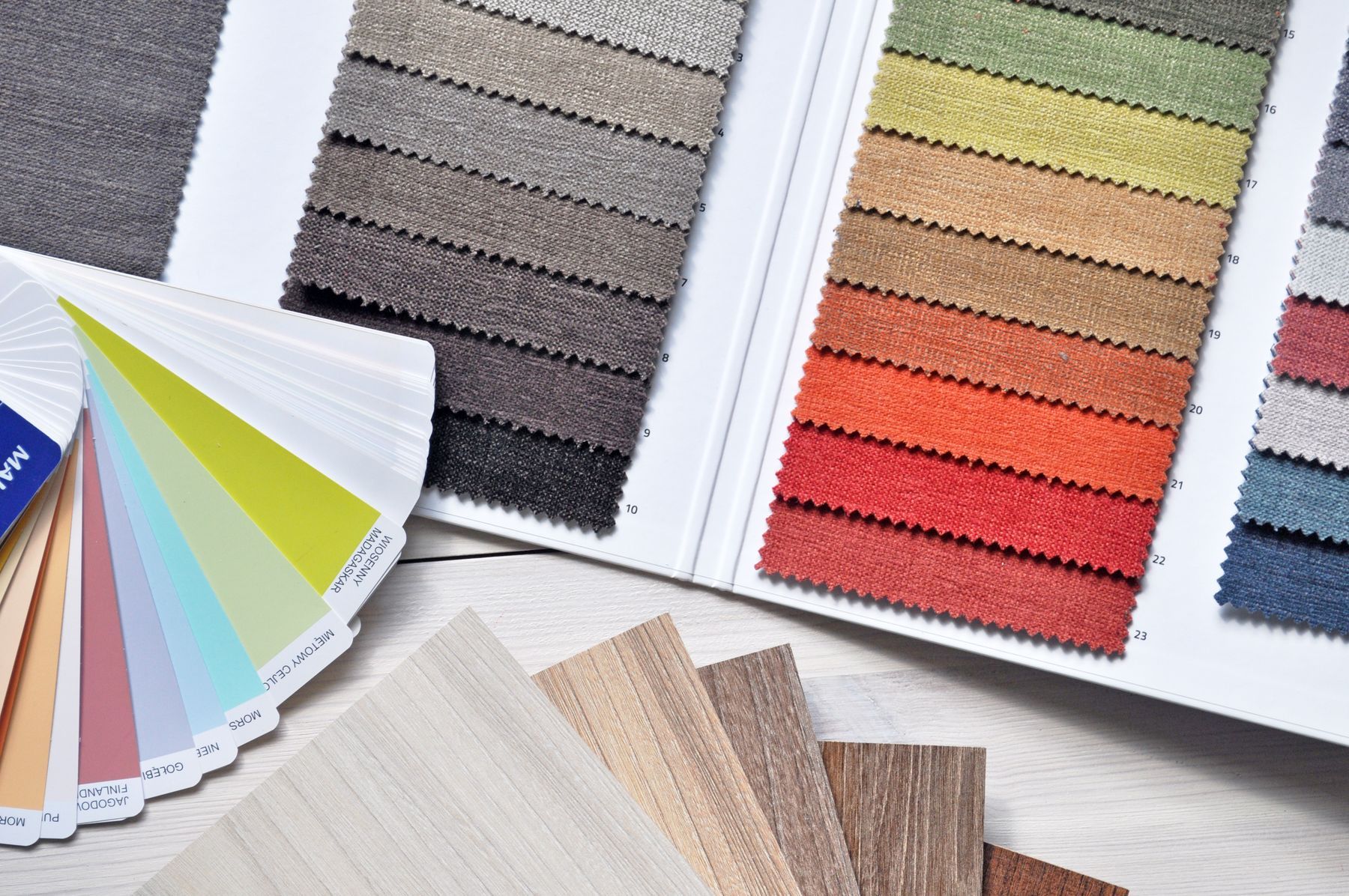
- Or request swatches at several weights in your chosen fabric and choose from what you handle.
- State a tolerance. Fabric is a natural product with batch variation; agreeing an acceptable range prevents a rejection argument later.
- Write it into the spec. Fabric type, construction, composition, weight, width, finish. All five. See fabric sourcing for what a complete fabric spec contains.
Check weight on a washed sample
Fabric weight moves during finishing and again after the first wash — knits in particular tend to come back slightly heavier per square metre as they relax.
Approve weight on a washed sample, alongside fit. It is the same wash test that protects you from shrinkage surprises, so it costs you nothing extra to check both at once.
Not sure which weight suits the styles you have in mind? Tell us what you are making and we will send swatches across the relevant range rather than a single guess.