Quality Control
Why Pajamas Shrink After Washing
The four different things people call shrinkage, why knits and wovens behave differently, and the one approval habit that prevents most sizing complaints in sleepwear.
By PajamaWorks Team, Sleepwear production team, Dongguan Hualingniao Apparel ·
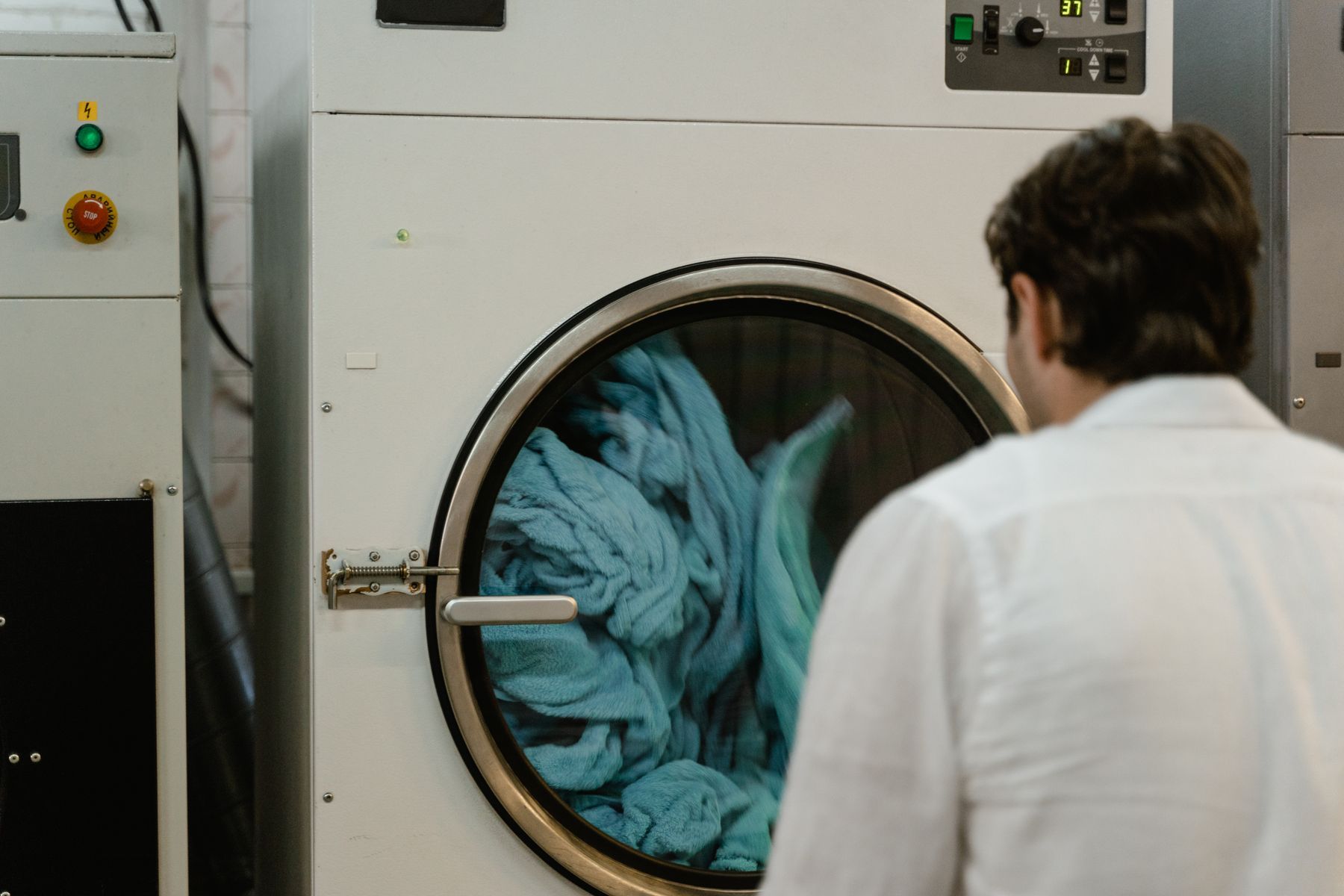
“It shrank” is the most common complaint in sleepwear, and it describes at least four different problems with four different causes. Separating them is the whole job, because the fix for one is not the fix for another.
The four things people call shrinkage
1. True shrinkage
The fibres themselves contract, usually from heat. Cotton does this. It is permanent and it is normal — which is why fabric is pre-shrunk before cutting and an allowance is built into the pattern.
If a cotton garment shrinks noticeably in normal washing, either the fabric was not properly pre-shrunk or it met more heat than the care label allowed.
2. Relaxation
Knit fabric is stretched during knitting, finishing and rolling. The first wash releases that tension and the fabric returns to its natural dimensions — typically shorter in length and slightly wider.
This is the most common cause in modal, viscose and jersey sleepwear, and it is the one customers most often report as “shrinking”. It is also not really shrinkage: the fabric is going back to its real size.
Because it is predictable, it is manageable: it belongs in the pattern allowance, not in an apology.
3. Felting
Wool fibres interlock under heat and agitation and the fabric densifies permanently. Only relevant if your range includes wool. Not reversible.
4. Distortion
The garment did not get smaller, it got wrong — a twisted side seam, a waistband that rides, a bias-cut hem that has gone uneven. This is not shrinkage at all, and it is usually a construction or fabric-preparation issue rather than a laundering one.
Twisting in particular is a giveaway that the fabric was not properly relaxed before cutting, or that a knit’s spirality was not accounted for in the pattern.
Why the same fabric behaves differently in two factories
Fabric preparation. Specifically:
- Was the fabric relaxed before cutting? Fabric comes off the roll under tension. Cut it immediately and the pieces change size once they settle. This single step accounts for an enormous share of unexplained sizing problems.
- Was shrinkage tested and built into the pattern? A responsible factory washes a fabric sample, measures the change, and adjusts the pattern before cutting bulk. See pattern making.
- Was the finishing consistent between batches? Different finishing parameters produce different shrinkage behaviour from the same base fabric.
None of these are visible in a photograph of the finished garment, which is why they are worth asking about directly.
The habit that prevents most of it
Approve fit on a washed sample.
Not a fresh sample straight off the machine. Wash it exactly as your care label will instruct, dry it the way your customer will, then measure it and try it on.
This is not an optional refinement. It is the difference between a size chart that describes the garment your customer owns and one that describes the garment before its first wash. Most sizing complaints in sleepwear are generated at this single decision point.
It also gives you, at no extra cost, a check on colour stability, seam behaviour and twisting — three more things that only reveal themselves after water.
What to specify
To make shrinkage a controlled number rather than a surprise:
- Ask for a shrinkage test result on your fabric, at your intended care instructions.
- Agree an acceptable tolerance in writing, so there is a standard to check against rather than an opinion to argue about.
- State the care instructions early — they are part of the specification, not a label decision. A fabric approved for a 30 °C wash and labelled for 40 °C is a designed-in failure.
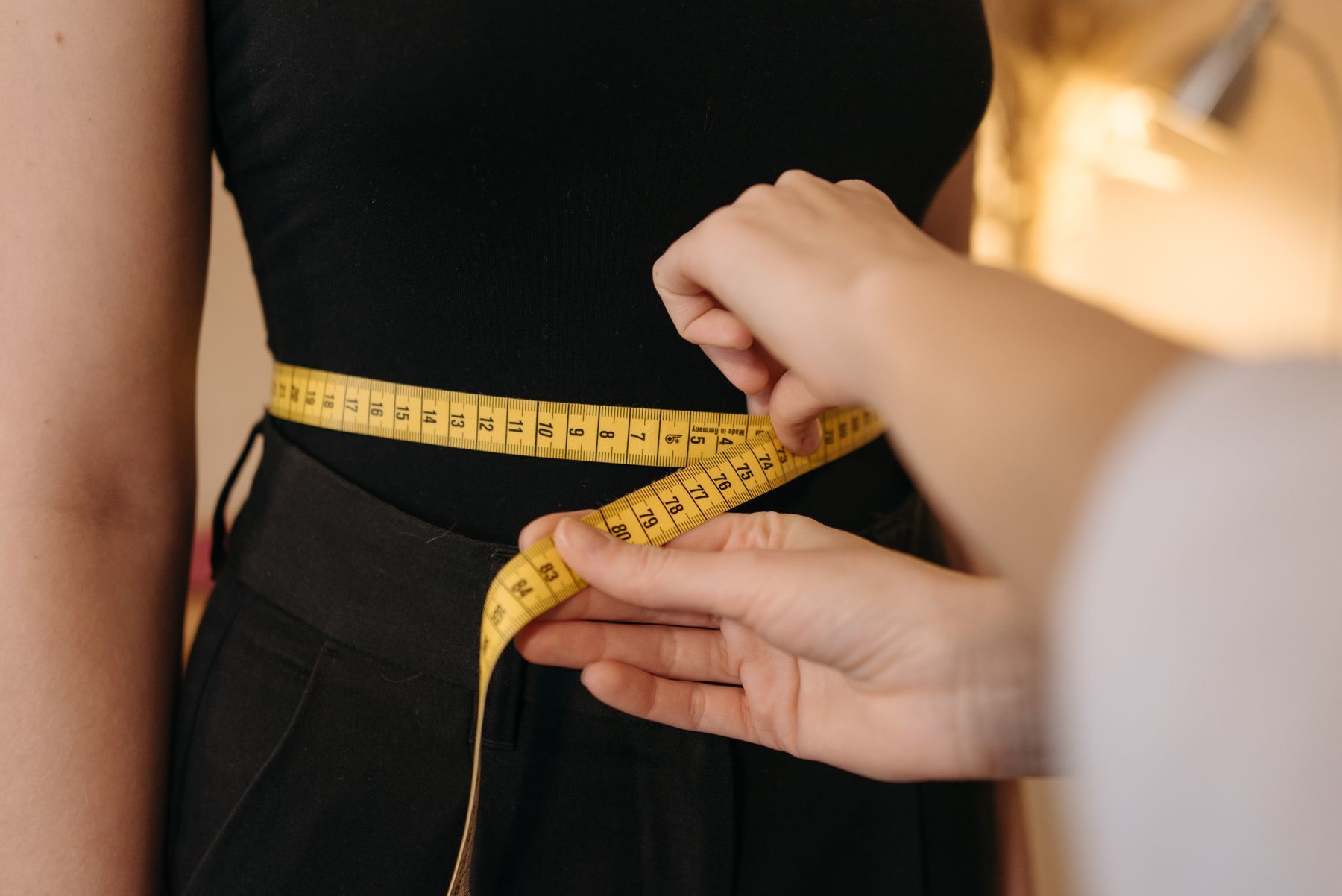
- Have measurements taken after washing during final inspection, so the check matches what the customer will experience. See quality control.
What to tell your customers
Care instructions are the cheapest quality tool you have, and most sleepwear brands under-use them:
- Cold or warm wash, never hot, for cotton and cellulose fabrics
- Low or no tumble drying — heat is what turns relaxation into real shrinkage
- Wash dark colours separately for the first few washes
- Do not wring or twist wet viscose; it is at its weakest when wet, as covered in modal vs viscose
A care label that is easy to follow is followed. One that requires interpretation is ignored, and then the garment’s behaviour becomes your problem.
The honest position
No fabric has zero dimensional change. Anyone claiming otherwise is either guessing or selling something.
What a manufacturer can do is measure it, build it into the pattern, keep it within an agreed tolerance, and prove it on a washed sample before you approve anything. That is what turns shrinkage from a complaint into a specification.
Worried about a fabric you are considering? Ask us and we will run the wash test before you commit to it — not after.