Manufacturing
Pajama Pattern Making & Fit
Pajama pattern development: patterns built from your size chart, block or reference garment, then revised against measured fit comments before bulk.
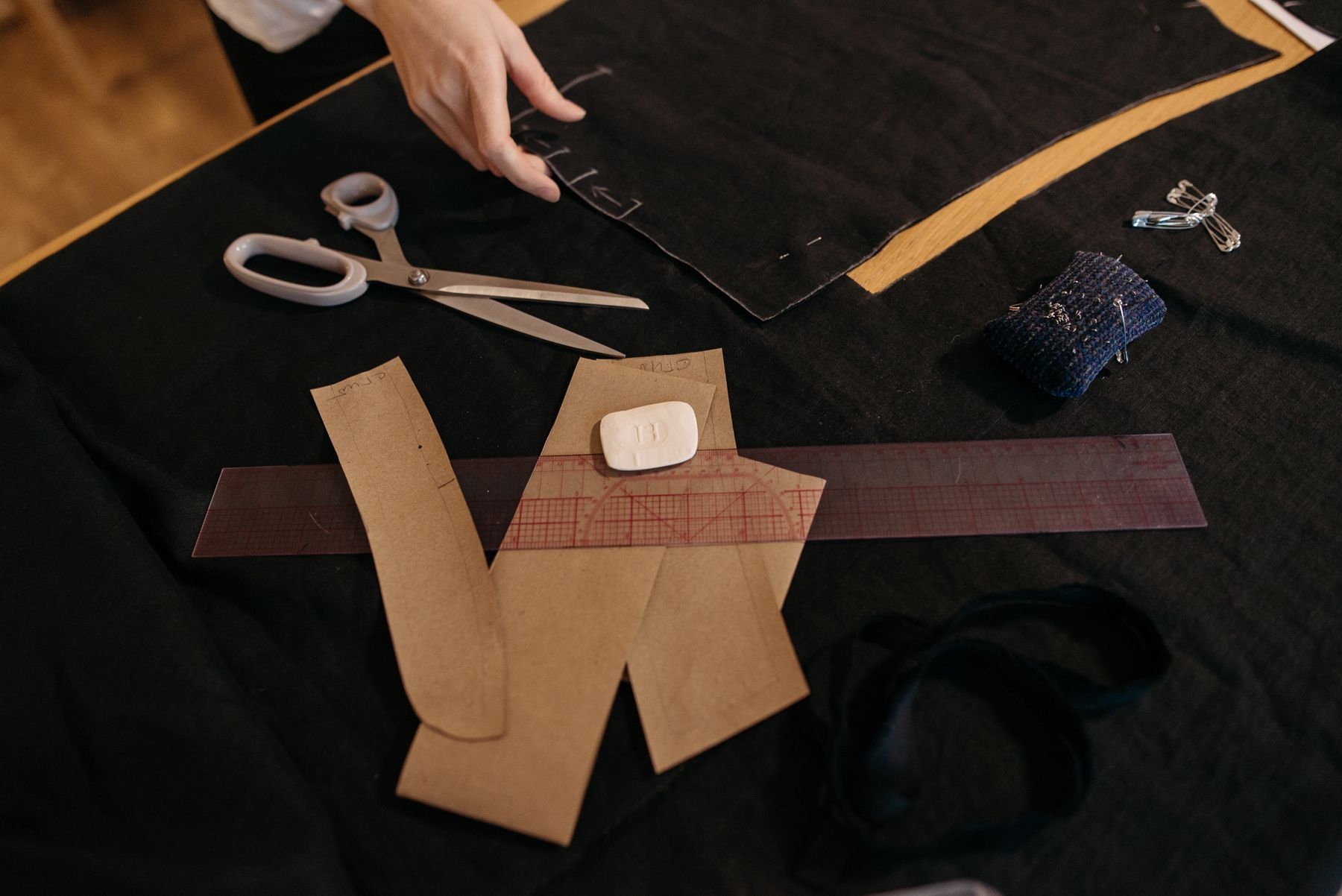
- Patterns developed from your size chart, block or reference garment
- Fit samples measured against your spec sheet, not judged by eye
- Approved pattern retained as the reference for repeat orders
Fit starts at the pattern, and almost every fit complaint traces back to it. We build pajama patterns from your size chart, an existing block, or a physical reference garment, then revise against measured fit comments until you approve.
The fabric is part of the pattern
The same pattern in cotton poplin and in modal jersey produces two different garments — one holds the shape you cut, the other falls onto the body. Ease allowances, seam types and even the shape of a neckline change depending on what the fabric will do.
This is why we ask for fabric direction before drafting rather than after. A pattern drafted for a woven and then made up in a knit will be wrong in a way no amount of sample rounds will fix.
Comments that move a pattern forward
Pattern makers act on measurements. The most useful comment format is:
Measurement point → current value → desired value → measured from where.
“Lengthen sleeve 2 cm from the shoulder point” is actionable. “The sleeve feels short” is a guess. Photographs of the sample on a body, with the issue visible, resolve the remaining ambiguity.
On bottoms, rise does the work
Most pajama-pant fit comments arrive worded as a waist problem and turn out to be a rise problem. Elastic hides a short front rise or a flat back-rise grade on a hanger and on a standing fit model, then stops hiding it as soon as the wearer sits down — which is why we ask for front and back rise as separate numbers and confirm them on the laundered sample rather than the first sewn one. Our pajama pants production guide lists the full measurement set a bottom needs.
Patterns are kept
Once approved, the pattern is retained. That is what makes a repeat order reproduce the same fit rather than restarting development — and it is what grading works from when the range expands.
When Buyers Need This
Situations this service answers
If none of these describe your project, this probably is not the step you need — tell us what you are actually trying to solve.
- You have a design but no pattern
- You have a reference garment you want the fit reproduced from
- An existing style is being made in a new fabric and needs re-patterning
- Customer feedback points at fit rather than at quality
Our Process
How this step runs
- 01
Source material assessed
A size chart, an existing block or a physical reference garment — each is a valid starting point and each is handled differently.
- 02
First pattern drafted
Drafted with allowances appropriate to the fabric, because the same shape behaves differently in a woven and a knit.
- 03
Fit sample cut and sewn
In the correct fabric where possible, then laundered before it reaches you.
- 04
Measured revision
Your measurement-based comments are applied to the pattern and re-sampled until the fit is approved.
- 05
Pattern retained
The approved pattern is kept as the reference for grading and for repeat orders, so next season starts from a known fit.
What We Need From You
Inputs required
The faster these arrive, the fewer rounds development takes.
- A size chart with tolerances, or a reference garment we can measure
- The fabric, or at least its construction and weight
- Fit intent — relaxed, regular or close — described with a reference where possible
- Any measurement points that are critical to your product
Options
Choices available
- Pattern developed from your size chart
- Pattern taken from a reference garment
- Your existing block digitised and adapted
- Fabric-specific pattern variants where one style is made in both woven and knit
Limitations
What this cannot do
Constraints stated up front are cheaper for both of us than constraints discovered in production.
- A pattern cannot compensate for a fabric that is wrong for the silhouette
- Fit comments phrased as feelings rather than measurements produce a different sample, not necessarily a better one
- Pattern ownership is agreed explicitly; ask and we will put it in writing
Quality
How it gets verified
- Fit approved on a laundered sample, so shrinkage is inside the decision
- Every revision recorded against the previous pattern version
- Approved pattern measurements carried into the production check sheet
Step 5 of 10
Where this sits in production
Every order runs through the same sequence. Each step has its own page, its own approval, and its own way of going wrong.
- 01Private Label Pajamas
- 02OEM / ODM Pajama Manufacturing
- 03Sample Development
- 04Fabric Sourcing
- 05Pattern Making & Fit
- 06Size Grading
- 07Printing & Embroidery
- 08Labels & Packaging
- 09Bulk Production
- 10Quality Control
← Before this
Fabric Sourcing
Fabric sourcing for pajama production: cotton, modal, satin, jersey, flannel and viscose, plus custom dyeing with lab dips and print strike-offs.
After this →
Size Grading
Size grading for sleepwear: turning an approved base-size pattern into a full size range that fits, with size sets and measurement checks before bulk.
Related Pajamas
Products this applies to
FAQ
Pattern Making & Fit — common questions
How much does a pajama sample cost?
Sample cost depends on the style, fabric and customization (printing, embroidery, special trims). We confirm the exact sample fee per project before sampling starts — share your design through the quote form for a precise figure.
How long does sampling take?
A first sample usually takes about 7–10 days once the design is confirmed. Complex styles, sourced fabrics and extra revision rounds add time; we confirm the sampling timeline with each sample order and keep you updated through development.
Can I use my own pajama design?
Yes. Send a tech pack, reference sample or reference photos and we handle pattern development, grading and sampling to your design. Your designs stay confidential to your project.
Will my fit sample be washed before I approve it?
Yes — we launder fit samples before sending them. Cotton shrinks, knits relax and viscose can distort, so a sample approved unwashed is not the garment your customer receives. Approving fit on a washed sample removes the most common cause of bulk fit complaints.
Can you source custom fabrics?
Yes. Beyond stock cotton, modal, satin, jersey, flannel and viscose options, we source custom blends, custom-dyed colors and custom prints. Custom-developed fabrics carry higher minimums, which we confirm during quoting.
Can you match Pantone colors?
Yes. For custom-dyed fabrics we produce lab dips against your Pantone reference for approval before bulk dyeing, so the production color matches the approved standard.
Who owns the pattern developed for my product?
Ask us and we will put it in writing before development starts. Pattern ownership is a commercial term rather than a fixed rule, and it is better agreed at the outset than assumed. Your designs, tech packs and reference materials stay confidential to your project either way.
Need pattern making & fit for your project?
Send your product requirements and we will come back with a plan for this step and a quotation for the whole order.
Related Reading
Guides on this topic
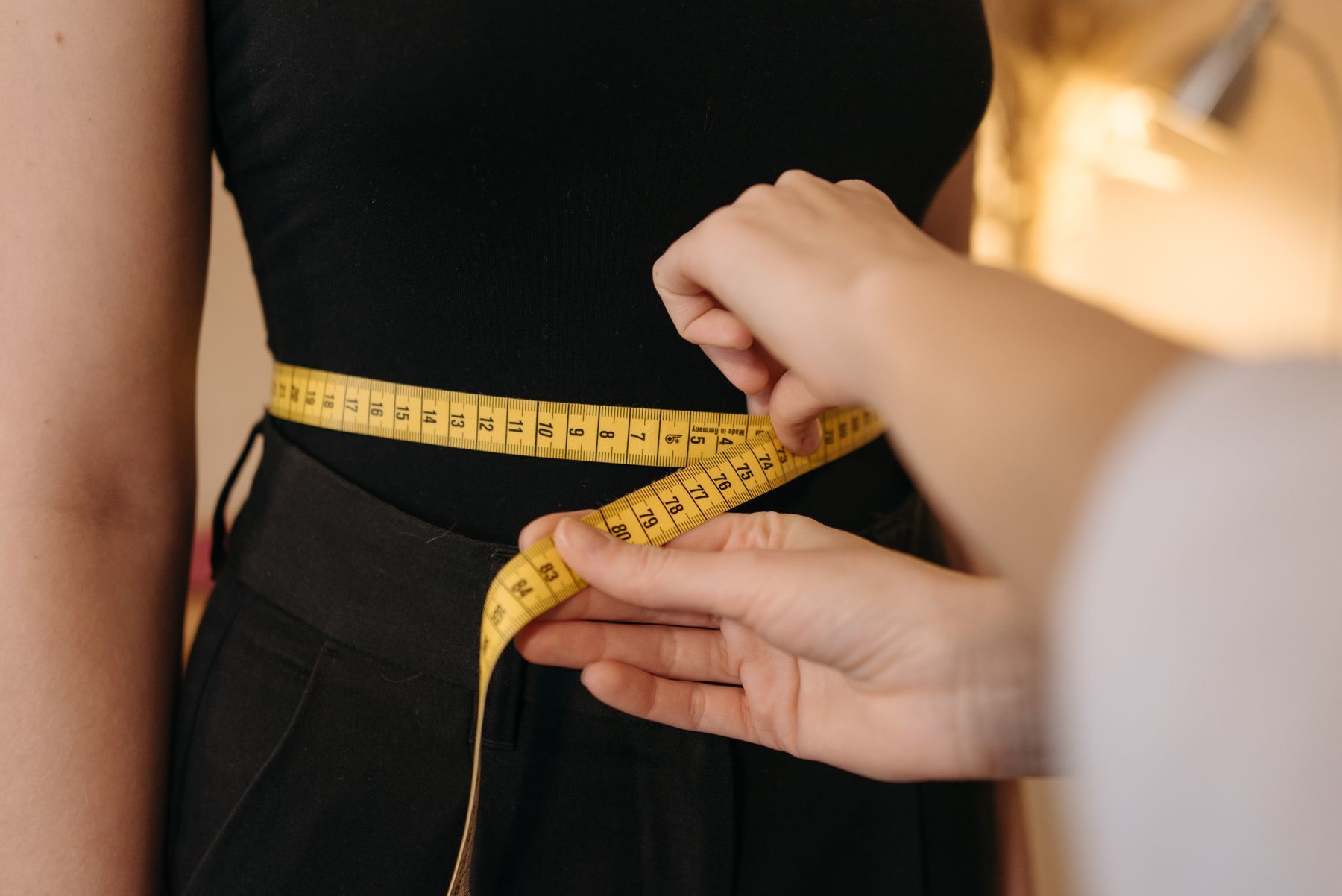
Manufacturing
How Pajama Sampling Works
What happens between sending a reference garment and approving a production sample — the sample types, what each one is for, and how to write fit comments that actually work.
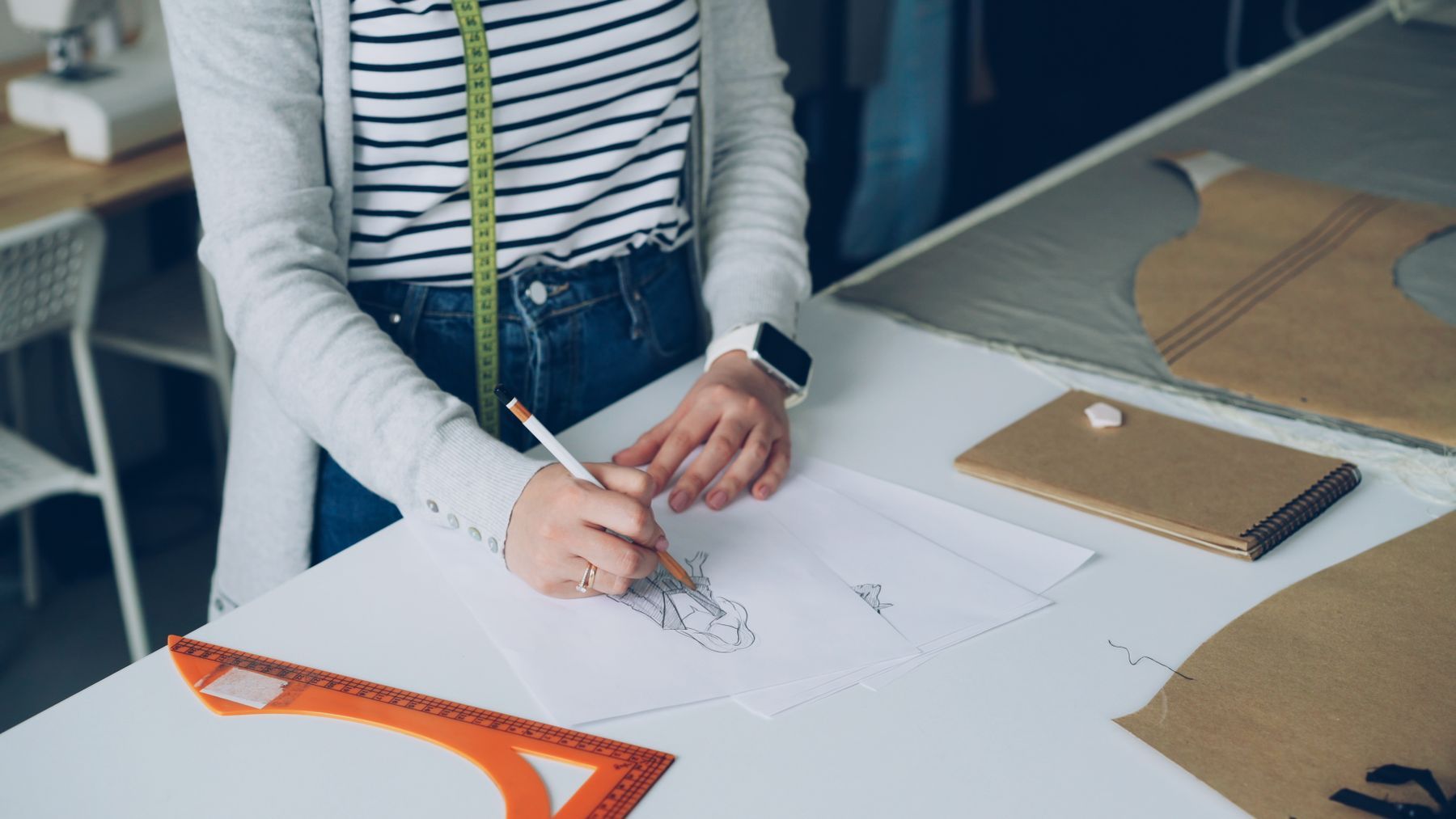
Private Label
How to Prepare a Pajama Tech Pack
What a sleepwear factory actually needs before it can sample and quote: measurements, construction, fabric, trims and artwork — and what happens when each one is missing.
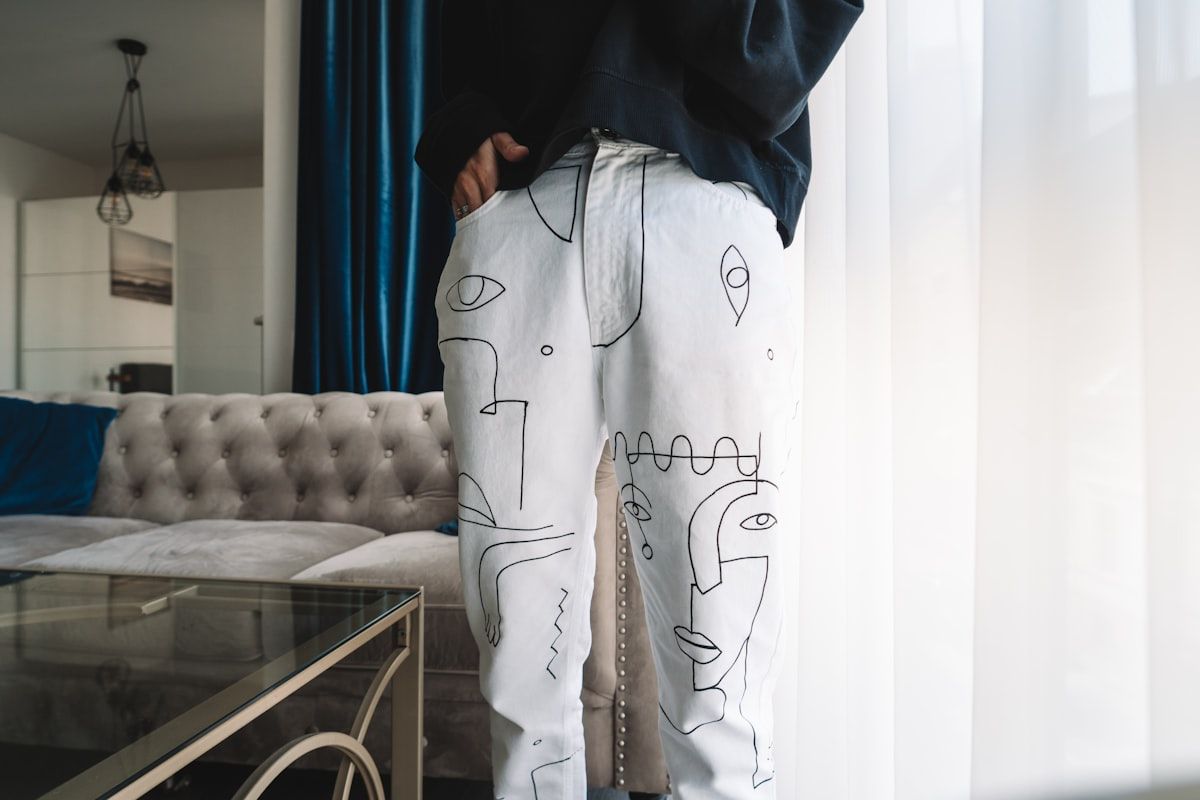
Buyer Guides
Custom Pajama Pants: Design, Printing and Production Guide
How to specify pajama pants for production: waistband systems, rise and inseam, pocket construction, print behavior across pattern pieces, and a size chart a factory can cut from.
Quality Control
Why Pajamas Shrink After Washing
The four different things people call shrinkage, why knits and wovens behave differently, and the one approval habit that prevents most sizing complaints in sleepwear.