Manufacturing
Pajama Sample Development
Pajama sample development from tech pack or reference garment: pattern making, fabric swatches, fit samples, revision rounds and a sealed production standard.
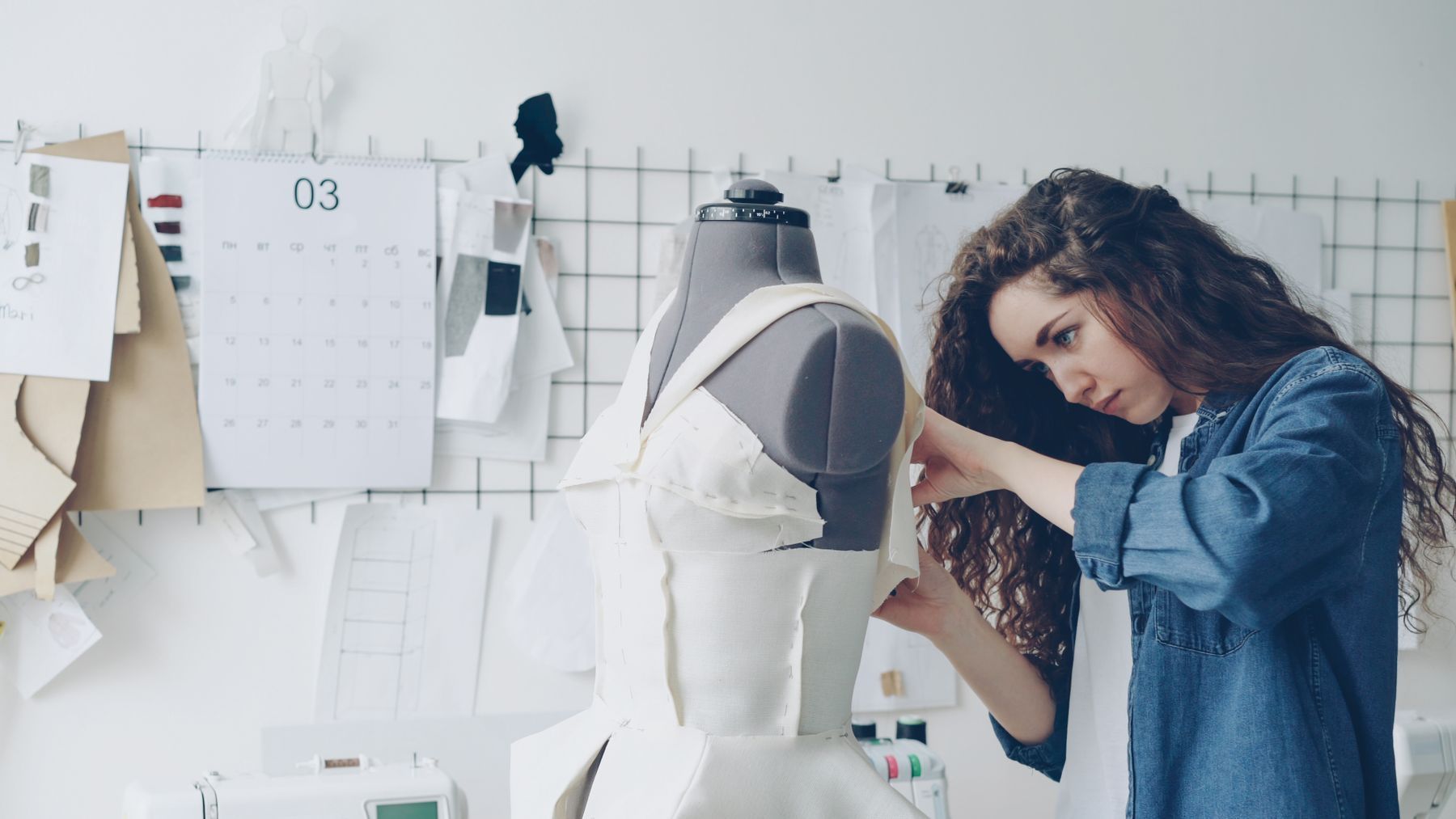
- Samples developed from a tech pack, reference garment or photographs
- Fit and workmanship revised until you approve
- The approved sample is sealed as the bulk production standard
Sampling is where a pajama order is actually decided. Everything afterwards — cutting, sewing, inspection, shipment — is an exercise in reproducing the sample you approved. Whatever is wrong in the sample is reproduced too, at quantity.
That is why we would rather spend an extra week here than explain a bulk problem later.
The habit that prevents most complaints
Approve fit on a washed sample.
Cotton shrinks. Knits relax and shorten. Viscose can distort. A sample that fits perfectly straight off the machine can be a noticeably different garment after three launderings — and the washed version is the only one your customer ever wears.
We launder fit samples before sending them for this reason. If you have received samples elsewhere that were not washed, this is the single change that will most improve your results.
How to make development take two rounds instead of five
Use measurements rather than adjectives. “Lengthen sleeve 2 cm from the shoulder point” is actionable; “the sleeve feels short” is a guess for the pattern maker.
Change one variable at a time. If fit, fabric and collar all change in the same round, and the next sample is wrong, nothing has been learned.
Separate fit comments from construction comments — they are acted on by different people.
There is a longer walkthrough of the whole process in How Pajama Sampling Works.
What you get at the end
An approved, sealed pre-production sample in the correct fabric with the correct trims, labels and packaging. That physical garment is the definition of what you ordered, and it is what production is checked against in quality control.
When Buyers Need This
Situations this service answers
If none of these describe your project, this probably is not the step you need — tell us what you are actually trying to solve.
- You are developing a new style and need to see it before committing to bulk
- You have a reference garment you want something similar to
- You are changing fabric on an existing style and need to re-confirm fit
- You are introducing a new size chart and need a size set
Our Process
How this step runs
- 01
Brief reviewed
We read your tech pack or measure your reference garment, then confirm construction details in writing before anything is cut.
- 02
Fabric swatches proposed
Candidate fabrics are swatched and sent physically. Hand feel, weight and opacity cannot be judged from photographs.
- 03
First sample made
Confirms construction, proportion and trims. Often in a substitute fabric of similar weight, because its job is to prove the design.
- 04
Fit sample in the correct fabric
Made to your size chart in your base size, and laundered before it reaches you so you approve the fit your customer will actually wear.
- 05
Revisions applied
Your measurement-based comments are applied and re-sampled. Two to three rounds is a realistic planning assumption.
- 06
Size set where grading is new
One garment across several sizes, so the grade is proven before bulk rather than discovered in it.
- 07
Pre-production sample sealed
The final sample — correct fabric, trims, labels and packaging — is sealed as the physical reference bulk is checked against.
What We Need From You
Inputs required
The faster these arrive, the fewer rounds development takes.
- A tech pack, a reference garment, or clear reference photographs
- Your size chart with tolerances, or a garment we can measure
- Fabric direction — a target hand feel and price position is enough to start
- Artwork for any print or embroidery
- Label and packaging artwork before the pre-production sample
Options
Choices available
- Development from a reference garment (faster, lower risk)
- Development from a full tech pack (exact control)
- Substitute-fabric first sample, or straight to correct fabric
- Size set across the full range, or base size only
- Duplicate sealed sample retained by you
Limitations
What this cannot do
Constraints stated up front are cheaper for both of us than constraints discovered in production.
- We cannot approve fit on your behalf — a sample needs your decision to move forward
- Comments phrased as feelings rather than measurements produce a different sample, not necessarily a better one
- Changing fabric, fit and construction in the same round makes the result uninterpretable
- Sampling in a fabric that is not available in bulk quantity wastes a round; fabric availability is confirmed first
Quality
How it gets verified
- Fit samples are laundered before fit approval, so shrinkage is visible before bulk
- Every revision is recorded against the previous sample rather than described loosely
- The sealed sample is retained physically and referenced during in-line production checks
- Print and embroidery are approved as separate strike-outs before going onto a garment
In Production
What this looks like
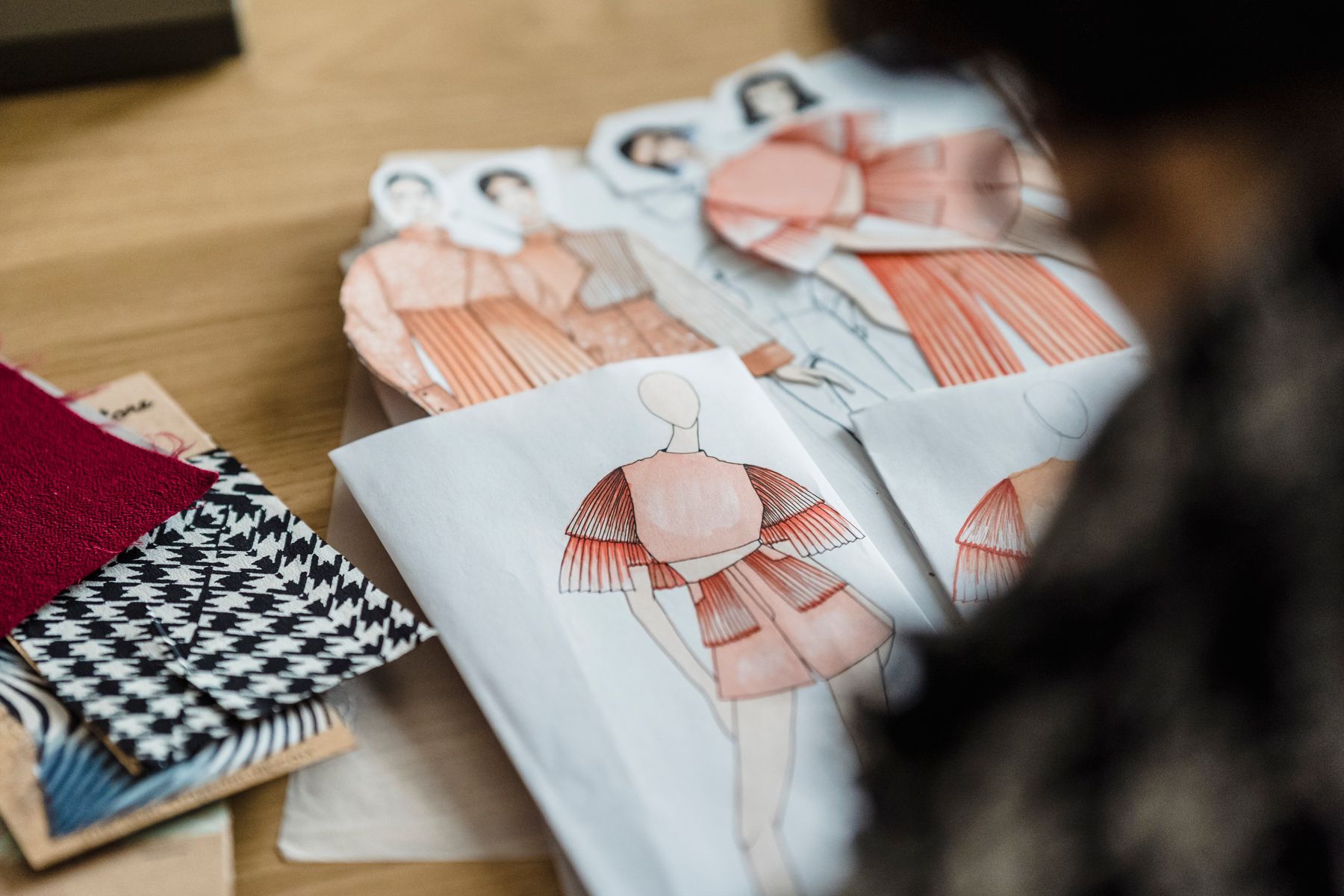
Design and fabric reviewed together 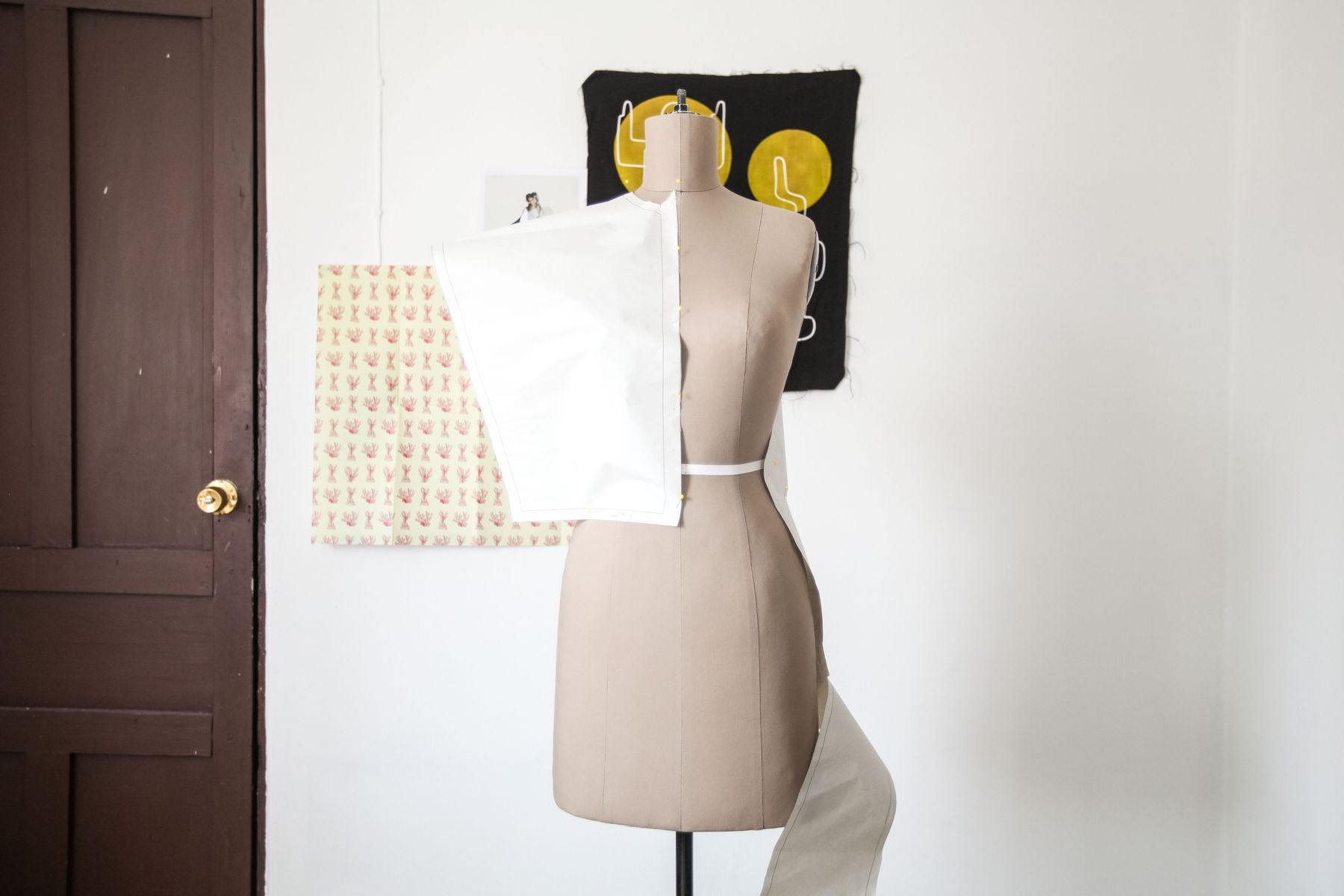
Pattern proved on the form 
Sample assembly
Step 3 of 10
Where this sits in production
Every order runs through the same sequence. Each step has its own page, its own approval, and its own way of going wrong.
- 01Private Label Pajamas
- 02OEM / ODM Pajama Manufacturing
- 03Sample Development
- 04Fabric Sourcing
- 05Pattern Making & Fit
- 06Size Grading
- 07Printing & Embroidery
- 08Labels & Packaging
- 09Bulk Production
- 10Quality Control
← Before this
OEM / ODM Pajama Manufacturing
OEM and ODM pajama manufacturing: produce to your tech pack and patterns, or start from existing house styles and adapt them to your brand.
After this →
Fabric Sourcing
Fabric sourcing for pajama production: cotton, modal, satin, jersey, flannel and viscose, plus custom dyeing with lab dips and print strike-offs.
Related Pajamas
Products this applies to
FAQ
Sample Development — common questions
How much does a pajama sample cost?
Sample cost depends on the style, fabric and customization (printing, embroidery, special trims). We confirm the exact sample fee per project before sampling starts — share your design through the quote form for a precise figure.
How long does sampling take?
A first sample usually takes about 7–10 days once the design is confirmed. Complex styles, sourced fabrics and extra revision rounds add time; we confirm the sampling timeline with each sample order and keep you updated through development.
Can I use my own pajama design?
Yes. Send a tech pack, reference sample or reference photos and we handle pattern development, grading and sampling to your design. Your designs stay confidential to your project.
Will my fit sample be washed before I approve it?
Yes — we launder fit samples before sending them. Cotton shrinks, knits relax and viscose can distort, so a sample approved unwashed is not the garment your customer receives. Approving fit on a washed sample removes the most common cause of bulk fit complaints.
Can you source custom fabrics?
Yes. Beyond stock cotton, modal, satin, jersey, flannel and viscose options, we source custom blends, custom-dyed colors and custom prints. Custom-developed fabrics carry higher minimums, which we confirm during quoting.
Can you match Pantone colors?
Yes. For custom-dyed fabrics we produce lab dips against your Pantone reference for approval before bulk dyeing, so the production color matches the approved standard.
Who owns the pattern developed for my product?
Ask us and we will put it in writing before development starts. Pattern ownership is a commercial term rather than a fixed rule, and it is better agreed at the outset than assumed. Your designs, tech packs and reference materials stay confidential to your project either way.
Need sample development for your project?
Send your product requirements and we will come back with a plan for this step and a quotation for the whole order.
Related Reading
Guides on this topic
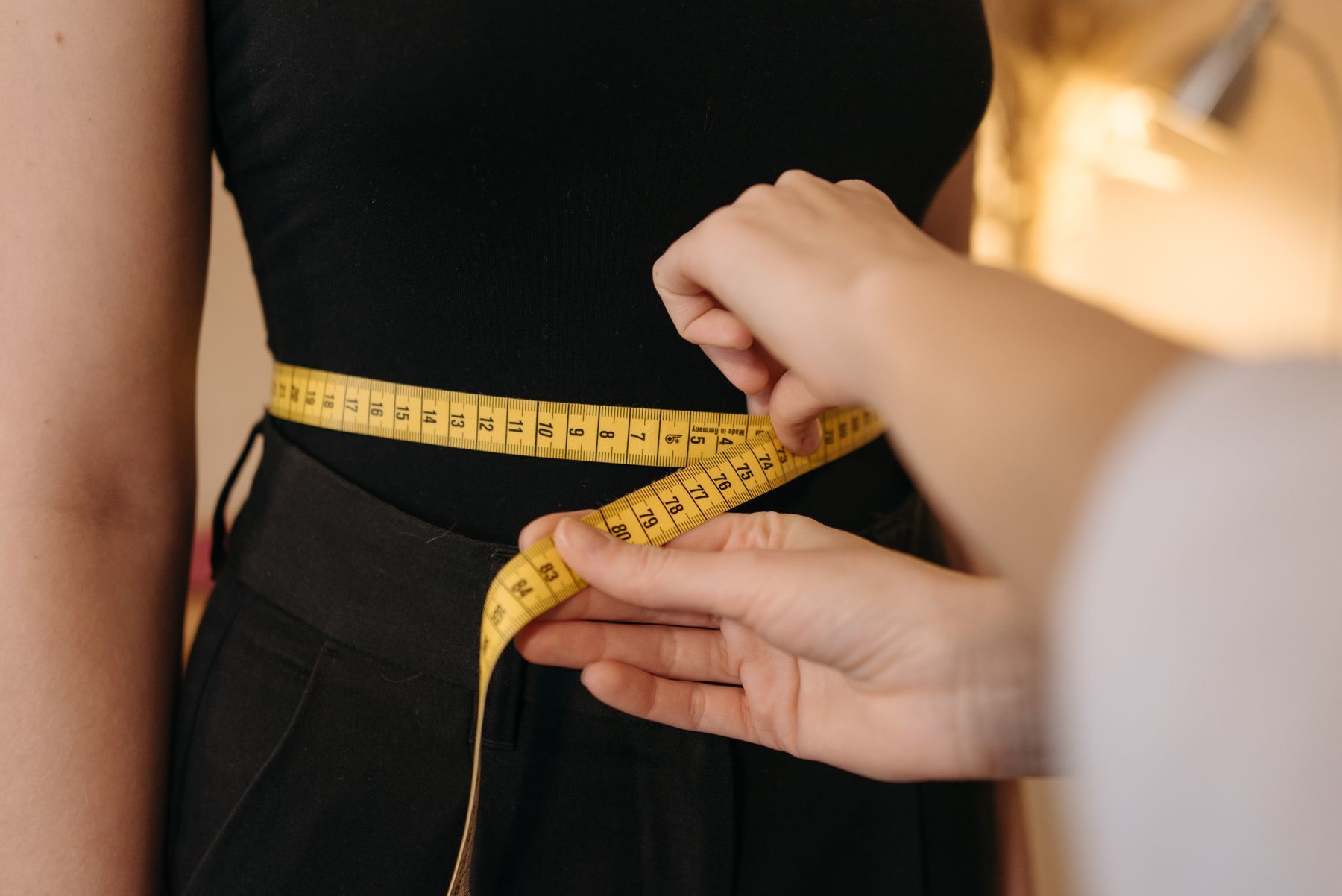
Manufacturing
How Pajama Sampling Works
What happens between sending a reference garment and approving a production sample — the sample types, what each one is for, and how to write fit comments that actually work.
Starting a Pajama Brand
How to Start a Pajama Brand
What actually happens between having an idea for a sleepwear brand and receiving your first bulk order — the decisions, the sequence, and where new brands lose time.
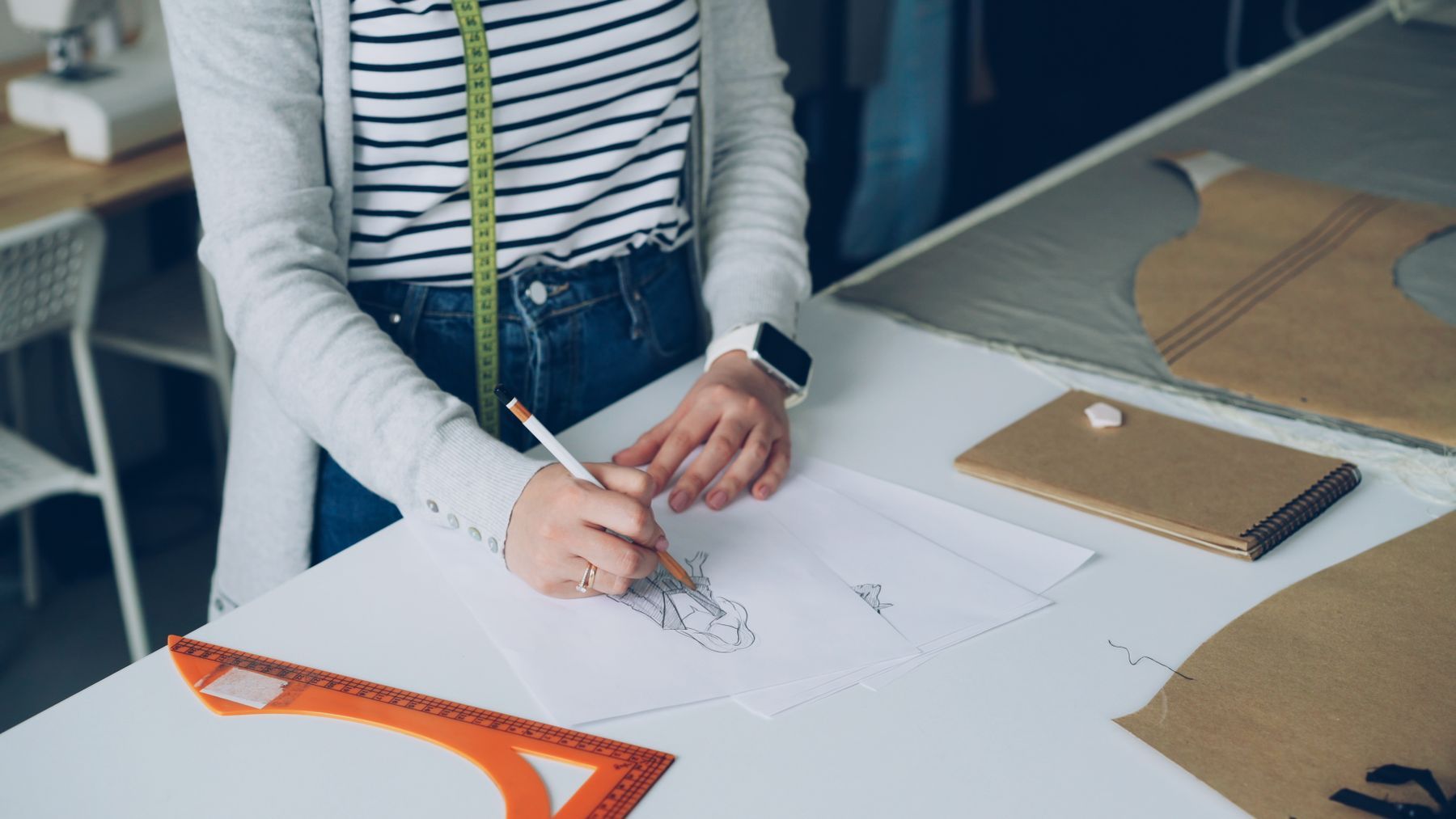
Private Label
How to Prepare a Pajama Tech Pack
What a sleepwear factory actually needs before it can sample and quote: measurements, construction, fabric, trims and artwork — and what happens when each one is missing.