Private Label
How to Prepare a Pajama Tech Pack
What a sleepwear factory actually needs before it can sample and quote: measurements, construction, fabric, trims and artwork — and what happens when each one is missing.
By PajamaWorks Team, Sleepwear production team, Dongguan Hualingniao Apparel ·
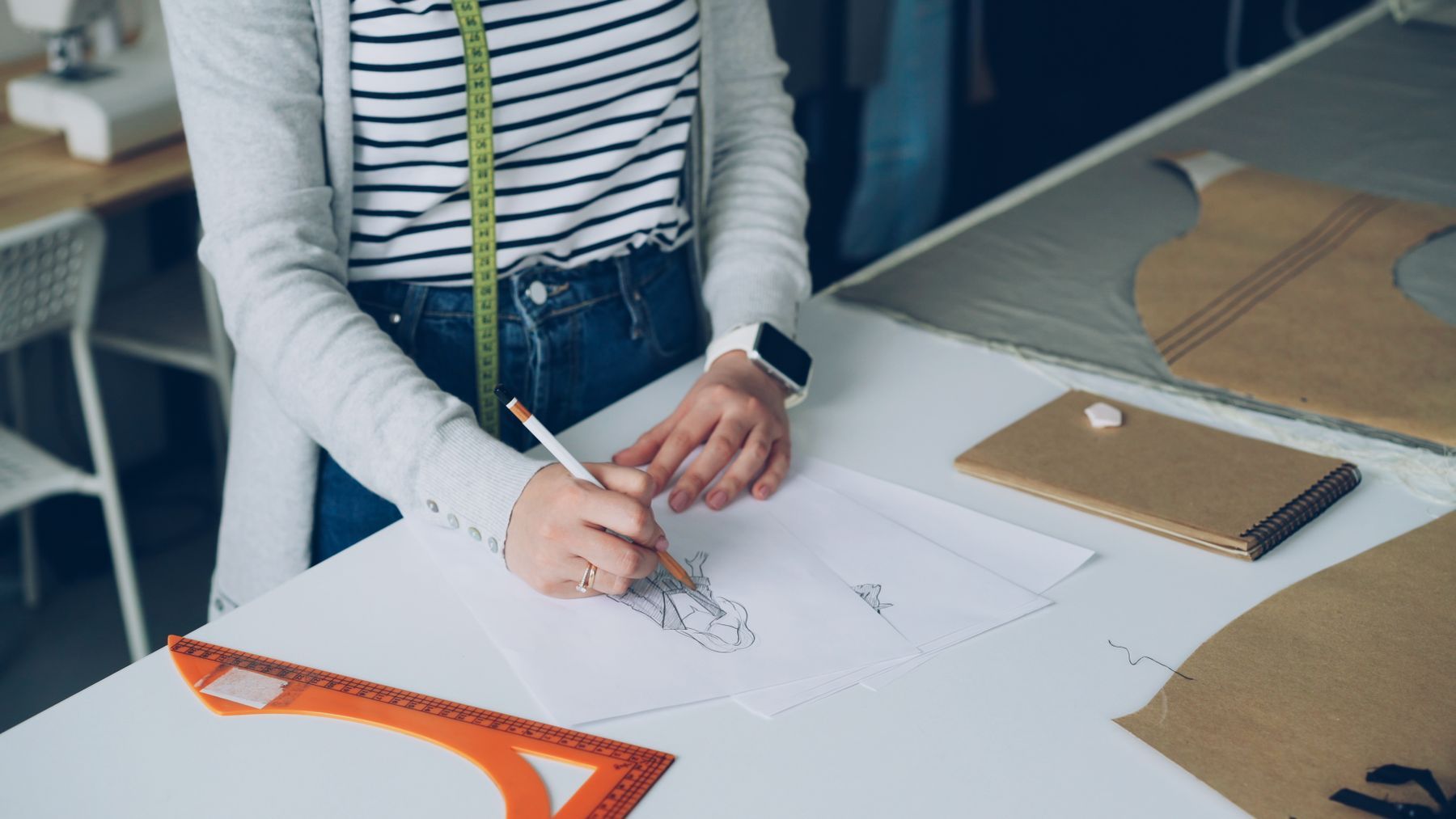
A tech pack is not a formality and it is not a design document. It is the set of decisions that would otherwise be made by someone in a factory who has never met you — because production cannot pause while a question gets answered, so anything you leave out gets decided without you.
You do not need professional software or a technical designer to write a useful one. You need to have made the decisions.
What a factory cannot start without
At minimum:
- What the garment is — a sketch, a photograph, or a reference garment
- Measurements — a size chart, or a garment we can measure
- Fabric direction — type, weight and composition, or a swatch
- Quantity — per style and per colourway
- Market — for care labelling and size conventions
Everything below improves the result. These five decide whether there is a project at all.
The sections that matter
1. Sketch or reference
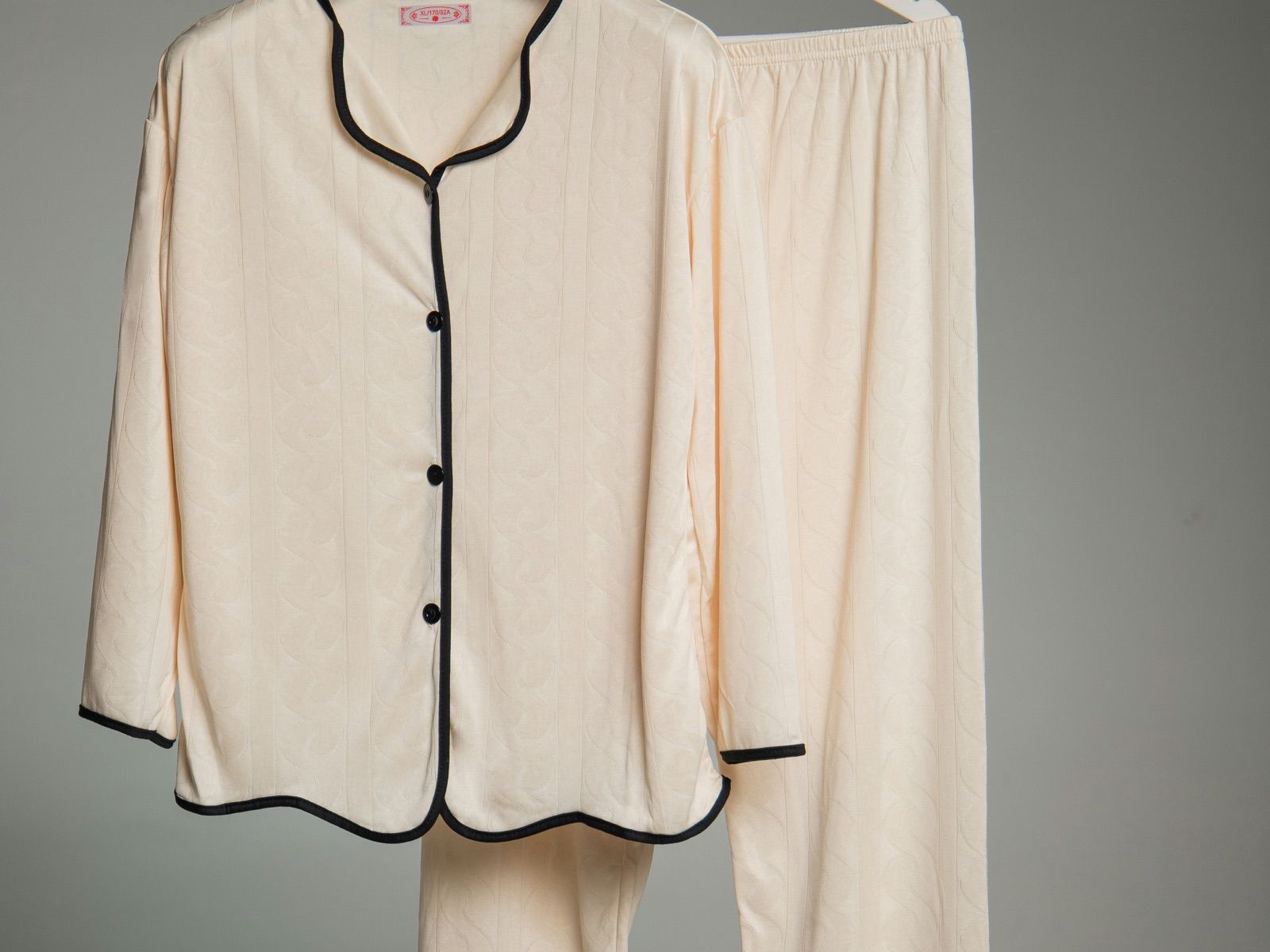
A flat sketch — front and back — beats a mood photograph, because a photograph hides the back and hides construction. A physical reference garment beats both, and is the single most efficient thing you can send. It answers a hundred questions nobody would have thought to ask.
If you send a reference, say clearly what you want kept and what you want changed. “Like this, but longer in the body and with a patch pocket” is a complete instruction.
2. Measurement chart
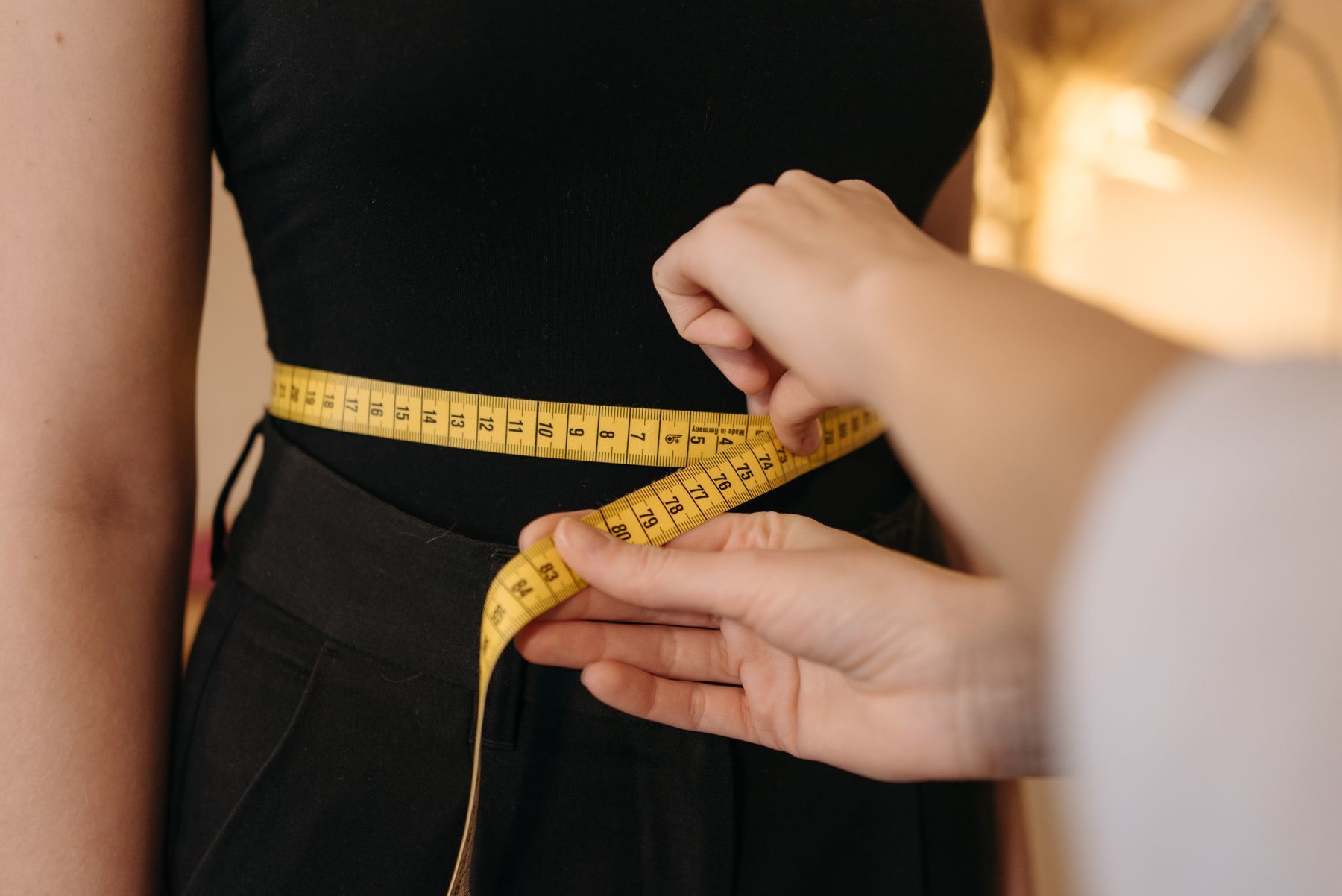
Specify measurements as garment measurements, not body measurements, and state the point of measure for each — “chest, 2.5 cm below armhole” rather than “chest”.
Include a tolerance per measurement. Fabric moves, and a tolerance is what turns “this is wrong” into a check either party can apply. Without one, every disagreement about fit becomes a matter of opinion.
Grading — how measurements change across your size range — can come from you or be proposed by us. See size grading.
3. Construction details
The section that most affects quotation accuracy. State:
- Seam types, especially where seams touch skin
- Hem and cuff finishes
- Waistband construction, elastic width and whether it is enclosed or exposed
- Closure type — buttons, snaps, ties — and their placement
- Pocket type and position
- Topstitch positions and stitch density
- Whether facings or plackets are self-fabric, contrast, or lined
If a detail is not stated, we will assume something reasonable. Reasonable is not the same as what you pictured.
4. Fabric specification
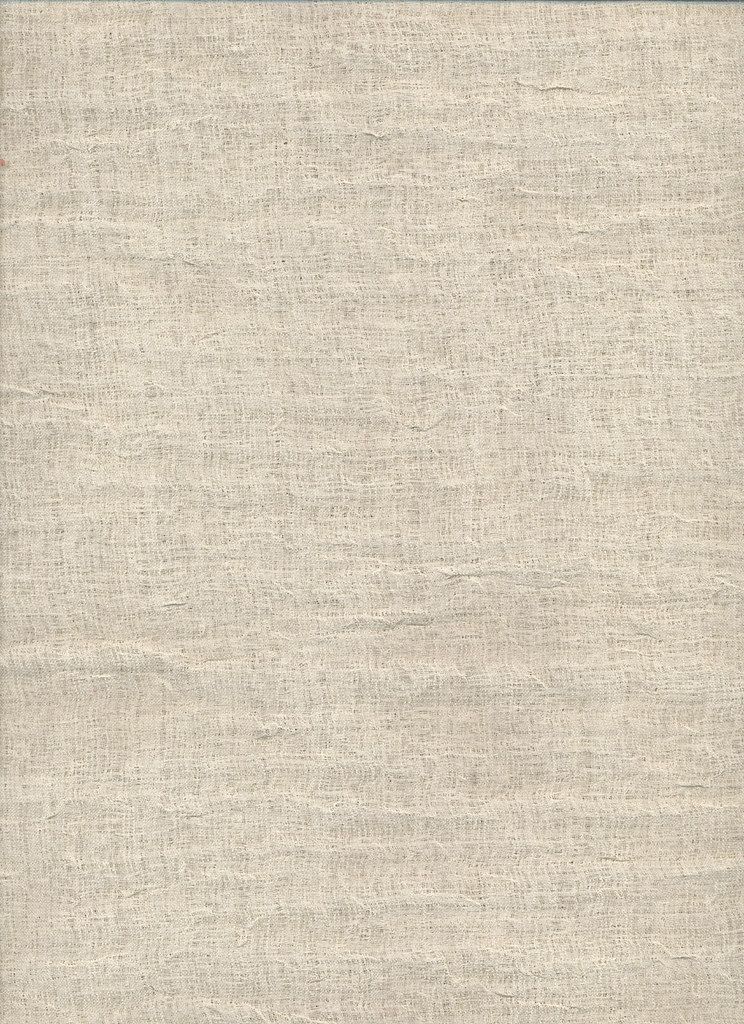
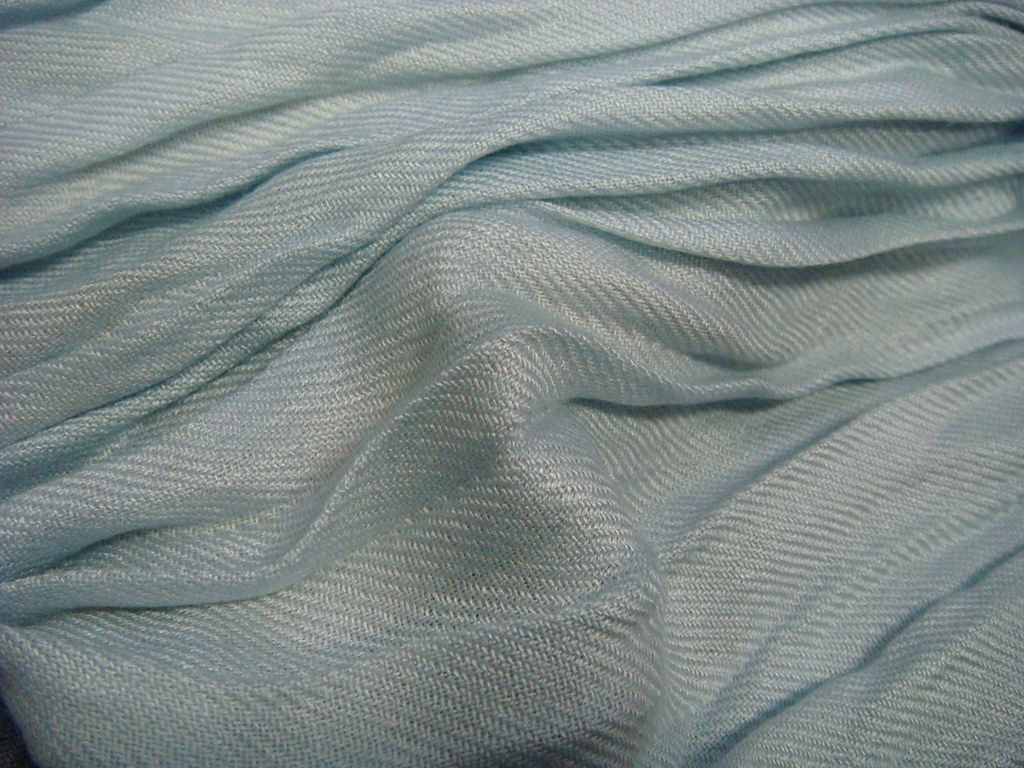
Type, construction, composition, weight, width and finish. All six, not just “cotton”. Read choosing fabric weight if you are unsure how to state weight, and fabric sourcing for how the spec is used.
If you have a physical swatch, send it. A swatch outranks any written description.
5. Bill of materials
Every component that goes into the garment: fabric, thread, elastic, buttons, labels, hang tag, polybag. Trims have their own lead times and minimums, and a forgotten one holds up an otherwise finished order.
6. Colourways
Give each colour a reference — a Pantone number, a physical swatch, or a sample of the actual colour you want matched. “Navy” is not a colour instruction.
Say explicitly which colourways go with which styles and in what quantity.
7. Labels and packaging
Artwork in vector format, placement for each label, and your packaging format. Care label content depends on the fabric and your selling market, so tell us both. See labels and packaging and woven vs printed labels.
8. Artwork
Print and embroidery artwork as vector files where possible, with placement, size and colour references. Note whether the artwork is an all-over repeat or a positioned placement — they are different production processes.
Common mistakes
- Body measurements labelled as garment measurements. Produces a garment that fits nobody, correctly.
- No tolerances. Turns every fit review into an argument.
- Only front views. The back of a garment is half of it.
- Colour specified on screen. No two screens agree. Send physical references.
- Trims left until later. They have the lead times you did not budget for.
- A tech pack that contradicts itself — the sketch shows a patch pocket, the BOM has no pocket bag. We will ask, and that question costs a day.
If you do not have a tech pack
That is a normal starting point and not a barrier. Send a reference garment or detailed photographs and describe what you want changed; the specification gets built during sample development and you approve it. That is the ODM route described on OEM / ODM.
The important thing is that a specification exists before bulk production. Who wrote it matters much less than whether you have approved it.
Have a tech pack, or a reference garment and an idea? Send it over — we will tell you what is missing before quoting, rather than quoting around the gaps.