Custom Pajama Manufacturing
Custom Loungewear Manufacturer
Loungewear sits between sleepwear and daywear, which means it is judged on daywear standards. We produce lounge sets and knit separates to your blocks, in heavier knits, with private label trims and packaging.
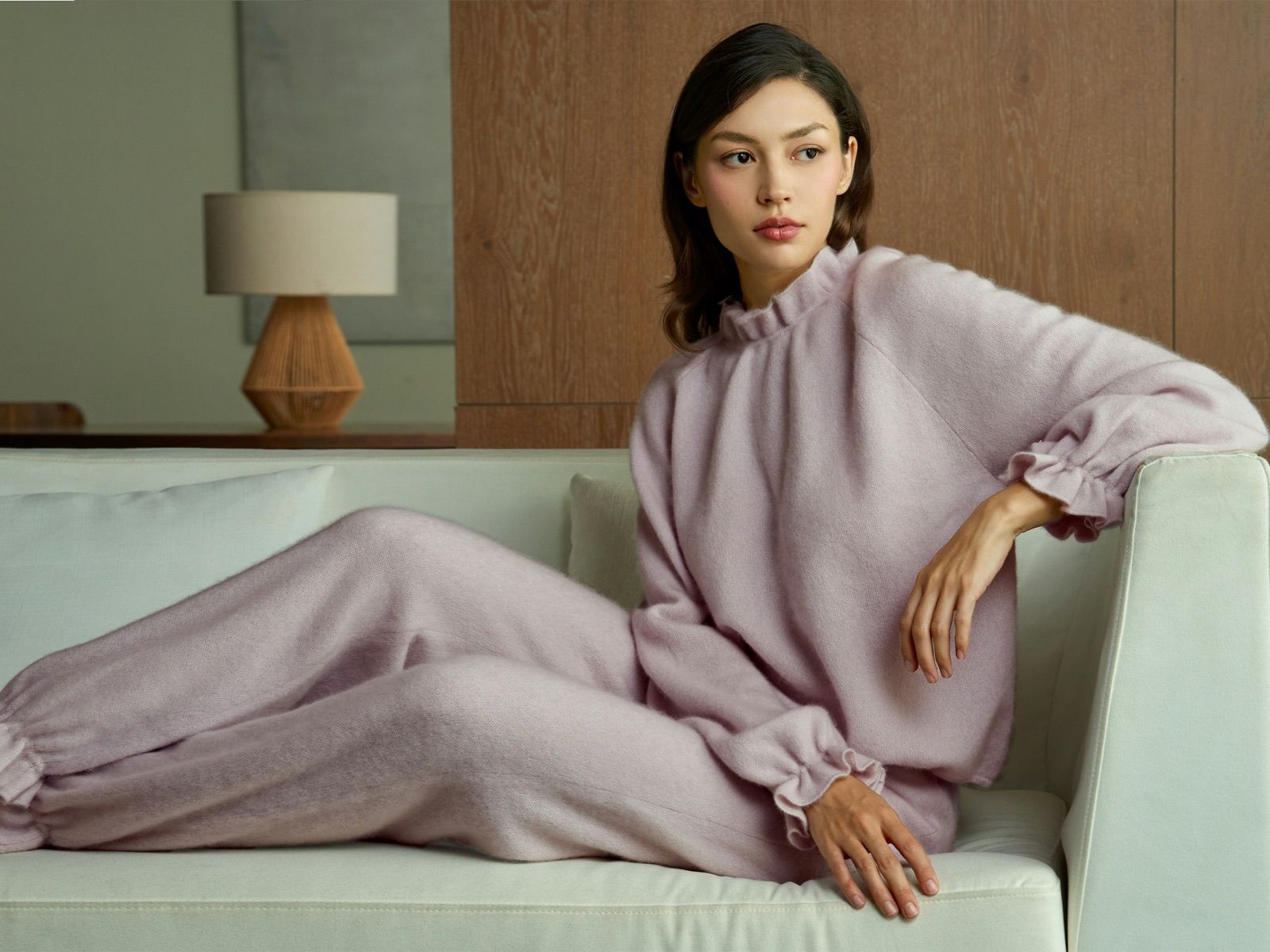
Judged as daywear, priced as sleepwear
The commercial trap in loungewear is that customers wear it outside the house and photograph it, but expect to pay closer to sleepwear prices. That pushes the quality bar up while the price ceiling stays low.
What that means in production terms: heavier fabrics, better recovery, and trim quality that survives being washed like everyday clothes. A jersey that is fine for a summer pajama set will pill and lose shape as a lounge set within a season.
Deciding which side of the line a style sits on
Whether a knit set is developed as loungewear or as sleepwear changes the fabric weight, the trim specification, the wash standard and, for children’s sizes, which flammability rule applies. If that decision is still open, start with our guide to what loungewear is and how it differs from sleepwear before sending a brief.
Comparing suppliers, or deciding between stock and custom
If you are weighing stock wholesale against private label or custom production, or comparing several factories, our guide to evaluating a loungewear manufacturer sets out the three sourcing routes and the knit-specific tests worth running on a washed sample before you commit.
Colour consistency across a matched range
Loungewear is usually sold as a coordinated family: top, bottom, sometimes a third piece, in the same colour. Customers buy them separately and expect them to match.
If pieces are cut from different fabric constructions — a jersey body with a rib trim, for example — they will take dye differently and can read as two slightly different colours even from the same dye lot. This is normal textile behaviour and entirely manageable, but it has to be decided at sampling:
- Agree whether trims must match exactly or are deliberately contrasting
- Approve the trim against the body fabric on the physical sample
- Where an exact match is required, plan for the pieces to come from coordinated dye lots
Discovering this after bulk is expensive; deciding it at sampling costs nothing.
Recovery is the durability spec
For lounge sets, the measure that predicts customer satisfaction is stretch recovery — whether the fabric returns to shape after being worn and washed repeatedly. Knees that bag, cuffs that go slack, waistbands that stop holding.
Ask for this to be assessed on a washed sample rather than assumed from the fabric name, and set the fabric weight high enough that recovery is achievable.
What to confirm before bulk
- Fabric GSM and blend, in writing
- Washed shrinkage and side-seam twist
- Rib trim colour matched to the body fabric on the physical sample
- Waistband elastic recovery after laundering
In Production
How this product is made
Reference photography for the production details discussed on this page. Request current factory evidence for your specific program during quotation.
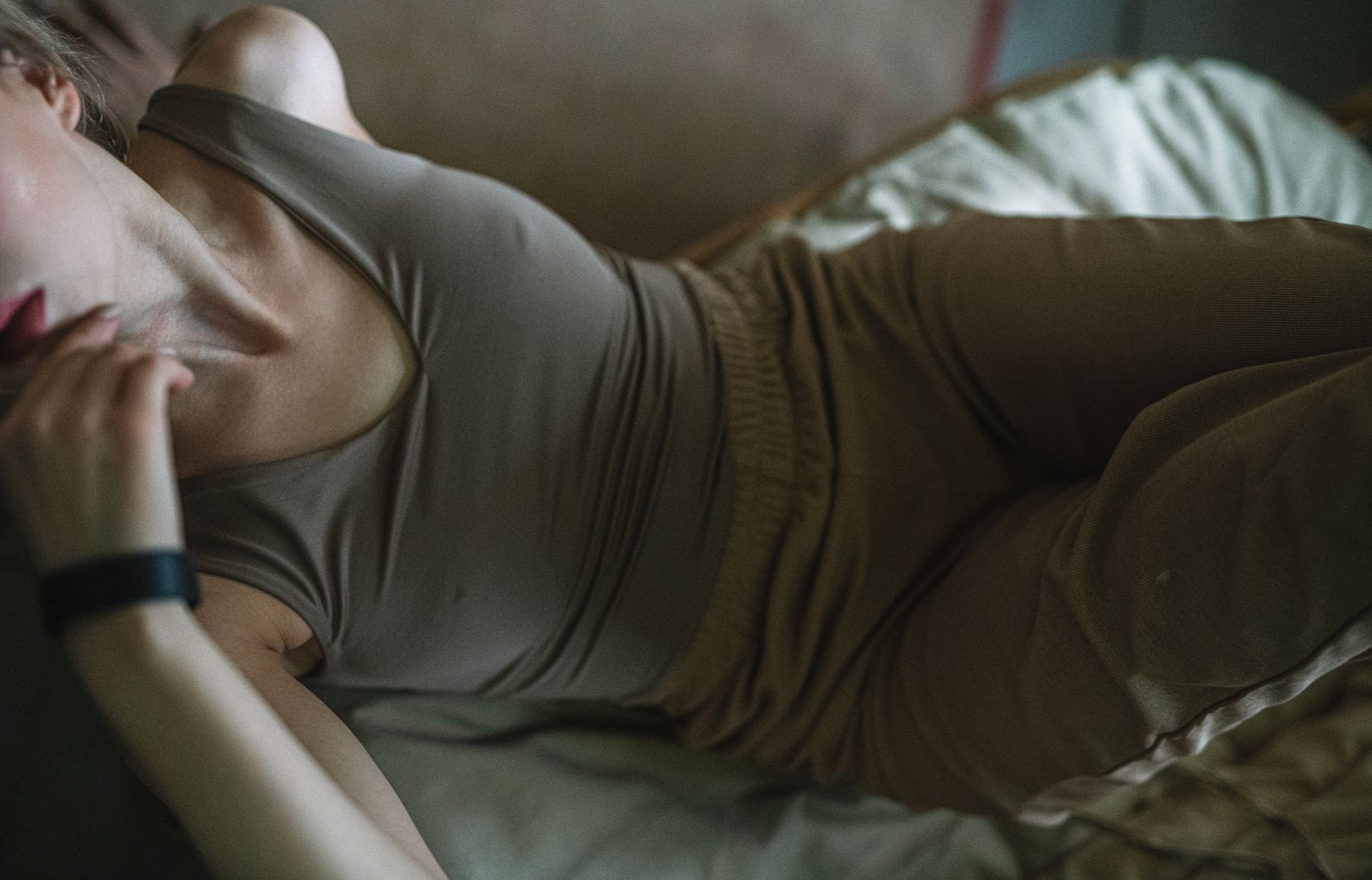
Lounge sets 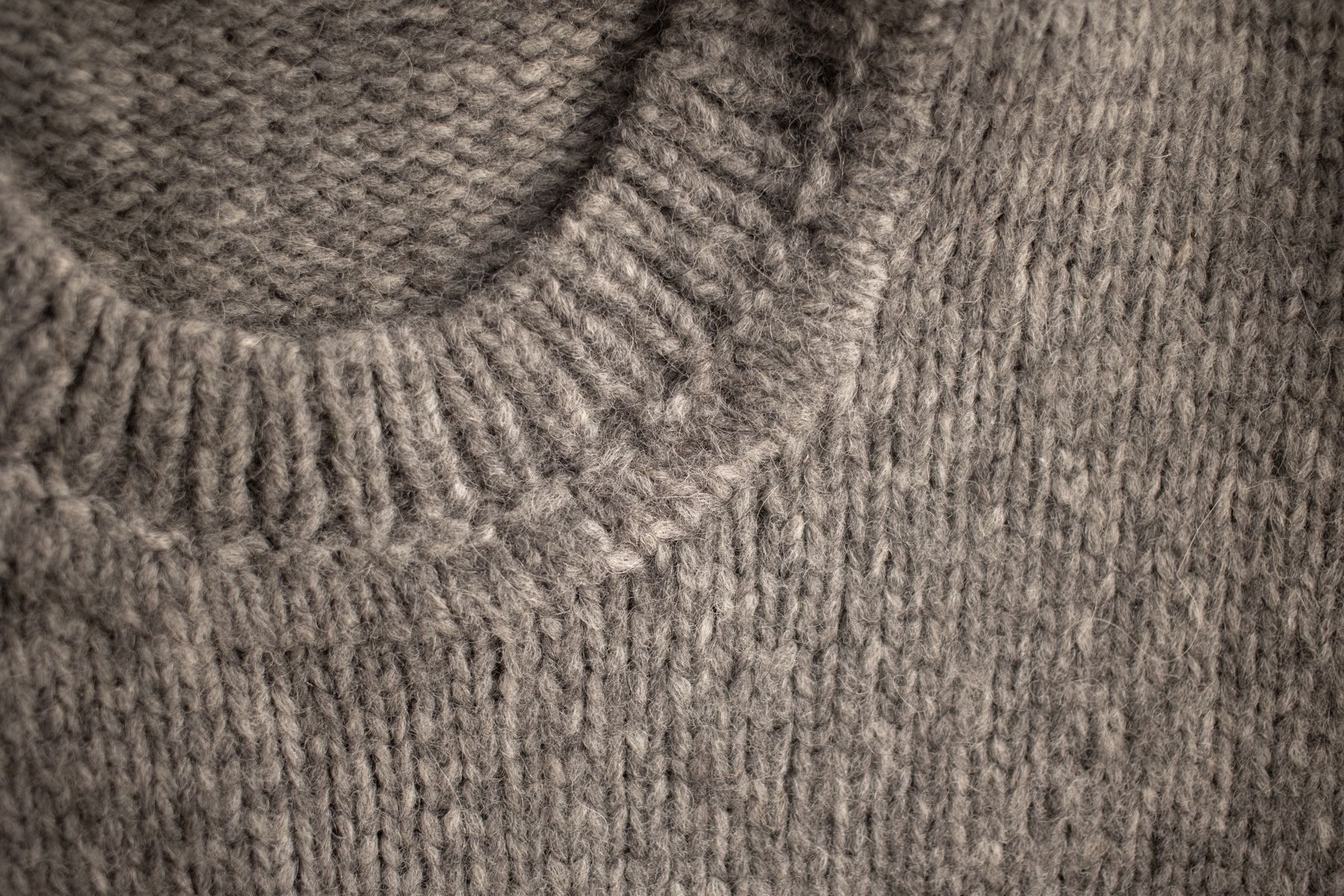
Knit quality and hand feel 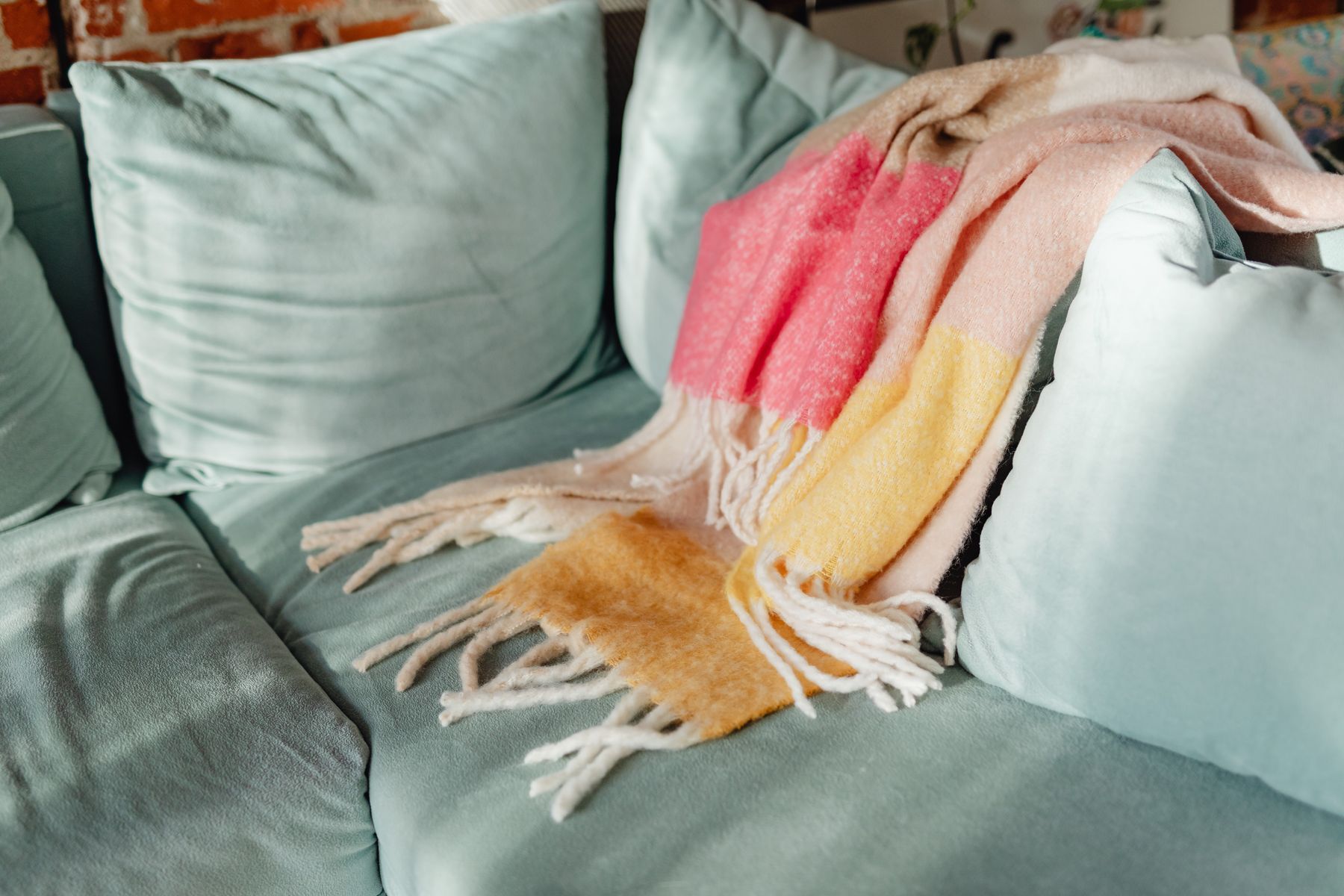
Home and leisure pieces
Available Styles
Loungewear we develop
Lounge sets
Matched top and bottom in a heavier knit. The core product — sold as a set and often split as separates.
Joggers and sweatpants
Cuffed leg, elasticated waist with drawcord. Fabric weight and recovery decide whether they hold shape.
Knit tops and hoodies
Sweatshirt-weight construction. Rib trims at neck, cuff and hem are where quality shows.
Wide-leg lounge pants
Fluid drape in modal or viscose blends. A different pattern logic entirely from a jogger.
Ribbed separates
Rib-knit tops and leggings sold as mix-and-match pieces. Stretch recovery is the whole product.
Construction
Details worth specifying
Confirm these on the sample. Each one changes how the finished garment reads.
- Fabric weight and recovery — loungewear is worn and washed like daywear
- Rib trim quality at neck, cuff and hem, including how the rib is attached
- Waistband: elastic width, drawcord, and whether the elastic is enclosed
- Seam type and stitch density on heavier knits
- Cuff and hem construction, which decides how the garment ages
Related Fabrics
Fabric options for loungewear
Fabric decides how the product feels, drapes and survives washing. Compare the realistic options before sampling.
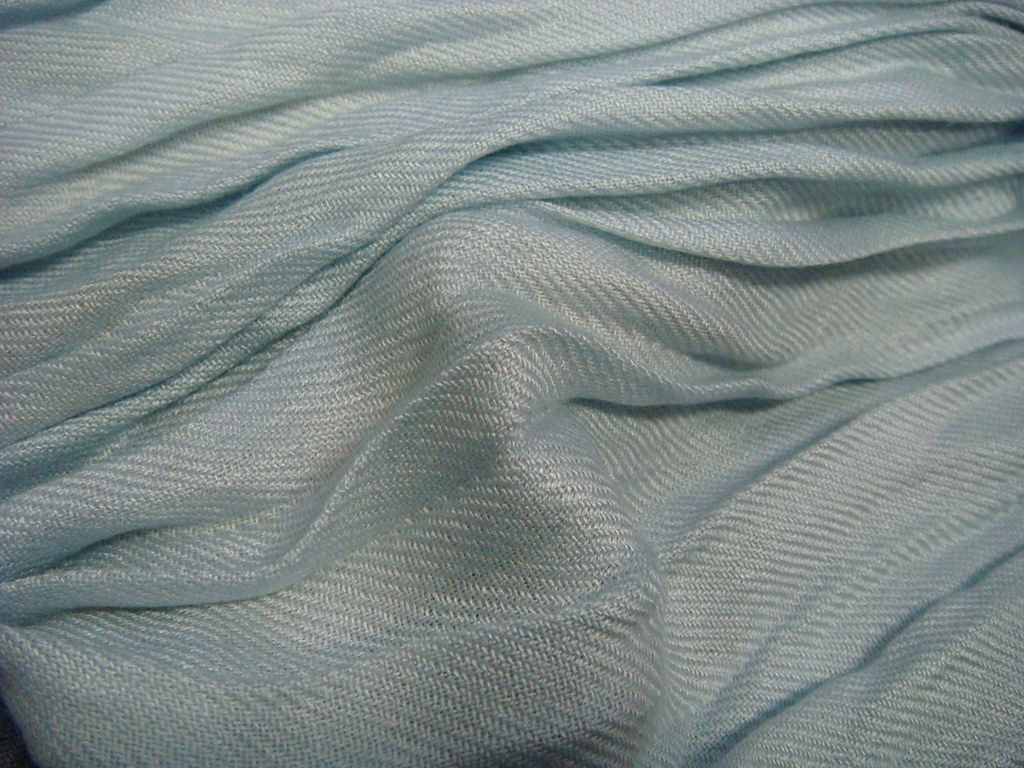
Modal
Silky cellulosic knit with fluid drape and deep colour — the premium-feel comfort option.
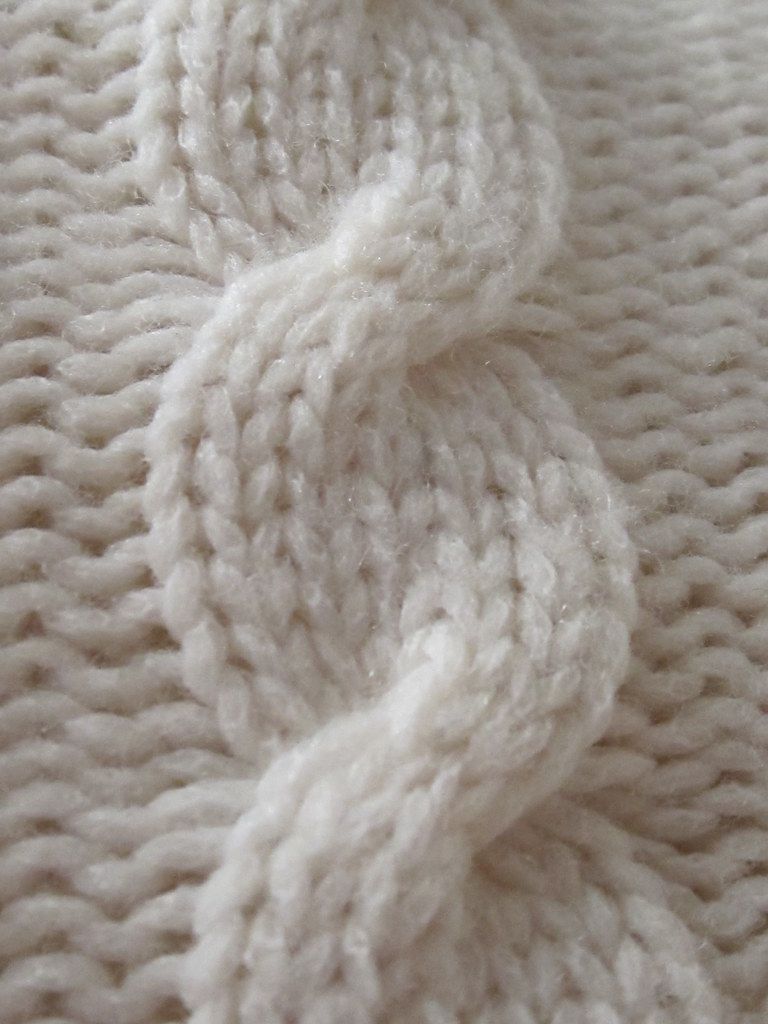
Jersey
The T-shirt knit of sleepwear — relaxed, stretchy and easy to wear.
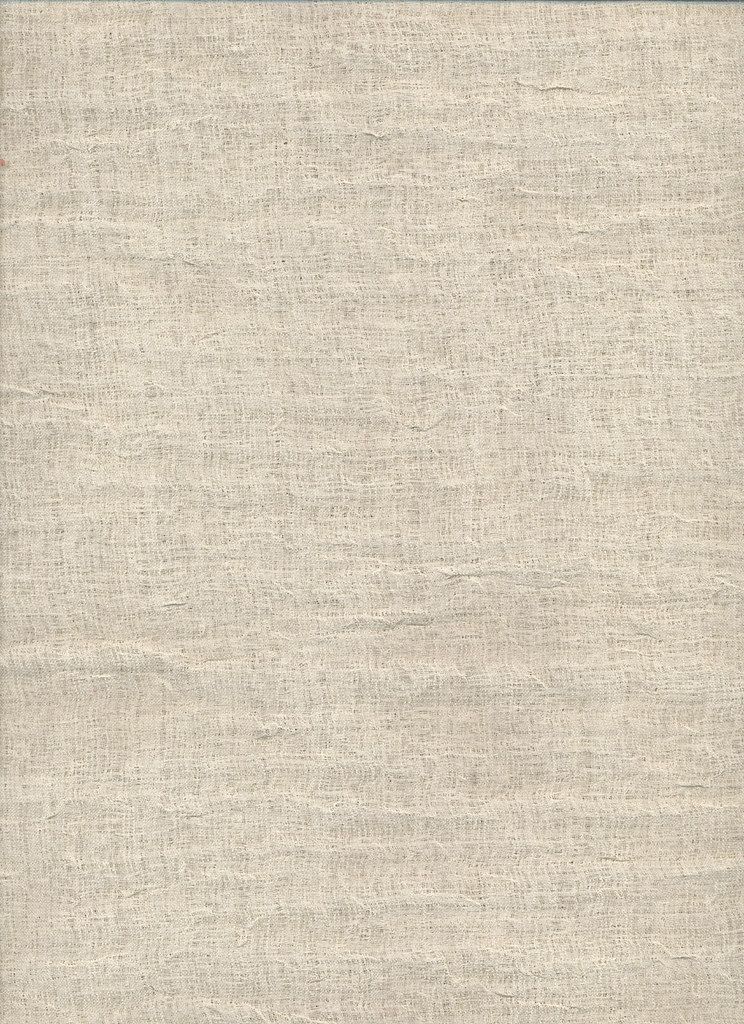
Cotton
The sleepwear default — breathable, easy to print, easy for customers to care for.
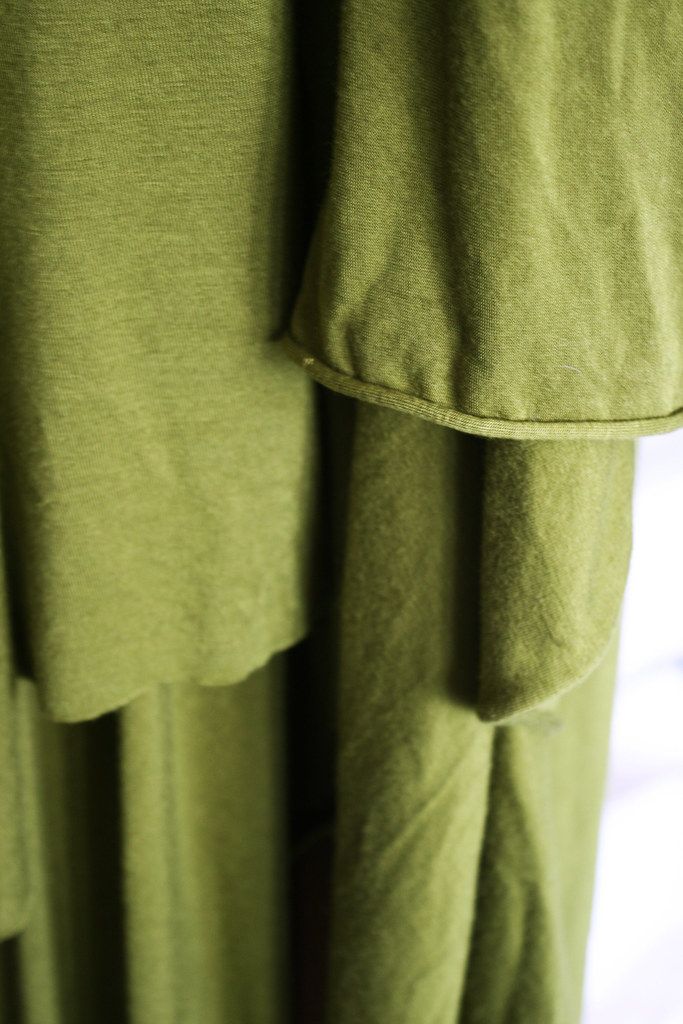
Viscose
Fluid, breathable drape at an accessible price — with wet handling as the caveat.
Customization
What you can change
- Custom fabric development and colour matching across a coordinated range
- Embroidery, appliqué and print
- Custom rib and trim colours
- Drawcord, tip and hardware selection
- Custom size chart and grading
Private Label
Retail-ready under your brand
- Woven or printed main label
- Jacquard waistband elastic with your brand
- Size and care labels to your placement spec
- Hang tags and folded retail packaging
Sampling
From brief to sealed sample
- Fabric weight and recovery confirmed on a swatch before garment sampling
- Fit sample in the base size, then a washed re-check for shrinkage and twist
- Rib and trim colour matched to the body fabric on the sample
- Size set when the grade is new
- Approved sample sealed for bulk reference
Quality Control
What gets checked
- Fabric weight verification against the approved swatch
- Rib attachment and stretch recovery checks
- Colour consistency across pieces sold as a matched set
- Measurement checks against the approved size chart
- Final random inspection before packing
Minimum Order Quantity
MOQ depends on the style, fabric and customization involved — a stock-fabric knit set and a custom-dyed woven set are not the same commitment. We quote it per project rather than publishing one number that would be wrong for most enquiries.
Manufacturing Process
How a loungewear order runs
The stages your order passes through, in order. Each one has its own page.
01
Fabric Sourcing
Fabric sourcing for pajama production: cotton, modal, satin, jersey, flannel and viscose, plus custom dyeing with lab dips and print strike-offs.
Learn more →
02
Sample Development
Pajama sample development from tech pack or reference garment: pattern making, fabric swatches, fit samples, revision rounds and a sealed production standard.
Learn more →
03
Private Label Pajamas
Private label pajama manufacturing: sleepwear produced under your own brand, from sampling through retail-ready finishing, with the patterns and specs kept for repeat orders.
Learn more →
04
Bulk Production
Bulk pajama production: cutting, sewing, printing, embroidery, finishing and packing, run against your sealed sample from order to shipment.
Learn more →
FAQ
Loungewear — common questions
What is your pajama MOQ?
MOQ starts from 100 pcs per design in stock fabrics (cotton, modal, satin, jersey, flannel, viscose). Custom-dyed, custom-printed or custom-woven fabrics raise the minimum because the mill minimum applies; we confirm the exact figure for your style in the quotation.
How much does a pajama sample cost?
Sample cost depends on the style, fabric and customization (printing, embroidery, special trims). We confirm the exact sample fee per project before sampling starts — share your design through the quote form for a precise figure.
How long does sampling take?
A first sample usually takes about 7–10 days once the design is confirmed. Complex styles, sourced fabrics and extra revision rounds add time; we confirm the sampling timeline with each sample order and keep you updated through development.
Can I use my own pajama design?
Yes. Send a tech pack, reference sample or reference photos and we handle pattern development, grading and sampling to your design. Your designs stay confidential to your project.
Will my fit sample be washed before I approve it?
Yes — we launder fit samples before sending them. Cotton shrinks, knits relax and viscose can distort, so a sample approved unwashed is not the garment your customer receives. Approving fit on a washed sample removes the most common cause of bulk fit complaints.
Can you make custom labels and packaging?
Yes — woven or printed main labels, size and care labels, hang tags, polybags and custom boxes, produced to your artwork and confirmed together with your pajama sample.
How long does bulk production take?
Bulk production usually takes about 25–30 days after sample approval. Larger quantities, custom-dyed fabric or peak-season scheduling can extend it; we confirm the delivery timeline in your quotation and update you through the order cycle.
What quality checks happen during production?
Fabric is inspected before cutting, construction is checked in line while the order is running, finished garments are measured against your approved size chart, and a random sample of packed goods is inspected before shipment. Everything is compared against the sealed pre-production sample rather than a written description of it.
Who owns the pattern developed for my product?
Ask us and we will put it in writing before development starts. Pattern ownership is a commercial term rather than a fixed rule, and it is better agreed at the outset than assumed. Your designs, tech packs and reference materials stay confidential to your project either way.
Ready to develop your loungewear?
Send your tech pack, reference garment or product requirements — we will come back with a manufacturing plan and quotation.
Related Reading
Guides on this topic
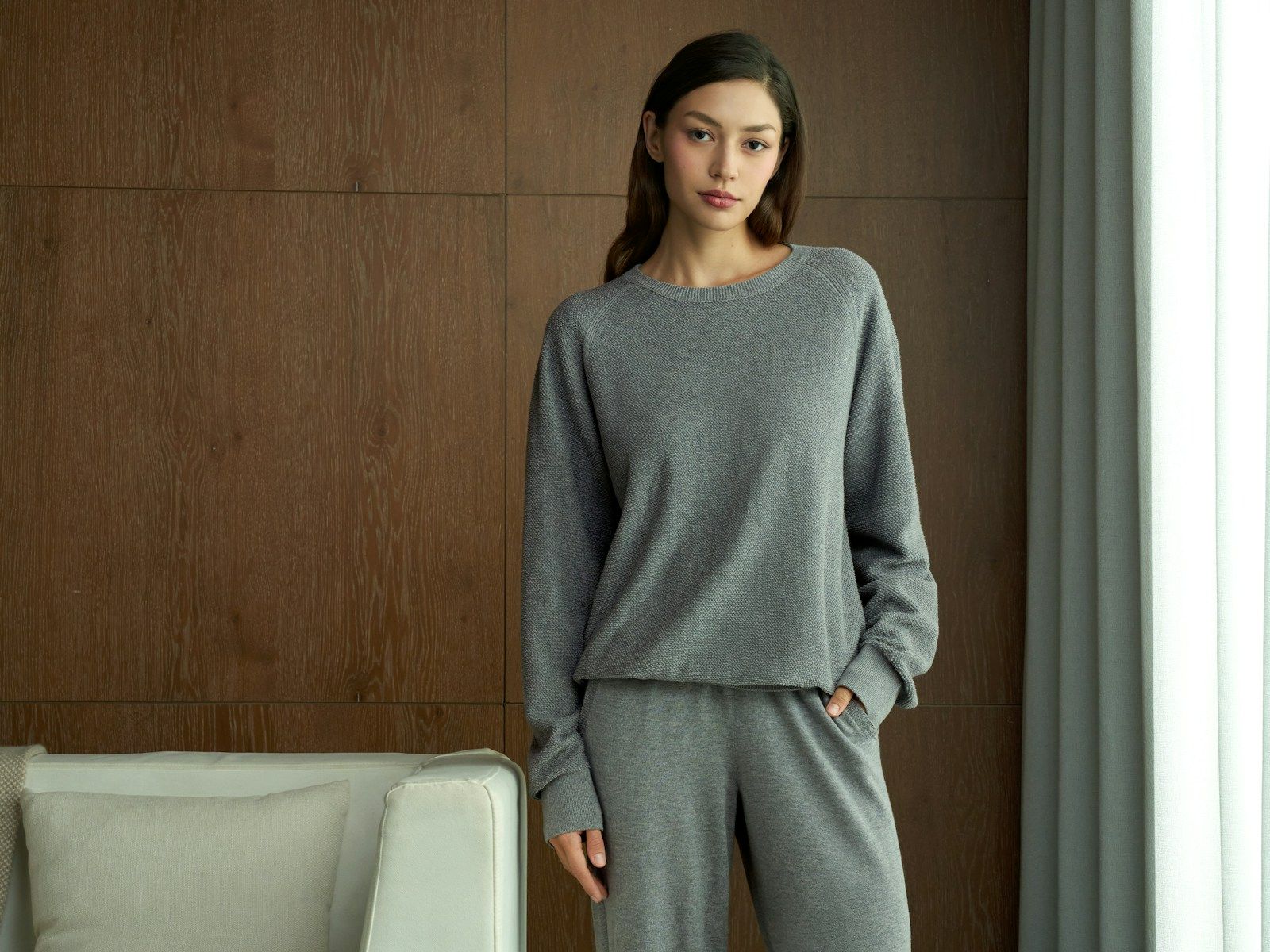
Buyer Guides
What Is Loungewear? A Product Guide for Brands
Where loungewear ends and sleepwear, athleisure and daywear begin, what the category name changes in fabric, trims and testing, and the compliance line a brand has to draw before production.
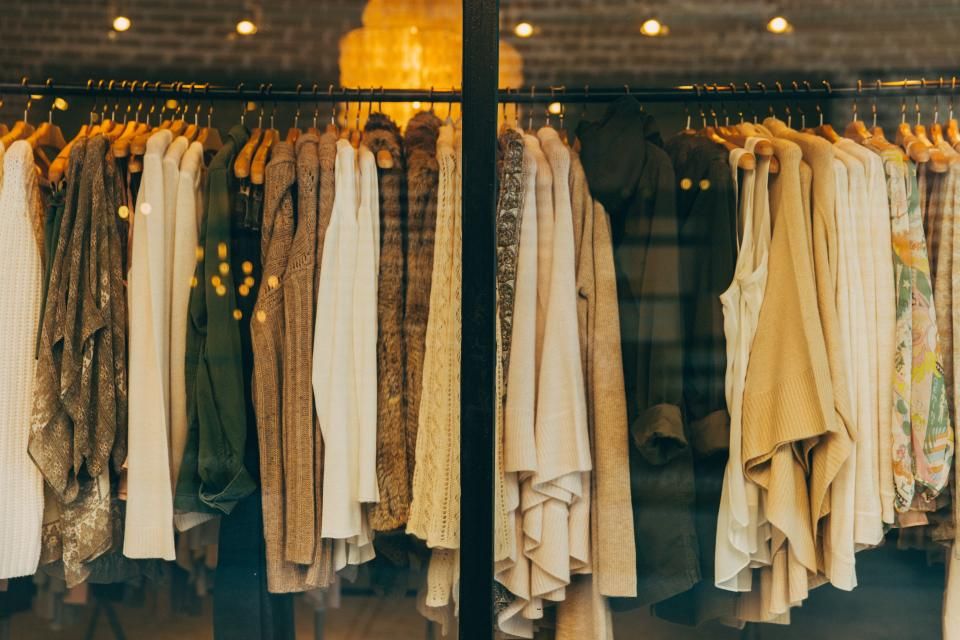
Buyer Guides
Wholesale Loungewear: How to Evaluate a Manufacturer
Stock wholesale, private label or custom production: which loungewear sourcing route fits your order, and the category-specific tests that separate a capable loungewear manufacturer from a general apparel factory.
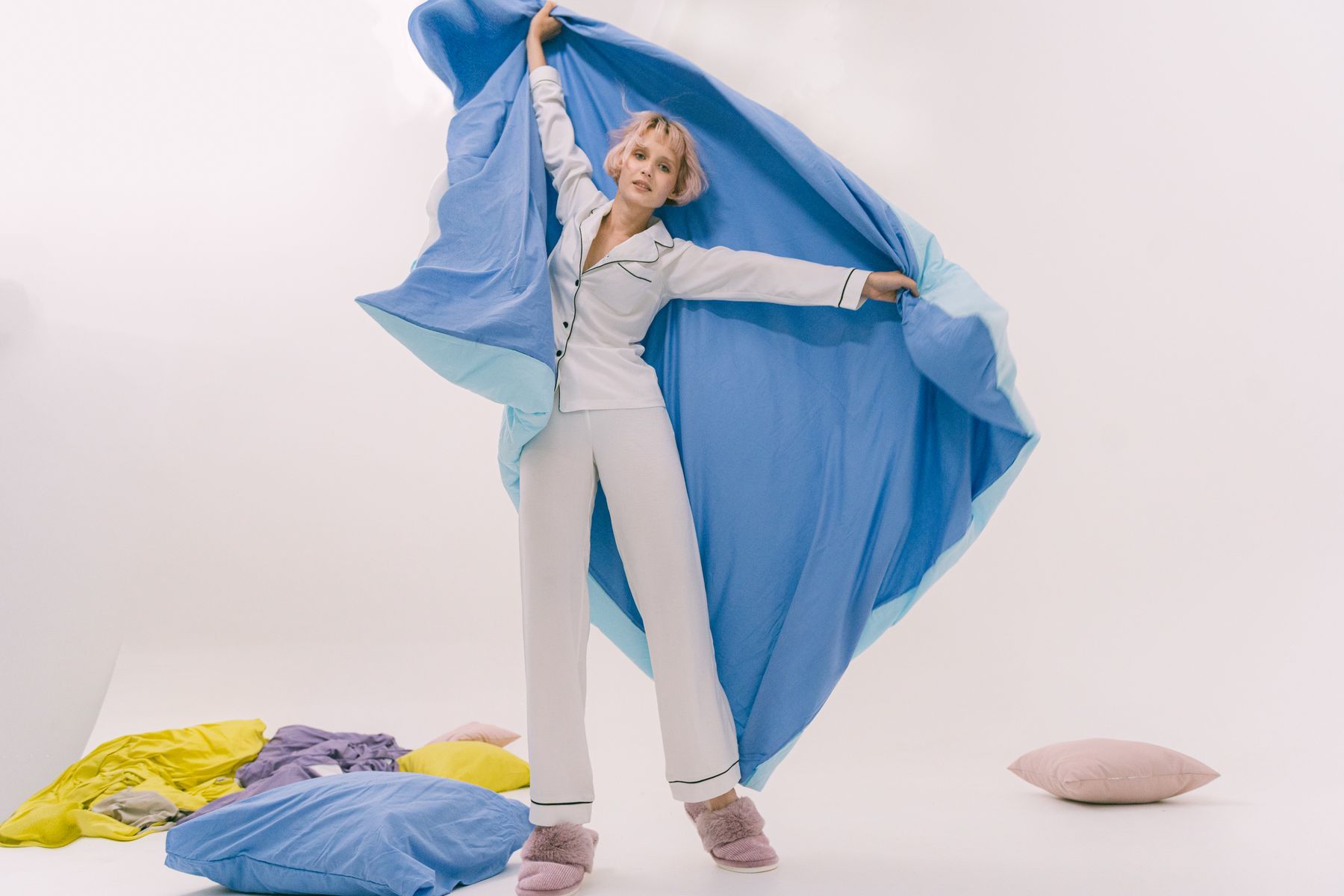
Starting a Pajama Brand
How to Start a Pajama Brand
What actually happens between having an idea for a sleepwear brand and receiving your first bulk order — the decisions, the sequence, and where new brands lose time.
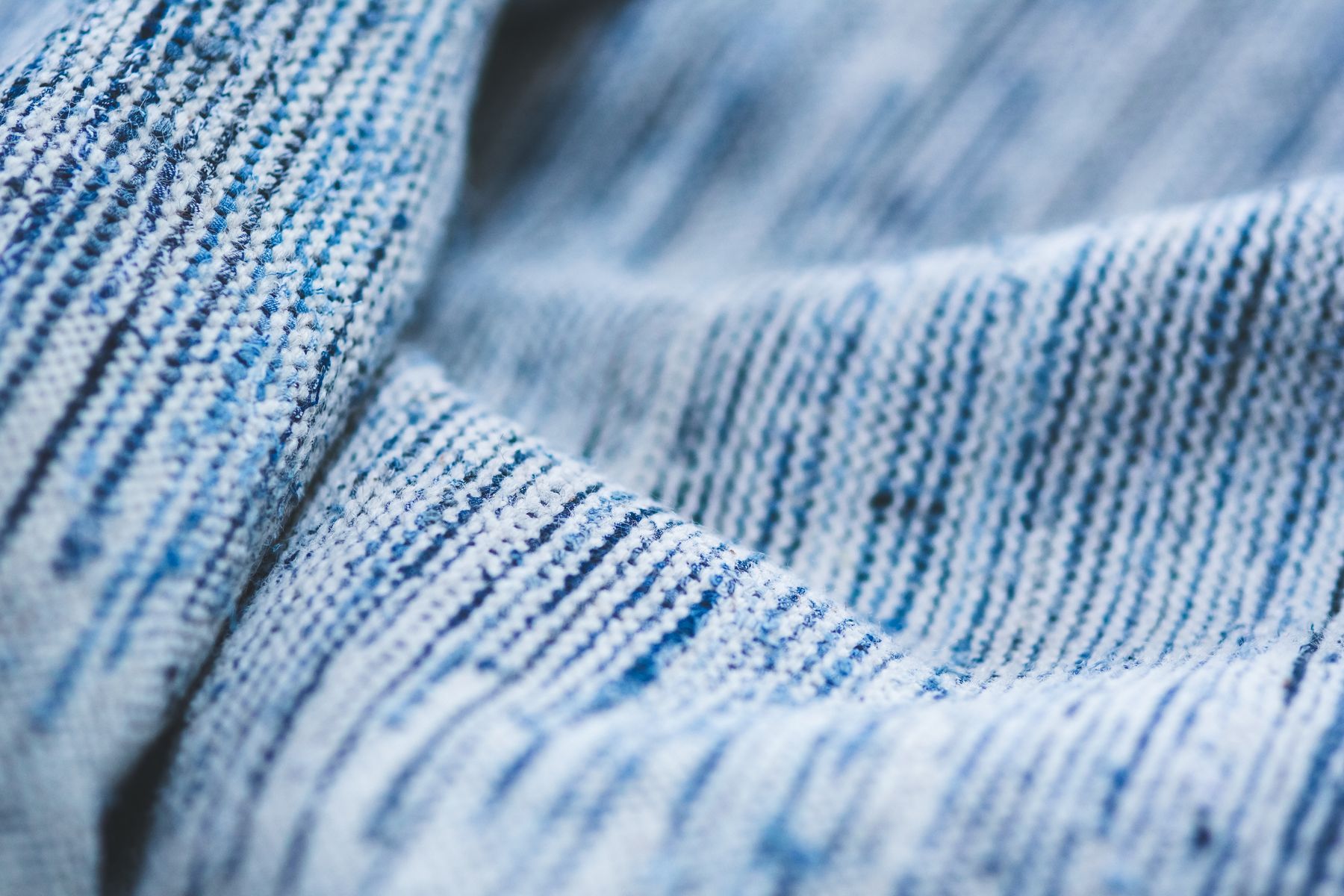
Fabrics
Cotton vs Modal Pajamas — Which Fabric for Which Style
A practical comparison of cotton and modal for sleepwear: hand feel, drape, shrinkage, printing, cost and which pajama styles each fabric actually suits.
Fabrics
Choosing Pajama Fabric Weight
What GSM actually tells you, why the same weight feels different in a woven and a knit, how weight changes opacity, drape and cost, and how to specify it so a factory quotes what you meant.