Buyer Guides
Wholesale Loungewear: How to Evaluate a Manufacturer
Stock wholesale, private label or custom production: which loungewear sourcing route fits your order, and the category-specific tests that separate a capable loungewear manufacturer from a general apparel factory.
By PajamaWorks Team, Sleepwear production team, Dongguan Hualingniao Apparel ·
“Wholesale loungewear” describes three different purchases: finished stock bought by the case, a supplier’s existing style with your label on it, and a lounge set made to your own specification. Choose the route first, because it sets your minimum, your margin and who is responsible for the label. If the route is manufacturing, judge the factory on knit-specific evidence: stretch recovery, rib quality and color match on a washed sample.
Most advice on loungewear manufacturers is a ranked list of company names. A list cannot tell you whether a supplier fits your order, and it goes out of date. This guide gives you the decision and the tests instead.
Three things “wholesale loungewear” can mean
| Route | What you are buying | Typical commitment | What you control | What you give up |
|---|---|---|---|---|
| Stock wholesale | Finished garments from a wholesaler’s or brand’s catalog, by the pack or case | Lowest. Often a small opening order | Assortment and retail price | The product itself. Other retailers can sell the identical item |
| Private label on an existing style | A supplier’s developed style, produced with your label, colors and packaging | Moderate. A production minimum applies, but development is short | Branding, color, sometimes fabric | Fit and construction are the supplier’s, and the same block may be sold to others |
| Custom manufacturing | A garment made to your pattern, fabric and trim specification | Highest in time. Sampling comes before bulk | Everything, including fit, fabric weight and trims | Speed. You carry the development work |
None of these is the wrong answer. A boutique testing whether its customers buy loungewear at all is well served by stock. A brand whose value is the product, such as a particular hand feel, a fit, or a color story across a matched range, cannot get that from a catalog.
Two costs of the stock route are easy to miss. First, there is no exclusivity, so you compete on price with everyone else carrying the same set. Second, if you relabel stock with your own brand, the label obligations move to you. The U.S. Federal Trade Commission allows a company to replace the original label with one showing its own name or RN, but the new label must carry all the required information, and removing a label with required information without replacing it is a violation of the Textile Act.
When manufacturing is the right route
Move from buying stock to commissioning production when at least one of these is true:
- The product is the brand. Your positioning depends on a fabric, fit or detail that catalogs do not offer.
- You need continuity. Stock styles are discontinued without notice. A style you own can be reordered in the same fabric and the same fit.
- You sell a matched range. Tops, bottoms and a third piece in one color, bought separately and expected to match, need coordinated fabric and dyeing that only production planning provides.
- Your volumes clear a production minimum. Minimums come mostly from the fabric mill rather than the sewing line, which is why stock fabrics allow smaller runs than custom-dyed ones. Our guide to how pajama and loungewear MOQs work explains what raises and lowers the number.
If you are still deciding what belongs in the range, start with what loungewear is and how it differs from sleepwear, because the category decision changes the fabric weight, the trims and, for children’s sizes, the flammability standard that applies.
Six loungewear-specific tests for a manufacturer
The general supplier checks (manufacturer versus trading company, which steps are in-house, how disputes are handled) are covered in how to find a pajama manufacturer, and they all apply here. The six tests below are the ones that are specific to loungewear, where the garment is judged like daywear and washed like daywear.
1. Knit capability, shown rather than claimed
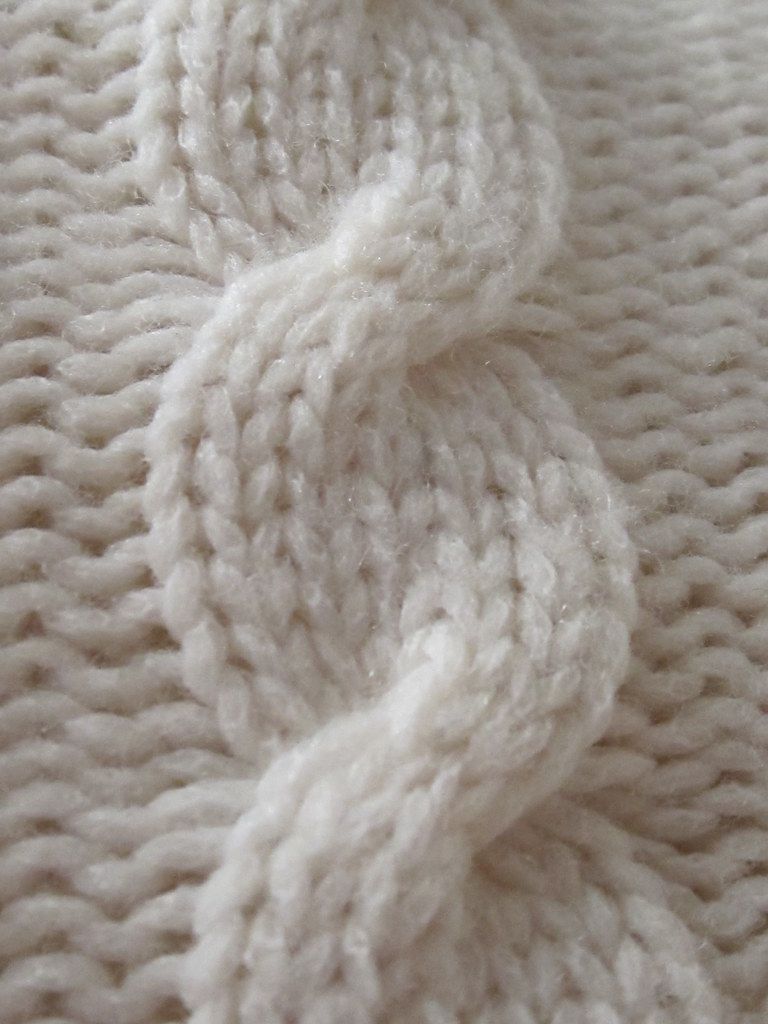
Loungewear is almost entirely knit: jersey, French terry, rib, interlock, modal blends. Knits stretch under the needle, curl at cut edges and need the right stitch types to keep seams from popping. A factory whose portfolio is woven shirts is not automatically competent here. Ask to see knit lounge or sleepwear styles they have produced, turned inside out, and look at the seams, the hem finish and how the rib is attached.
2. Stretch recovery on a washed sample
Recovery is the durability specification of a lounge set: whether knees, cuffs and waistbands return to shape. It is a fabric property, driven by construction and by the share of stretch fiber, and it can be measured. ASTM D2594 is a recognized method for the stretch properties of low-power knits. A capable manufacturer will talk about recovery in terms of fabric construction and will expect you to check it on a washed sample. One who answers with the fiber name alone has not understood the question.
3. Pilling resistance
Pilling is the most common complaint about soft knits, and soft hand feel and pilling resistance pull in opposite directions. Ask what the fabric’s pilling result is and by which method; ASTM D3512, the random tumble test, is a common one. “It does not pill” is a sales statement. A grade against a named method is evidence.
4. Rib and trim quality
Neck, cuff and hem rib, waistband elastic, drawcords and their tips are where a lounge set shows its quality. Check whether the rib is cut from matching yarn, how it is attached, whether the elastic is enclosed, and how the waistband behaves after laundering. Ask who sources the trims and whether they are approved on the sample or substituted in bulk.
5. Color match across the set
A jersey body and a rib trim take dye differently, even in the same dye lot, and pieces cut from different fabric lots can read as two colors. This is ordinary textile behavior and is manageable when it is planned. Ask how the factory keeps a top and a bottom matched when they are sold separately, and whether trims are approved against the body fabric on the physical sample. Our custom loungewear program treats this as a sampling decision for exactly that reason.
6. Wash standard and the label
The measurement that matters is the washed measurement. Agree the care process first, test shrinkage and appearance after that process using the recognized AATCC laundering methods, and make sure the care label states the same process, which the Care Labeling Rule requires. A supplier who quotes a size chart without asking how the garment will be washed is quoting an unwashed garment.
Commercial terms to get in writing
Once a supplier passes the product tests, compare the terms. Ask for each of these separately rather than as one blended promise:
- Minimum, and what it applies to. Per style, per color or per order. These are very different commitments.
- Sampling time and cost, separate from bulk. A single combined lead time hides where the weeks go. See how sampling works for the sample types you should expect.
- Bulk lead time, and what it starts from. Deposit, fabric arrival and sample approval are three different start dates.
- What the price includes. Fabric, trims, labels, packaging and testing, and which trade term the quote is based on.
- What happens when bulk differs from the sealed sample. The answer to this is worth more than any reference.
- Certificates you can check. A certificate number can be verified with the issuing body, for example through the OEKO-TEX Label Check. An image of a certificate cannot.
For reference, these are our own figures, so you have something to compare against: our minimum starts from 100 pieces per design in stock fabrics, a first sample usually takes about 7–10 days once the design is confirmed, and bulk production usually takes about 25–30 days after sample approval. Custom-dyed or custom-knit fabric raises the minimum and extends the timeline, because the mill’s minimum and lead time apply. We are a manufacturer, not a stock wholesaler, so we do not sell finished inventory by the case.
Compliance questions a loungewear supplier should be able to answer
You remain responsible for what you sell, whichever route you choose, so the supplier’s fluency here is a test in itself.
- Flammability. Adult loungewear is general wearing apparel under the Flammable Fabrics Act, and its fabric falls under 16 C.F.R. part 1610. Children’s loungewear is treated as sleepwear and faces a much stricter standard, which our loungewear product guide covers in detail.
- Labels on separates. Fiber content, country of origin and a business identity are required on each garment sold as its own item. If a set will be split, each piece needs its own labels, and the factory’s private label service should plan for that from the start.
- Testing evidence. Ask which tests are done on fabric before cutting and which on finished garments, and who pays. The quality control checkpoints in bulk should repeat what the sample review checked.
Red flags specific to loungewear
- A quotation that names a fiber but no fabric weight or construction
- “Recovery is good” with no willingness to have a washed sample checked
- Rib or trims described as “similar” to the sample rather than approved
- One minimum quoted for every fabric, including custom-dyed ones
- Product photographs lifted from retail brands rather than the factory’s own samples
- No question about your care label or your target market
Questions buyers ask
Where can I find a supplier of loungewear? It depends on the route. For finished stock, wholesale marketplaces and trade shows give the widest choice. For private label or custom production, look for manufacturers whose own portfolio shows knit lounge or sleepwear, ask non-competing brands for referrals, and treat directories and ranked lists as a longlist to test, not a recommendation.
What is the best website to buy wholesale clothing? There is no single best one. Marketplaces suit small stock orders and let you test demand cheaply, but every other retailer can buy the same styles. Judge any wholesale source by its opening order, its return terms, whether the garments arrive correctly labeled, and whether the style will still exist when you need to reorder.
How can I find a manufacturer to make my own clothing? Write the brief before you search: styles, fabric direction, quantity per style and color, and target market. Shortlist factories that already make the same type of garment, ask each the same questions, pay for a sample from the best two, and place a small paid trial order before committing a season.
How do I reach out to a clothing manufacturer? Send one clear message with your styles, a reference garment or tech pack, target fabric, quantity per style and color, target market and timeline. A factory can answer that with specifics. If you do not have a tech pack yet, our guide to preparing a pajama tech pack shows what to include.
Next step
If custom or private label production is your route, send us the styles, the fabric direction and the quantity per style and color. We will tell you plainly whether the order fits how we work. The custom loungewear page shows what we develop and what we check on the sample, and you can request a quote to get a project-specific sampling plan and timeline.
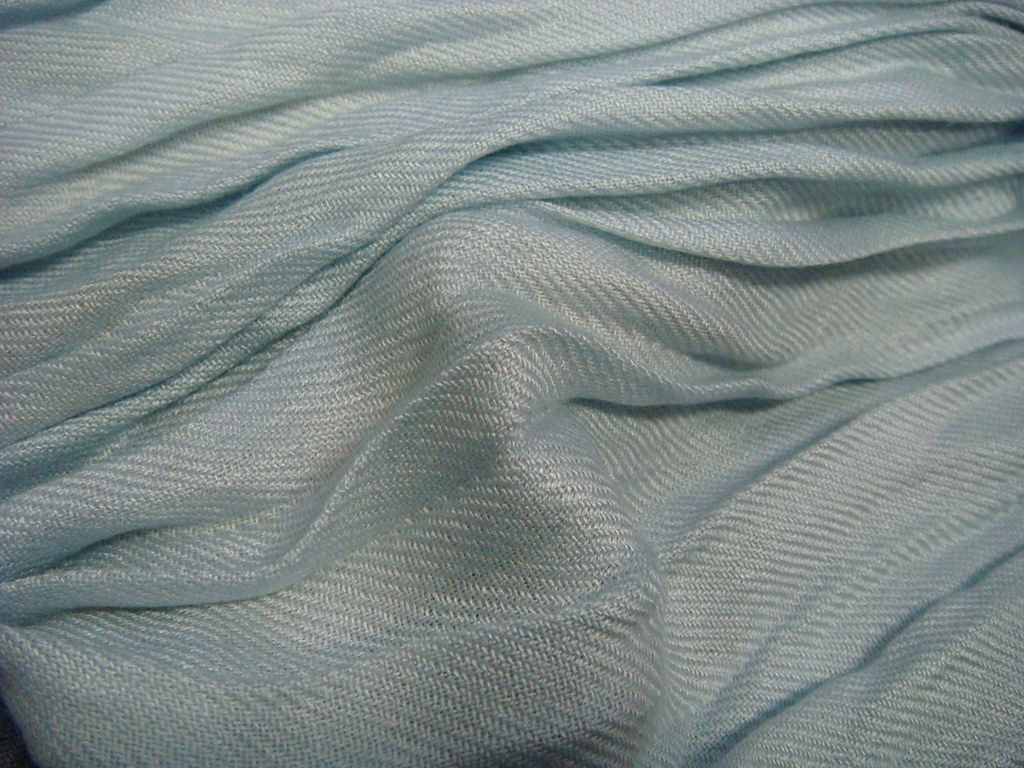
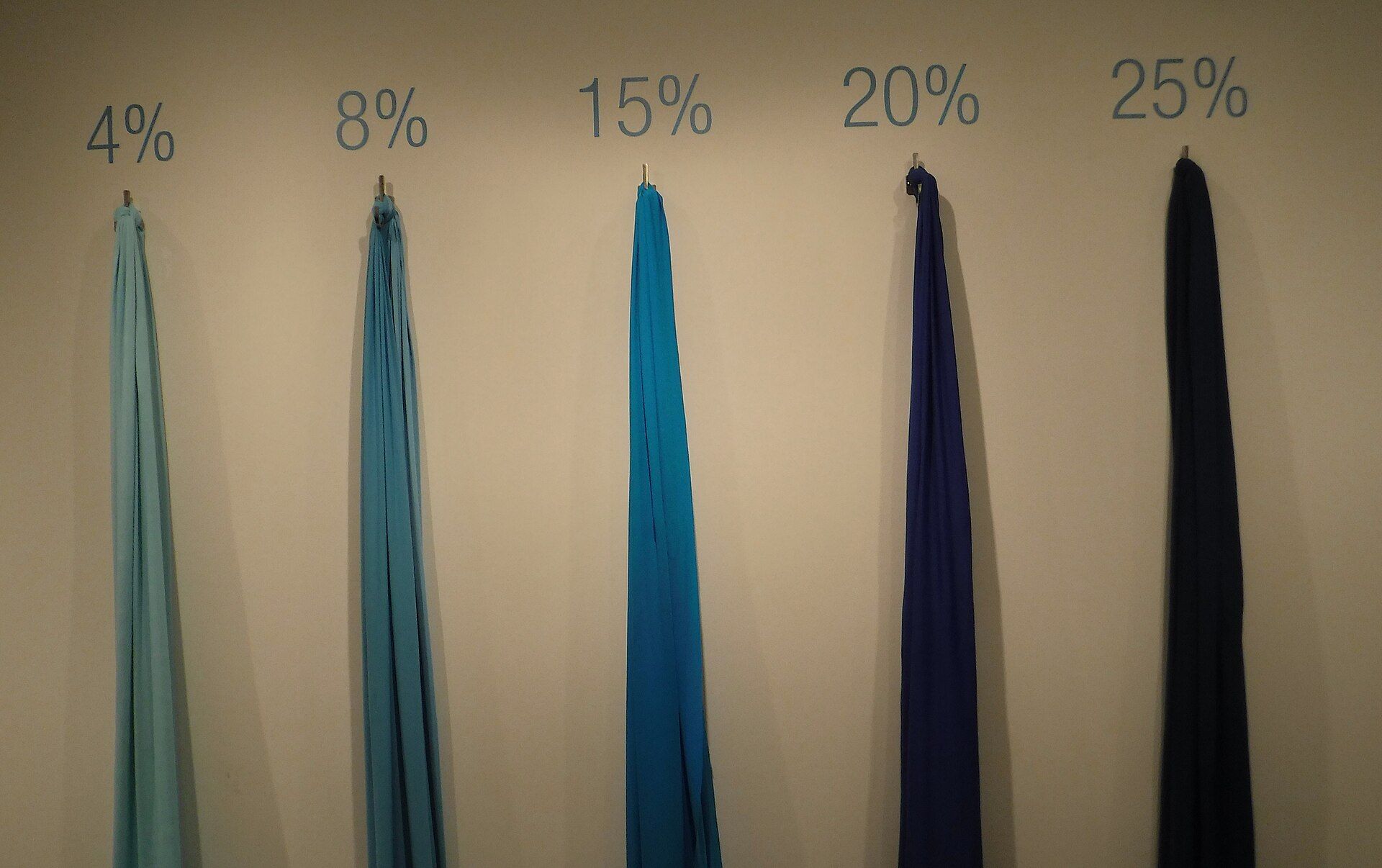
Hero image: “Stretch fabric swatches, different values” by Mary Mark Ockerbloom, via Wikimedia Commons, licensed under CC BY-SA 3.0.