Buyer Guides
What Is Loungewear? A Product Guide for Brands
Where loungewear ends and sleepwear, athleisure and daywear begin, what the category name changes in fabric, trims and testing, and the compliance line a brand has to draw before production.
By PajamaWorks Team, Sleepwear production team, Dongguan Hualingniao Apparel · · Updated
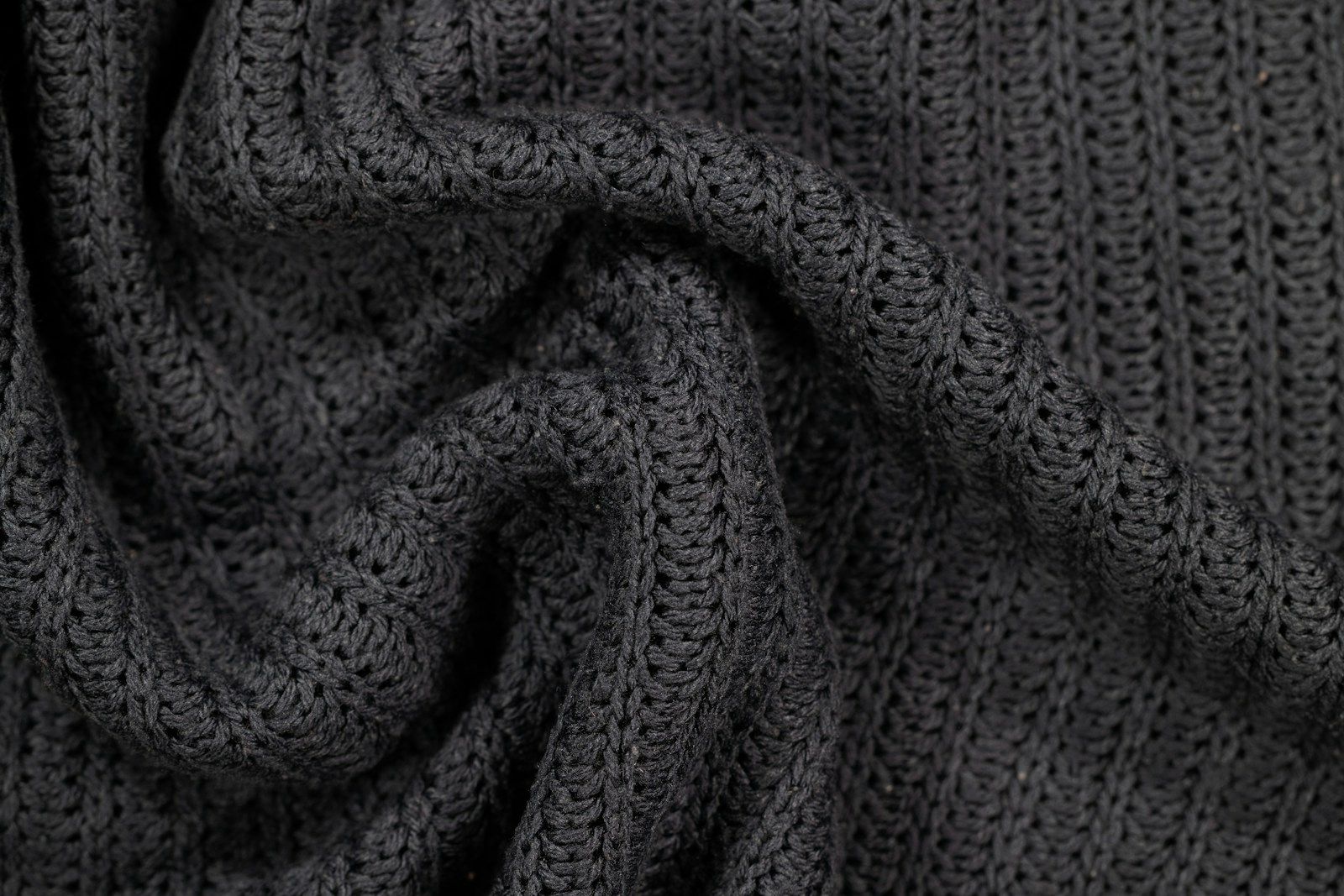
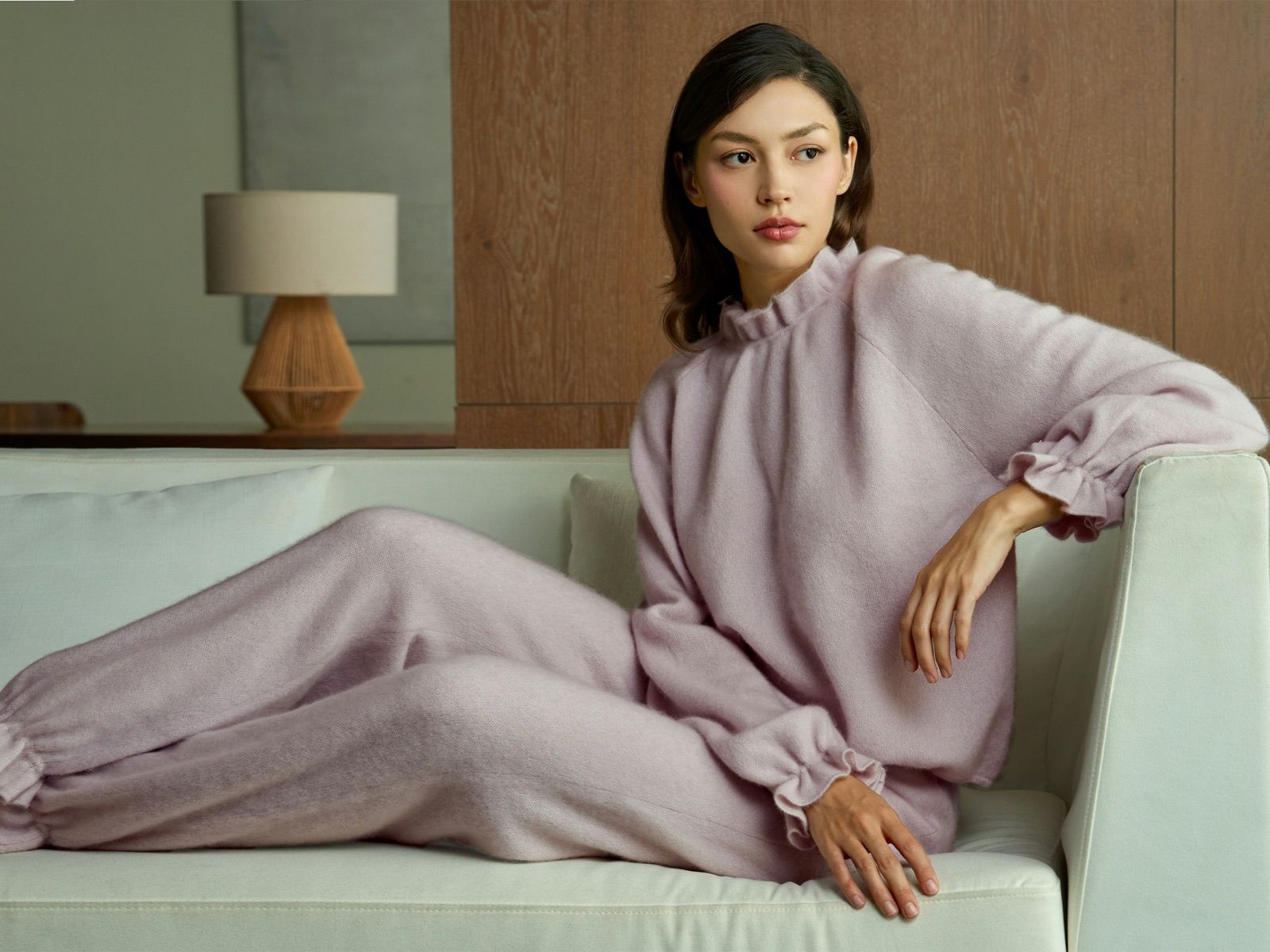
Loungewear is clothing designed to be worn awake and at home, and increasingly outside it: knit sets, joggers, lounge pants, hoodies and ribbed separates. For a brand, the working definition is narrower. A garment is loungewear when it is judged like daywear, washed like daywear, and still expected to feel like sleepwear. That combination, not the styling, is what changes the specification.
The consumer definition is easy. The production definition is the one that decides fabric weight, trim quality, which test methods apply, and in one case which federal flammability standard the garment falls under. This guide draws those lines.
Four categories, one wardrobe
Customers move between these categories without noticing. Factories cannot, because each one is cut, trimmed and tested differently.
| Category | Worn for | Typical fabric logic | How the customer judges it |
|---|---|---|---|
| Sleepwear | Sleeping, in bed | Light, soft, breathable; minimal hardware | Comfort lying down, hand feel |
| Loungewear | Awake, at home, short trips out | Heavier knits with stretch recovery; rib trims | Shape after washing, how it photographs |
| Athleisure | Movement and errands | Technical or compression knits; moisture management | Support, sweat handling |
| Daywear | Everything else | Any construction; full trims and closures | Fit, finish, durability |
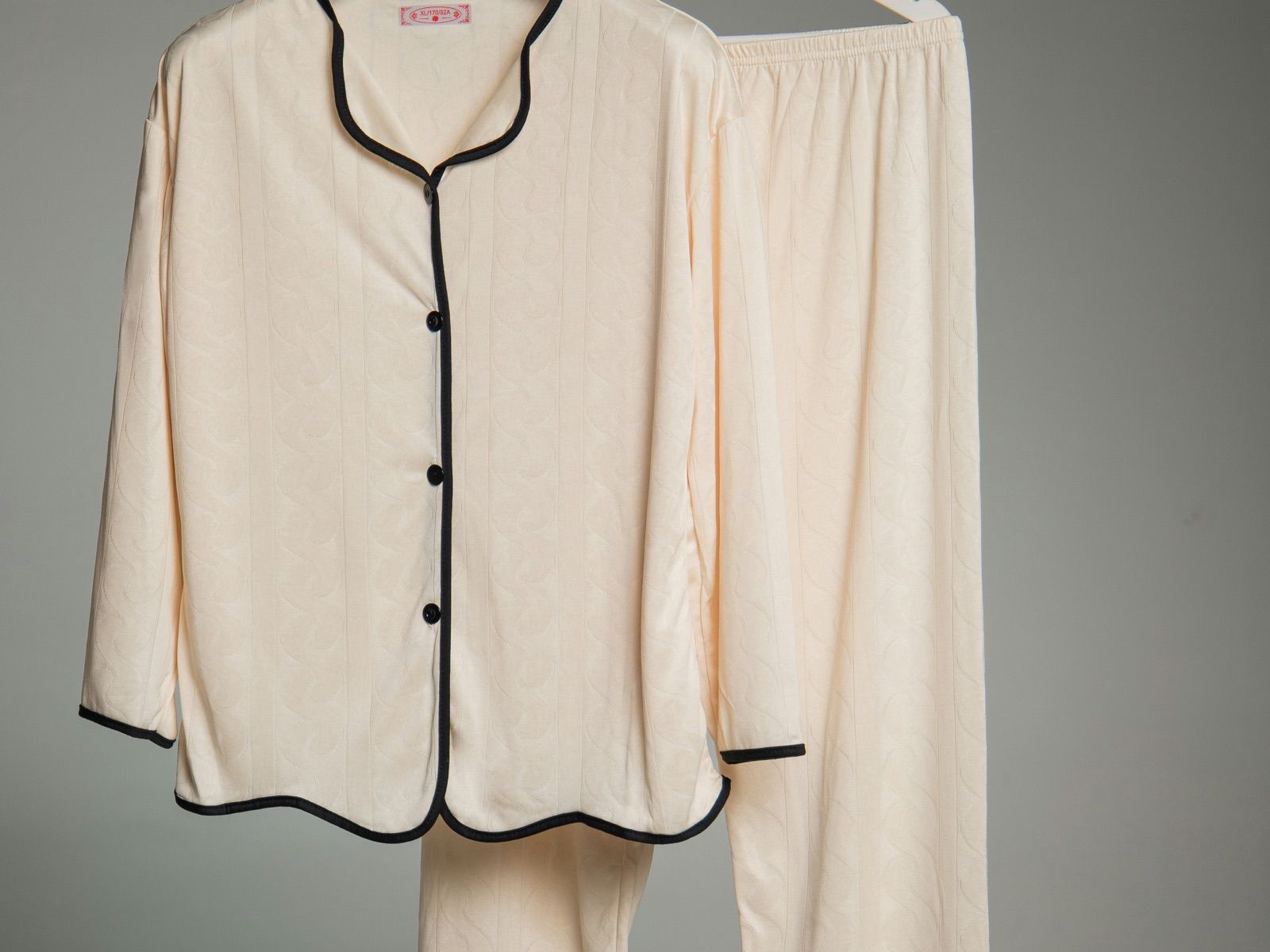
The boundaries blur in both directions. A jersey pajama set worn on a Sunday morning is being used as loungewear. A lounge set with a placket and matching bottoms sits close enough to sleepwear that the men’s sleepwear range lists a knit lounge set as a style that sits between the two. Product planning is about deciding which side of the line each style lives on, and then specifying it for that side.
Where sleepwear stops and loungewear starts
Three things move when a garment crosses from sleepwear to loungewear.
The fabric gets heavier and has to recover. A light single jersey is fine for a sleep set that is worn lying still and hidden under a duvet. The same fabric bags at the knee and slackens at the cuff once it is worn on a sofa, in a car and to the shop, then washed on the daywear cycle. Lounge knits therefore run heavier, and weight alone is not enough: the fabric has to return to shape after stretching. Our guide to pajama fabric weight and GSM explains why the same number feels different in different constructions; for loungewear, add stretch recovery to the specification alongside it.
The trims become the product. Rib at the neck, cuff and hem, waistband elastic, drawcords and their tips are where a lounge set shows quality or the lack of it. Sleepwear can get away with a plain turned hem. A lounge hoodie cannot.
The garment is seen. Loungewear is photographed and worn in front of other people, so color consistency across a set, print placement and how the fabric looks after ten washes matter in a way they do not for a nightgown. That is the trade-off the custom loungewear program describes as being judged as daywear and priced as sleepwear.
Fiber choices that hold up in the category
The fabric decision is usually between a cotton or cotton-rich knit and a cellulosic such as modal, and the loungewear context changes which one wins.
- Cotton jersey and French terry are the durable default. They take embroidery and print well, wash predictably and cost less. Their limit is drape: a heavy cotton lounge pant looks like a sweatpant, which is fine if that is the product. See the jersey fabric page for construction options.
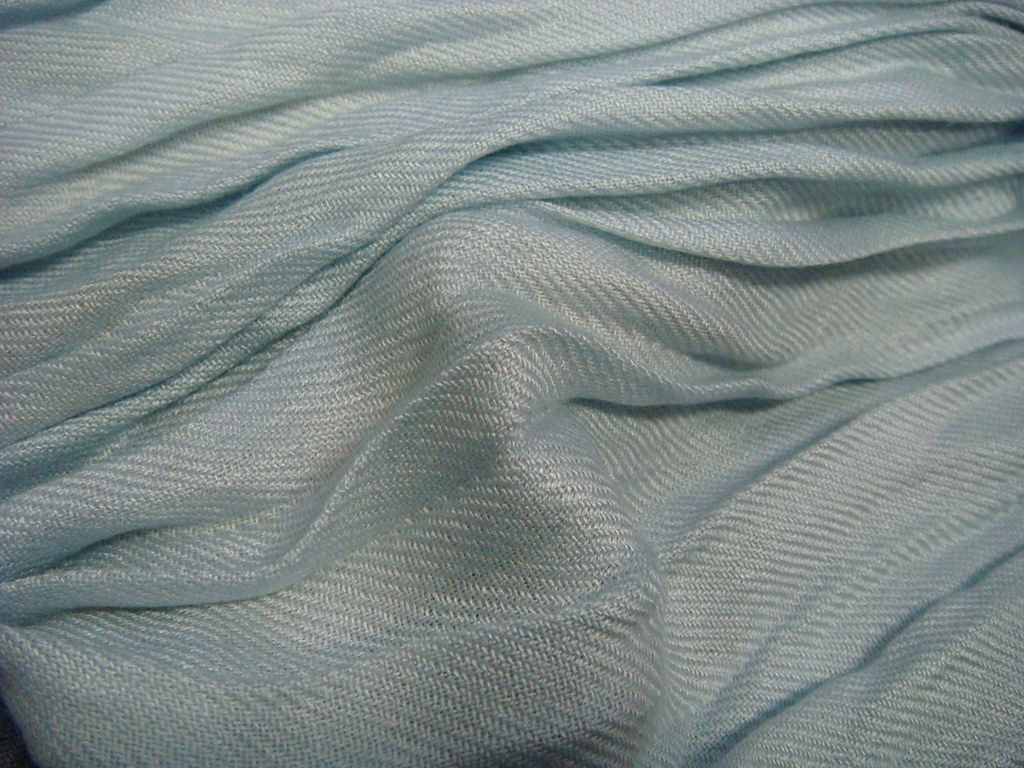
- Modal and modal blends give the fluid, cool-touch drape that premium lounge sets are sold on. They pill less than cotton at equivalent weight and hold color well. The caveat is recovery: modal on its own is not a high-recovery fiber, so a modal lounge pant usually needs elastane or a rib structure to keep its shape. The modal fabric page covers sampling considerations, and cotton vs modal for pajamas compares the two in detail.
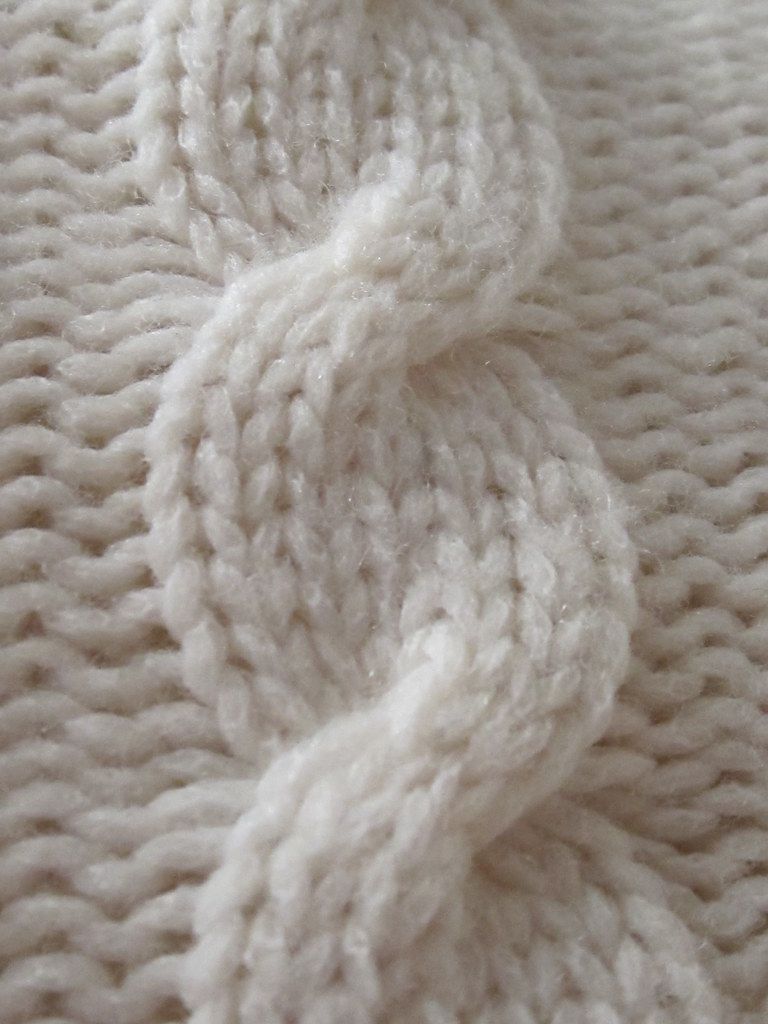
- Ribbed knits are their own category. Rib gives stretch and recovery from the structure rather than the fiber, which is why ribbed separates dominate the mix-and-match end of loungewear.
Whichever you choose, specify it in numbers a factory can test. Fabric weight has a recognized method in ASTM D3776, stretch and recovery of low-power knits in ASTM D2594, and dimensional change after laundering in the AATCC test methods. A washed sample checked against those numbers is the only reliable evidence that a lounge set will survive the way customers actually wear it.
The compliance line the category name does not draw
“Loungewear” is a merchandising word. Regulators do not use it the same way, and the gap is where brands get caught.
Adult loungewear is general wearing apparel. Its fabric falls under the Standard for the Flammability of Clothing Textiles, 16 C.F.R. part 1610, administered by the U.S. Consumer Product Safety Commission under the Flammable Fabrics Act. Most knit lounge fabrics pass it without difficulty, but it still has to be documented.
Children’s loungewear is treated as sleepwear. This is the point that none of the consumer guides mention. CPSC staff consider children’s loungewear, and similar garments marketed as comfort wear, to be worn primarily for sleep-related activities, which means it must comply with the children’s sleepwear flammability standards in 16 C.F.R. parts 1615 and 1616. Those standards are far more demanding than the general apparel rule, and the same FAQ notes that athletic leggings, crewnecks, sweatshirts and sweatpants are generally daywear rather than loungewear, while warning that staff look at more than style and construction. Marketing copy, imagery and how the garment is displayed all feed that judgment. If a children’s lounge set is on the range plan, decide the compliance route before sampling, not after.
Separates need their own labels. A lounge set that will be split and sold as a top and a bottom needs fiber content, country of origin and the responsible business identity on each piece under the Textile and Wool Acts, and each piece needs its own care instructions under the Care Labeling Rule. One care label tucked into the top does not cover a pant sold separately.
Customs may not agree with your category name either. U.S. Customs and Border Protection publishes an informed compliance guide to apparel terminology under the tariff schedule that defines terms such as sleepwear for classification purposes. Whether a knit set enters as sleepwear or as other garments follows its design and how it is presented, not the word on the hang tag, so confirm the classification with your broker before the first shipment rather than discovering it at entry.
What to give the factory
Loungewear development goes faster when the brief already says which side of the line the product is on. Before sample development starts, put these on paper:
- Category statement. Adult loungewear, children’s loungewear or sleepwear, with the intended market. This sets the flammability route and the labeling plan.
- Fabric specification in numbers. Fiber content, construction, target weight and a stretch-recovery expectation, plus the reference method for each. Fabric sourcing can then quote against a testable target instead of an adjective.
- Trim specification. Rib construction and attachment, elastic width and type, drawcord and tip material, and whether trims must match the body color exactly or are deliberately contrasting.
- Wash standard. The care process the garment will be labeled with, and the shrinkage and appearance allowance after that process. The measurement in the spec is the washed measurement.
- Set logic. Which pieces are sold together, which are sold separately, and how the size ratio differs between them. A set that is split changes labeling, packaging and the order quantity per piece.
- Sample review points. Recovery at knee, elbow and cuff on the washed sample, rib color against the body fabric, waistband elastic tension after laundering, and print or embroidery position. The quality control checkpoints in bulk should repeat what the sample review checked.
The same logic applies to the pieces themselves. A lounge pant carries the waistband, rise and inseam decisions covered in our pajama pants production guide, with one addition: a heavier knit and a cuffed hem, which change both the pattern and the wash allowance.
Questions brands ask
What is considered loungewear? For production purposes, any garment designed to be worn awake and at home rather than in bed: knit sets, joggers, lounge pants, hoodies, ribbed separates and lounge dresses. Robes and slippers are often merchandised alongside it but are developed as their own products.
What is the difference between sleepwear and loungewear? Sleepwear is designed and tested for sleeping: lighter fabrics, fewer trims, and, in children’s sizes, the sleepwear flammability standard. Loungewear is designed for wakeful wear and washed like daywear, so it needs heavier fabric with stretch recovery and better trim construction. In children’s sizes the two are treated the same by the CPSC, which is the reason to decide the category before sampling.
Can loungewear be worn outside? Customers already do, which is why it exists as a category. For a brand, the answer determines the specification: a set that will be worn out needs the recovery, color consistency and trim quality of daywear, not the softness-first logic of a pajama.
Next step
If a lounge set is on your range plan, the fastest route is a reference garment or a tech pack with the six points above filled in. If you are still comparing suppliers, or deciding between stock wholesale and your own production, see how to evaluate a loungewear manufacturer. The custom loungewear page explains how the program develops sets, joggers and ribbed separates, and you can request a quote with your target fabric, trims and quantities to get a project-specific sampling plan.