Manufacturing
Pajama Labels & Packaging
Custom pajama labels and packaging: woven main labels, size and care labels, hang tags, polybags and gift boxes for private label sleepwear.
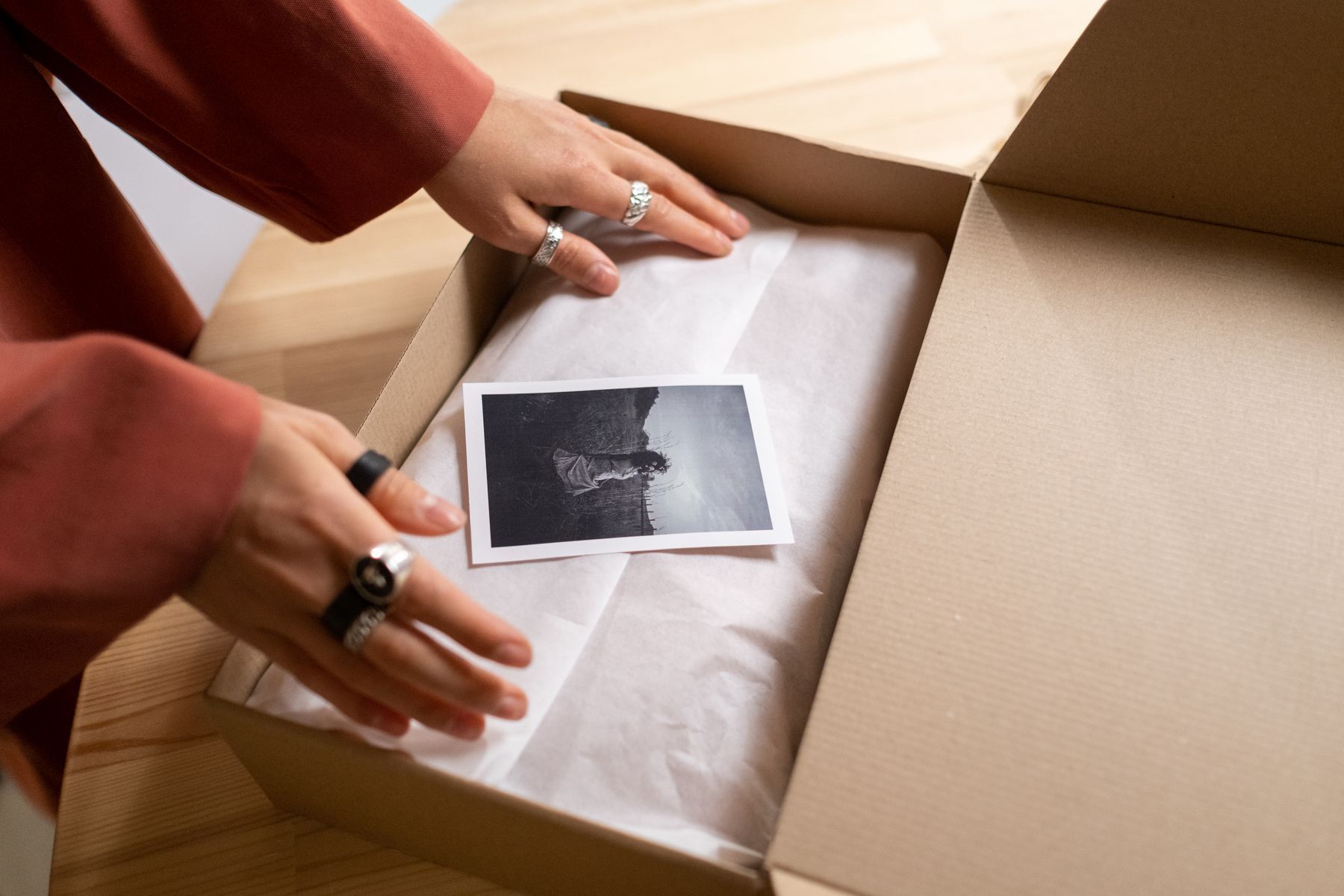
- Woven and printed main labels
- Size and care labels built to your market's requirements
- Hang tags, polybags, belly bands and gift boxes
Labels and packaging carry your brand into the customer’s hands. We produce woven or printed main labels, size and care labels, hang tags, polybags and custom boxes, matched to your artwork and built into the sample before bulk.
This page covers the trims themselves — what they are, how they are constructed and what each one can and cannot reproduce. If you are looking at the wider question of producing a range under your own brand, start at private label.
Start these early
The common mistake is treating trims as a final step. They are not: every label has its own artwork approval, its own physical sample, and its own production time. Left until the garment is finished, trims become the thing holding up an otherwise complete shipment.
Practically — send label artwork at the same time as the garment brief, not after fit approval.
Woven, printed, or tagless
- Woven labels feel more premium and survive washing best. They cannot reproduce gradients or very fine detail — logos usually need simplifying.
- Printed labels handle detail and gradients and cost less, at the price of a slightly less premium hand.
- Heat-transfer / tagless printing puts the information directly on the fabric. Increasingly expected in sleepwear, where a sewn neck label is exactly where nobody wants a scratchy edge.
Many sleepwear brands use a woven side-seam label plus a tagless neck print — brand presence without the irritation. There is a fuller comparison in woven vs printed labels.
Packaging is a shipping decision as much as a brand one
Sleepwear packaging tends to get chosen on how it photographs and then costs more than expected in freight. The three practical formats:
- Polybag — the default. Cheap, compresses well, protects against moisture in transit. Fine for wholesale and for most direct-to-consumer sleepwear.
- Belly band or tissue wrap — adds a considered unboxing at low cost and almost no volume penalty. This is where most brands get the best return.
- Rigid or folding box — right for gift, bridal and premium sets. It also multiplies carton volume, so confirm the freight implication before committing to it across a whole range.
Whatever the format, the folded garment dimension has to be fixed before the packaging is specified. Ordering boxes against an estimated fold size is one of the more expensive mistakes available in this part of the process.
Care labels are regulated
Fibre content and care instructions are legal requirements in most markets, and what they must contain differs between them. As brand owner the obligation is yours; we implement your specification, and flag when it does not match the fabric that actually went into production.
Tell us which markets you sell into before artwork is finalised — it affects label size and content.
When Buyers Need This
Situations this service answers
If none of these describe your project, this probably is not the step you need — tell us what you are actually trying to solve.
- Your product ships direct to customers and the unboxing is part of the brand
- You are selling into retail and need shelf-ready packaging
- You are producing gift or bridal sets where presentation is the product
- Your care labelling has to satisfy a specific market's requirements
Our Process
How this step runs
- 01
Artwork and references collected
Vector artwork, colour references and placement instructions — or a reference garment showing where each label sits.
- 02
Trim samples produced
Physical samples of every label and tag. Weave density, edge finish and colour all read differently in the hand than on screen.
- 03
Built into the pre-production sample
Approved trims and packaging go into the sealed sample, so what you approve is what bulk reproduces.
- 04
Bulk trims produced and checked
Bulk trims are compared against the approved samples before they go onto garments.
What We Need From You
Inputs required
The faster these arrive, the fewer rounds development takes.
- Vector label and hang tag artwork with colour references
- Placement instructions per label type
- Fibre content and selling market, for care label compliance
- Packaging format — polybag, box, belly band, presentation set
Options
Choices available
- Woven damask, satin or taffeta labels
- Printed and heat-transfer labels for tagless necklines
- Loop, end-fold and straight-cut label constructions
- Jacquard waistband elastic carrying your brand name
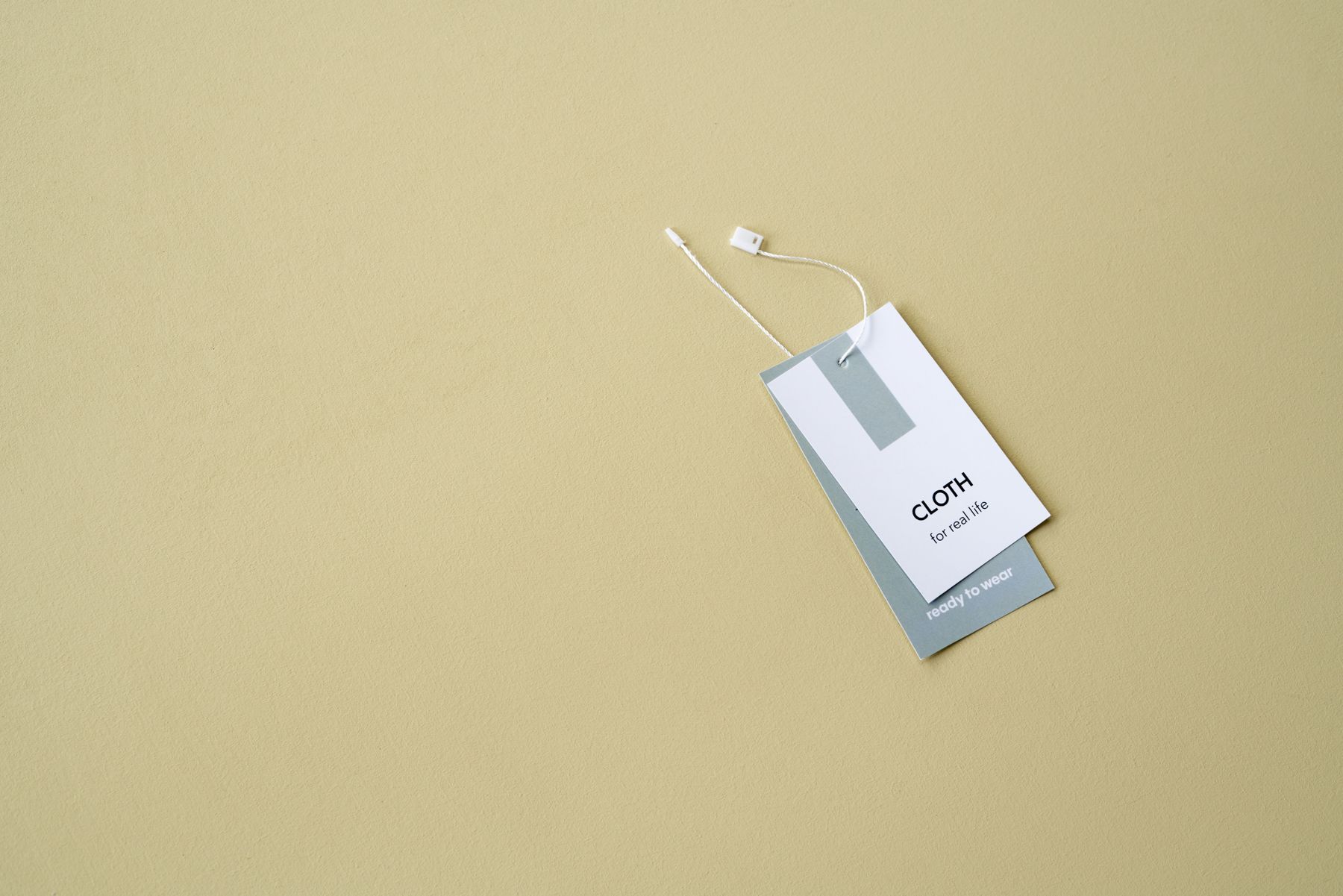
- Hang tags with string, pin or plastic fastener
- Polybags, belly bands, tissue, boxes and inserts
Limitations
What this cannot do
Constraints stated up front are cheaper for both of us than constraints discovered in production.
- Fine detail and gradients do not reproduce in a woven label; simplify or print
- Pantone matching on trims is approximate and approved against a physical sample
- Care symbol requirements vary by market and are the brand owner's legal responsibility
- Trims have their own production lead time and cannot be compressed once bulk is running
Quality
How it gets verified
- Label placement checked in line rather than only at final inspection
- Trim colour compared against approved physical samples under consistent lighting
- Care label content verified against the fabric actually used
- Hang tag attachment checked so tags do not mark or pull the fabric
In Production
What this looks like
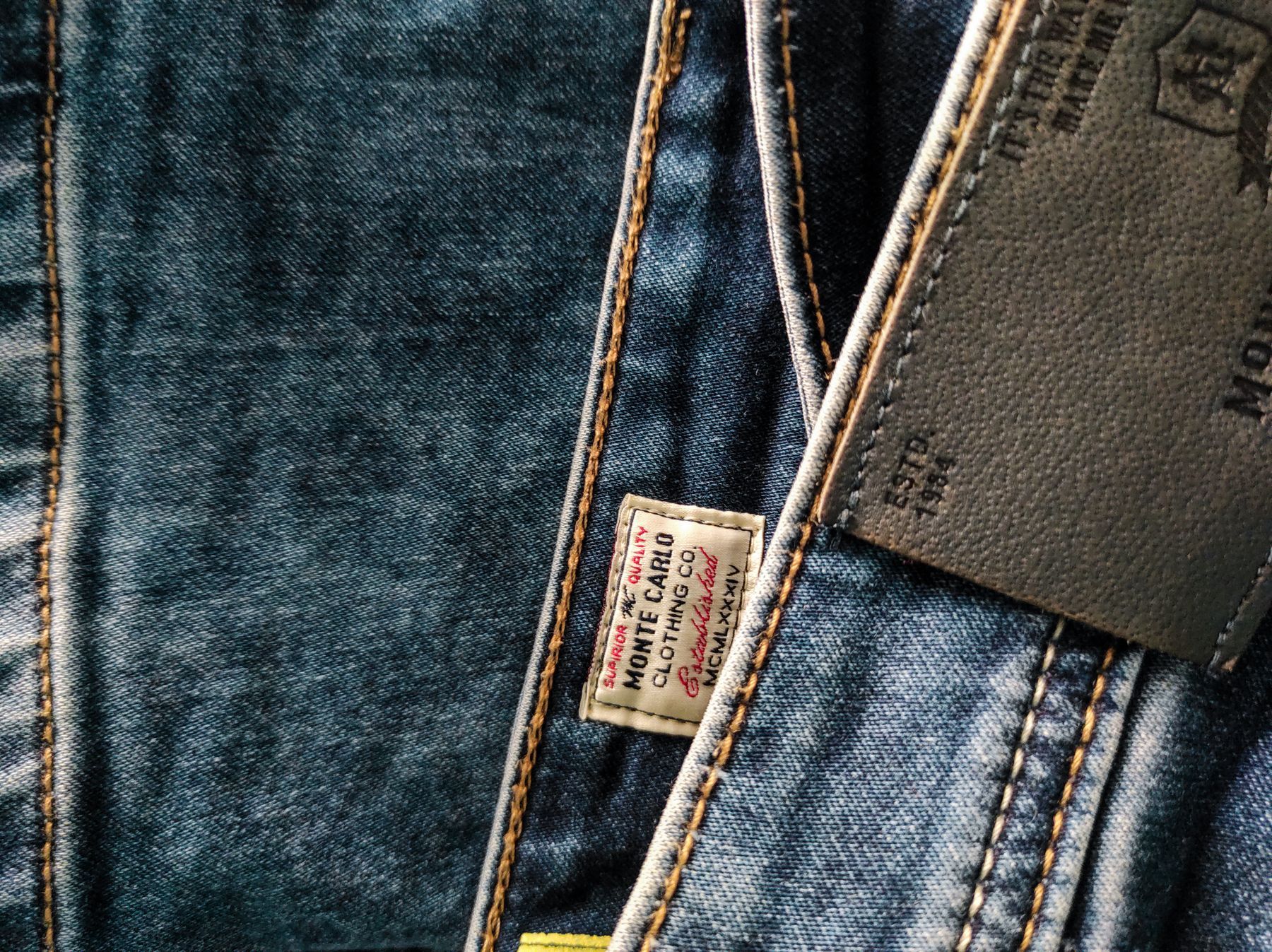
Woven main label 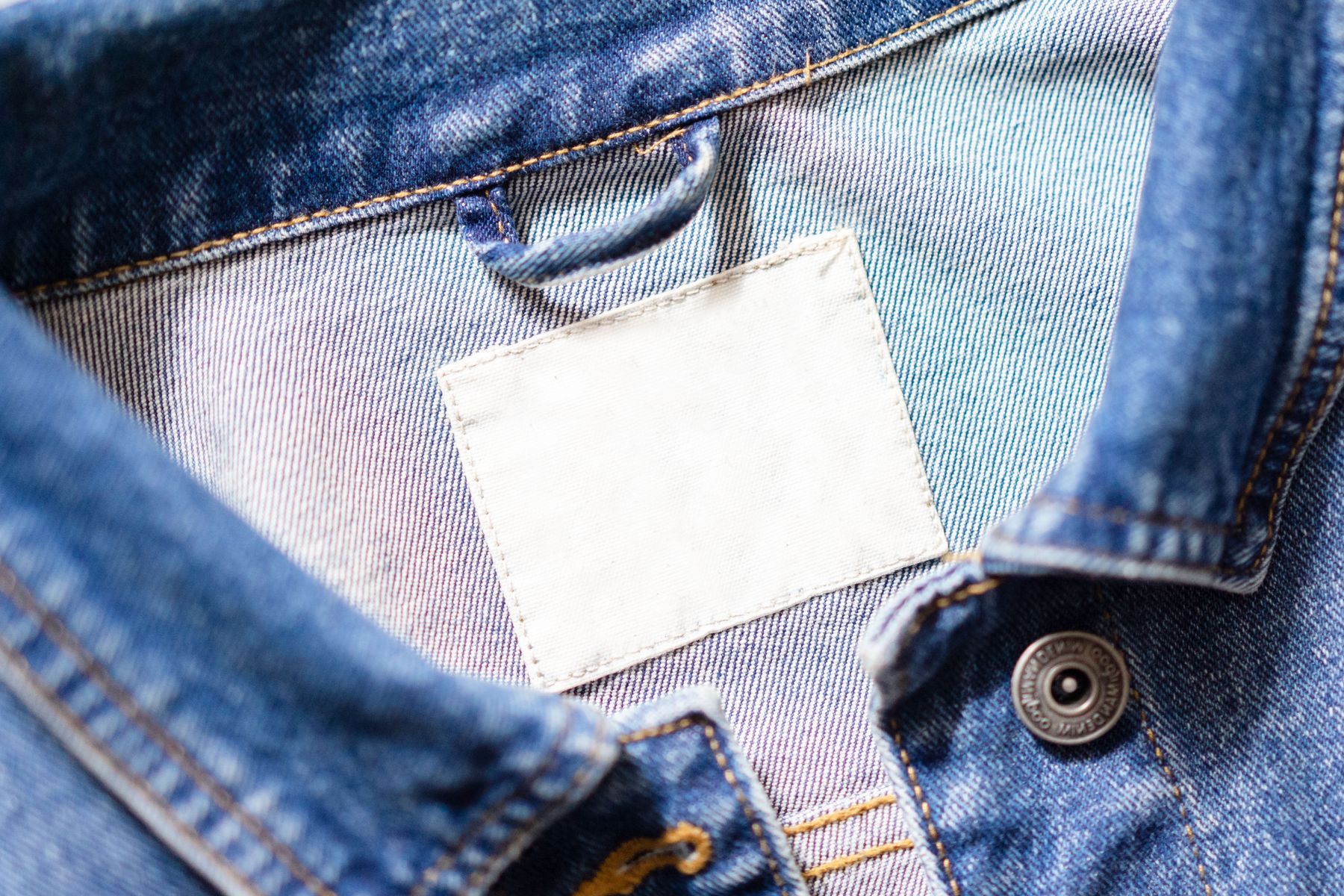
Care and composition label 
Hang tags 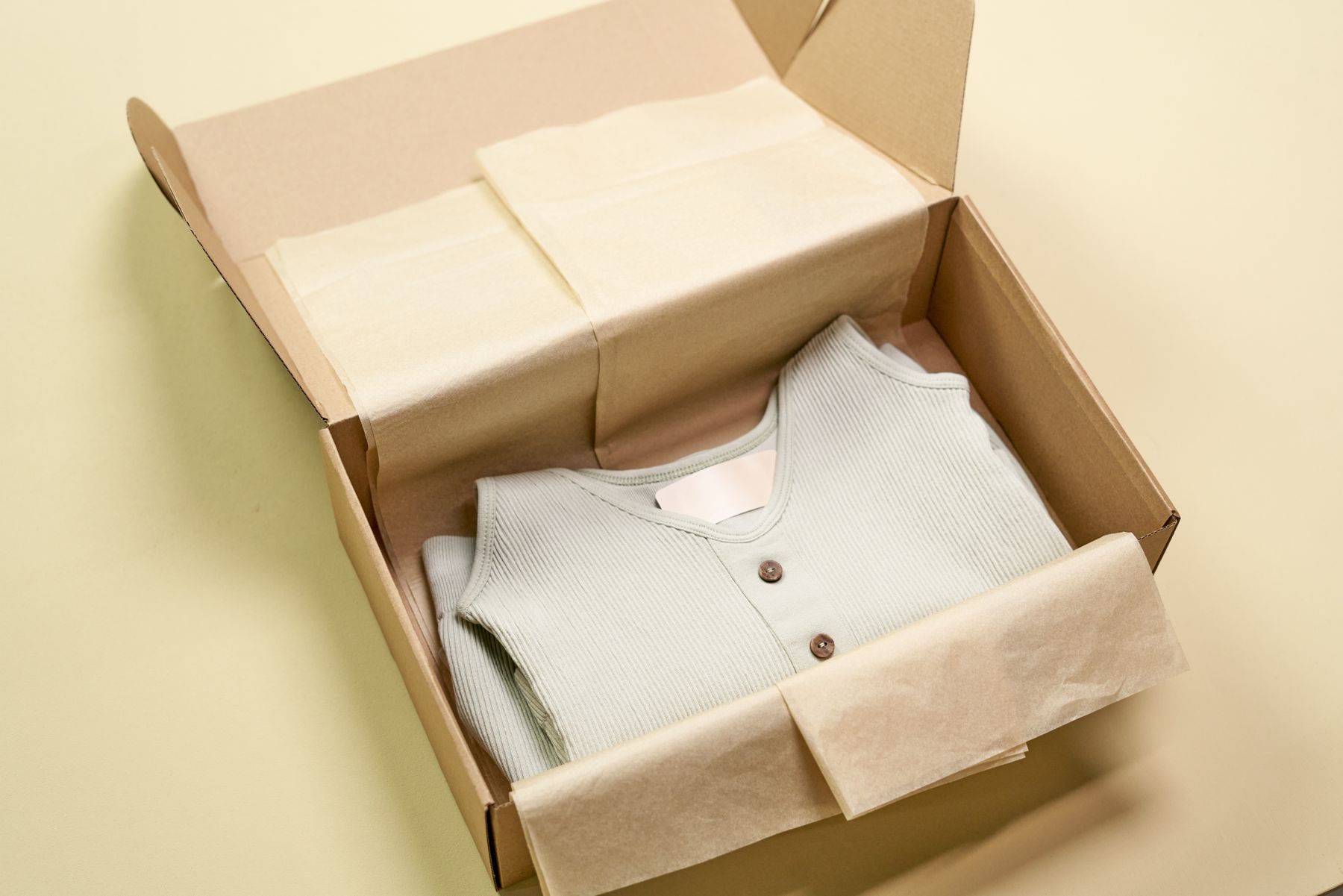
Retail packing
Step 8 of 10
Where this sits in production
Every order runs through the same sequence. Each step has its own page, its own approval, and its own way of going wrong.
- 01Private Label Pajamas
- 02OEM / ODM Pajama Manufacturing
- 03Sample Development
- 04Fabric Sourcing
- 05Pattern Making & Fit
- 06Size Grading
- 07Printing & Embroidery
- 08Labels & Packaging
- 09Bulk Production
- 10Quality Control
← Before this
Printing & Embroidery
Printing and embroidery for sleepwear: fabric printing, placement prints, embroidery and monogramming, with strike-offs and stitch-outs approved before bulk.
After this →
Bulk Production
Bulk pajama production: cutting, sewing, printing, embroidery, finishing and packing, run against your sealed sample from order to shipment.
Related Pajamas
Products this applies to
FAQ
Labels & Packaging — common questions
Can you make custom labels and packaging?
Yes — woven or printed main labels, size and care labels, hang tags, polybags and custom boxes, produced to your artwork and confirmed together with your pajama sample.
Who owns the pattern developed for my product?
Ask us and we will put it in writing before development starts. Pattern ownership is a commercial term rather than a fixed rule, and it is better agreed at the outset than assumed. Your designs, tech packs and reference materials stay confidential to your project either way.
Need labels & packaging for your project?
Send your product requirements and we will come back with a plan for this step and a quotation for the whole order.
Related Reading
Guides on this topic
Private Label
Woven vs Printed Labels for Sleepwear
Woven, printed and heat-transfer labels compared on feel, durability, artwork limits and cost — plus why sleepwear has different label rules than the rest of apparel.

Private Label
How to Prepare a Pajama Tech Pack
What a sleepwear factory actually needs before it can sample and quote: measurements, construction, fabric, trims and artwork — and what happens when each one is missing.