Custom Pajama Manufacturing
Custom Jalabiya & Kaftan Manufacturer
Jalabiya and kaftans are worn at home, for hosting and through Ramadan, so fabric and drape matter as much as the cut. We develop them from your reference garment or sketch, in the fabric you choose, with your labels and trims.
First order at a glance
- Sampling
- 7–10 days from confirmed design
- Bulk production
- 25–30 days after sample approval
- Fabrics
- Viscose, Satin, Cotton, Modal, or custom-developed fabric
- Typical styles
- Jalabiya, kaftans, embroidered house dresses, kaftan robes, matching sets
- Customisation
- Your reference as the base, fabric, embroidery and print, lengths and size chart
- Quality
- In-line and final inspection
- Best for
- Emerging and growing brands starting at 100 pcs per style and colour
- Fastest reply
- WhatsApp · usually faster than email
PajamaWorks makes custom jalabiya & kaftans with an MOQ of 100 pcs per style, per colour, samples in 7–10 days and bulk production 25–30 days after sample approval, in viscose, satin, cotton, modal or custom fabric, at its own factory in Humen, Dongguan, established 2006. Pricing is quoted per project.
MOQ applies per style and per colour, so one style in three colours is 300 pcs. Custom-dyed, printed or woven fabrics are confirmed per quotation. Planning a smaller first run? Tell us your quantity and we'll confirm what's possible.
Developed from your reference, not from our catalogue
Jalabiya and kaftan buyers usually already know the garment they want: a particular neckline, a sleeve shape, an embroidery layout that has sold before. We start from that. Send a reference garment, photos, a sketch or a tech pack and we measure it, build the pattern and return a sample to compare against it.
We do not hold a ready-made jalabiya range to sell you. The garment is made to your specification in your fabric, labelled with your brand.
Fabric: yours first, ours when you need a suggestion
If your design is built around a specific fabric — a printed woven, a crepe, a heavy satin, a particular knit — tell us and we develop the garment in that fabric. Where the fabric is not in our stock range we source it for you, and the minimum for custom-dyed, printed or woven fabric is confirmed per quotation because the mill minimum applies.
If you have not chosen a fabric yet, these are the usual starting points:
| Use | Fabrics to look at | What to watch |
|---|---|---|
| Light home dress | Viscose, cotton | Drape is good; check shrinkage after wash |
| Dressier house kaftan | Satin | Shows seam pucker on long straight edges |
| Soft, warm everyday | Modal | Hem needs weight to hang evenly |
What decides whether a long dress sells
- Drape and hem. A full-length garment is judged on how it hangs. We sample at full length and check it again after washing.
- Neck and yoke. This is where embroidery sits and where most faults show. Facing and stabiliser choice are settled on the first sample.
- Sizing. Loose styles still need a size chart. Tell us whether you want a graded range or one or two free sizes.
- Labelling for your market. Tell us what your importer needs on the label, including language, and we place labels to your specification.
Minimums
MOQ is 100 pcs per style, per colour in stock fabrics, so one style in three colours is 300 pcs. Custom-dyed, printed, woven or embroidery-heavy styles are confirmed in the quotation. Planning a smaller first run? Tell us your quantity.
Related ranges
For gift-led seasonal ranges, see Ramadan and Eid sets. For lighter home wear, see nightwear and robes, or how we work as a sleepwear manufacturer in China.
How to start
Send a photo or sketch, your target fabric if you have one, the sizes you sell and your quantity. We reply with what we can make from it, the sample plan and a price range. Use Get a Quote or message us on WhatsApp.
In Production
How this product is made
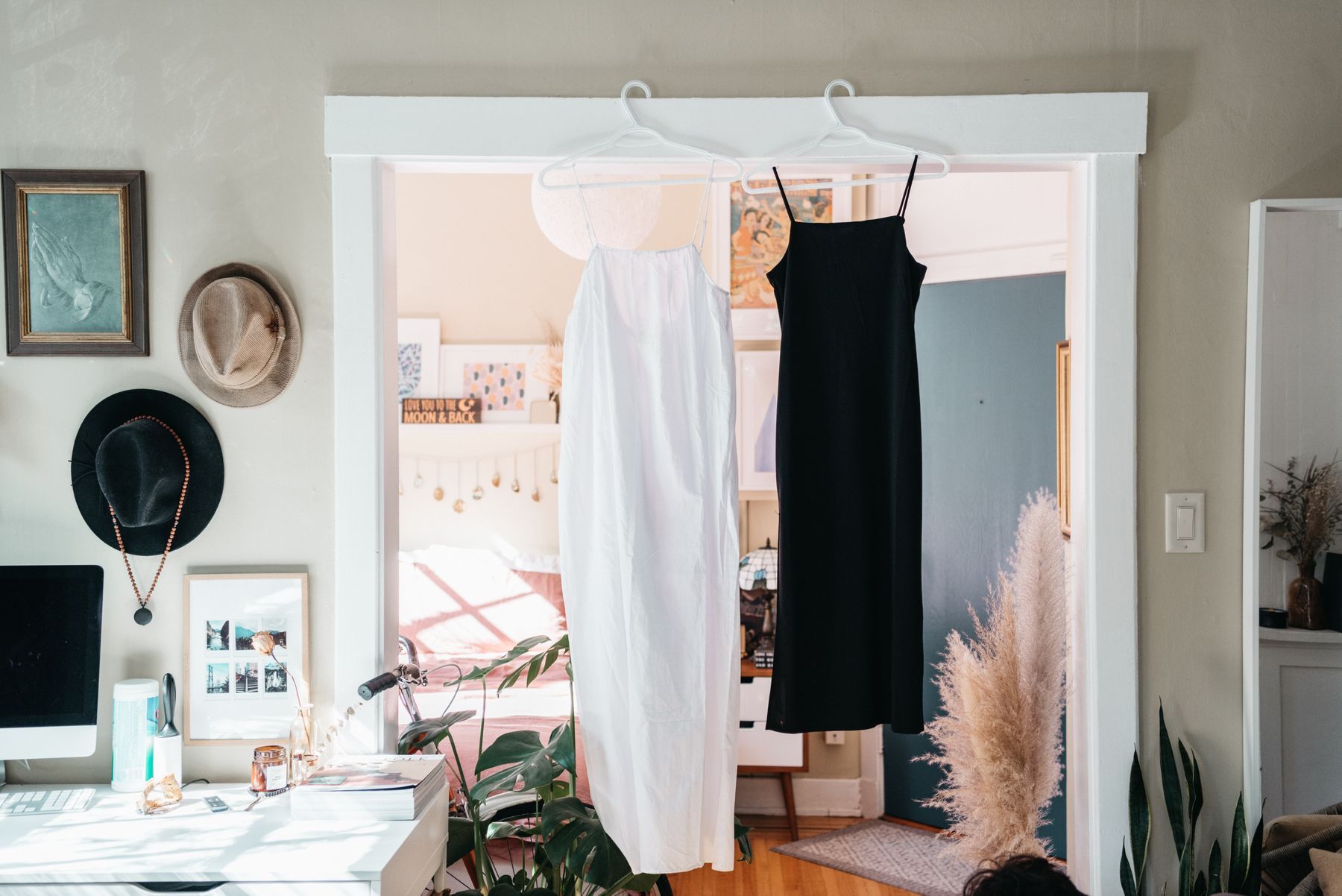
Reference photography for the production details discussed on this page. Request current factory evidence for your specific program during quotation.
Long, loose one-piece styles 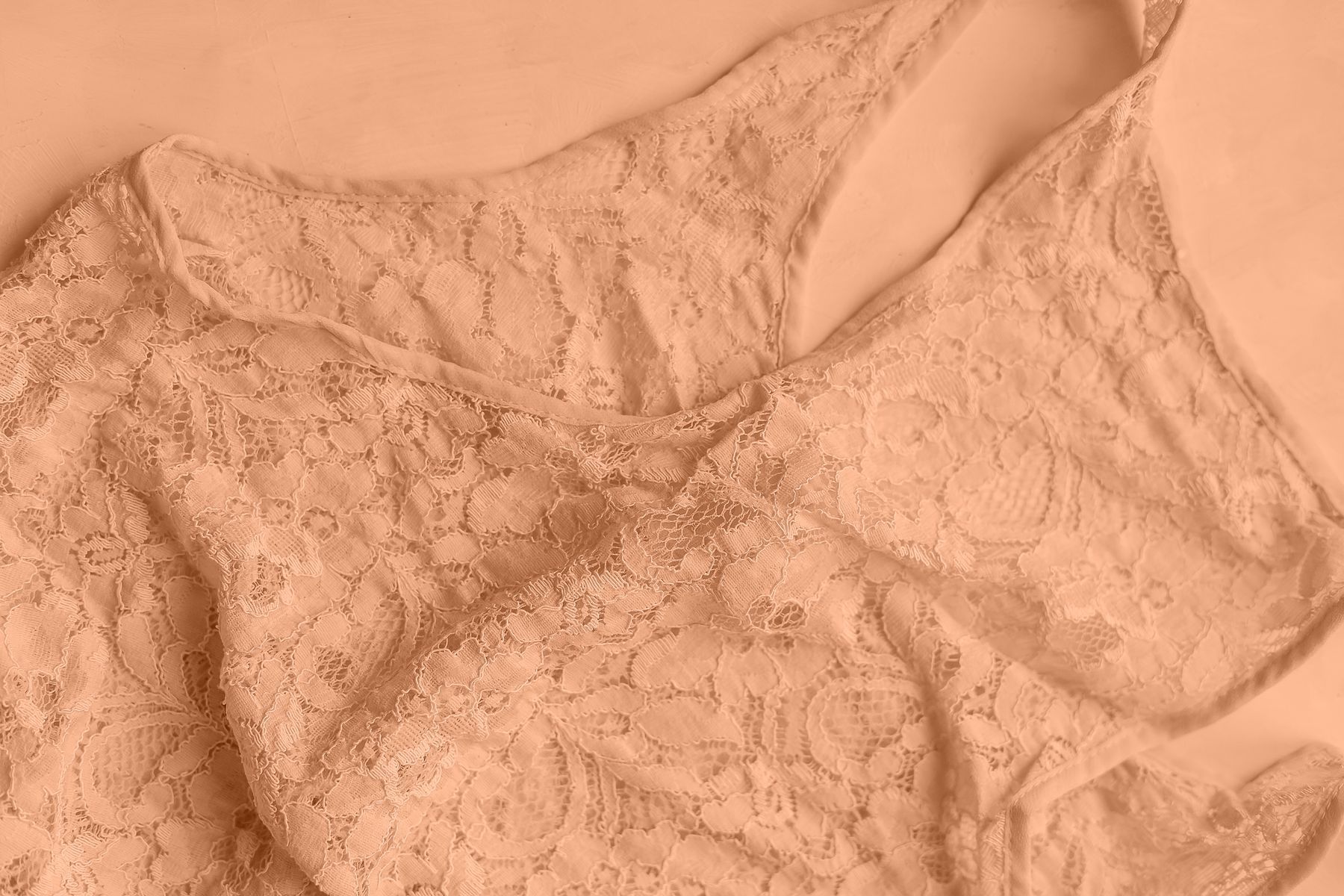
Trim and neckline detail 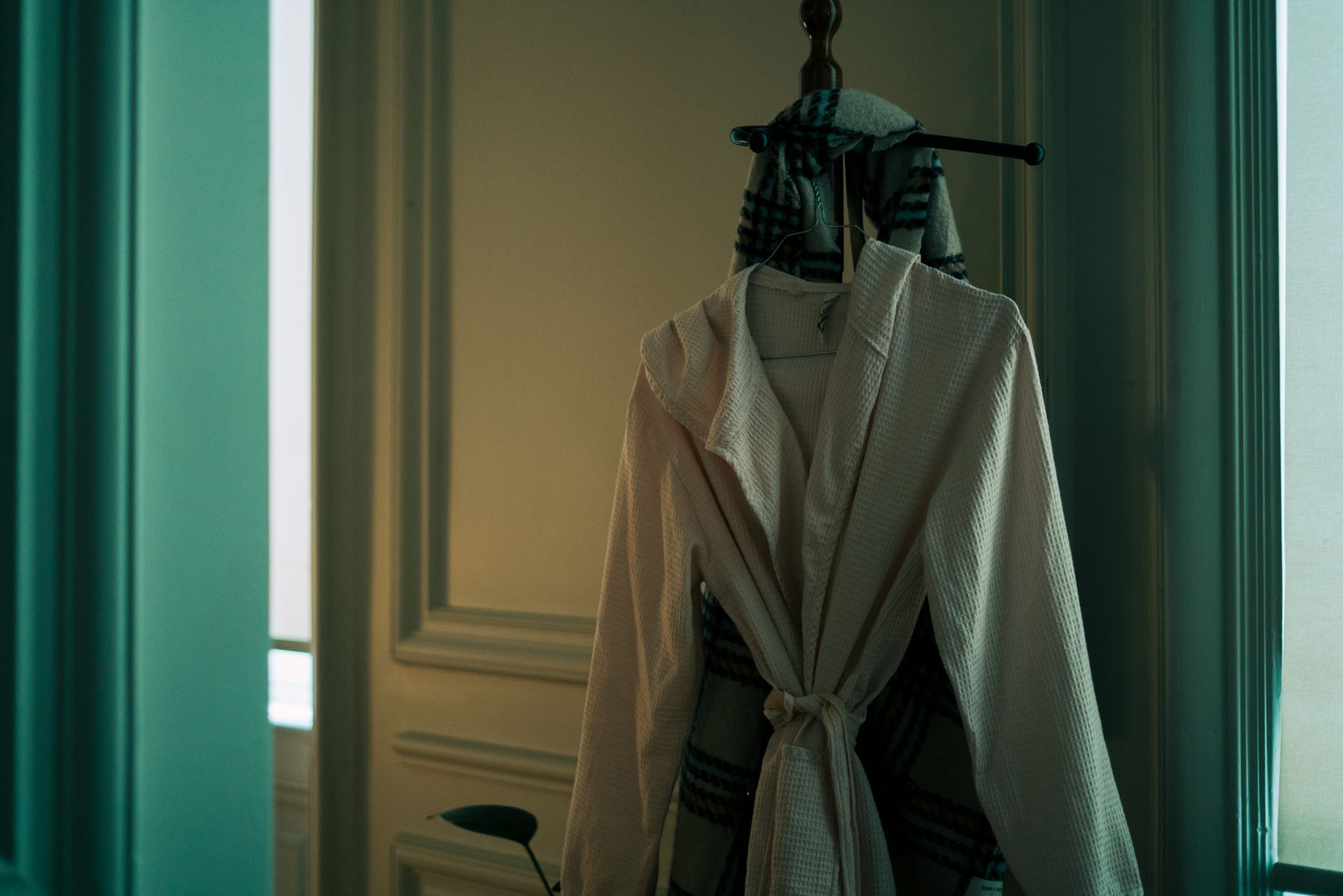
Length and drape
Available Styles
Jalabiya & Kaftans we develop
Jalabiya
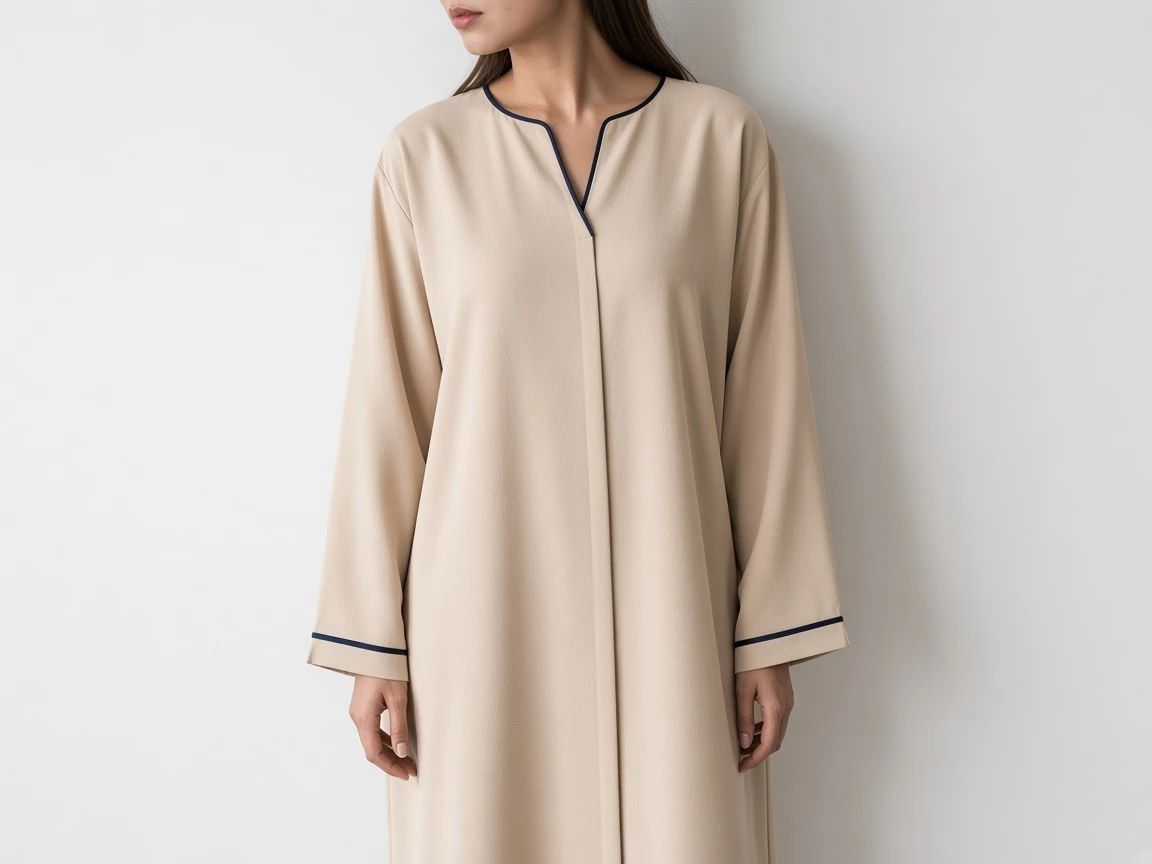
Long, loose house dress with a round or keyhole neck and full sleeves. Often embroidered at the neck, cuff and front.
Kaftans
Wide-cut, long kaftan with a V or boat neck and side seams left open for movement. Plain, printed or trimmed.
Embroidered house dresses
A plain base garment with embroidery, beading-style trim or contrast panels at the yoke and sleeves.
Show 2 more stylesShow less
Matching sets
A dress with a matching scarf or inner layer, packed as one unit for gifting or seasonal ranges.
Kaftan robes
Open-front kaftan cut worn as a light robe over home clothes, usually satin, viscose or crepe.
Construction
Details worth specifying
Confirm these on the sample. Each one changes how the finished garment reads.
- Neckline and yoke finish, where embroidery and facing have to sit flat
- Sleeve width and cuff: gathered, banded or open
- Side seam and slit placement on full-length cuts
Show 2 more detailsShow less
- Hem weight and finish, which decides how a long dress hangs
- Pocket placement and in-seam versus patch pockets
Related Fabrics
Fabric options for jalabiya & kaftans
Fabric decides how the product feels, drapes and survives washing. Compare the realistic options before sampling.
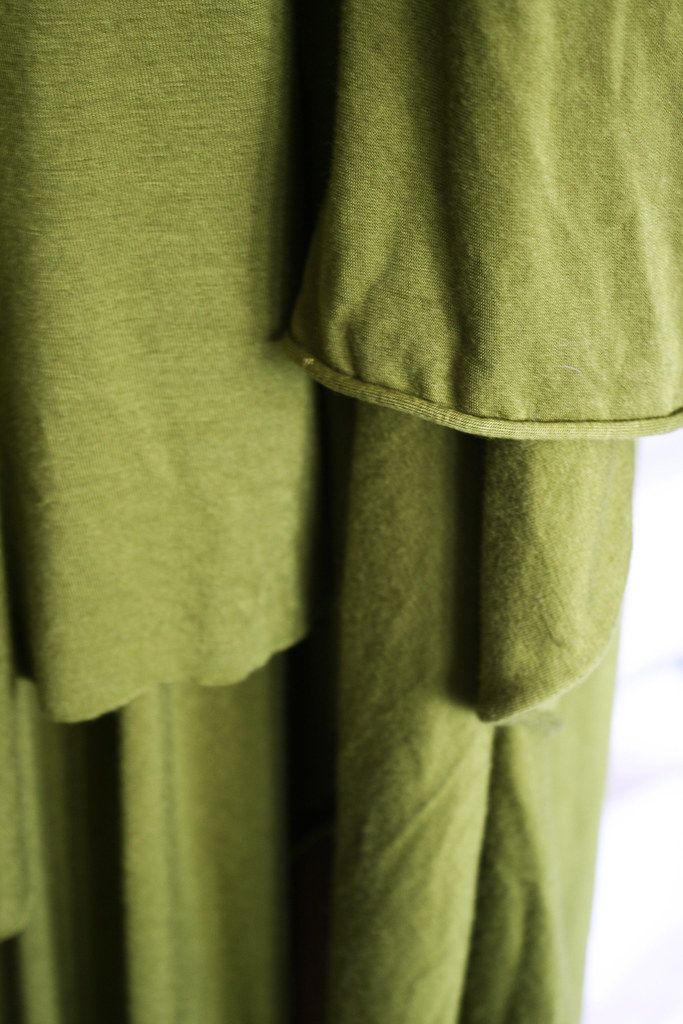
Viscose
Cool, breathable and excellent for prints, but weaker when wet — washing and construction decide how long it lasts.
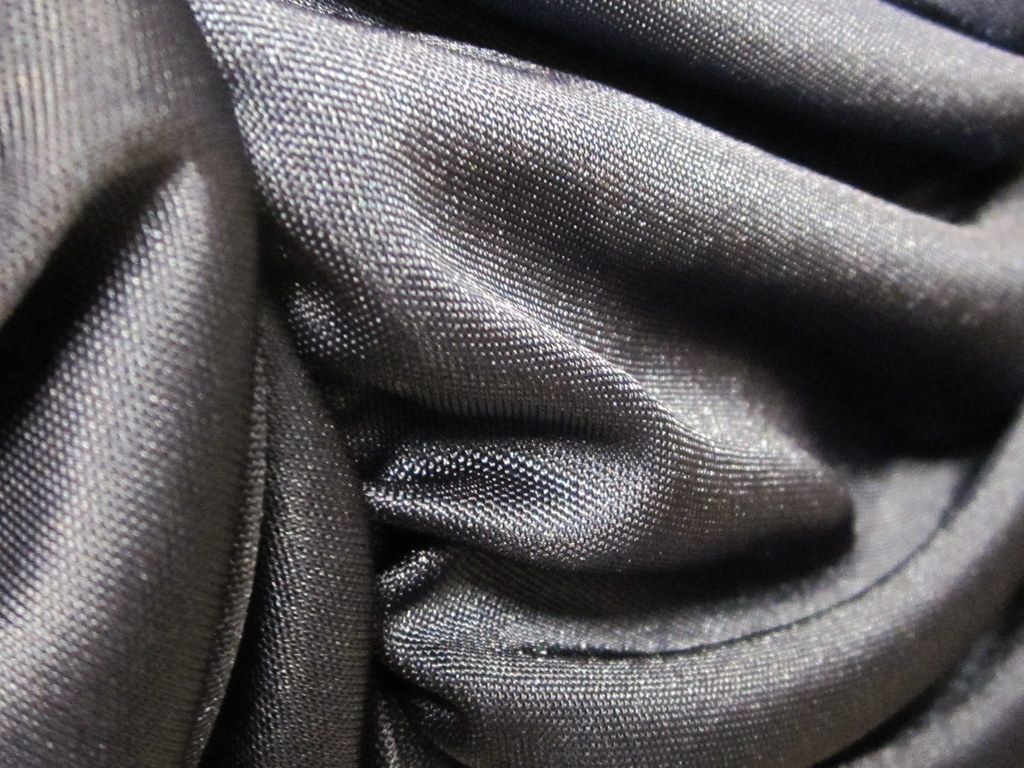
Satin
Lustrous weave for premium and gift-led sleepwear — beautiful, and the least forgiving to sew.
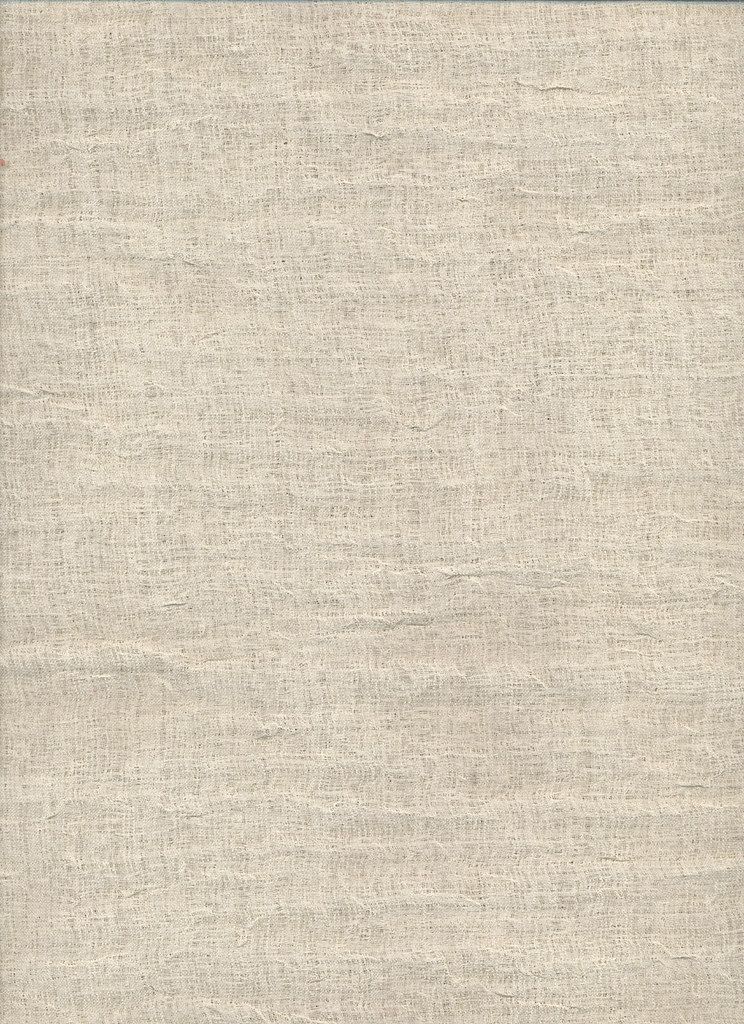
Cotton
Breathable, printable and easy to care for — the real choice is construction: poplin, jersey or flannel.
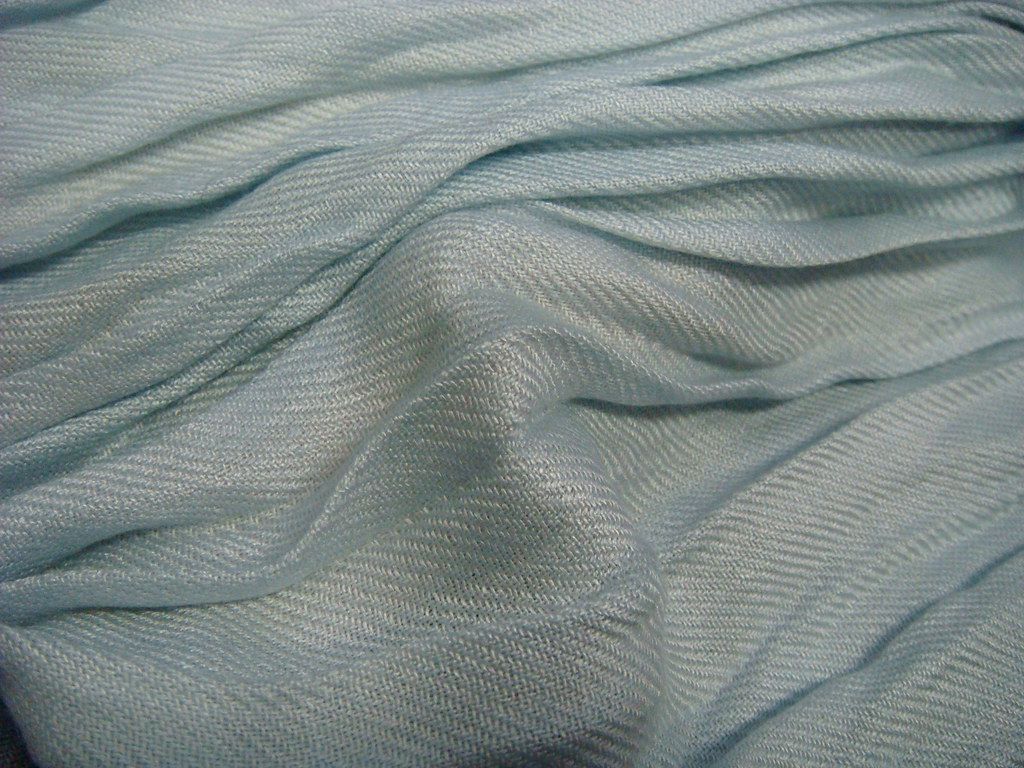
Modal
Silky cellulosic knit with fluid drape and deep colour — the premium-feel comfort option.
Customization
What you can change
- Your own reference garment, sketch or tech pack as the starting point
- Fabric to your specification — see the fabric note below
- Embroidery, appliqué and print at the neck, cuffs and front
Show 2 more optionsShow less
- Custom lengths and a size chart graded for your market
- Colourways, contrast piping and trims
Private Label
Retail-ready under your brand
- Woven main label at the back neck
- Care and size labels placed to your spec
- Hang tags and swing tickets
- Polybag, folded retail or gift-box packaging
Sampling
From brief to sealed sample
- Reference garment or sketch reviewed and measured before pattern making
- Fabric swatch or strike-off approved before the garment sample
- Full-length fit sample, because a shortened sample says nothing about drape
Show 3 more stepsShow less
- Washed sample checked for length change and hem behaviour
- Embroidery stitch-out approved separately where used
- Approved sample sealed for bulk reference
Quality Control
What gets checked
- Embroidery placement and stitch quality checked in line
- Neckline, yoke and sleeve symmetry checks
- Length measured per size against the approved chart
Show 2 more checksShow less
- Print and colour matched to the approved strike-off
- Final random inspection before packing
Minimum Order Quantity
100 pcs per style, per colour. MOQ applies per style and per colour, so one style in three colours is 300 pcs. Custom-dyed, printed or woven fabrics are confirmed per quotation.
Manufacturing Process
How a jalabiya & kaftans order runs
The stages your order passes through, in order. Each one has its own page.
01
Printing & Embroidery
Printing and embroidery for sleepwear: fabric printing, placement prints, embroidery and monogramming, with strike-offs and stitch-outs approved before bulk.
Learn more →
02
Fabric Sourcing
Fabric sourcing for pajama production: cotton, modal, satin, jersey, flannel and viscose, plus custom dyeing with lab dips and print strike-offs.
Learn more →
03
Sample Development
Pajama sample development from tech pack or reference garment: pattern making, fabric swatches, fit samples, revision rounds and a sealed production standard.
Learn more →
04
Private Label Pajamas
Private label pajama manufacturing: sleepwear produced under your own brand, from sampling through retail-ready finishing, with the patterns and specs kept for repeat orders.
Learn more →
FAQ
Jalabiya & Kaftans — common questions
What is your pajama MOQ?
MOQ starts from 100 pcs per style, per colour in stock fabrics (cotton, modal, satin, jersey, flannel, viscose), so one style in three colours is 300 pcs. Custom-dyed, custom-printed or custom-woven fabrics raise the minimum because the mill minimum applies; we confirm the exact figure for your style in the quotation.
How much does a pajama sample cost?
Sample cost depends on the style, fabric and customization (printing, embroidery, special trims). We confirm the exact sample fee per project before sampling starts — share your design through the quote form for a precise figure.
Is the sample fee refundable?
Yes, when your bulk order reaches 200 pcs per style, per colour. We confirm the sample fee for your style before sampling starts.
How long does sampling take?
A first sample usually takes about 7–10 days once the design is confirmed. Complex styles, sourced fabrics and extra revision rounds add time; we confirm the sampling timeline with each sample order and keep you updated through development.
Can I use my own pajama design?
Yes. Send a tech pack, reference sample or reference photos and we handle pattern development, grading and sampling to your design. Your designs stay confidential to your project.
Will my fit sample be washed before I approve it?
Yes — we launder fit samples before sending them. Cotton shrinks, knits relax and viscose can distort, so a sample approved unwashed is not the garment your customer receives. Approving fit on a washed sample removes the most common cause of bulk fit complaints.
Can you source custom fabrics?
Yes. Beyond stock cotton, modal, satin, jersey, flannel and viscose options, we source custom blends, custom-dyed colors and custom prints. Custom-developed fabrics carry higher minimums, which we confirm during quoting.
Can you match Pantone colors?
Yes. For custom-dyed fabrics we produce lab dips against your Pantone reference for approval before bulk dyeing, so the production color matches the approved standard.
What is the minimum for custom labels, hang tags and packaging?
Custom main labels and hang tags start from 500 pcs, and custom packaging such as printed polybags and boxes from 1,000 pcs. Garments still start from 100 pcs per style, per colour — if your order is smaller than the label minimum, the labels are made at 500 and we keep the surplus for your repeat order.
Who owns the pattern developed for my product?
Ask us and we will put it in writing before development starts. Pattern ownership is a commercial term rather than a fixed rule, and it is better agreed at the outset than assumed. Your designs, tech packs and reference materials stay confidential to your project either way.
Ready to develop your jalabiya & kaftans?
Send your tech pack, reference garment or product requirements — we will come back with a manufacturing plan and quotation.
Related Reading
Guides on this topic
Manufacturing
How Pajama Sampling Works
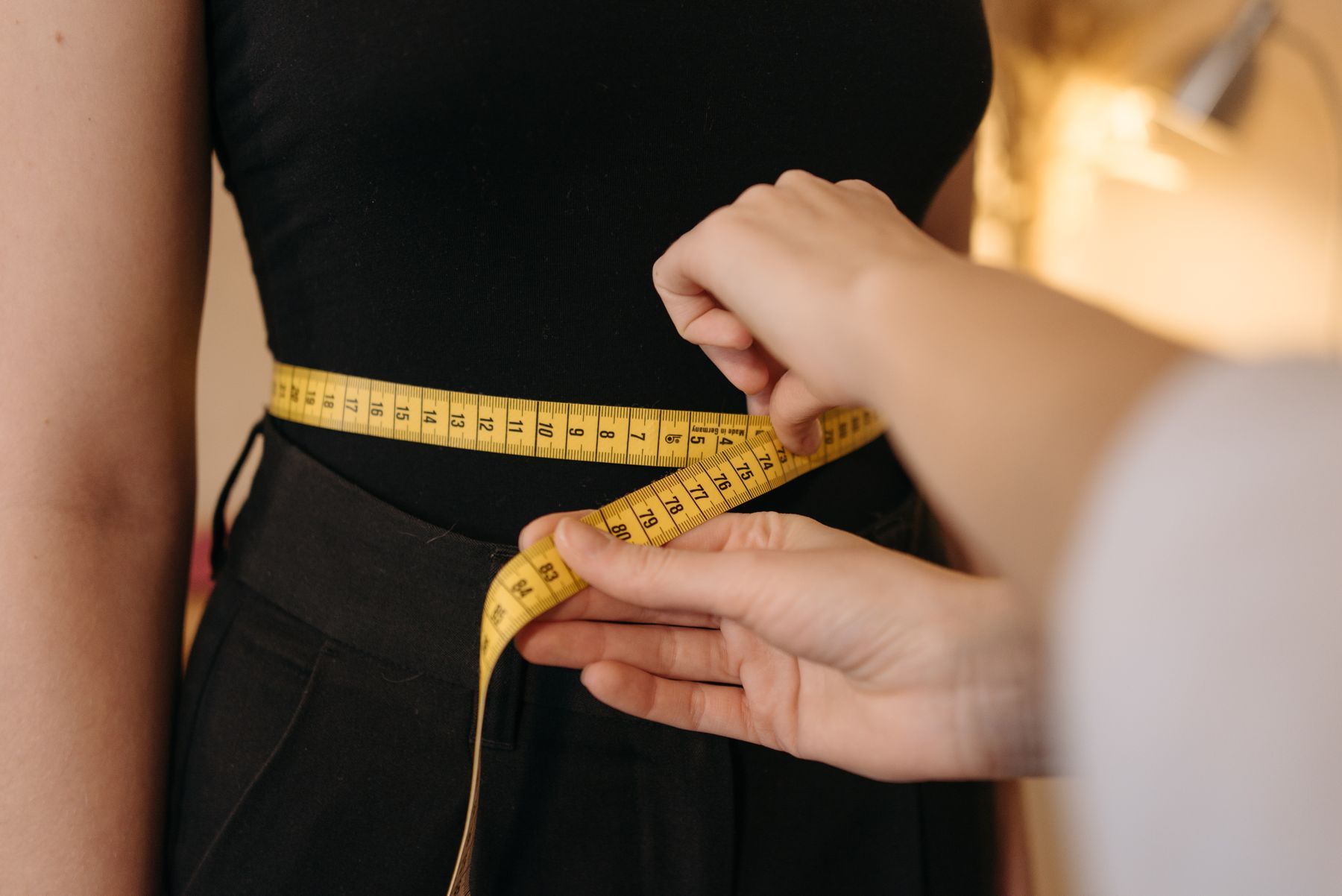
What happens between sending a reference garment and approving a production sample — the sample types, what each one is for, and how to write fit comments that actually work.
Buyer Guides
Pajama MOQ Explained
Why sleepwear factories have minimum order quantities, what actually sets the number, the difference between style and colourway minimums, and how to launch on a small first order.
Fabrics
Modal vs Viscose for Pajamas
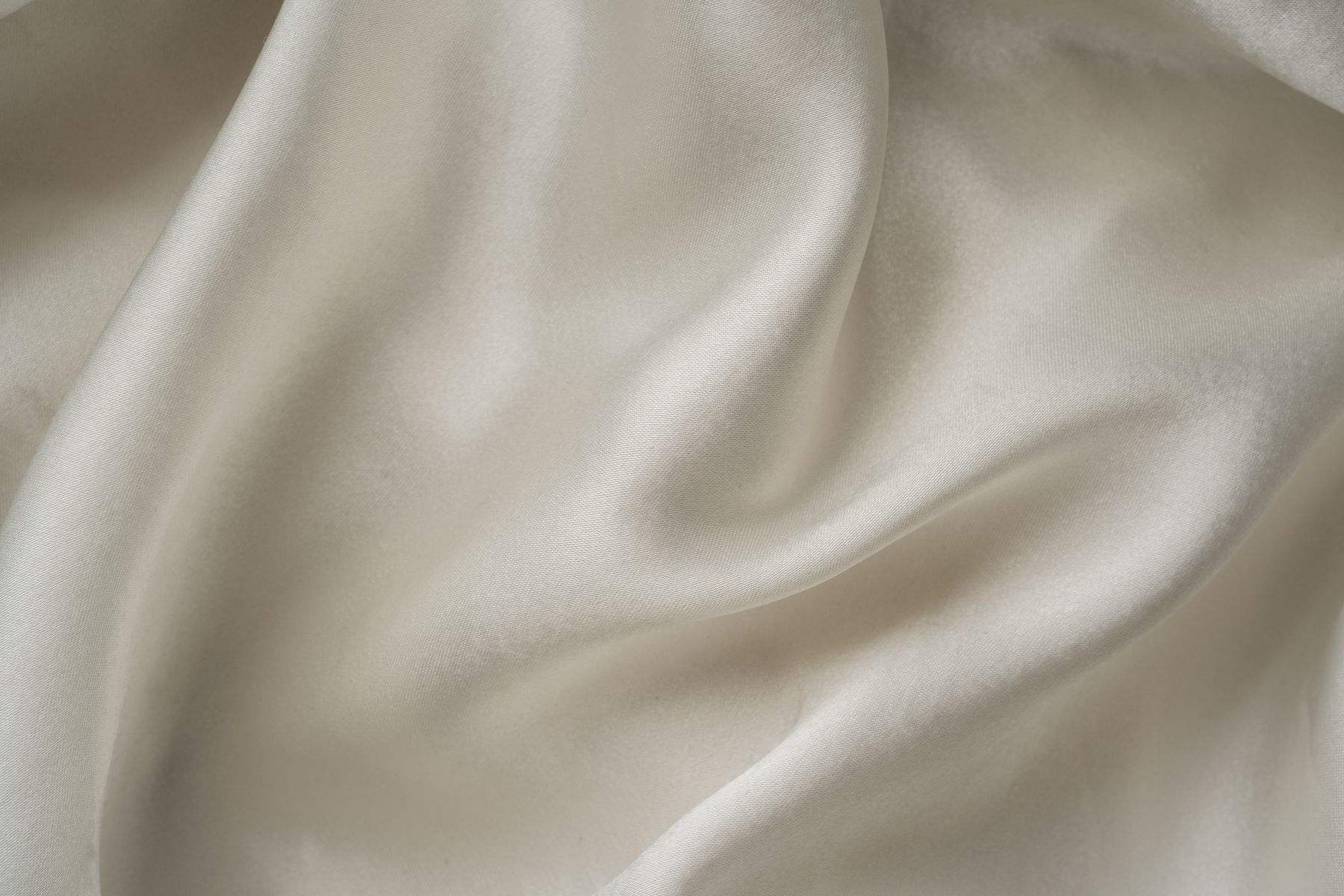
Modal and viscose are close relatives that behave differently in production. How they compare on strength, shrinkage, colour, printing and cost, and which sleepwear styles each one suits.