Starting a Pajama Brand
What Pajama Manufacturing Actually Costs
The four things a pajama quotation is really made of, why two factories quote differently for the same tech pack, and the decisions that move your unit cost the most.
By PajamaWorks Team, Sleepwear production team, Dongguan Hualingniao Apparel ·
Nobody can tell you what your pajamas will cost without seeing them. What we can do is explain how the number is built, because a brand that understands the structure of a quotation can change it — and a brand that only sees one figure at the bottom can only accept it or walk away.
A quotation is four numbers, not one
Every pajama price you are ever quoted is some combination of these:
- Fabric. Usually the largest single component in sleepwear, because pajamas use a lot of material for a relatively simple garment. A wide-leg trouser and a short set made from the same fabric are not the same cost.
- Trims and packaging. Labels, elastic, buttons, tape, hang tags, polybag or box. Individually small, collectively not.
- Making. Cutting, sewing, pressing, finishing. Driven by how many operations the garment needs, not by how it looks.
- Overheads and margin. Inspection, handling, the factory’s cost of doing business.
If a quotation arrives as a single number, ask for it split this way. You are not trying to audit the factory — you are trying to find out which of the four is making the price uncomfortable, because each one has a different fix.
Why two factories quote differently for the same tech pack
Assuming both are quoting honestly, the gap is nearly always one of these:
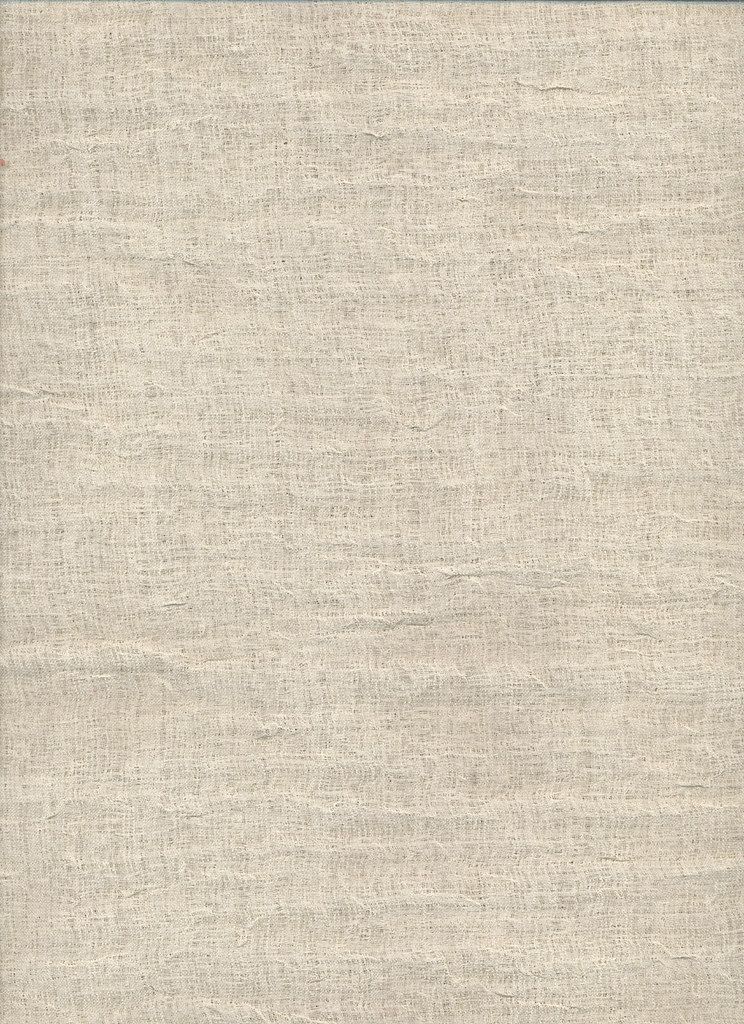
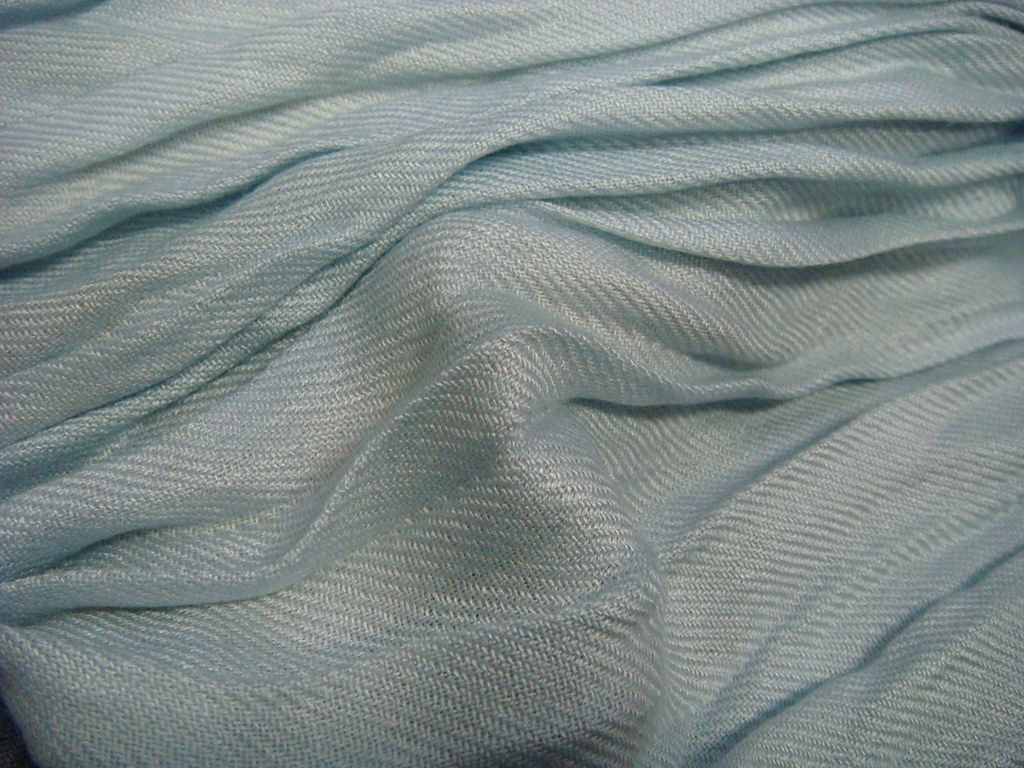
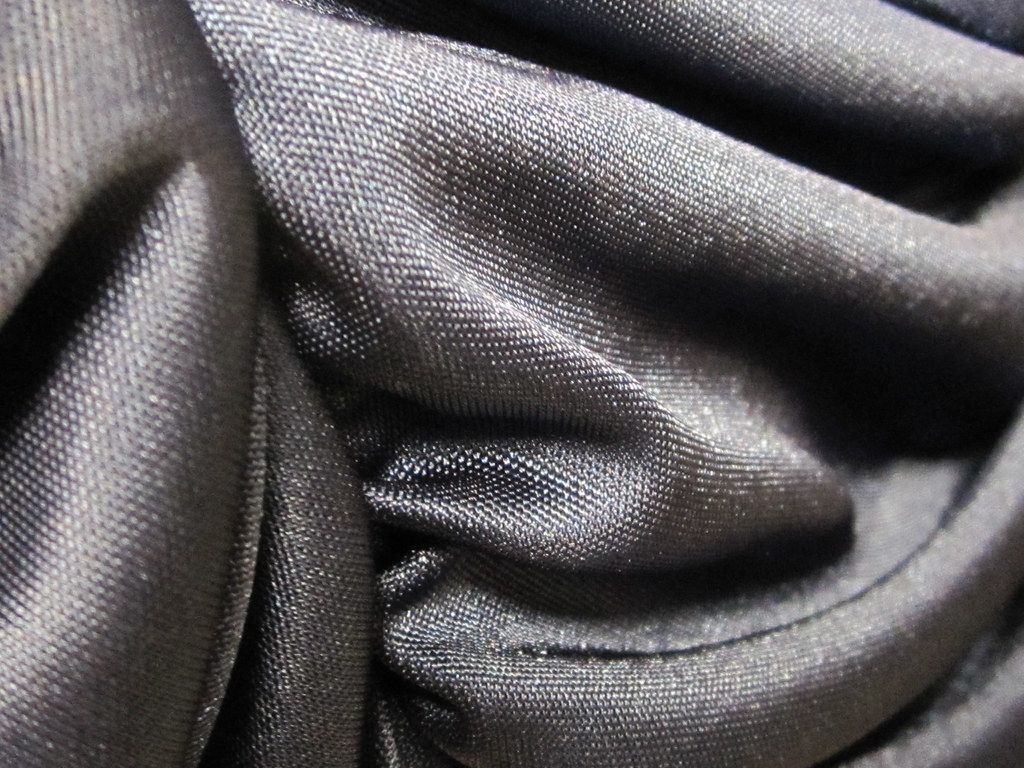
- Different fabric assumptions. “Cotton” is not a specification. One quote may assume a light poplin, the other a heavier twill. See fabric sourcing for what a real fabric spec needs to contain.
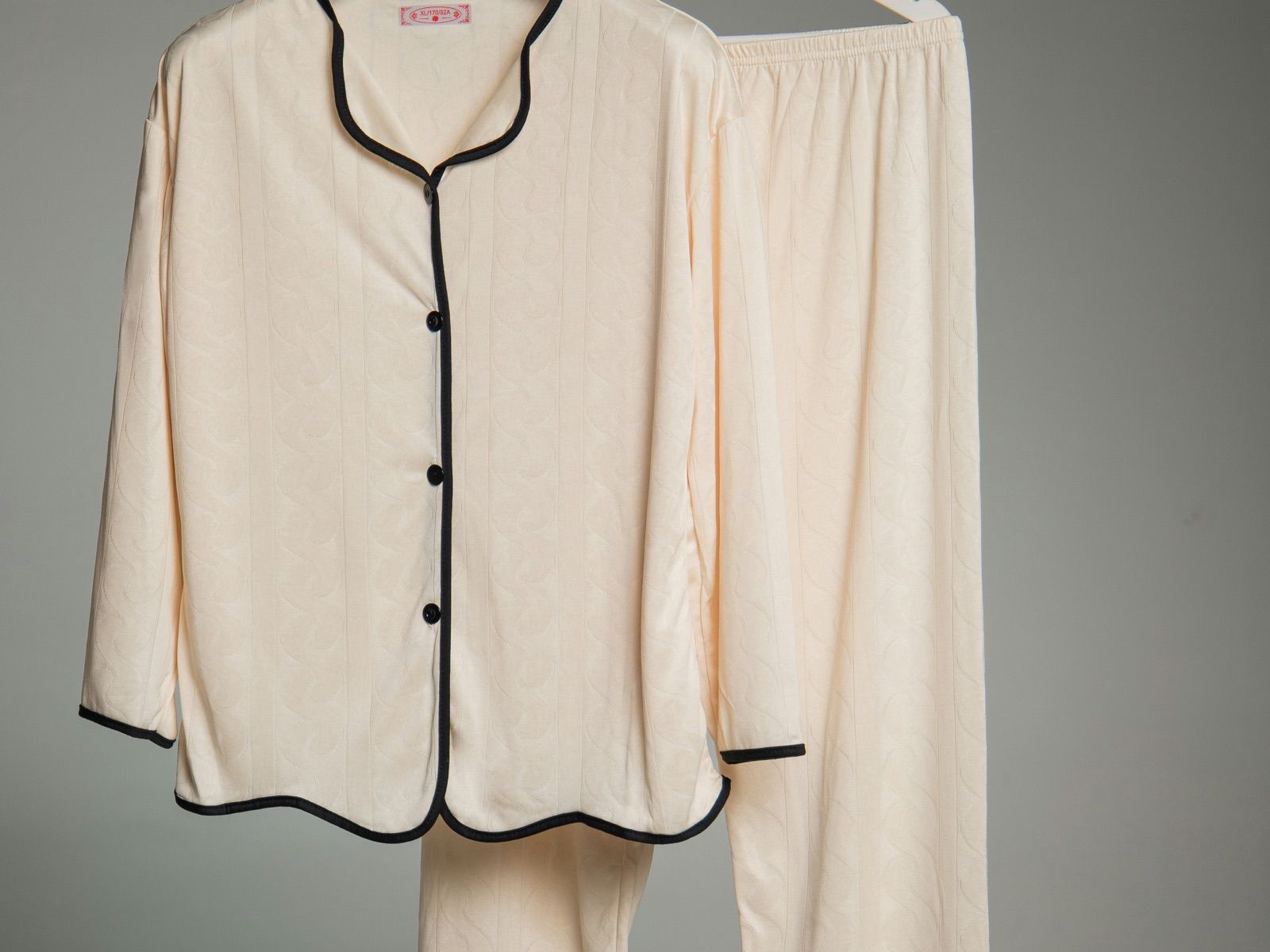
- Different construction assumptions. French seams, piping, a lined placket or a covered waistband each add operations. If your tech pack does not state them, each factory will assume something.
- Different quantity assumptions. Price per unit is not a property of the garment; it is a property of the garment at a quantity.
- What is included. Retail-ready folding, tagging and boxing may be inside one price and outside the other.
A quotation comparison that does not normalise these four things is not comparing anything.
The decisions that move cost the most
Fabric weight and width
Heavier fabric costs more per metre and there is no way around that. Fabric width matters almost as much and is invisible to most brands: a narrow fabric yields fewer garments per metre, so the same price per metre becomes a higher price per garment. This is one of the more common reasons a cost estimate made from a fabric price turns out wrong. There is more on this in choosing pajama fabric weight.
Number of colourways
Colour is where a range quietly becomes expensive. Each colourway is a separate fabric batch with its own minimum, so five colours of one style can cost considerably more than one colour of five styles — even though it feels like less product.
If budget is tight, add styles before you add colours.
Custom versus stock fabric
Custom dyeing or custom-woven fabric gives you an exact colour and a product nobody else has. It also raises the fabric minimum and adds lab dip approval time. Stock fabric restricts your palette and is cheaper and faster.
Most first orders should use stock fabric. Custom fabric is a second-order decision, once you know a style sells.
Construction complexity
Contrast piping, a notched collar with a lined stand, a French-seamed slip — all of these are the difference between a garment that reads as premium and one that reads as basic. They are also real operations with real minutes attached.
The useful discipline is to keep complexity where the customer can see it, and remove it where they cannot.
Print and embroidery
Both add cost, but differently. Printing is largely a setup cost spread over quantity, so it is punishing at low volume and cheap at scale. Embroidery is priced closer to per-piece by stitch count, so it stays roughly proportional. See printing and embroidery.
The costs new brands forget
- Development. Patterns and fit samples happen once per style, and they happen before you have revenue. Budget for them separately from your unit cost.
- Shipping and duty. Sleepwear is bulky and light, which makes it volume-charged rather than weight-charged in air freight. A box-packed gift set can cost meaningfully more to ship than the same garment in a polybag.
- The second sample round. Almost every style needs one. Assume it.
- Rework you asked for. A change requested after the sample is sealed is a new development cycle, not an edit.
How to get a quotation you can actually use
Send the same information to every factory you approach:
- Style descriptions or sketches, with construction details stated rather than implied
- Fabric type, weight and composition — or a swatch
- Quantity per style and per colourway
- Your labelling and packaging requirement
- Your destination market
That is most of a tech pack, and sending it is the difference between a quotation and a guess.
A note on the cheapest quote
In sleepwear the cheapest quote usually differs from the others in fabric weight or seam construction, not in efficiency. Both are invisible in a photograph and obvious in the hand — which means your customer finds them before you do.
Compare quotations on a physical sample in the actual fabric, or you are comparing spreadsheets.
Ready to price a specific range? Send us the details and we will come back with the breakdown rather than a single number.