Starting a Pajama Brand
How to Find a Pajama Manufacturer
Where sleepwear factories actually are, how to tell a manufacturer from a trading company, the questions worth asking, and how to run a paid trial before you commit a season.
By PajamaWorks Team, Sleepwear production team, Dongguan Hualingniao Apparel · · Updated
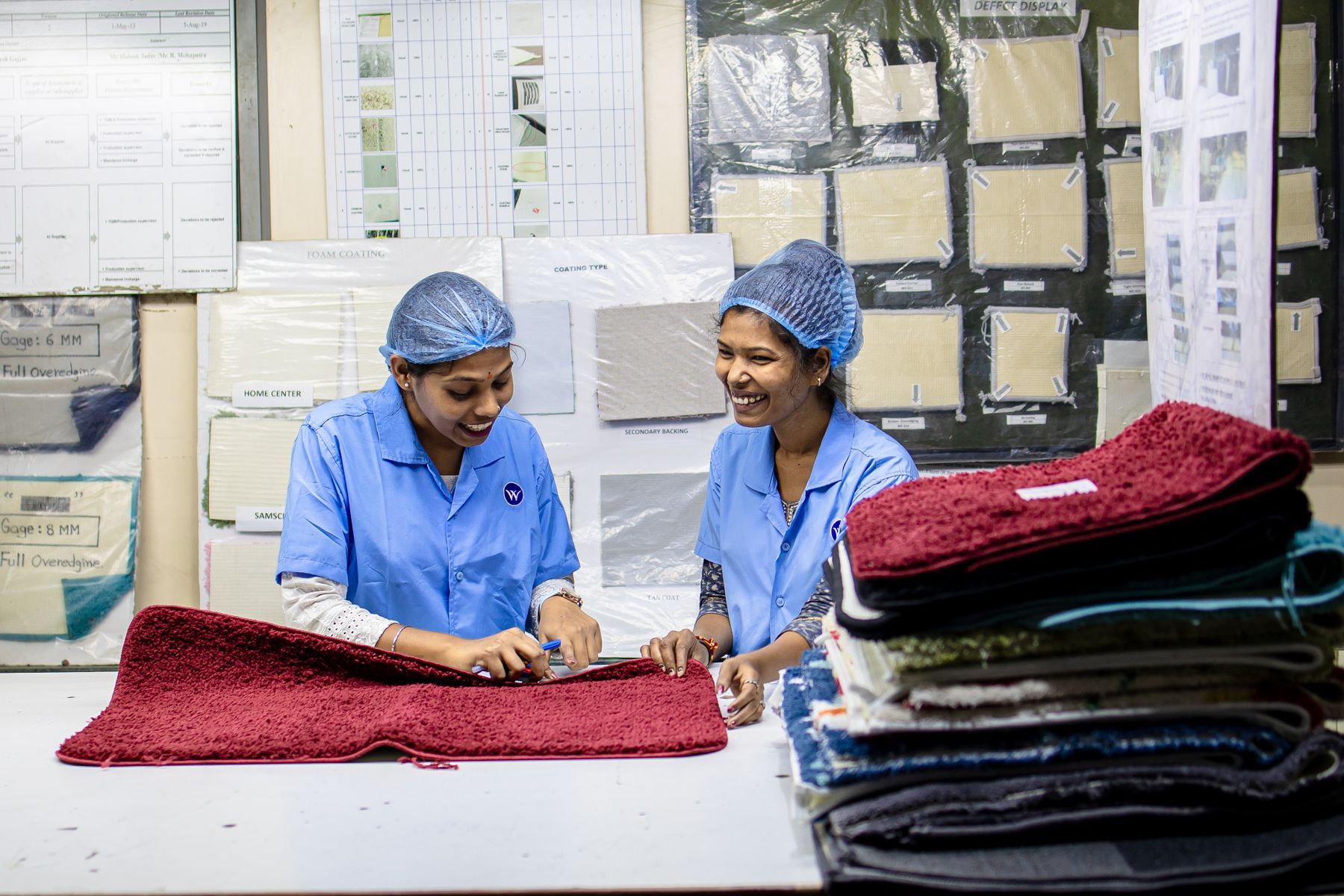
Finding a factory is not hard. Finding one that suits your order is the actual problem, and the mismatch is usually about size rather than quality: a factory built for 20,000-piece programmes will not give a 300-piece launch the attention it needs, and it is nobody’s fault when that goes badly.
This is how to run the search properly, written by a factory that would rather you arrive with the right expectations than leave disappointed.
Sleepwear is its own specialism
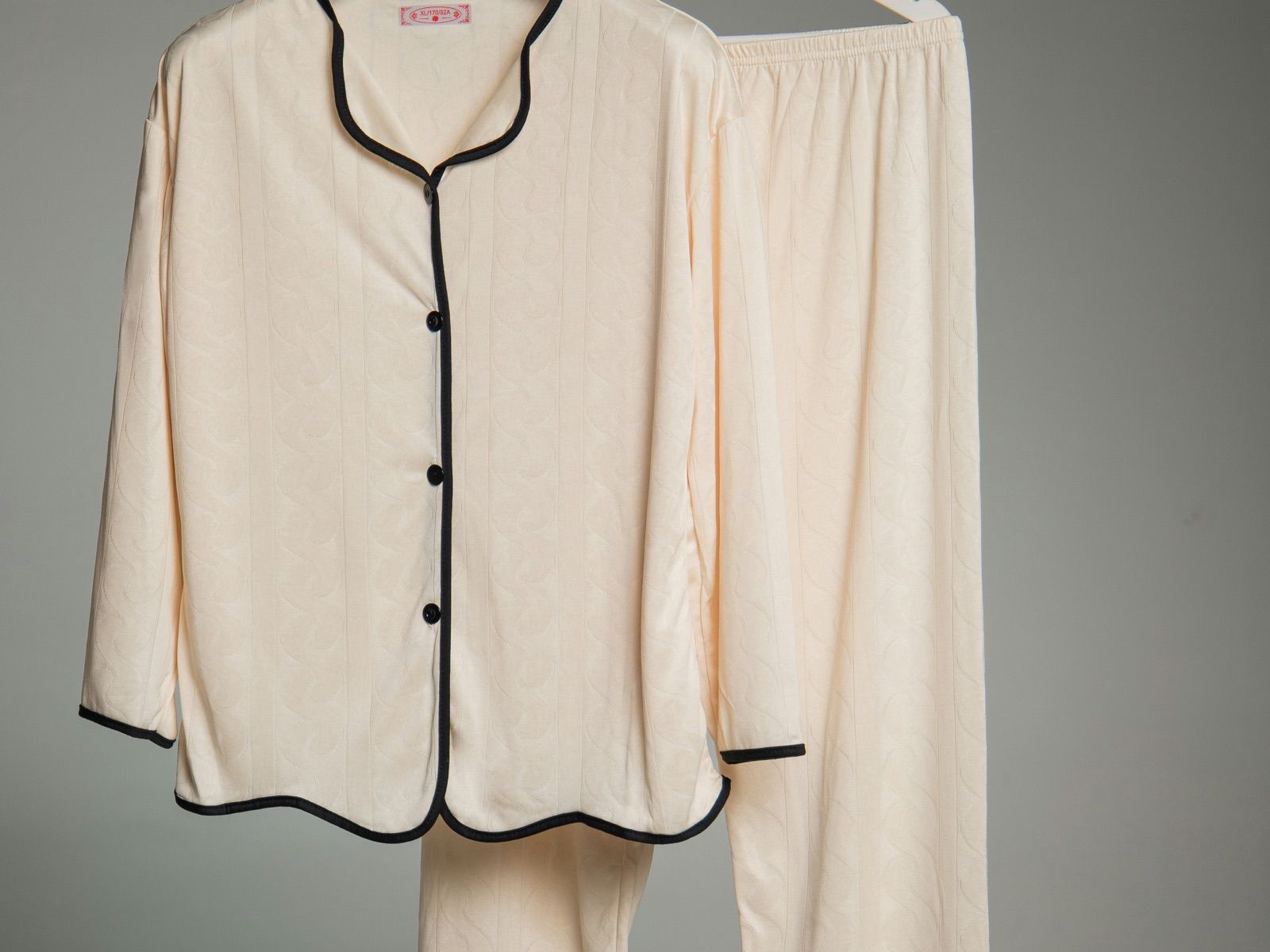
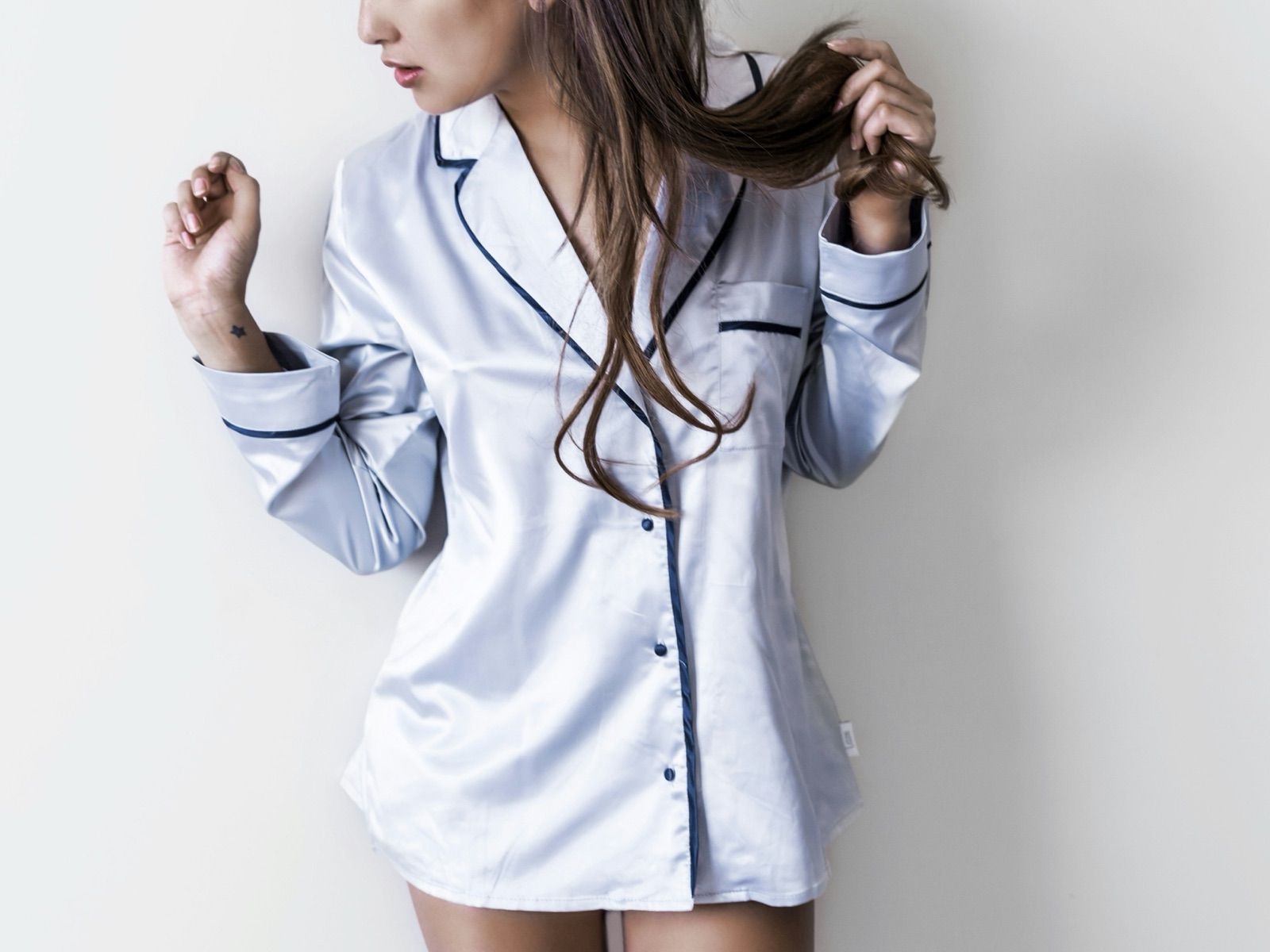
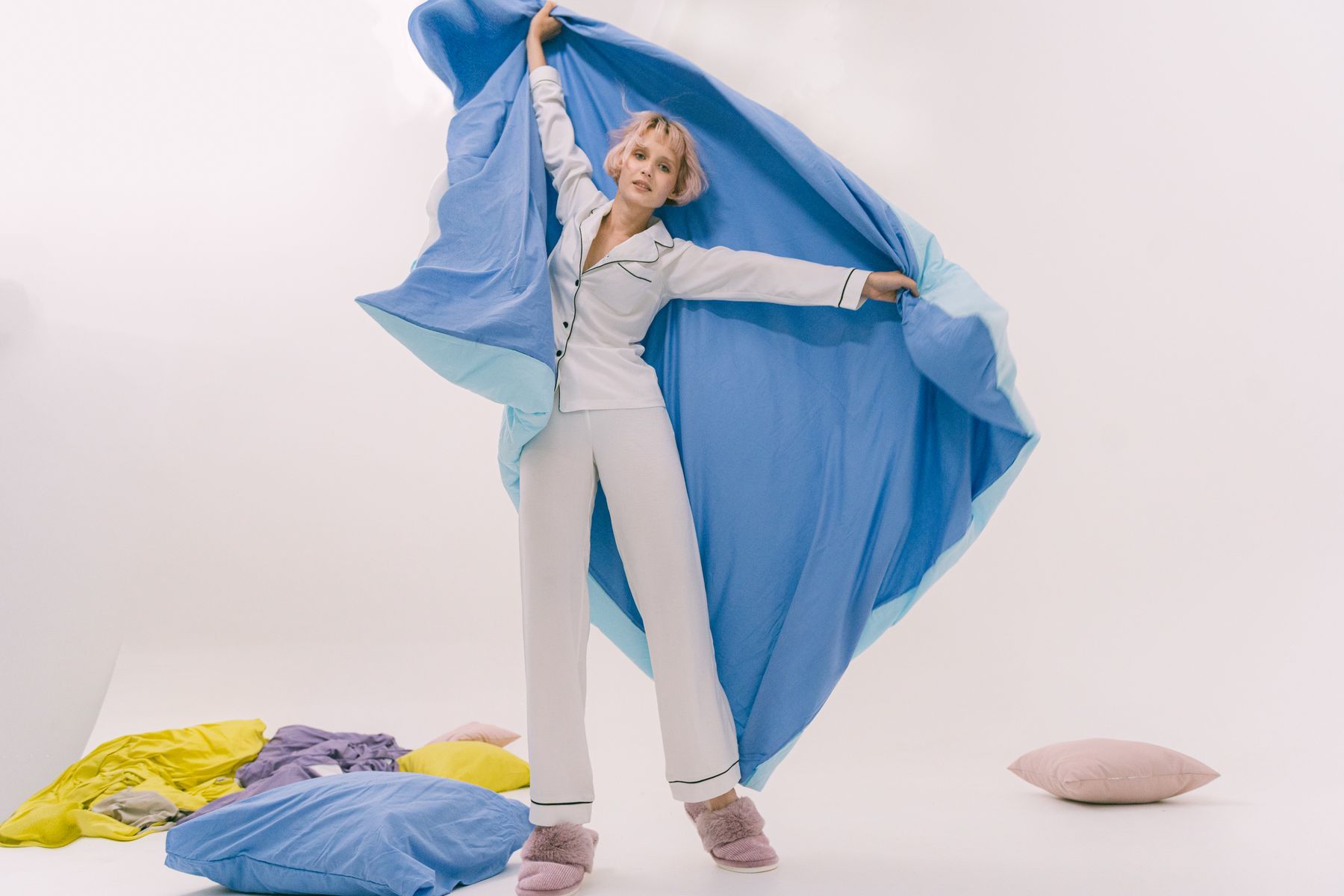
Pajamas look like easy garments. They are not particularly difficult, but they are specific: soft fabrics that move under the needle, generous fits where measurement tolerances behave differently than in tailoring, elastic waistbands, and a customer who judges the product primarily by how it feels.
A factory that makes excellent shirting is not automatically good at a modal lounge set. When you shortlist, look for sleepwear and soft-fabric knitwear in the portfolio, not just “apparel”. For lounge sets specifically, the knit-focused checks are in our guide to evaluating a loungewear manufacturer.
Manufacturer, trading company, or agent
All three can be legitimate. You just need to know which you are talking to.
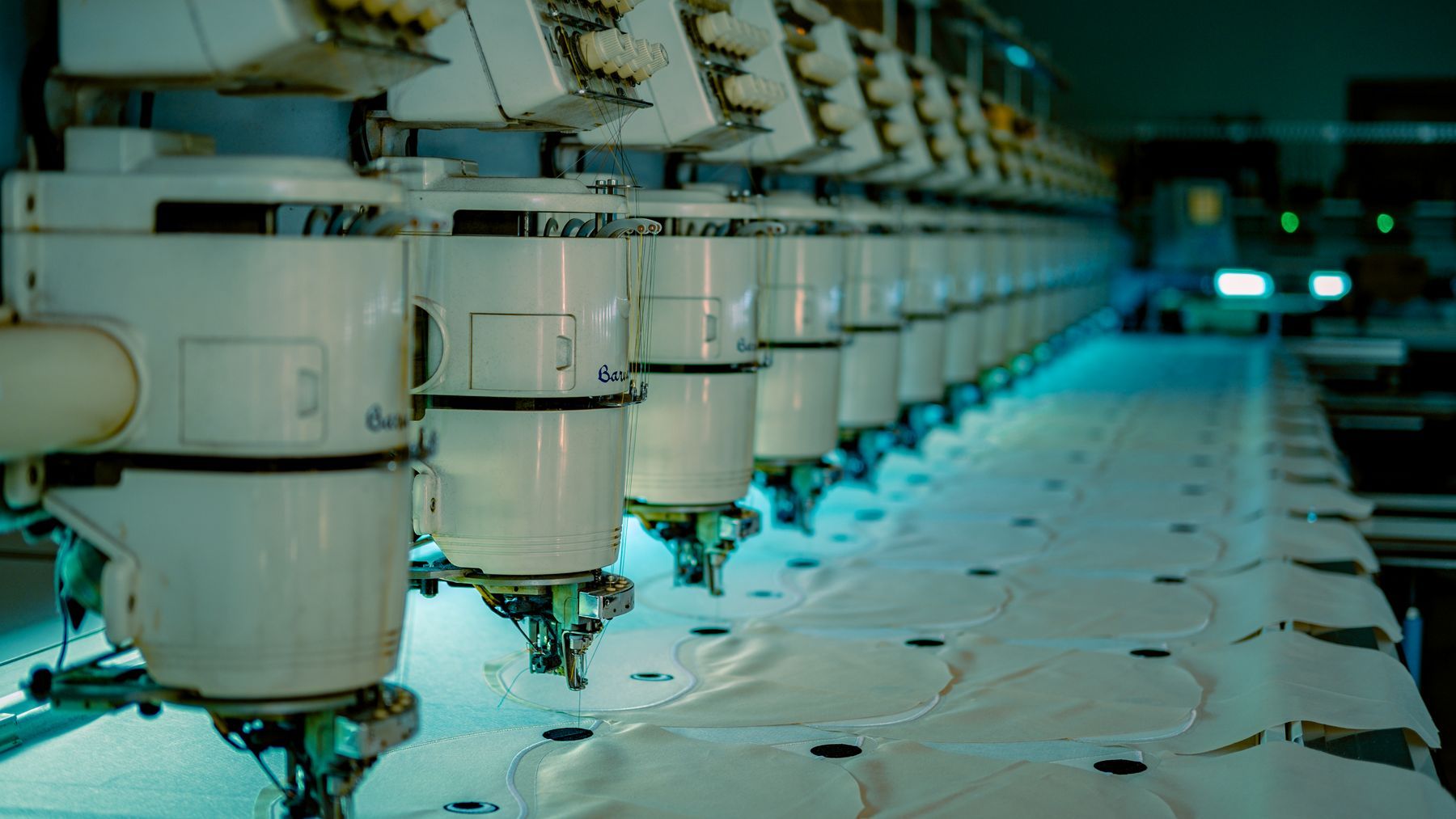
- A manufacturer owns the production line. You can ask about machinery, in-house capacity and which steps are subcontracted, and get concrete answers.
- A trading company places your order with factories. This can genuinely help if you have a mixed range no single factory covers — but you are one step removed from the people making your product.
- An agent represents you locally for a fee, and is worth it mainly when you are running several suppliers at once.
The straightforward way to find out: ask which production steps happen in their own facility and which are outsourced. An honest answer to that question tells you more than a factory tour video.
Where to look
- B2B marketplaces — the widest pool and the lowest signal. Useful for building a longlist, useless for judging quality.
- Trade shows — you can handle the product, which removes most of the guesswork in one afternoon.
- Referrals from non-competing brands — the highest-quality signal available. A brand in an adjacent category is usually willing to share.
- Reverse-engineering — find sleepwear you admire that is not a direct competitor and ask who makes it.
Whatever the source, the evaluation below is the same.
The questions that separate suppliers
Ask these early, and note how they are answered as much as what is said:
- What is your minimum, and what drives it? A supplier who says “it depends on fabric and colourway” understands their own business. See pajama MOQ explained.
- Which sleepwear fabrics do you work with regularly? You want specifics — weights, constructions — not a list of every fibre that exists.
- What does your sampling process look like? Compare the answer against how sampling works.
- What happens when bulk does not match the sealed sample? The answer to this is the single most useful thing you will learn.
- Who will I actually be talking to during production?
- What can you not do? A supplier who claims no limitations has either misunderstood the question or is not being straight with you. Every one of our manufacturing pages has a limitations section for exactly this reason.
Red flags
- A quotation arriving before anyone has asked about your fabric, quantity or construction
- Reluctance to produce a physical sample, or pressure to skip straight to bulk
- Photographs of products at a quality level the quoted price cannot support
- Certificates supplied as images with no issuing body or number to verify
- Vague answers about which steps are in-house
- No questions asked about your business — good factories qualify buyers too
Judge the sample, not the sales conversation
Everything before the sample is a hypothesis. Ask for a physical sample in your intended fabric, then evaluate it deliberately:
- Wash it exactly as your care label will instruct, then measure it again
- Check seam finish on the inside, where a rushed job shows first
- Look at how the elastic is set and whether the waistband twists after washing
- Compare colour under daylight and shop lighting, not on a screen
- Check opacity on a body form in the actual colourway
How to run a sample review covers the process from our side.
Run a paid trial before you commit a season
The most reliable selection method is also the least clever: place one small paid order with your top choice and see what actually arrives, how the communication holds up under pressure, and whether the shipment matches the sample.
That trial costs less than a season produced with the wrong partner, and it tells you things no amount of due diligence will.
What we would want from you
If you are considering us, the fastest route to a useful answer is a short brief: the styles, roughly what quantity, your fabric direction and your target market. We will tell you straight away whether your order fits how we work — including when it does not.
Send your requirements and we will come back with specifics.