Manufacturing
Private Label Pajama Manufacturing
Private label pajama manufacturing: sleepwear produced under your own brand, from sampling through retail-ready finishing, with the patterns and specs kept for repeat orders.
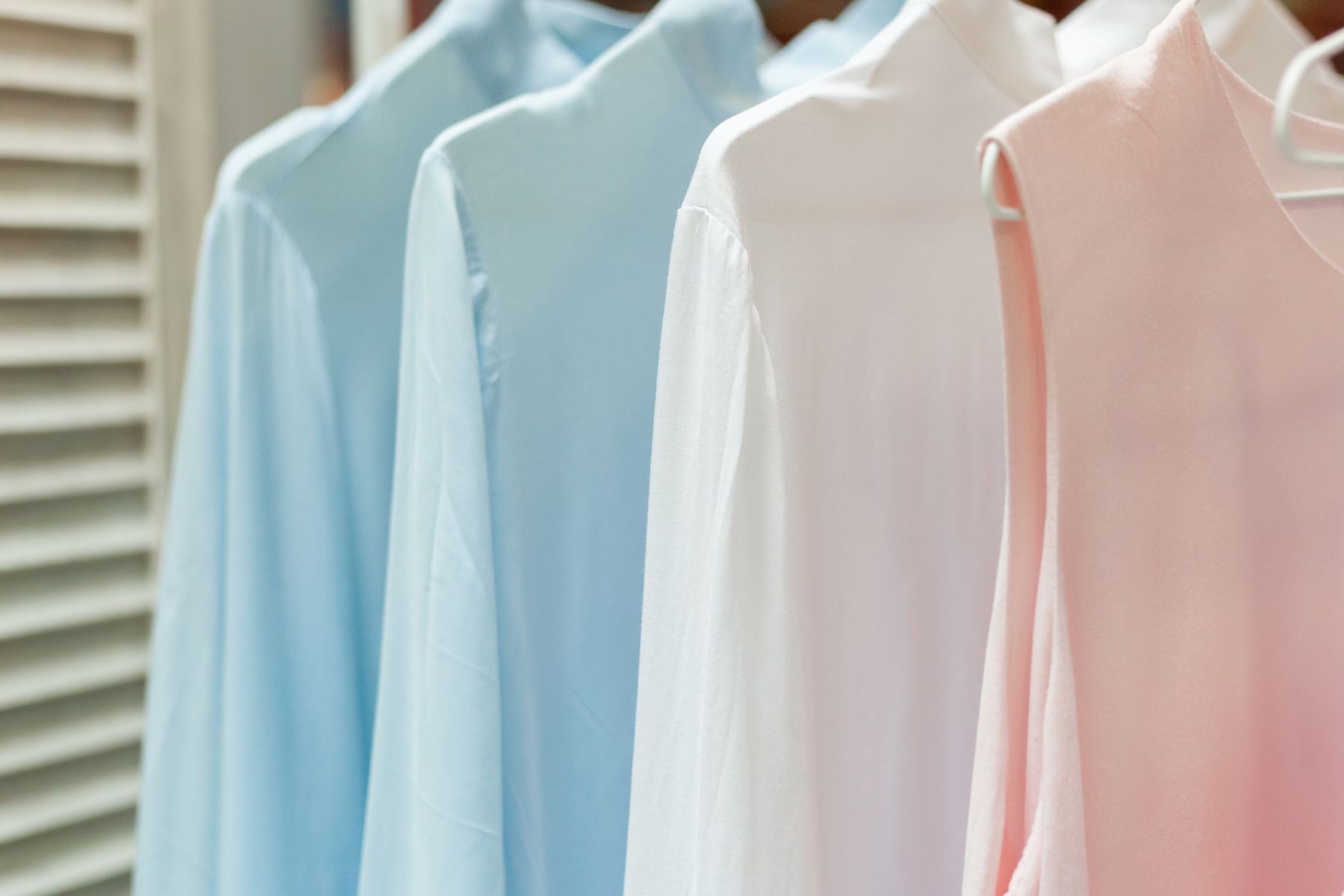
- Sleepwear produced under your brand, not a factory house brand
- One supplier from sampling to retail-ready packing, so nothing is re-handled
- Your approved pattern and sealed sample retained for repeat orders
Private label means the product is yours. Your brand is on the garment, you own the customer, and the factory sits behind you rather than beside you. What we supply is the manufacturing: development, fabric, production and retail-ready finishing, run as one programme so you are managing a collection rather than a series of separate suppliers.
What a private label programme actually includes
For most brands the useful mental model is that a private label order is one project with four cost centres, not one line item:
- Development — patterns, fit samples, fabric approvals. Happens once per style and is the reason a first order costs more per unit than a repeat.
- Materials — fabric, trims, labels, packaging. This is where most of the unit cost sits, and where a target price is either met or missed.
- Making — cutting, sewing, printing or embroidery, finishing. Driven by construction complexity, not by how the garment looks.
- Finishing and packing — labelling, folding, bagging, boxing. Cheap to do in line, expensive to do again in your own warehouse.
Splitting a quotation this way is also the fastest way to find out where a price you do not like is coming from. There is a longer breakdown in what pajama manufacturing actually costs.
Where private label sits relative to OEM/ODM
They answer different questions. OEM/ODM is about who designed the garment. Private label is about whose brand is on it. Most orders are both — your design or ours, your brand either way.
The distinction that matters more commercially is against white label: buying an existing catalogue product and adding your label. We do not work that way. Every private label order goes through sample development and fit approval first, because a garment you have not approved is a garment you cannot stand behind when a customer complains.
The first order and the repeat are different products
Development is a one-time cost. Once your pattern is proven and your sample is sealed, a repeat order skips straight to fabric and production — shorter, and priced differently.
This is worth planning for. Brands that treat the first order as a test and the second as the real launch tend to end up with a better product and a calmer schedule than brands that put their whole season into a first production run.
What we need from you, and when
The single most useful thing you can send early is your target price and target market, before styles are finalised. Fabric choice, construction and trim level all follow from it, and a range designed against a real price point survives contact with a quotation far better than one designed first and costed afterwards.
Branding artwork can come later, but not much later — labels and packaging carry their own approval and production time. The detail on trim types, constructions and care compliance is on Labels & Packaging.
If any part of the range carries artwork you do not own — a licensed character, a sports mark, a collaborator’s brand — say so at this stage rather than at artwork handover. A licence brings a second approver into every sampling round and usually adds licensed hang tags and notices to the trim list, and some agreements require the manufacturing site to be disclosed or pre-approved before production starts. Licensed character artwork for pajamas covers what the agreement needs to say and what to send with the artwork.
When Buyers Need This
Situations this service answers
If none of these describe your project, this probably is not the step you need — tell us what you are actually trying to solve.
- You are launching your own sleepwear brand and need product that arrives retail-ready
- You already sell other categories and are adding sleepwear under the same brand
- You are a retailer building an own-brand line alongside third-party stock
- Your current supplier ships unbranded goods and you are re-labelling in your own warehouse
Our Process
How this step runs
- 01
Range and route agreed
We look at the styles you want, whether you are bringing your own design or adapting a house style, and which fabrics realistically fit your price and quantity.
- 02
Development
Patterns, fit samples and fabric approvals run as one programme rather than style by style, so a whole range reaches sealed-sample stage together.
- 03
Branding built into the sample
Labels, tags and packaging go into the pre-production sample at the right placement — so what you seal is a finished retail unit, not a bare garment.
- 04
Bulk production and finishing
Cutting, sewing, printing, finishing, labelling and packing run in one factory, which is what keeps a retail-ready product from being re-handled twice.
- 05
Records kept for the repeat
Your approved pattern, sealed sample, graded measurements and trim specs are retained, so a reorder starts from a proven standard instead of a new development cycle.
What We Need From You
Inputs required
The faster these arrive, the fewer rounds development takes.
- The styles you want, with sketches, a tech pack or reference garments
- Your brand name and label artwork, or a decision to launch with standard trims and replace them later
- Target retail price or target cost, which is what determines realistic fabric choices
- Indicative quantities per style and colour
- The market(s) you will sell in, for care labelling
Options
Choices available
- Bring your own design (OEM) or adapt a proven house style (ODM)
- Full range programmes, or a single style tested before you commit further
- Retail-ready finishing, or bulk-packed goods you brand in your own warehouse
- Gift and presentation sets for seasonal or bridal programmes
- Repeat orders run from the retained sealed sample
Limitations
What this cannot do
Constraints stated up front are cheaper for both of us than constraints discovered in production.
- We do not sell an existing catalogue product with your label on it — every private label order goes through fit and sample approval first
- Very small quantities per colourway are limited by fabric minimums, not by sewing capacity
- Your first order takes longer than your repeats, because development happens once
- Brand-owner obligations — trademark, care labelling accuracy, product claims — remain yours; we implement what you specify
Quality
How it gets verified
- Everything in bulk is measured against your sealed sample, not against a description of it
- Branding placement is checked in line, so a mis-set label is caught on the first bundles
- Repeat orders are checked against the retained standard, not against the most recent shipment
- Defects are reported to you before shipping rather than found by your customers
In Production
What this looks like
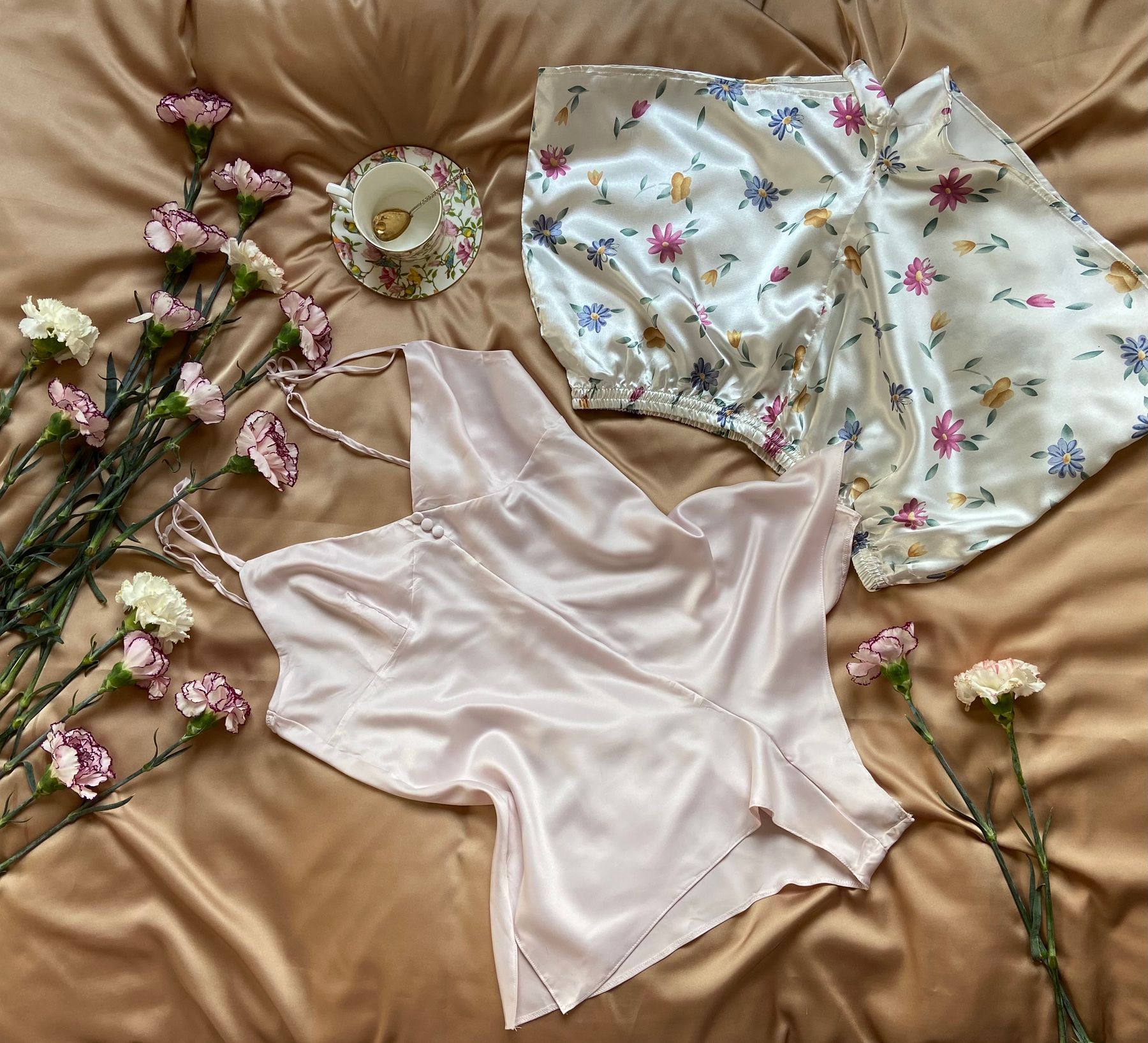
Sleepwear made to your design 
Finished to retail standard 
Presented under your brand
Step 1 of 10
Where this sits in production
Every order runs through the same sequence. Each step has its own page, its own approval, and its own way of going wrong.
- 01Private Label Pajamas
- 02OEM / ODM Pajama Manufacturing
- 03Sample Development
- 04Fabric Sourcing
- 05Pattern Making & Fit
- 06Size Grading
- 07Printing & Embroidery
- 08Labels & Packaging
- 09Bulk Production
- 10Quality Control
Start of the sequence
This is where a new programme begins.
After this →
OEM / ODM Pajama Manufacturing
OEM and ODM pajama manufacturing: produce to your tech pack and patterns, or start from existing house styles and adapt them to your brand.
Related Pajamas
Products this applies to
FAQ
Private Label Pajamas — common questions
Can you make custom labels and packaging?
Yes — woven or printed main labels, size and care labels, hang tags, polybags and custom boxes, produced to your artwork and confirmed together with your pajama sample.
Who owns the pattern developed for my product?
Ask us and we will put it in writing before development starts. Pattern ownership is a commercial term rather than a fixed rule, and it is better agreed at the outset than assumed. Your designs, tech packs and reference materials stay confidential to your project either way.
Need private label pajamas for your project?
Send your product requirements and we will come back with a plan for this step and a quotation for the whole order.
Related Reading
Guides on this topic
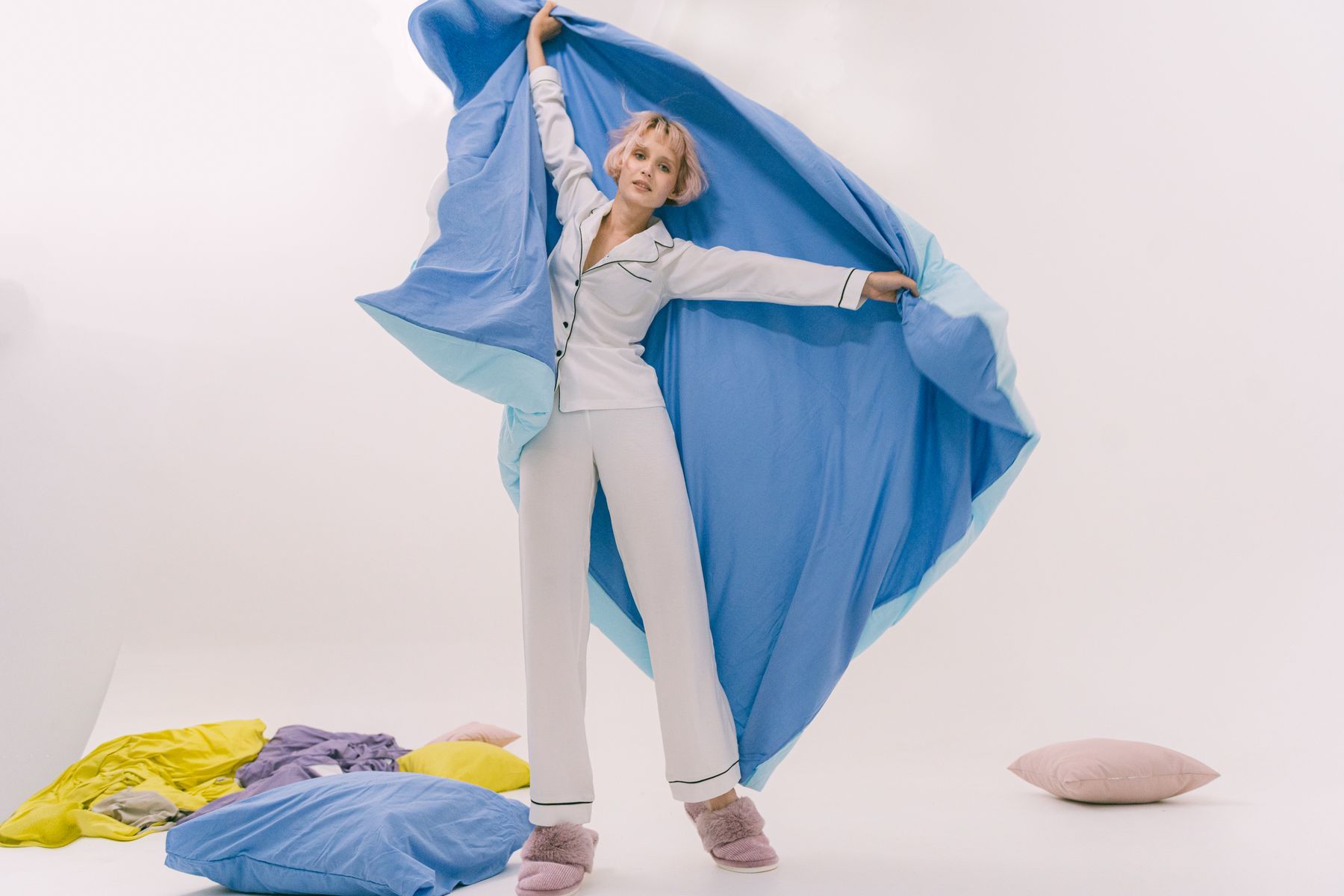
Starting a Pajama Brand
How to Start a Pajama Brand
What actually happens between having an idea for a sleepwear brand and receiving your first bulk order — the decisions, the sequence, and where new brands lose time.
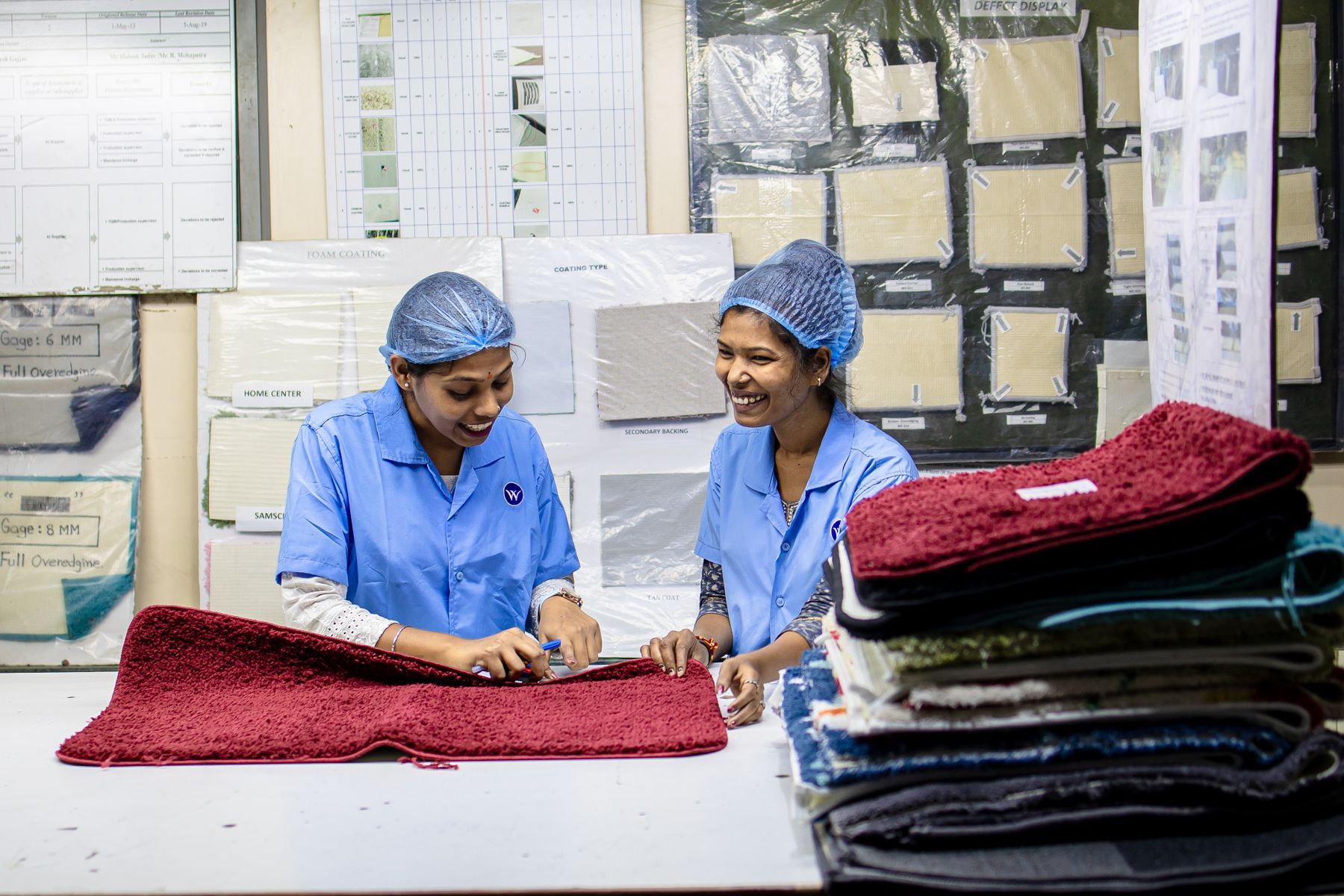
Starting a Pajama Brand
How to Find a Pajama Manufacturer
Where sleepwear factories actually are, how to tell a manufacturer from a trading company, the questions worth asking, and how to run a paid trial before you commit a season.
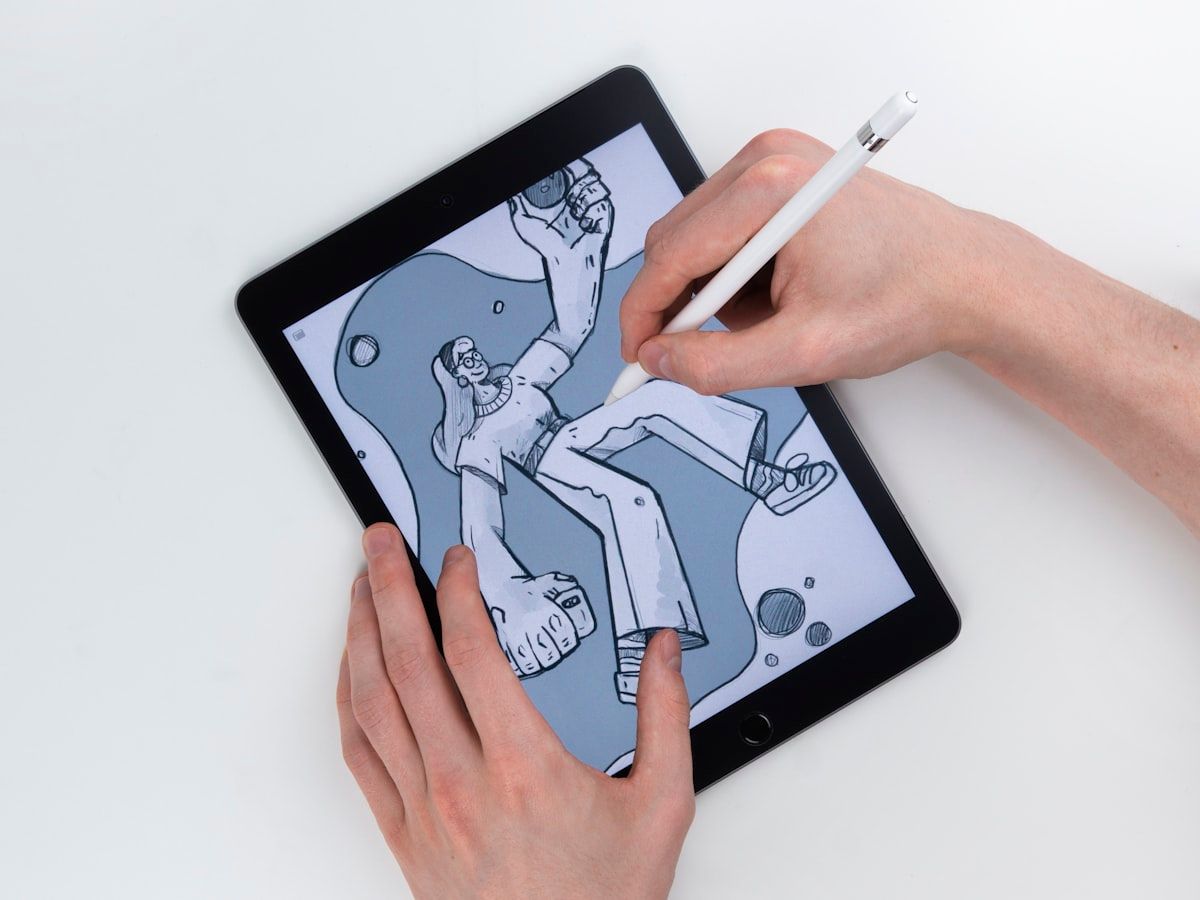
Buyer Guides
Licensed Character Artwork for Pajamas: What Brands Need Before Production
What a factory needs before it can print a licensed character on pajamas: written permission that names sleepwear, a complete artwork package, and the licensor approval points that gate every sample.
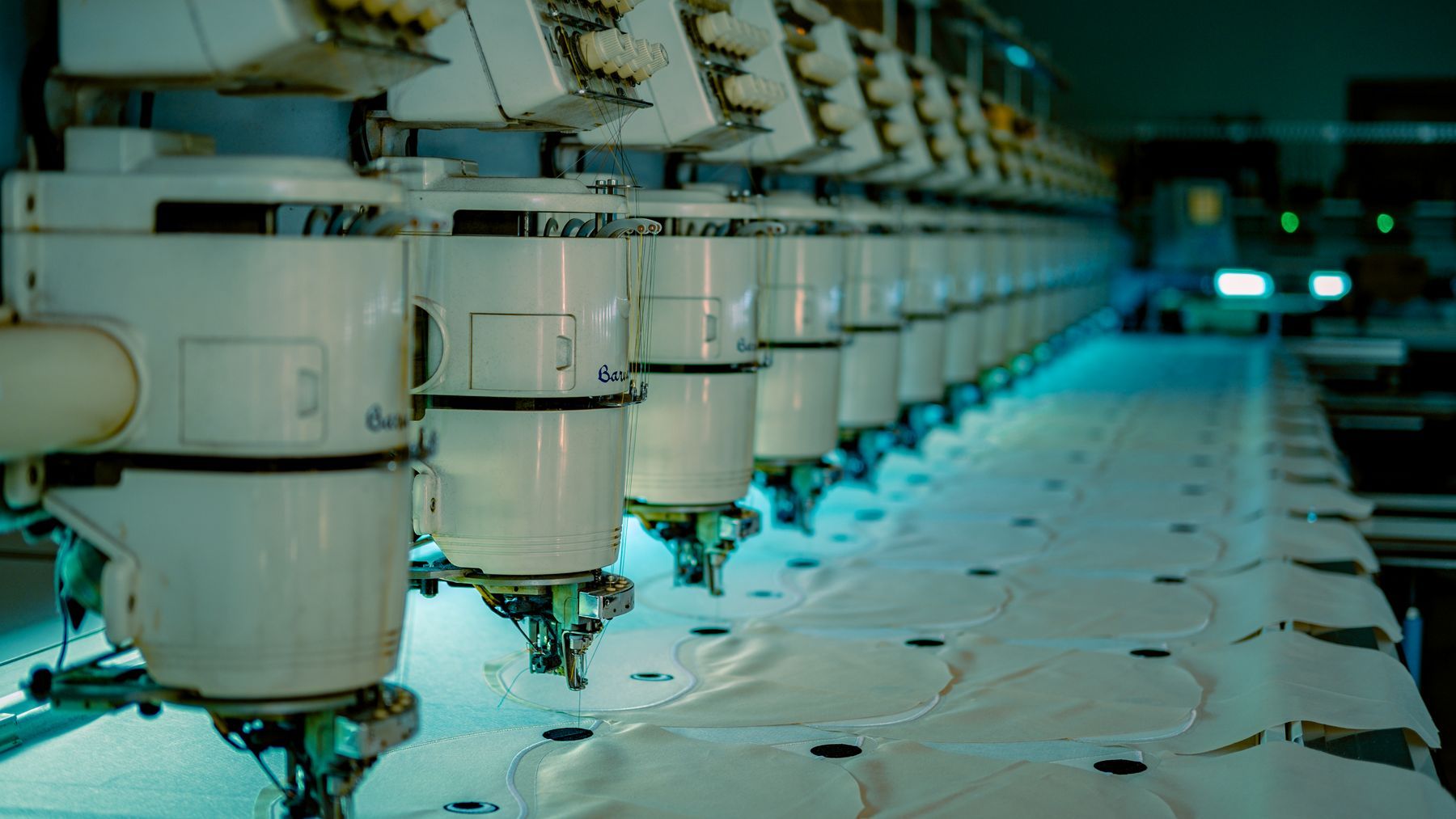
Starting a Pajama Brand
What Pajama Manufacturing Actually Costs
The four things a pajama quotation is really made of, why two factories quote differently for the same tech pack, and the decisions that move your unit cost the most.