Manufacturing
Pajama Quality Control
Pajama quality control: fabric inspection before cutting, in-line sewing checks, measurement checks against the sealed sample and final inspection before packing.
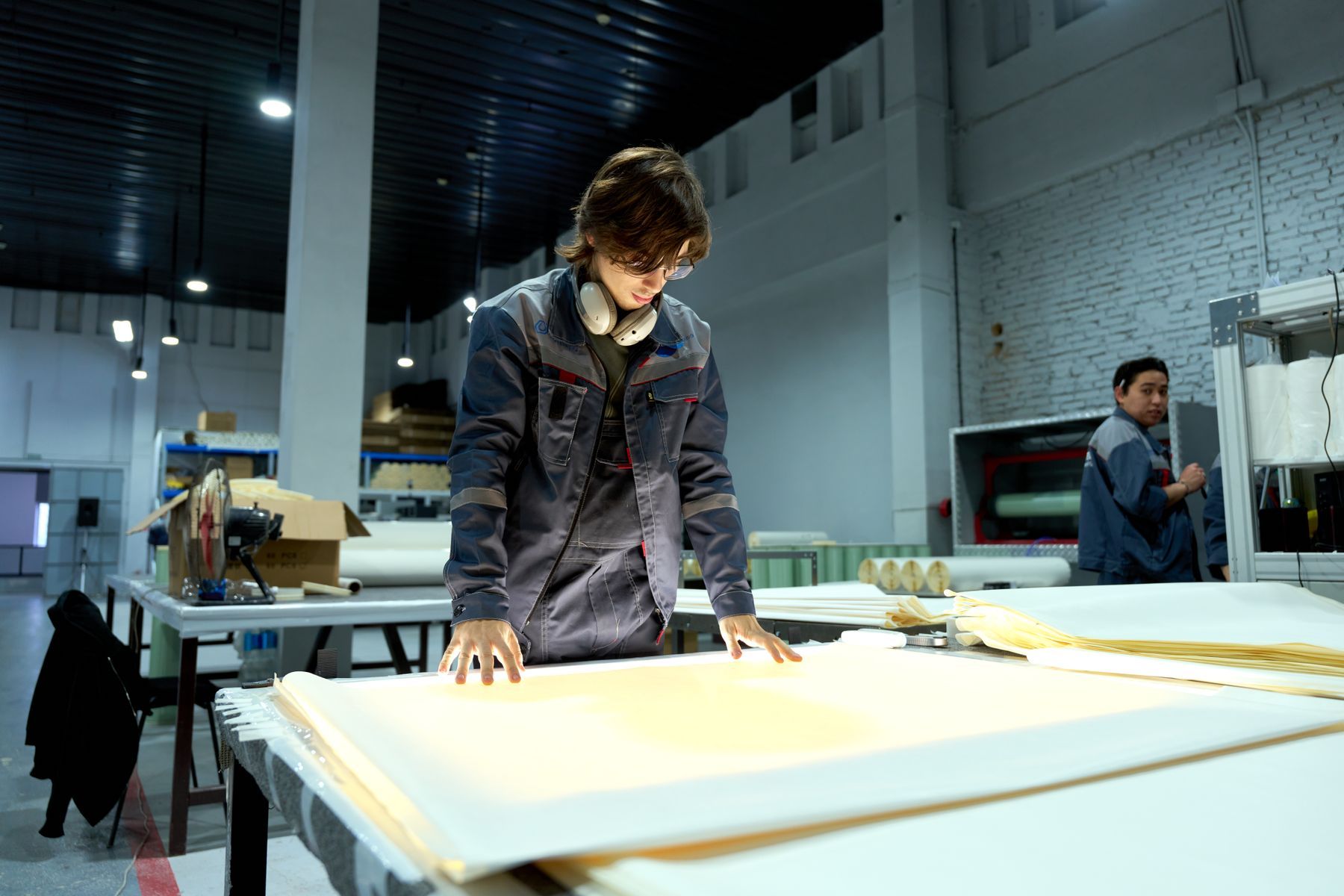
- Fabric inspected before cutting
- In-line checks during sewing, not only at the end
- Measurements checked against your approved size chart
- Final random inspection before packing
Quality control runs through production rather than sitting at the end of it. A final inspection can only tell you what went wrong; in-line checks are what stop it going wrong across the whole order.
The practical version of this: fabric is inspected before cutting, construction is checked while the line runs, garments are measured against your approved size chart, and a random sample of packed goods is opened before shipment.
Everything is measured against the sealed sample
The physical pre-production sample you approved is the standard. Not a description of it, not a photograph of it — the garment itself, kept and referred to.
This matters because most quality disputes are actually specification disputes. When there is a sealed sample, “the collar is wrong” becomes a comparison anyone can make in thirty seconds.
Tolerances need a number
A check can only enforce what has been defined. If your size chart says a 40 cm chest and does not say what deviation is acceptable, then a 40.8 cm garment is neither pass nor fail — it is an argument.
Send tolerances with your size chart. If you do not have them, we will propose a set and you can adjust them. Either way they get agreed before production rather than during a dispute.
What we will tell you
If something is not right and cannot be fully corrected, you will hear about it before shipment, with what we found and what we propose. A problem reported early is a decision you get to make; the same problem discovered in your warehouse is a cost you did not choose.
Quality control depends on what came before it — sample development sets the standard, fabric sourcing determines what arrives at the cutting table, and grading determines whether the measurements are achievable across the size range.
When Buyers Need This
Situations this service answers
If none of these describe your project, this probably is not the step you need — tell us what you are actually trying to solve.
- Every order — quality control is not an add-on service
- You have had a previous supplier deliver goods that did not match the sample
- Your product has a construction detail that fails expensively if it drifts
- You need documented evidence before releasing payment or shipment
Our Process
How this step runs
- 01
Fabric inspection
Incoming fabric checked for weight, width, shade consistency and visible faults. Problems found here cost fabric; found later they cost finished garments.
- 02
Cutting check
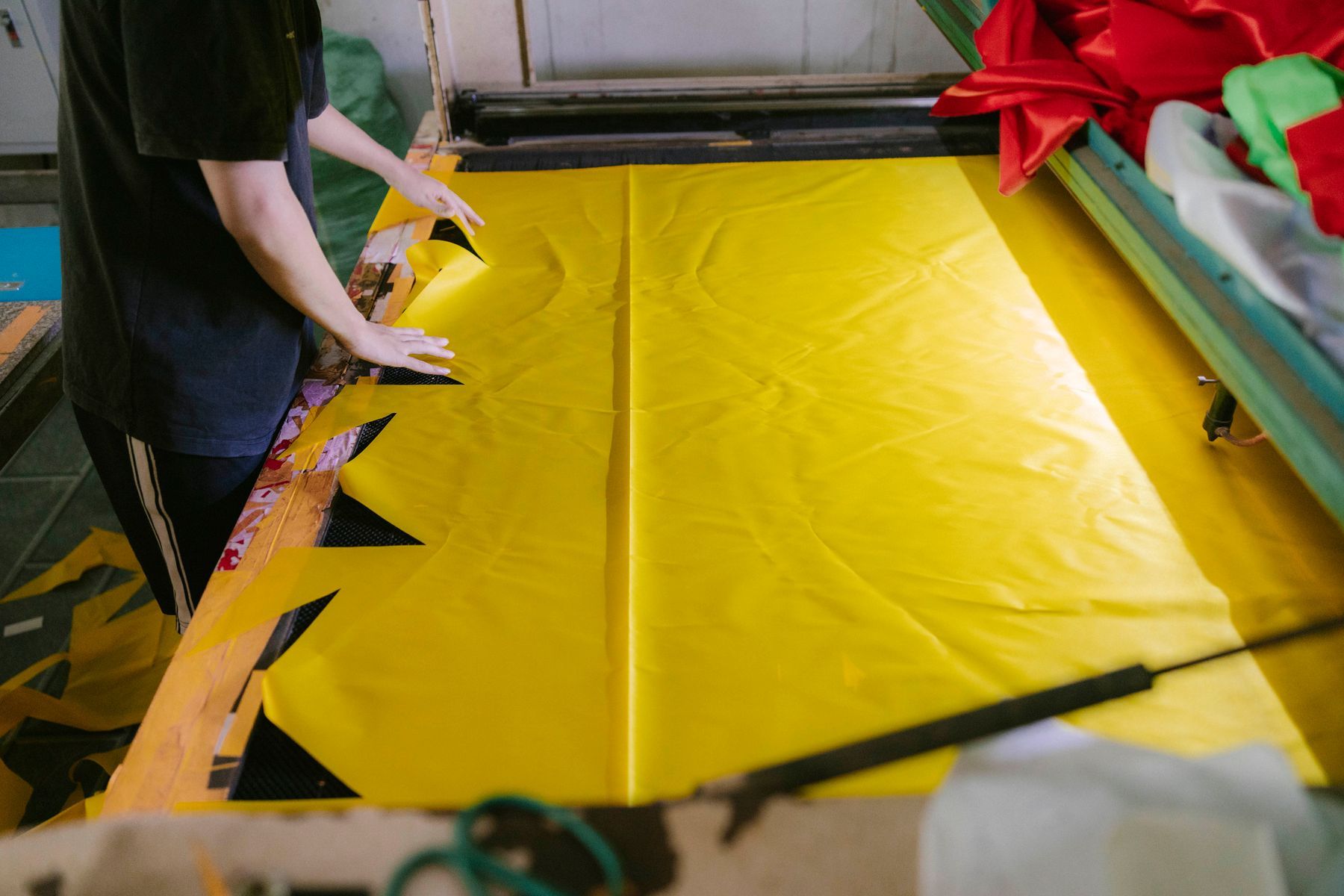
Pattern pieces, marker and — for checks and stripes — pattern matching verified before the bulk is cut.
- 03
In-line checks
Construction checked while the line is running: collar and placket build, waistband, seam type, stitch density. Faults are corrected on the line rather than sorted afterwards.
- 04
Measurement checks
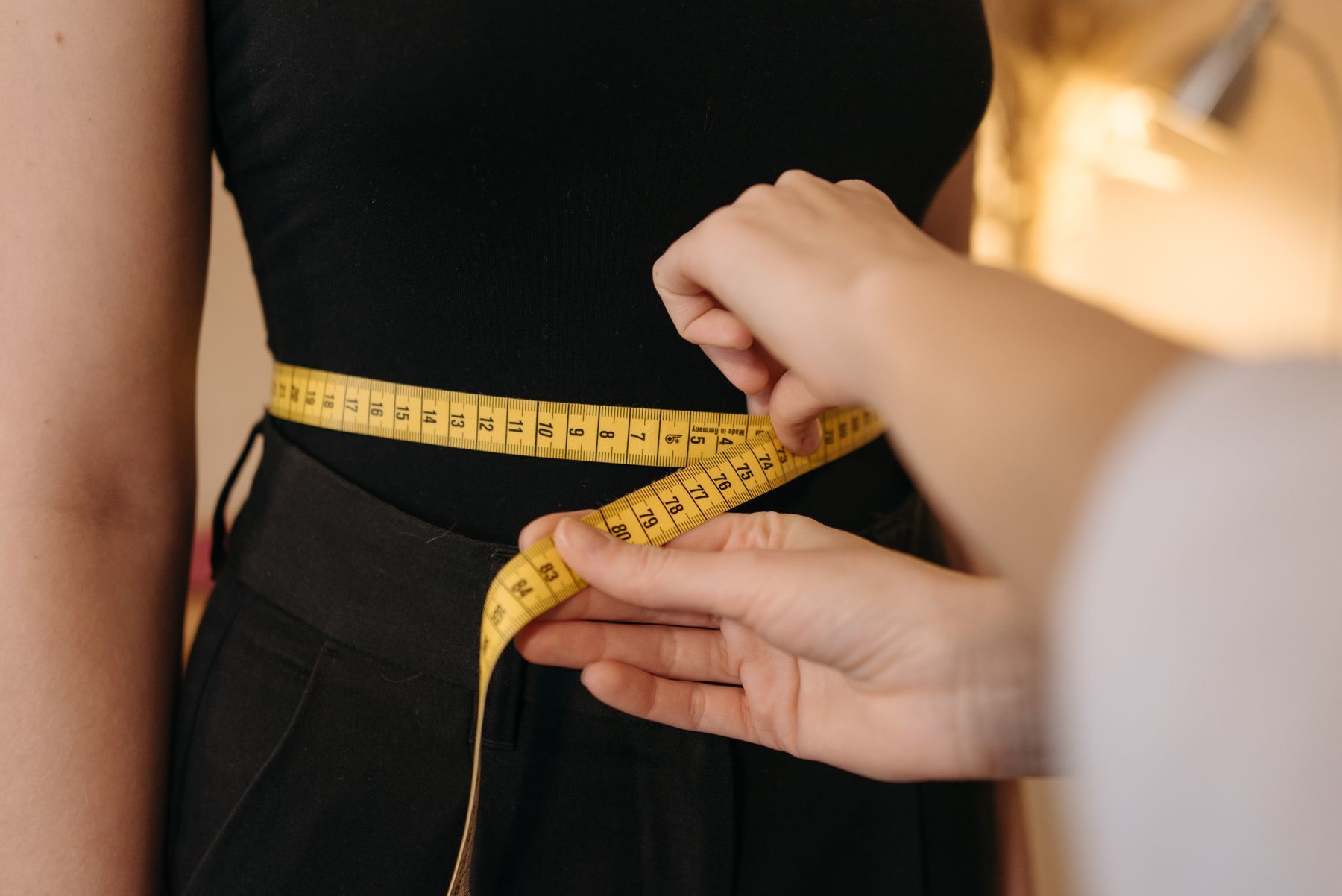
Finished garments measured against the approved size chart, size by size, against the sealed sample as reference.
- 05
Trim and label verification
Label placement, care label content and hang tag attachment compared against the approved pre-production sample.
- 06
Final random inspection
A random sample of packed goods is opened and inspected before shipment, covering appearance, measurement, trims and packing.
What We Need From You
Inputs required
The faster these arrive, the fewer rounds development takes.
- An approved, sealed pre-production sample
- Your size chart with the tolerances you accept
- Any defect classification you work to, if you have one
- Confirmation of which details are critical to you and which are cosmetic
Options
Choices available
- Standard in-line and final inspection as part of production
- Additional measurement reporting per size
- Photographic evidence at defined production stages
- Third-party inspection you arrange, which we accommodate
Limitations
What this cannot do
Constraints stated up front are cheaper for both of us than constraints discovered in production.
- Inspection is sampling-based, not 100% of units, unless specifically agreed
- Tolerances have to be defined to be enforced — "should look right" is not a check
- Natural fibre shade variation between lots is managed and reduced, not eliminated
- We will report a problem we cannot fully solve rather than ship it quietly
Quality
How it gets verified
- The sealed sample is the reference, not a written description of it
- Faults are corrected on the line where possible, because sorting finished goods is worse for everyone
- Measurement is recorded rather than judged by eye
- Defects found at final inspection are traced back to the stage that produced them
In Production
What this looks like
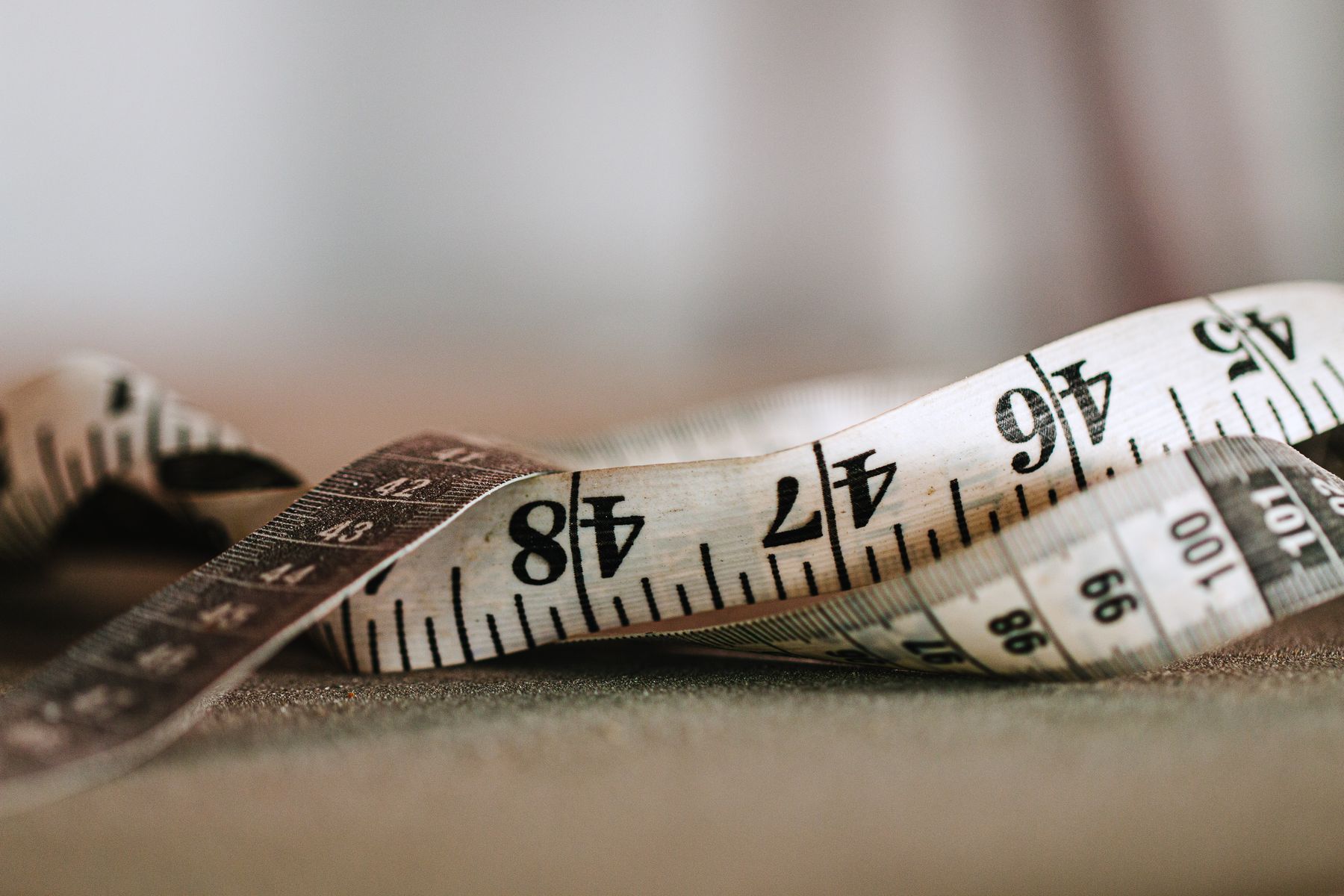
Measured against the approved chart 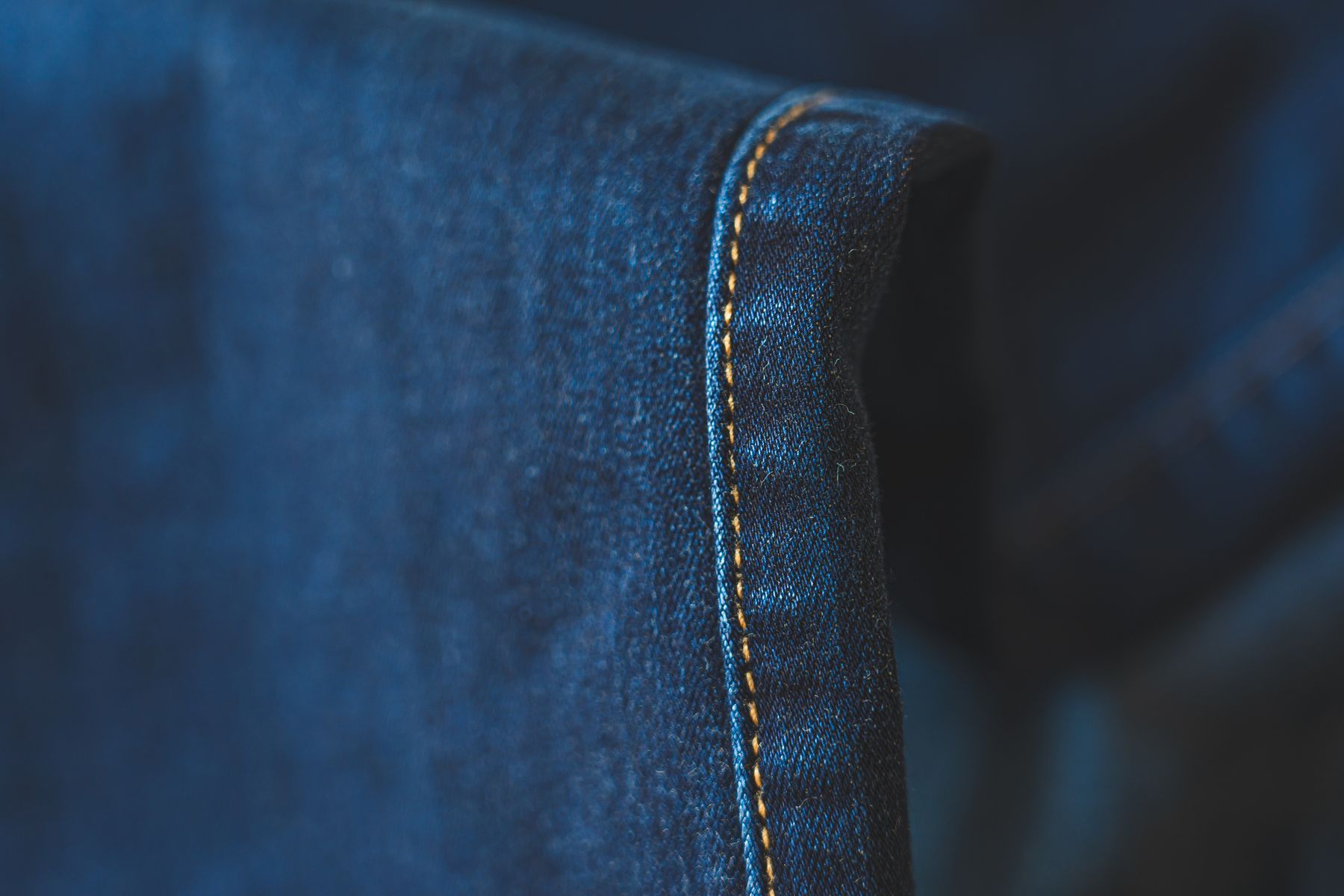
Seam and stitch checks 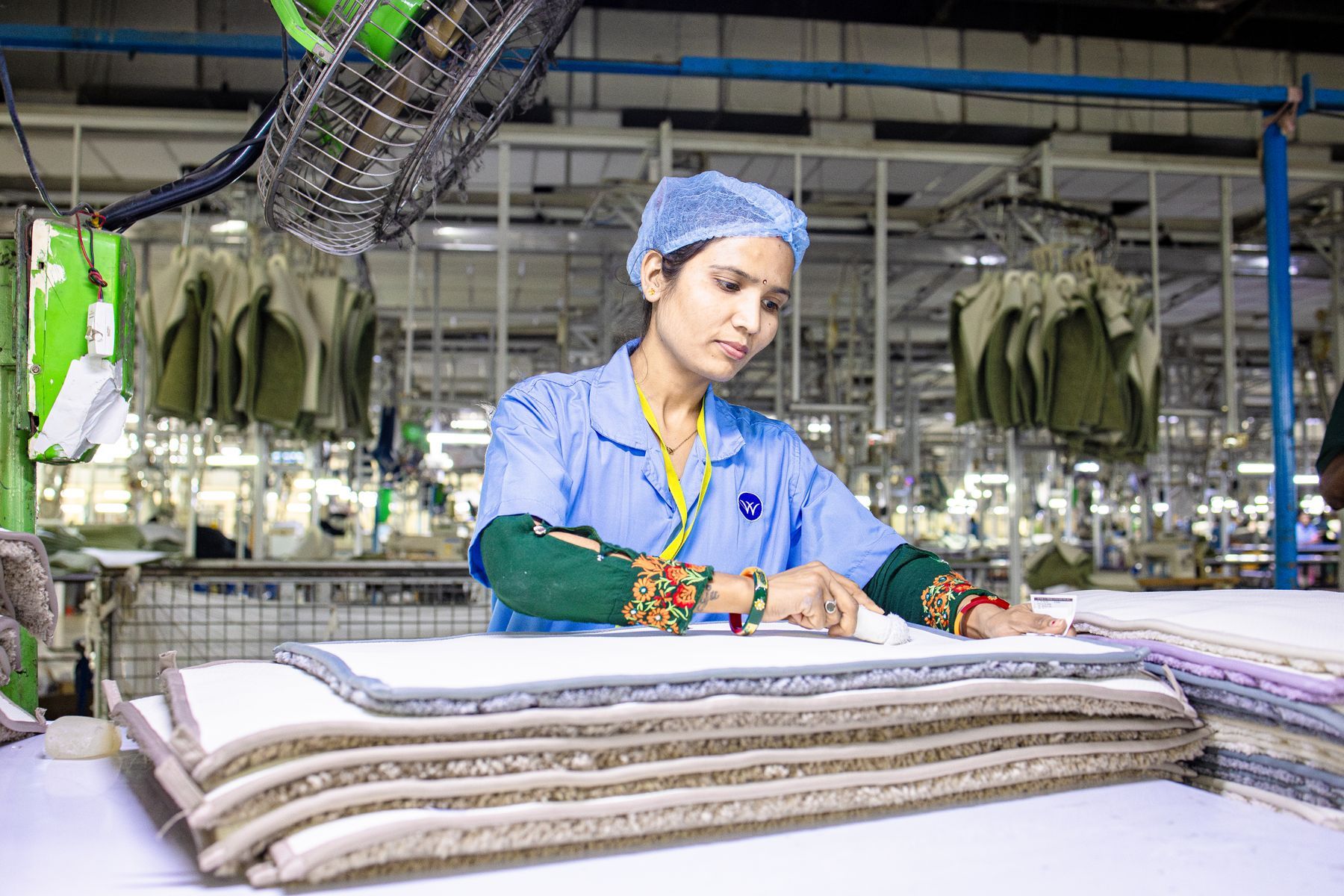
Final check before packing
Step 10 of 10
Where this sits in production
Every order runs through the same sequence. Each step has its own page, its own approval, and its own way of going wrong.
Related Pajamas
Products this applies to
FAQ
Quality Control — common questions
What is your pajama MOQ?
MOQ starts from 100 pcs per design in stock fabrics (cotton, modal, satin, jersey, flannel, viscose). Custom-dyed, custom-printed or custom-woven fabrics raise the minimum because the mill minimum applies; we confirm the exact figure for your style in the quotation.
Will my fit sample be washed before I approve it?
Yes — we launder fit samples before sending them. Cotton shrinks, knits relax and viscose can distort, so a sample approved unwashed is not the garment your customer receives. Approving fit on a washed sample removes the most common cause of bulk fit complaints.
How long does bulk production take?
Bulk production usually takes about 25–30 days after sample approval. Larger quantities, custom-dyed fabric or peak-season scheduling can extend it; we confirm the delivery timeline in your quotation and update you through the order cycle.
What quality checks happen during production?
Fabric is inspected before cutting, construction is checked in line while the order is running, finished garments are measured against your approved size chart, and a random sample of packed goods is inspected before shipment. Everything is compared against the sealed pre-production sample rather than a written description of it.
Need quality control for your project?
Send your product requirements and we will come back with a plan for this step and a quotation for the whole order.
Related Reading
Guides on this topic
Manufacturing
How Pajama Sampling Works
What happens between sending a reference garment and approving a production sample — the sample types, what each one is for, and how to write fit comments that actually work.
Quality Control
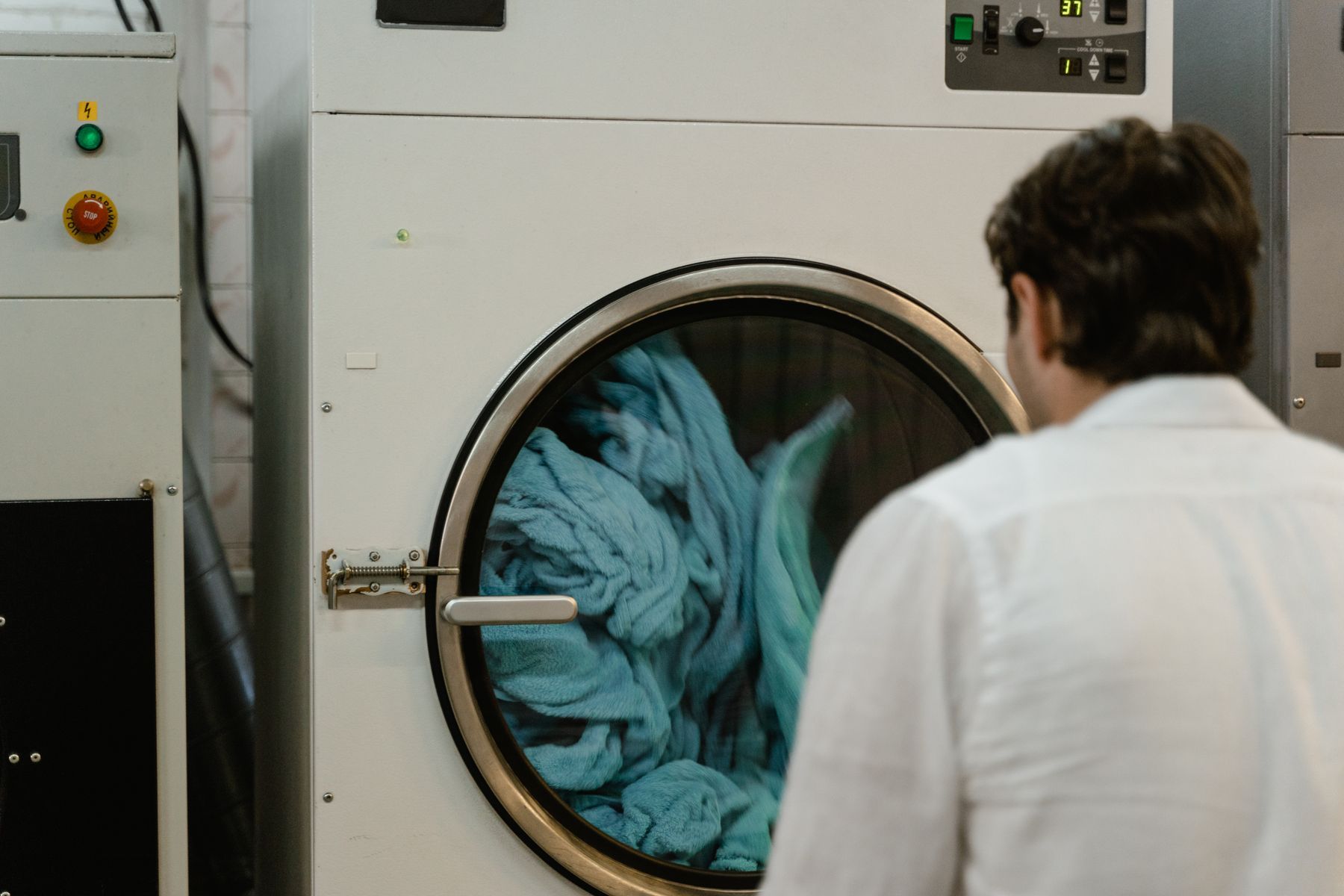
Why Pajamas Shrink After Washing
The four different things people call shrinkage, why knits and wovens behave differently, and the one approval habit that prevents most sizing complaints in sleepwear.
Manufacturing
How Pajamas Are Manufactured
The full route from approved design to packed carton — fabric, cutting, sewing, decoration, finishing and inspection — and which stage decides what about the finished garment.