Fabrics
Cotton vs Modal Pajamas — Which Fabric for Which Style
A practical comparison of cotton and modal for sleepwear: hand feel, drape, shrinkage, printing, cost and which pajama styles each fabric actually suits.
By PajamaWorks Team, Sleepwear production team, Dongguan Hualingniao Apparel · · Updated
Cotton and modal are the two fabrics most sleepwear brands end up choosing between. They are both comfortable, both breathable, both widely available — and they produce noticeably different products.
This is the comparison from a production point of view rather than a marketing one.
The one-line difference
Cotton feels like a well-made shirt. Modal feels like something you do not want to take off.
That is not a value judgement. It is a description of two different silhouettes: cotton holds the shape you cut, modal falls onto the body.
Side by side
| Cotton | Modal | |
|---|---|---|
| Fibre | Natural cellulose | Regenerated cellulose (rayon family) |
| Usual construction for sleepwear | Woven or knit | Almost always knit |
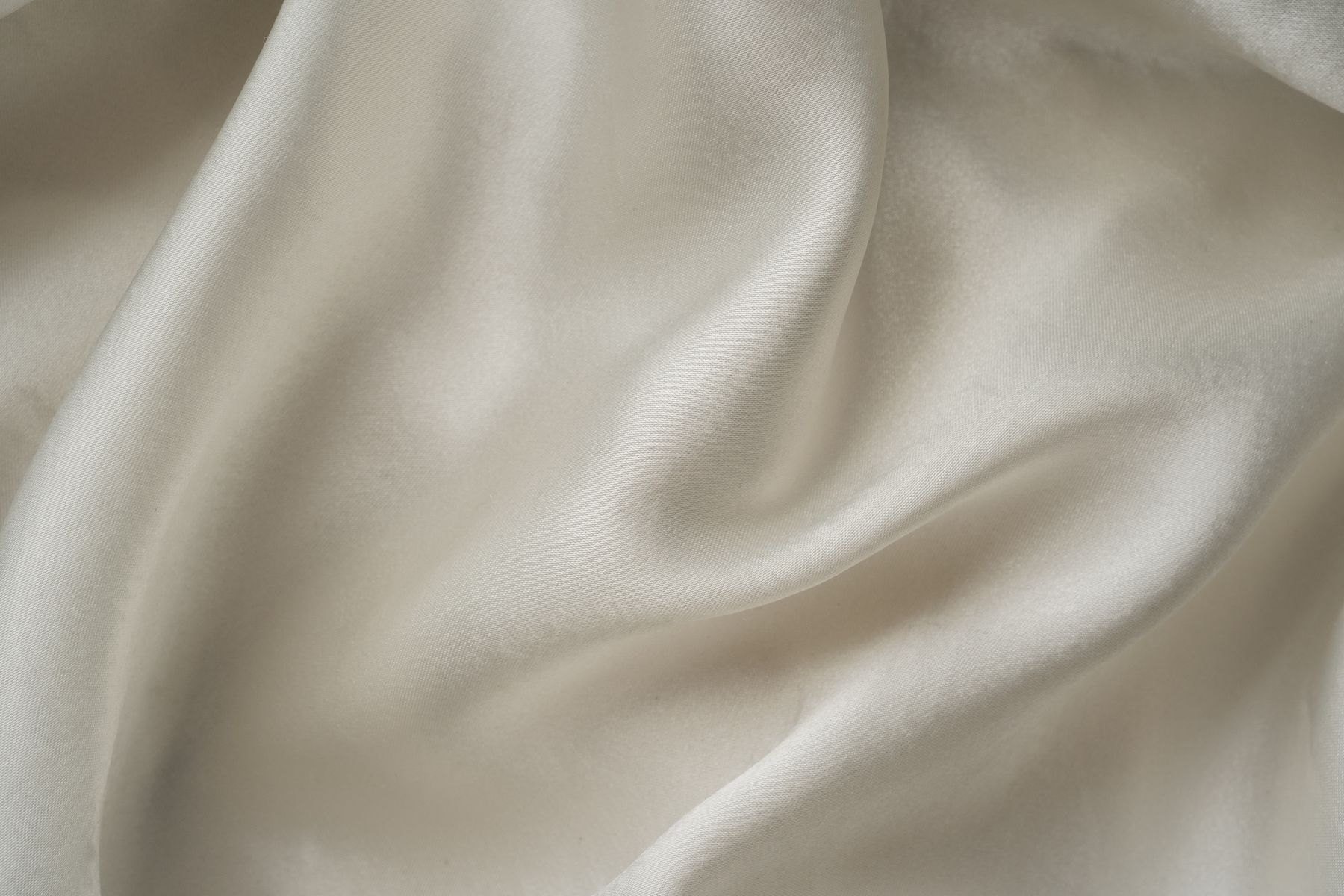
| Hand feel | Dry, matte, softens with washing | Silky, smooth, cool to touch |
| Drape | Structured — holds a shape | Fluid — follows the body |
| Breathability | High | Good, with a cool initial touch |
| Colour retention | Good | Very good, deep and stable |
| Shrinkage risk | Real, controlled by pre-shrinking | Length relaxation in knits |
| Relative cost | Lower | Higher |
| Sewing difficulty | Straightforward | Slower — stretchy and slippery |
Where each one wins
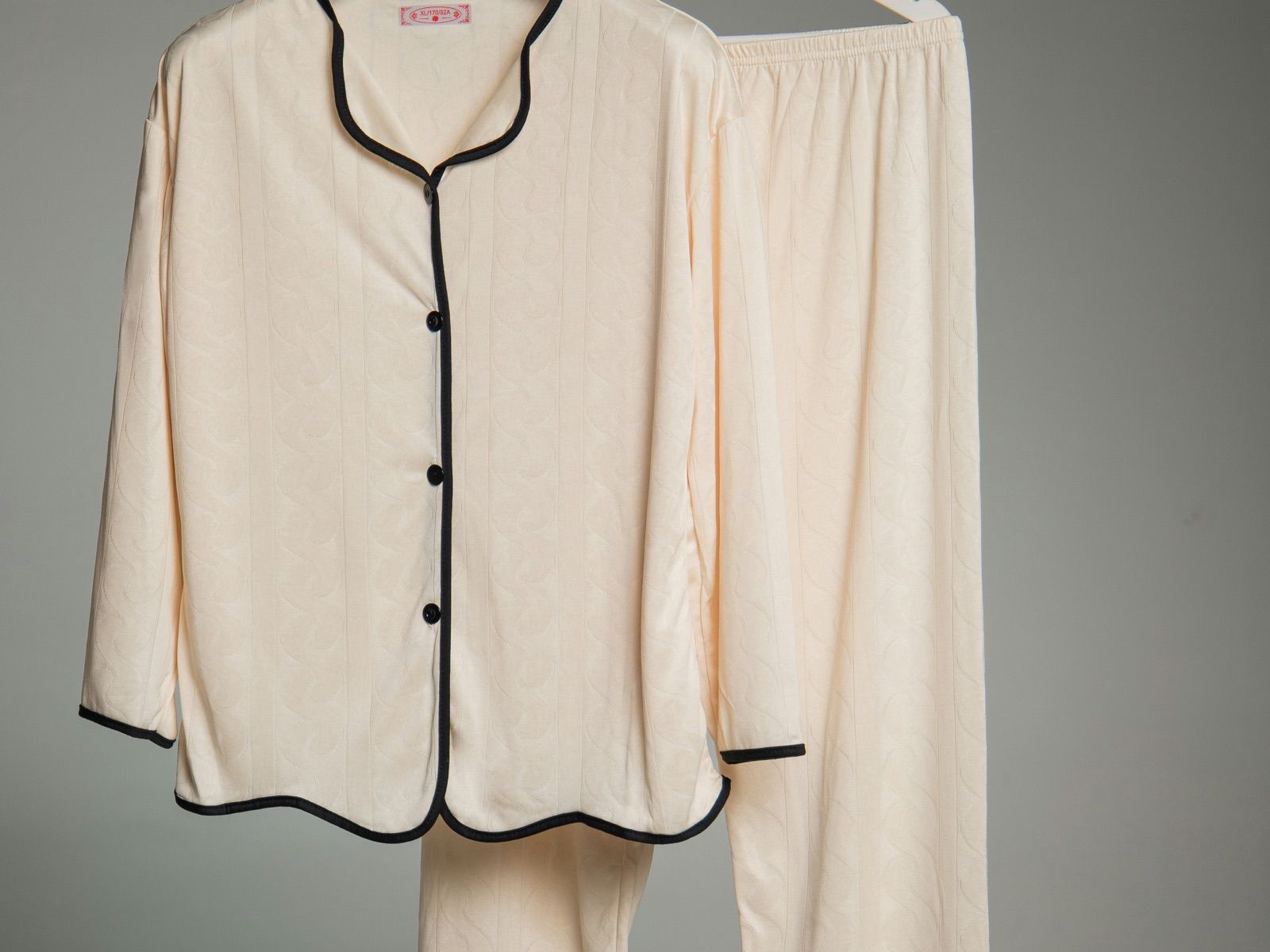
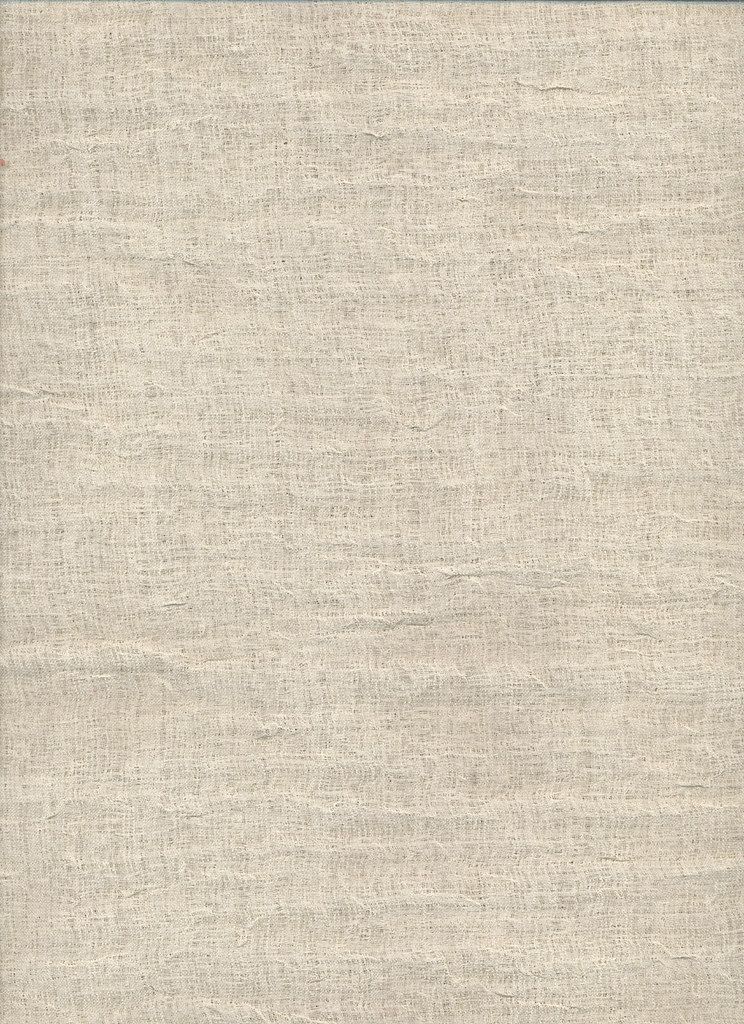
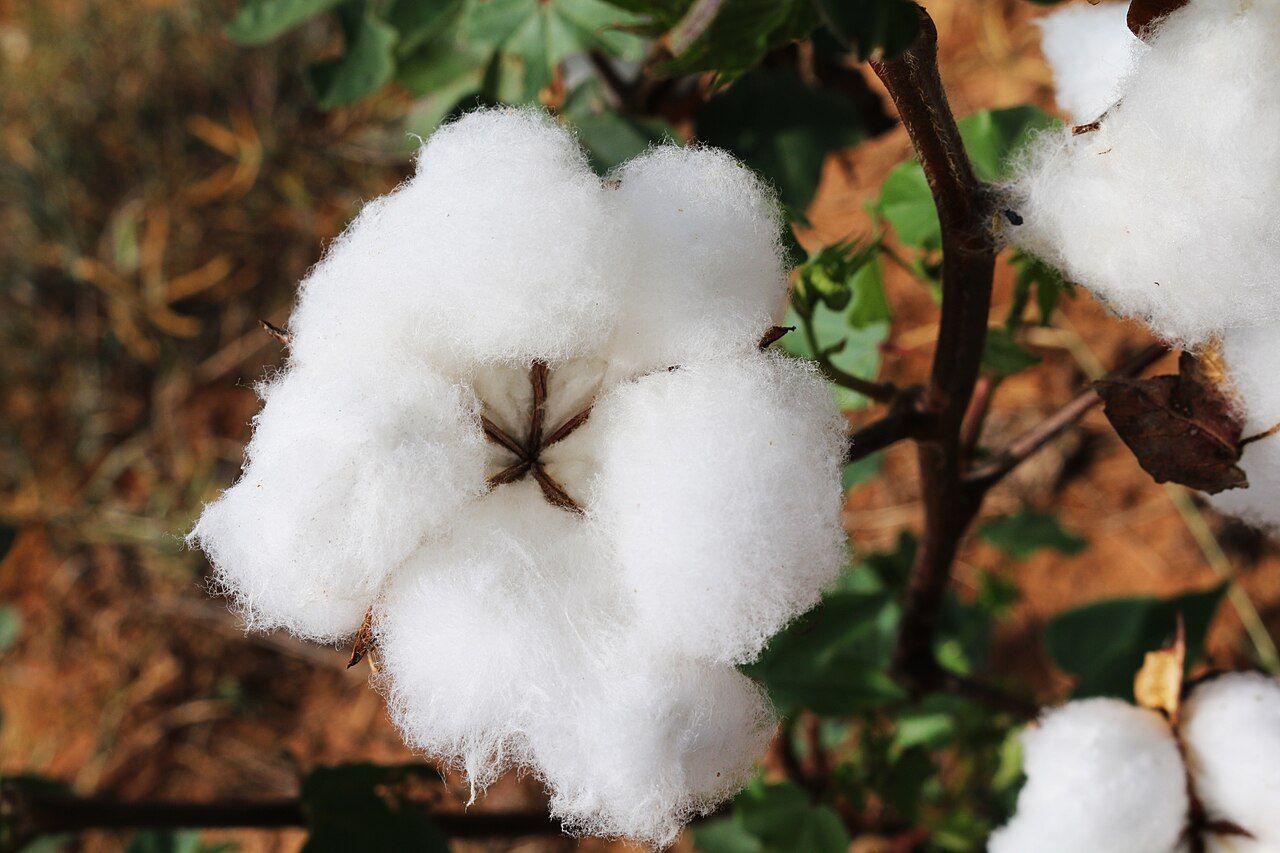
Choose cotton when the product needs structure. A notch-collar button-up set, a men’s woven pyjama, a crisp classic silhouette. Cotton gives you a real collar, a defined placket and a garment that reads as tailored. It is also the easier fabric to explain to a customer — everybody already knows how to wash it.
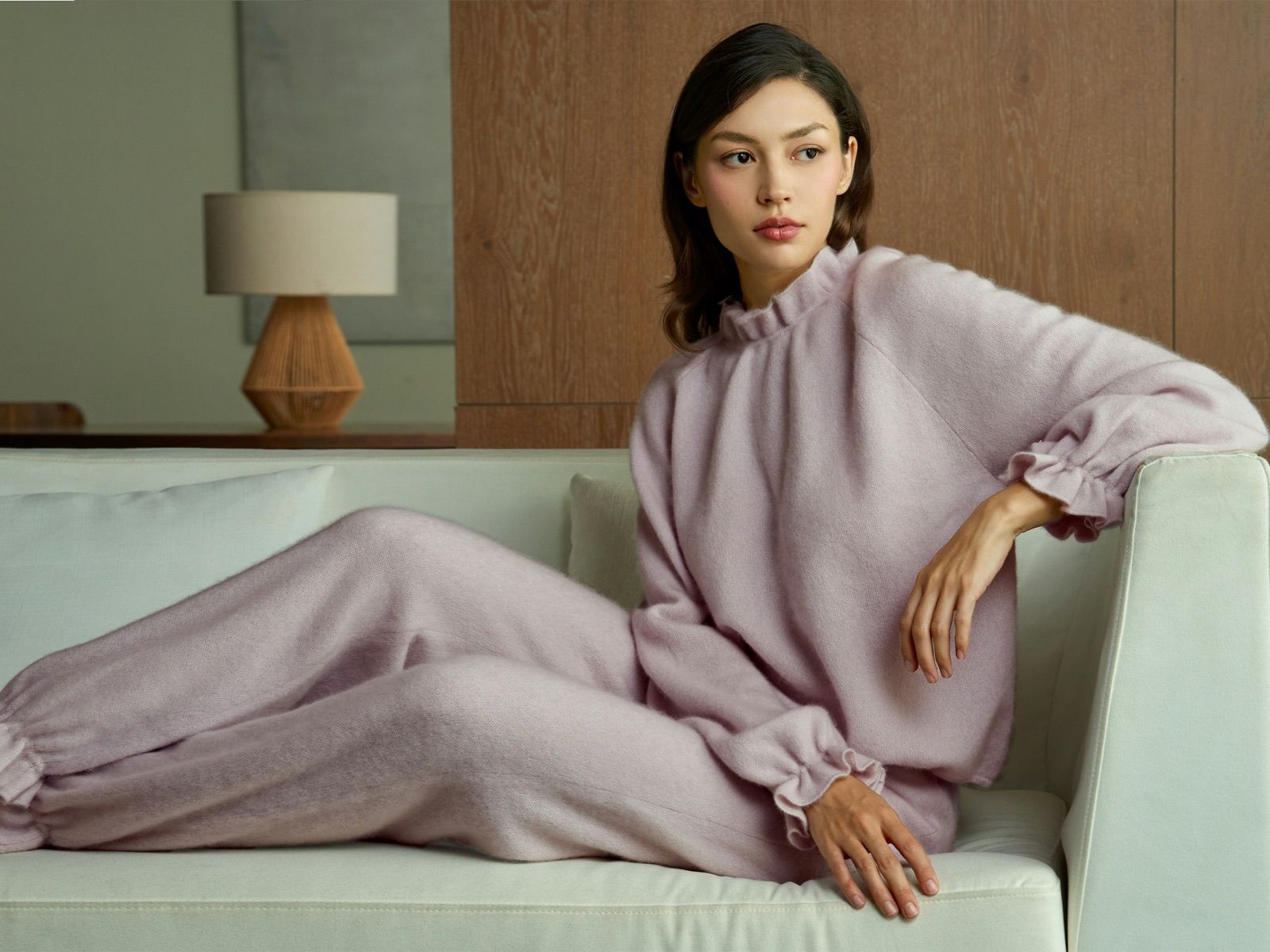
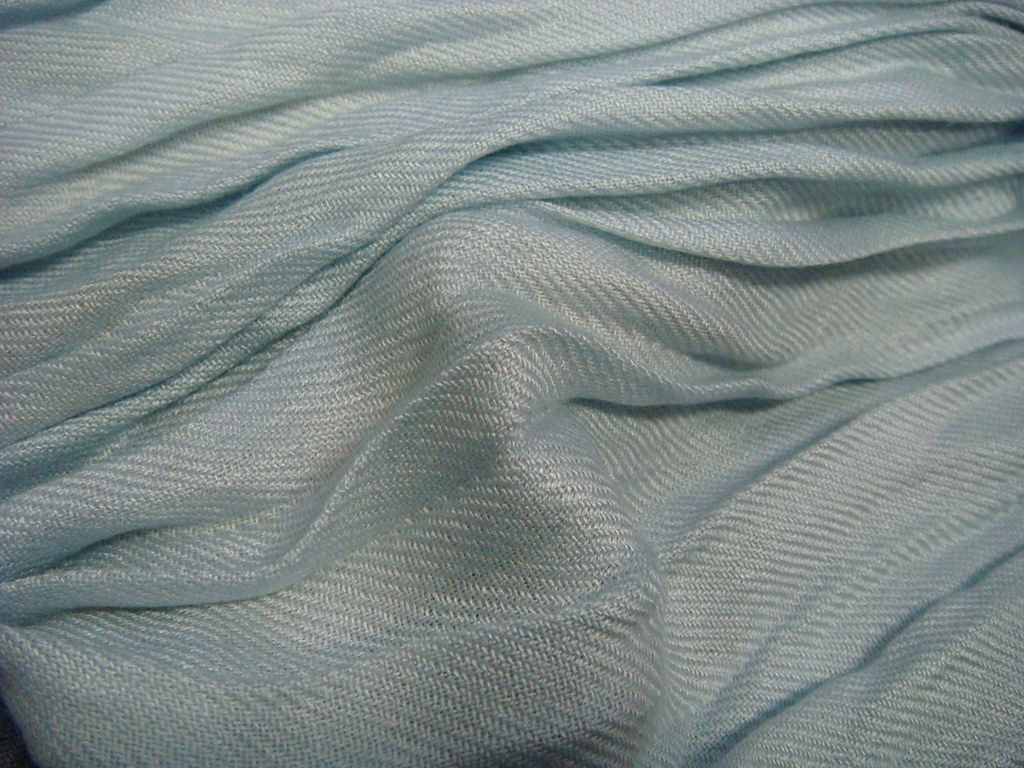
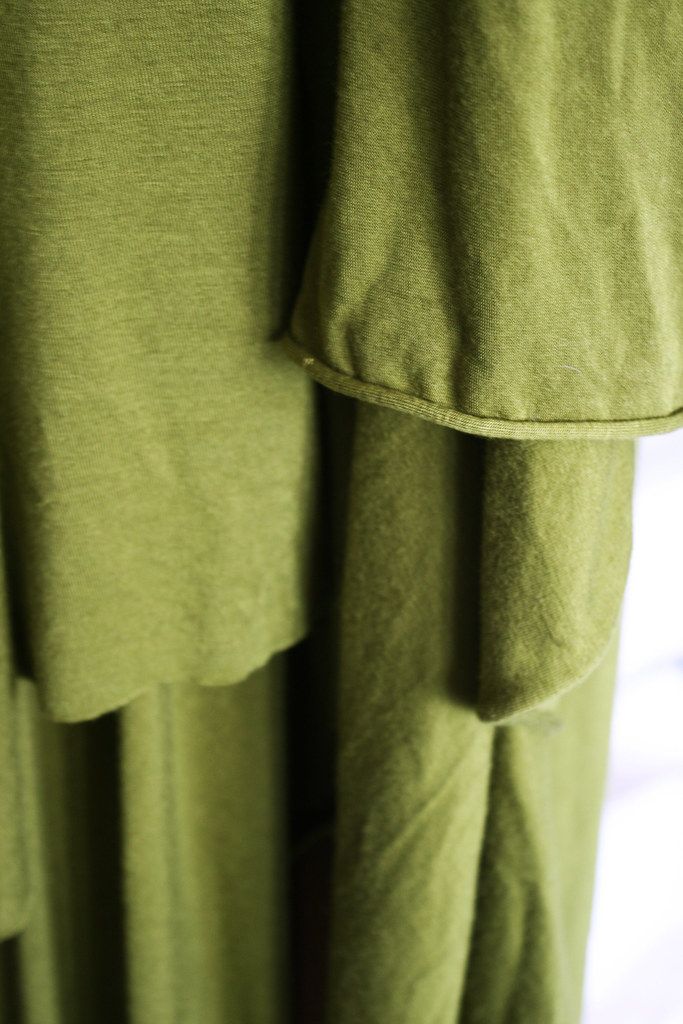
Choose modal when the product sells on touch. A nightgown, a lounge set, a cami set. Modal is what makes a collection feel more expensive without moving to silk, and it carries colour with a depth cotton does not match.
Choose a cotton/modal blend when you want both. A blended jersey gets you much of modal’s softness with cotton’s stability and a middle price. This is where a lot of commercial sleepwear actually sits.
The production differences that matter
Shrinkage behaves differently
Cotton shrinks — this is normal and managed by pre-shrinking the fabric and building an allowance into the pattern. Modal knits do something slightly different: they relax, mostly in length, which shows up as a garment that is shorter and wider after washing.
Both are handled the same way: approve fit on a washed sample. This single practice removes most of the shrinkage complaints in either fabric.
Print behaves differently
Cotton takes reactive printing with strong saturation and holds fine detail because the fabric is stable. Modal holds colour depth beautifully but stretches during printing, so tight registration can distort.
If your artwork has fine lines or precise placement, approve a strike-off on the actual fabric before committing.
Sewing cost is not the same
A stable woven cotton cuts and sews faster than a slippery, stretchy modal jersey. That difference sits in the making cost, not just the fabric price — so comparing two quotes on fabric cost alone will mislead you.
Opacity needs checking on modal
Lightweight modal in a pale colour is often more sheer than expected. Check opacity on a body form, in the actual colourway, at the actual GSM. Dark colours hide it; pale colours do not.
A caution about labels
“Modal” on a label can mean a modal-dominant fabric or a blend with a small modal percentage. The two feel completely different and are marketed identically. Always confirm the blend ratio in writing rather than accepting the fabric name.
The same applies to “cotton” — cotton poplin, cotton flannel and cotton jersey are one word on a spec sheet and three different products in the hand.
Premium cotton names carry the same risk. “Pima” and “organic” describe different things and each has its own labelling rule, which we cover in Pima cotton vs organic cotton for pajamas.
What most ranges actually do
A typical commercial split:
- Cotton for classic button-up sets, men’s styles and winter flannel
- Modal or a modal blend for women’s lounge sets, nightgowns and cami sets
- Viscose where a print needs to look its best at an accessible price
You are not really choosing a fabric. You are choosing a silhouette, and the fabric follows.
Before you decide
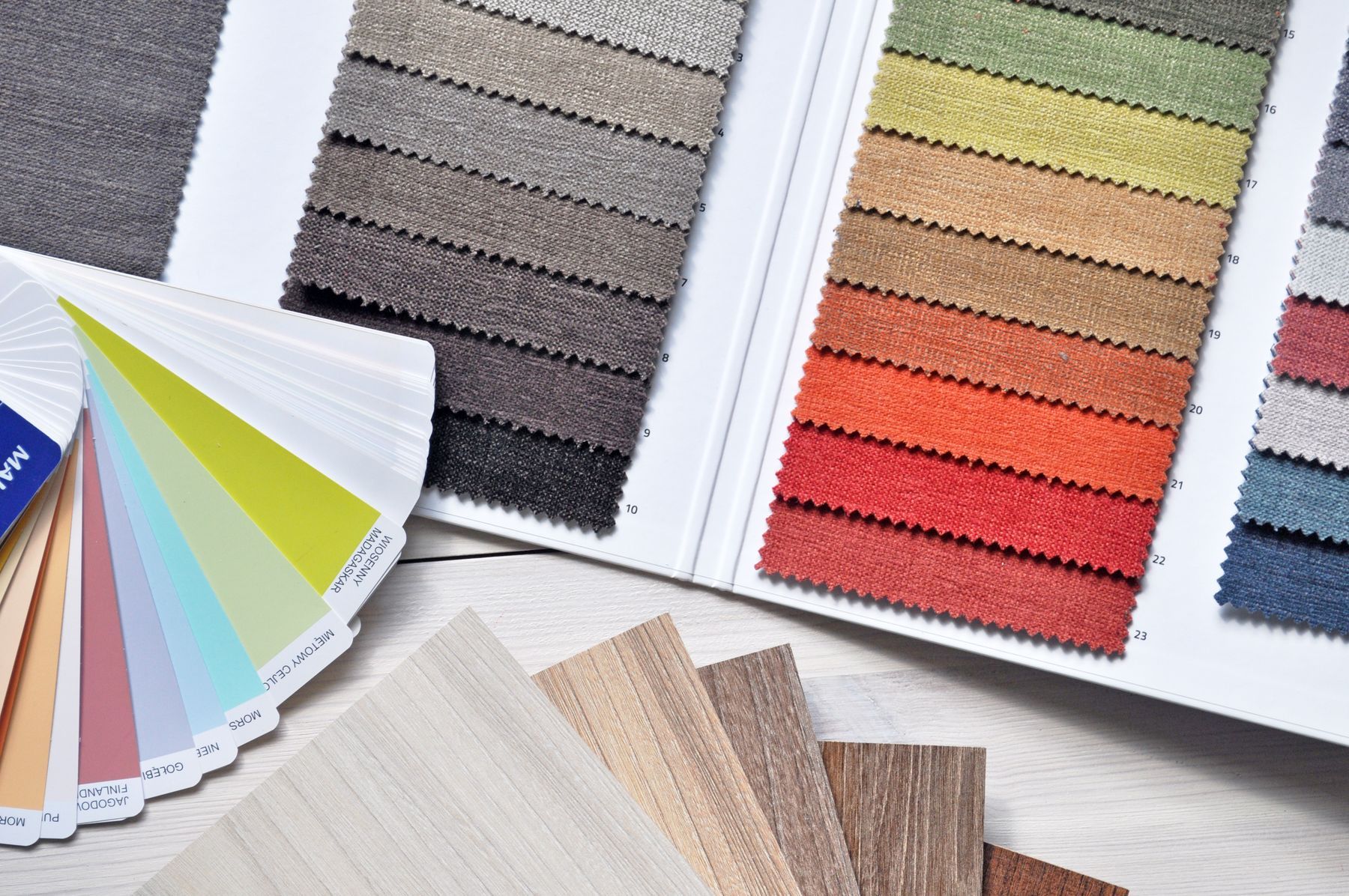
- Handle physical swatches — photographs do not transmit hand feel, weight or opacity
- Confirm blend ratio and GSM in writing
- Approve fit on a washed sample in whichever fabric you choose
- If printing, approve a strike-off on the real fabric